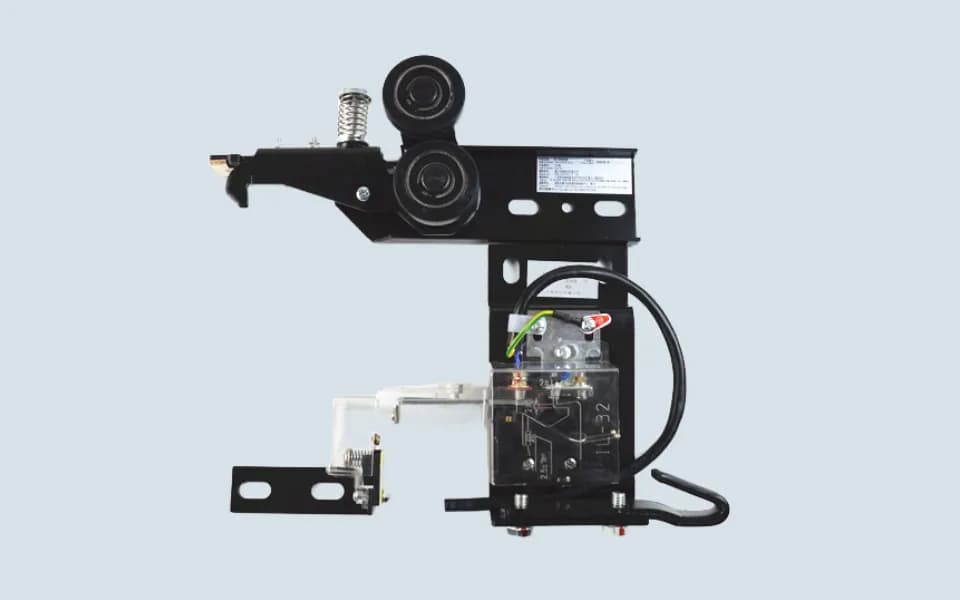
CANNY Elevator Landing Lock Set PB161
Please add the quotation and send it to us and get in touch with us immediately
- Global service 24/7
- Lowest price for all products
- Best quality with Production Process
- After-Sale Warranty
- Technical Support
Description
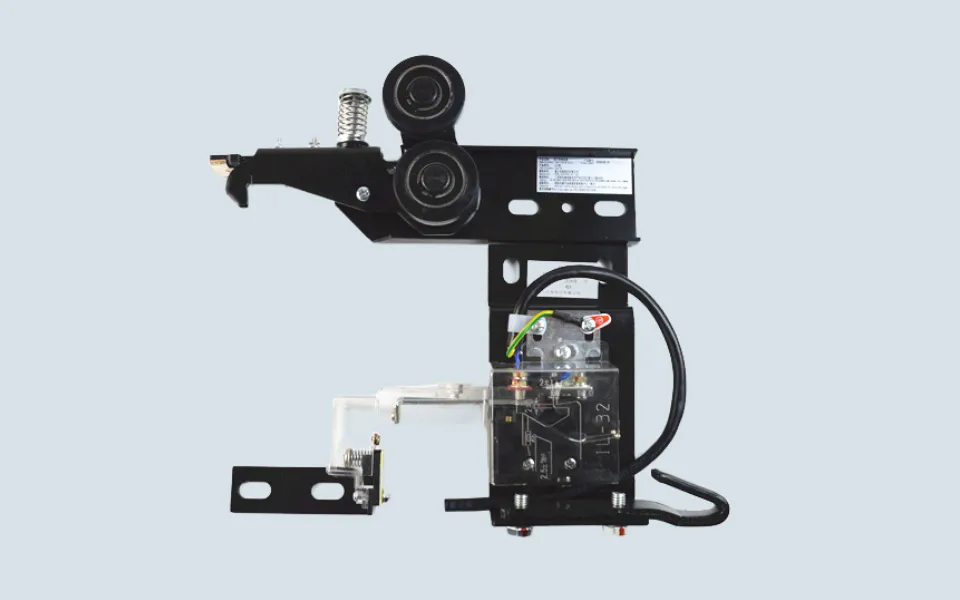
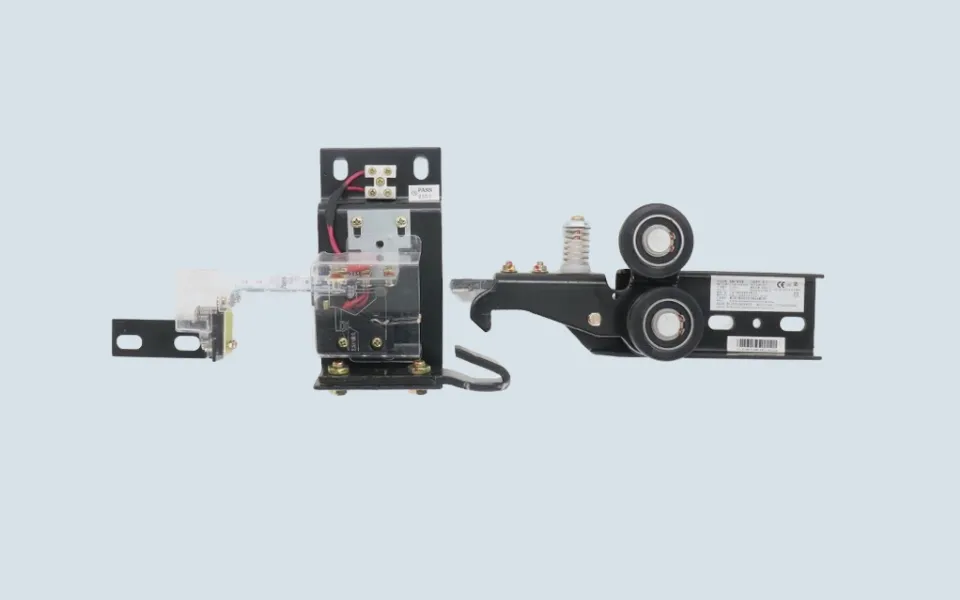
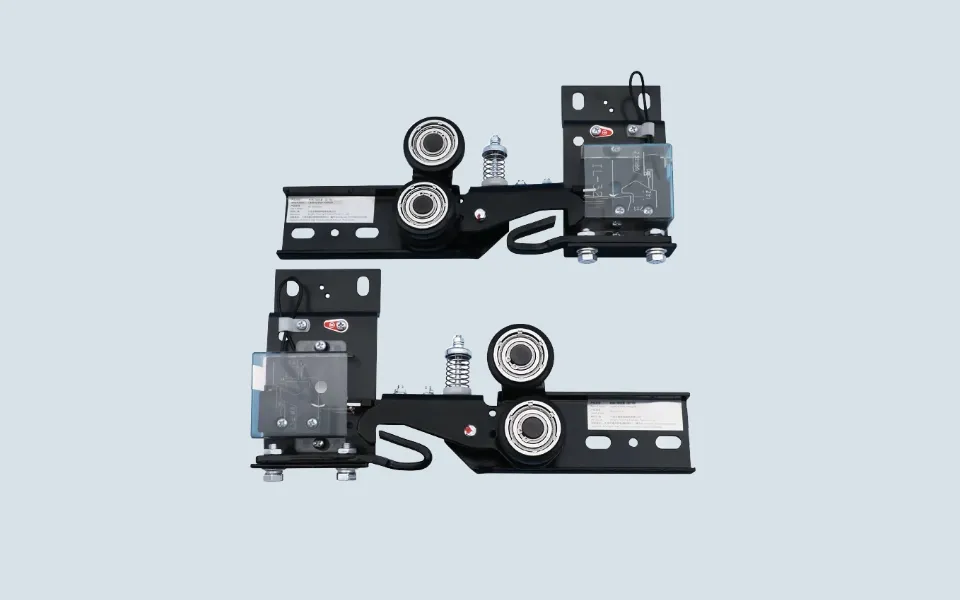
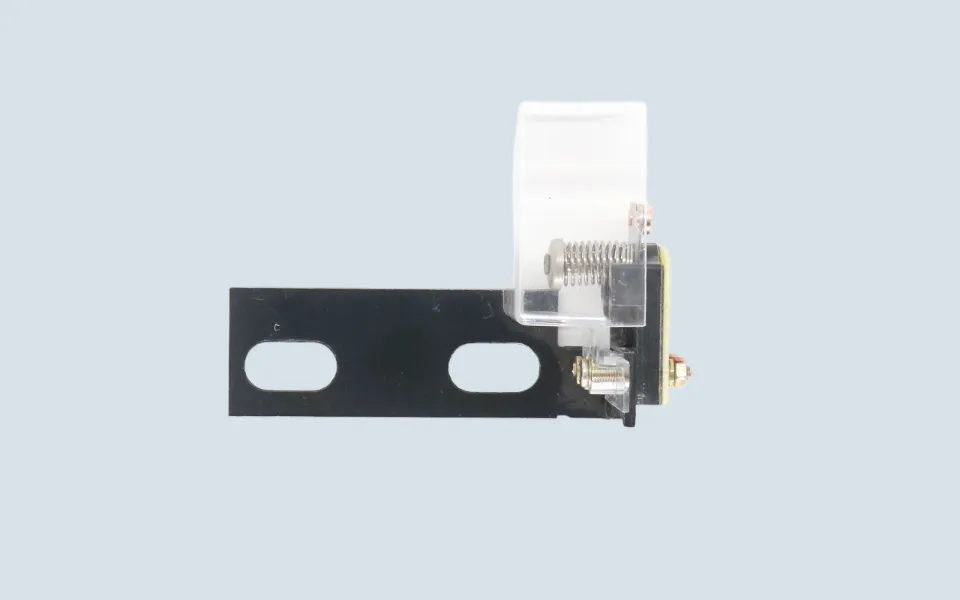
CANNY Elevator Landing Lock Set PB161
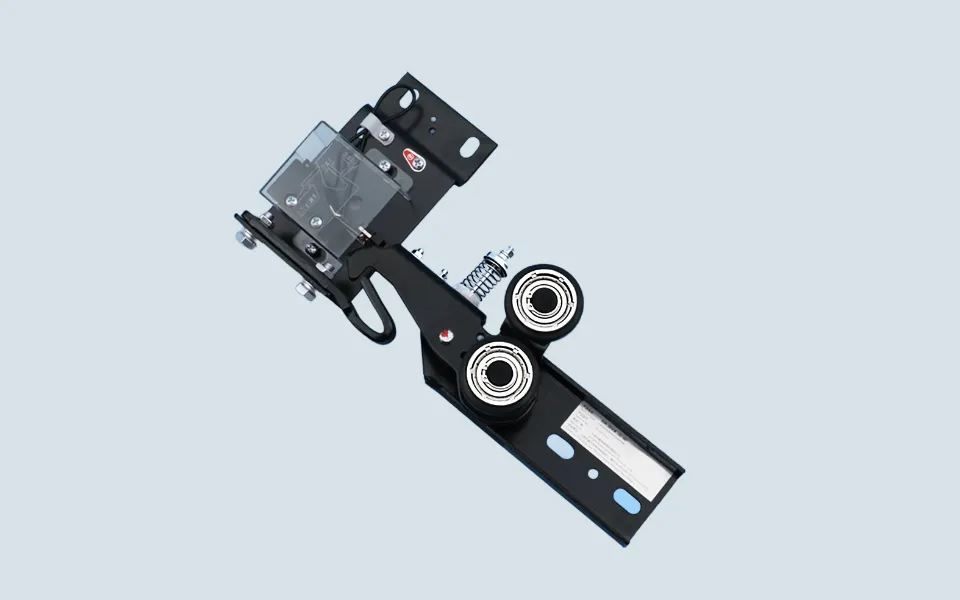
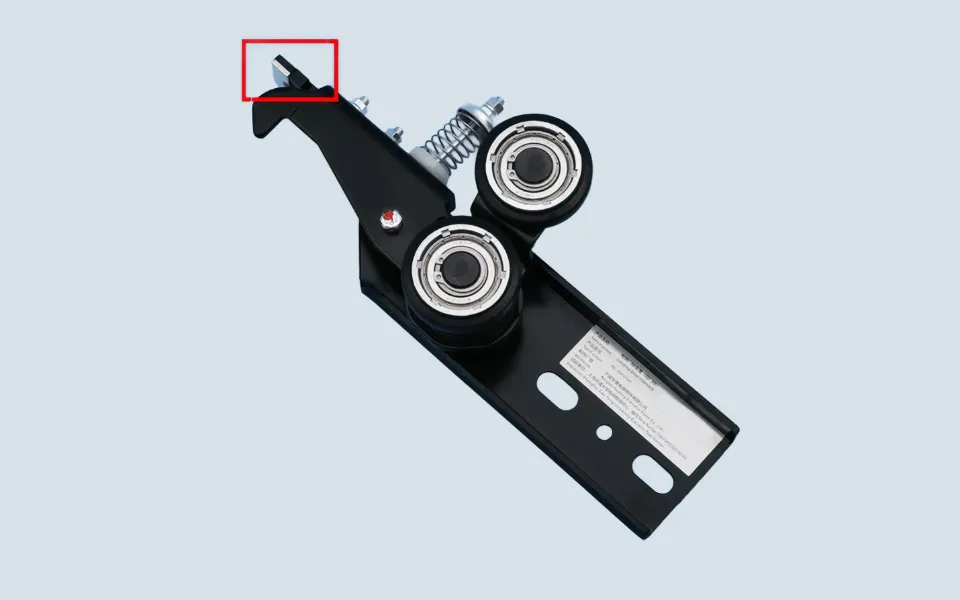
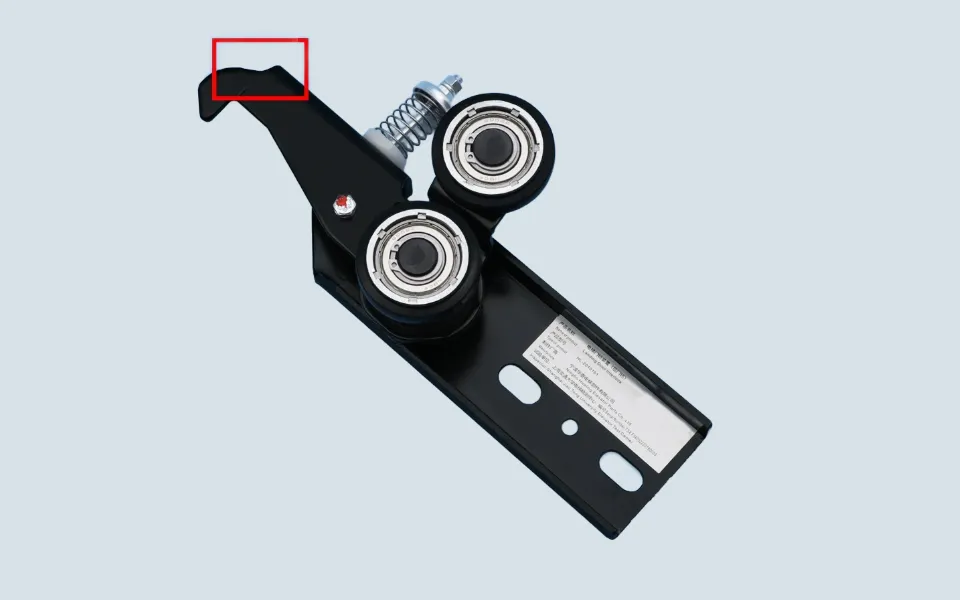
CANNY Elevator Landing Lock Set PB161 is used in elevator landing door locking and floor door safety interlock applications.
This product is normally installed on the landing door side, where it works with the elevator door system to help keep the landing door locked when the elevator car is not in the correct landing position. In the elevator spare parts market, it may also be searched as:
- CANNY Elevator Landing Lock Set
- PB161 Elevator Landing Door Lock
- PB-161 Elevator Door Lock
- Elevator Floor Door Locking Device
- Elevator Landing Door Lock Device
- Elevator Door Interlock
- KS-3 Replacement Landing Lock
The main model reference for this page is:
- PB161
Related market references may include:
- PB-161
- KS-3
- 161 Landing Door Lock Device
These references are useful for search coverage and quotation confirmation. However, the final replacement should still be checked by the old lock structure, left or right side requirement, contact type, mounting position, and landing door system.
Landing Door Lock Application
PB161 should be understood as a landing door lock set, not a normal door handle or simple mechanical lock.
In elevator operation, the landing door lock is part of the safety-related door system. It is connected with the landing door locking mechanism and may also work with electrical contacts depending on the lock version.
A correct landing lock helps ensure that the landing door stays locked when required and that the elevator control system receives the correct door lock signal before operation.
Because this part is related to door safety, replacement should be handled by qualified elevator maintenance personnel.
Left and Right Side Confirmation
PB161 landing lock sets may have left-side and right-side versions.
Before ordering, buyers should confirm the door opening direction and the installation side of the original lock. A similar-looking lock may not fit correctly if the hook direction, mounting hole position, or locking structure is different.
Please confirm:
- left side or right side
- old lock front photo
- old lock side photo
- mounting hole distance
- hook direction
- landing door installation position
- whether the old lock is marked PB161, PB-161, or KS-3
This information helps reduce wrong supply, especially for overseas orders where the lock cannot be checked physically before shipment.
Contact Type Confirmation
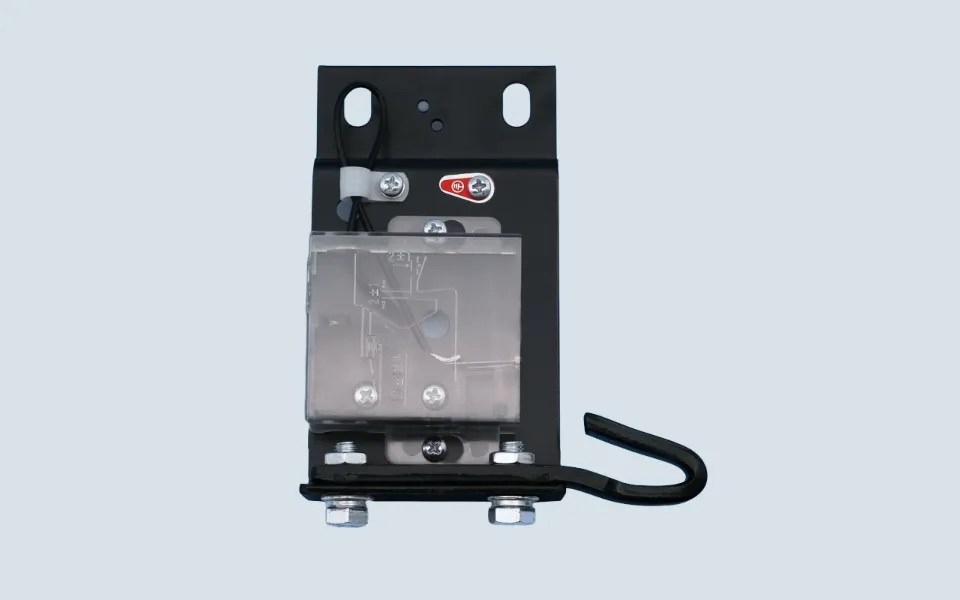
Another important point is whether the lock has an electrical contact.
Some landing lock versions may be supplied with contact, while others may be supplied without contact. The required version depends on the original elevator door circuit and site configuration.
Before ordering, please confirm:
- with contact or without contact
- connector or wiring terminal photo
- contact position if available
- old lock electrical wiring photo
- elevator door lock circuit requirement
If the wrong contact version is selected, the lock may not match the original door circuit or may require additional site modification.
Common Site Issues Related to Landing Locks
Maintenance teams may inspect the PB161 landing lock when the elevator has problems such as:
- landing door not locking properly
- door lock signal not detected
- elevator cannot start because of door lock fault
- landing door mechanical locking problem
- worn hook or lock tongue
- damaged contact or wiring terminal
- abnormal door closing or unlocking behavior
These symptoms may also be caused by door alignment, door vane adjustment, door rollers, door hanger, wiring terminals, or the door lock circuit. The complete landing door system should be checked before confirming the lock fault.
Practical Replacement Notes
Do not select PB161 only by appearance.
Landing door locks may look similar, but the side direction, contact structure, hook position, mounting hole distance, and door system design may be different. Before installation, technicians should compare the old and new lock carefully and test the complete door locking and unlocking action.
For overseas buyers, sending clear photos of the old PB161 landing lock from the front, side, back, and installation position is the safest way to confirm the correct replacement before shipment.