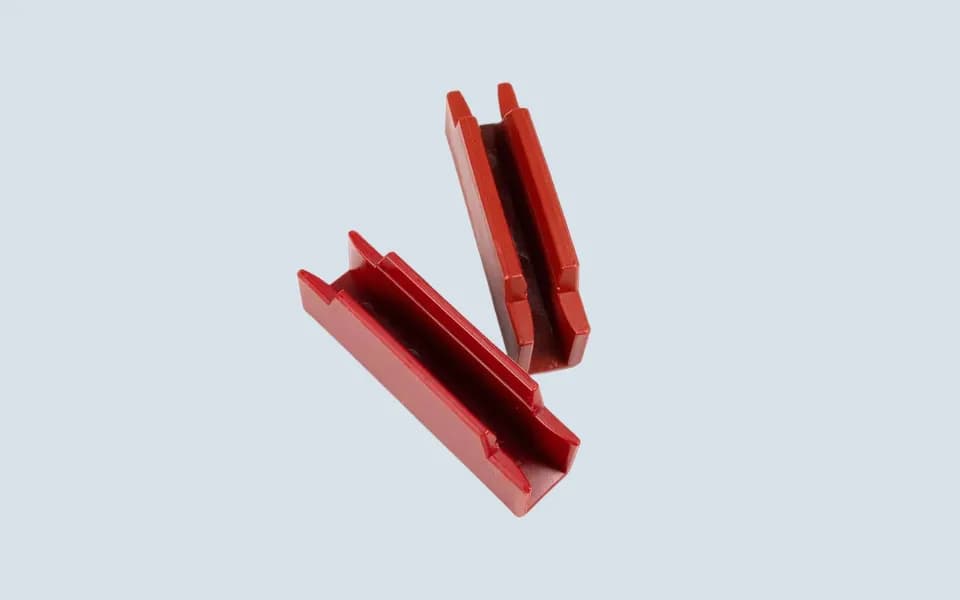
Elevator Guide Shoe Lining
Please add the quotation and send it to us and get in touch with us immediately
- Global service 24/7
- Lowest price for all products
- Best quality with Production Process
- After-Sale Warranty
- Technical Support
Description
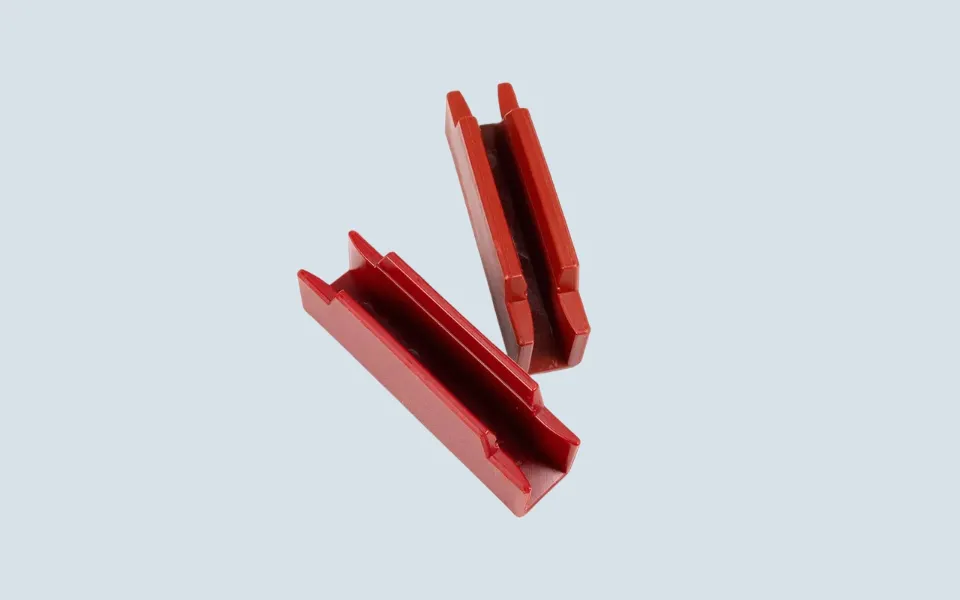
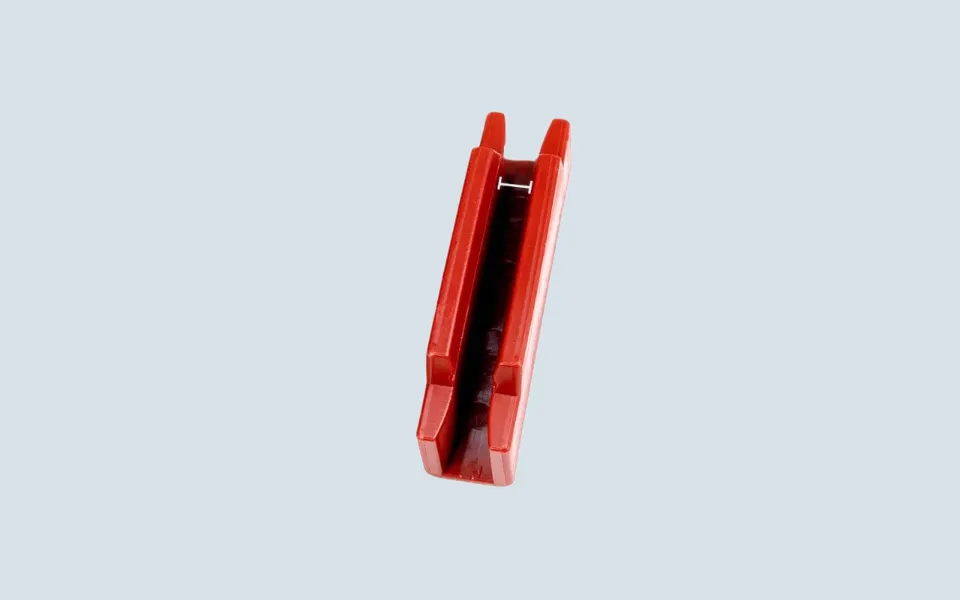
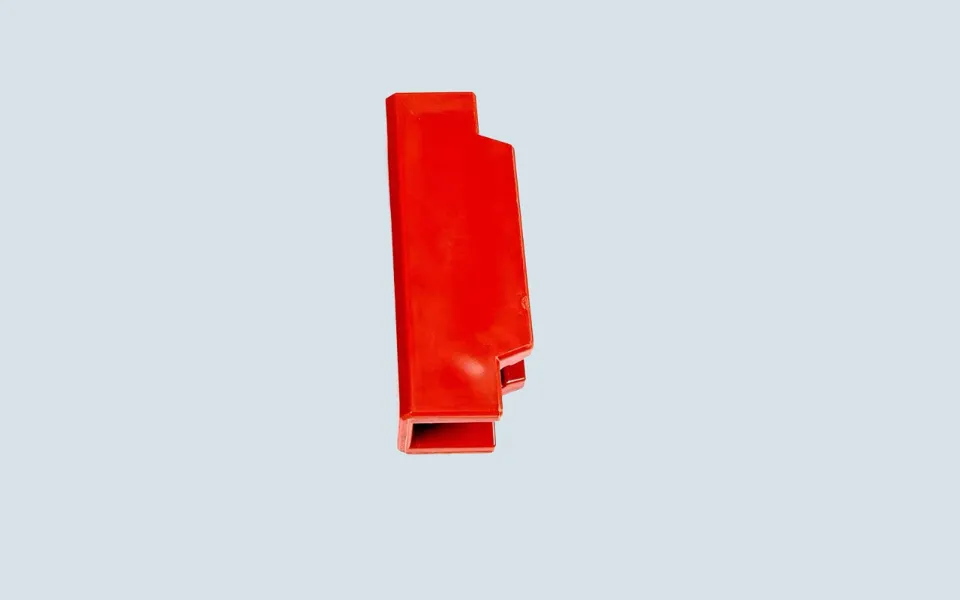
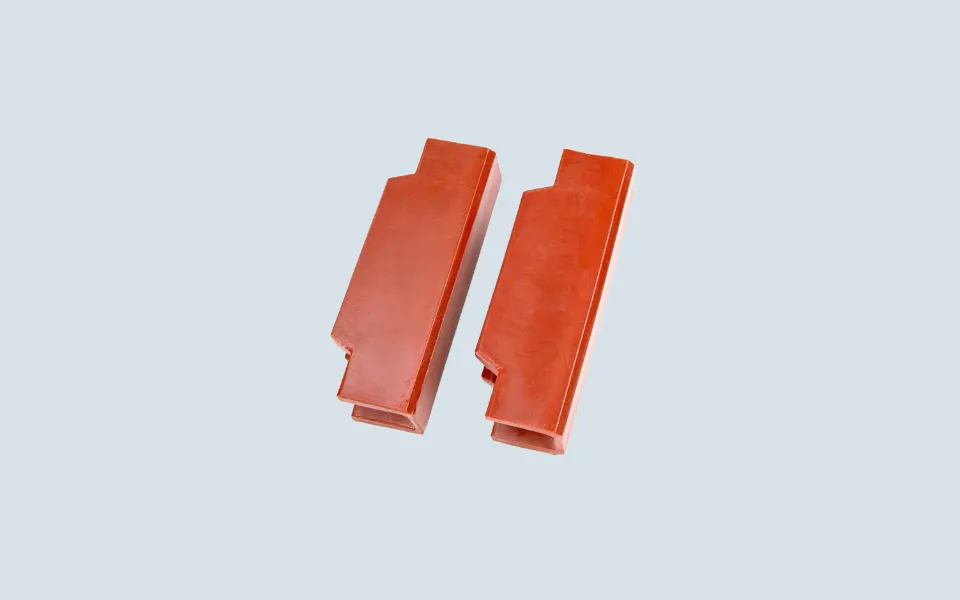
Elevator Guide Shoe Lining
Elevator Guide Shoe Lining is used inside elevator guide shoes to support smooth movement between the elevator car, counterweight, and guide rails.
This part is also called a guide shoe liner, guide shoe insert, sliding guide shoe lining, or elevator guide shoe wear pad. It is normally installed inside the guide shoe housing and works as the contact surface between the guide shoe and the guide rail. During elevator operation, the lining helps reduce friction, noise, vibration, and direct metal-to-metal contact.
In elevator spare parts purchasing, this product may be searched as:
Elevator Guide Shoe Lining
Guide Shoe Liner
Elevator Guide Shoe Insert
Sliding Guide Shoe Lining
Elevator Guide Shoe Wear Pad
Guide Rail Shoe Lining
Elevator Guide Shoe Spare Parts
The main product references for this page are:
Guide Shoe Lining
Guide Shoe Liner
Guide Shoe Insert
Sliding Shoe Lining
Elevator Guide Shoe Wear Pad
Guide shoe lining should not be selected only by product name. Different elevator guide shoes may use different lining sizes, material hardness, groove shapes, thicknesses, and fixing methods. Even if two linings look similar, they may not fit correctly inside the guide shoe housing.
Why the Old Lining Sample Matters
For this product, the old sample is usually the best reference.
Before ordering, buyers should confirm the lining length, width, thickness, groove shape, fixing structure, guide rail size, and guide shoe model if available. If the old lining has been worn down, it is better to measure both the worn part and the guide shoe housing to avoid ordering the wrong size.
Important details to check include:
old lining shape
length, width, and thickness
groove or contact surface shape
guide rail size
guide shoe type
material if known
fixing method inside the guide shoe
car side or counterweight side application
old lining photos from different angles
installed position photo
A lining with the wrong thickness may make the guide shoe too tight or too loose. If the fit is too tight, the elevator may have high friction, abnormal noise, or rough running. If the fit is too loose, the car may shake more during operation and the guide shoe may wear faster.
Common Replacement Situations
Guide shoe lining is usually replaced when the old lining is worn, cracked, deformed, noisy, or contaminated with oil and dust. Maintenance teams may also check this part when the elevator has side shaking, guide rail rubbing noise, uneven running, or visible wear inside the guide shoe.
These problems may also come from guide rail alignment, guide shoe housing damage, poor lubrication, incorrect adjustment, rail surface condition, or worn guide shoes. The lining should be checked together with the complete guide shoe assembly and guide rail condition.
For buyers in Saudi Arabia, Jordan, Egypt, Iraq, UAE, Kuwait, Brazil, Chile, Spain, and Italy, sending clear photos and measurements of the old guide shoe lining is recommended before shipment. This is especially important when the lining is ordered together with guide shoes, guide rollers, oil cups, springs, door parts, or other elevator spare parts.