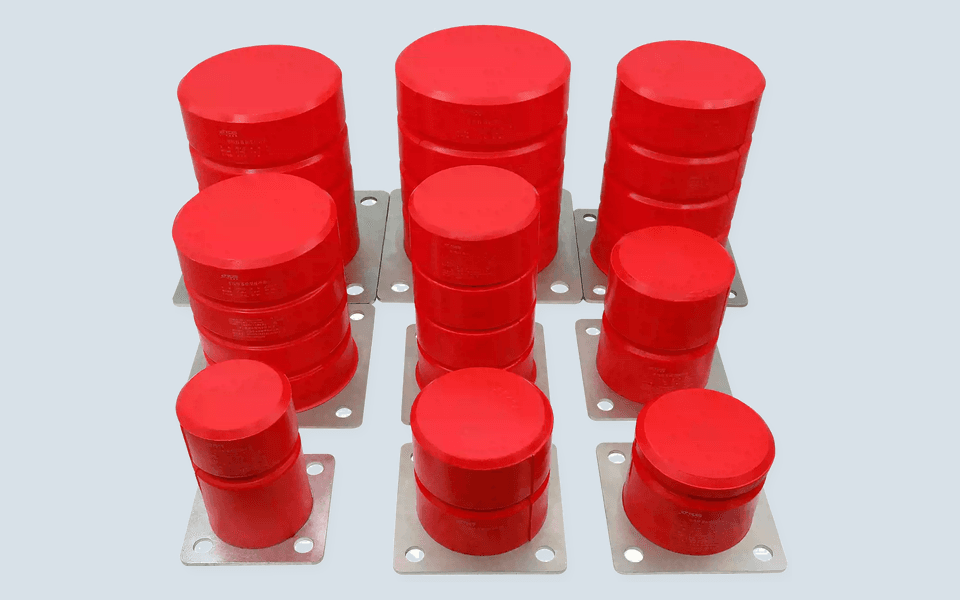
Elevator Polyurethane Buffer
Ø80×100 Ø80×128 Ø100×80 Ø100×100 Ø100×120 Ø130×160 Ø130×200 Ø150×180 Ø160×200 Ø200×200 Ø250×200 Ø 165×80 Ø 220×80 Ø 100×180 Ø 65×50
Please add the quotation and send it to us and get in touch with us immediately
- Global service 24/7
- Lowest price for all products
- Best quality with Production Process
- After-Sale Warranty
- Technical Support
Description
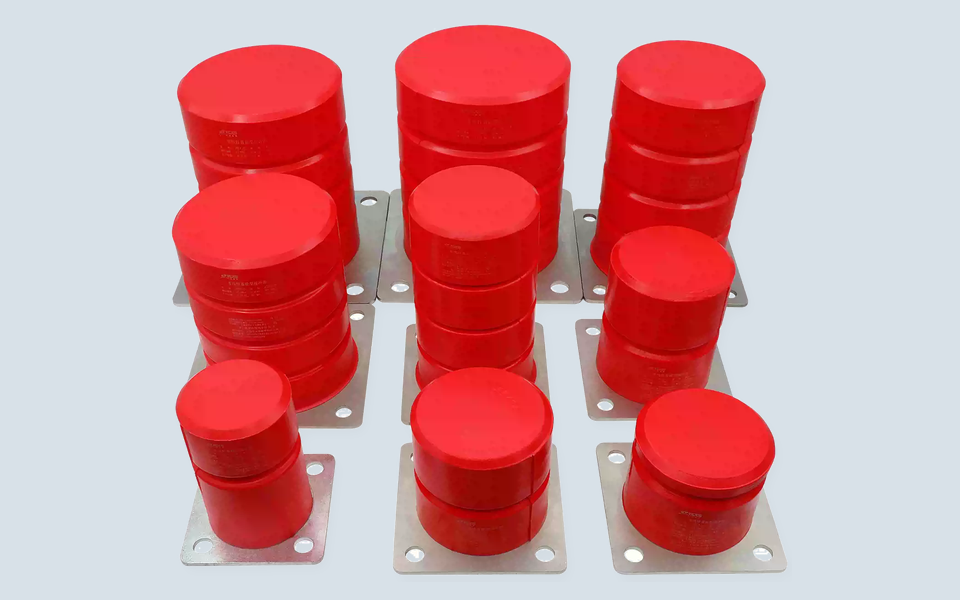
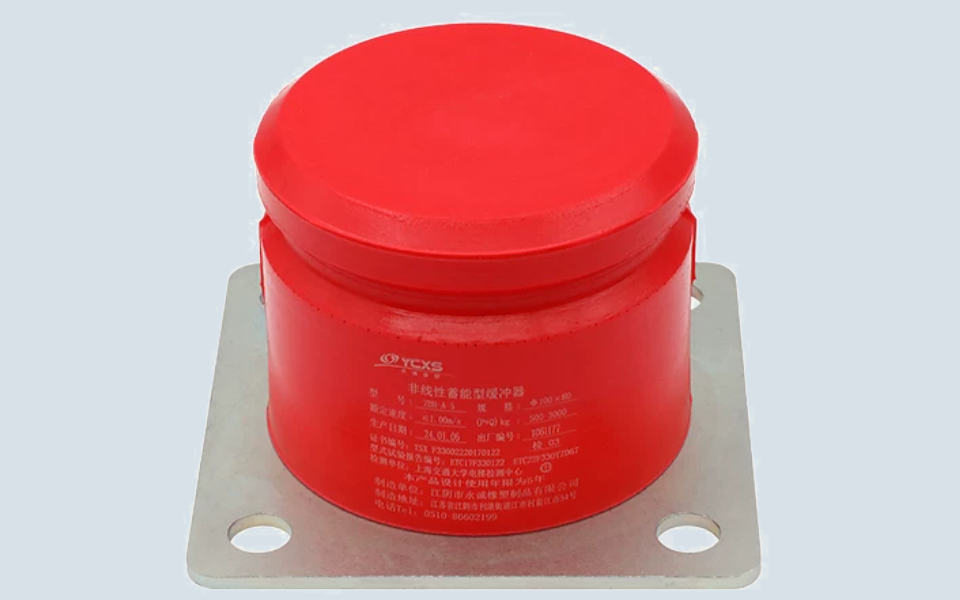
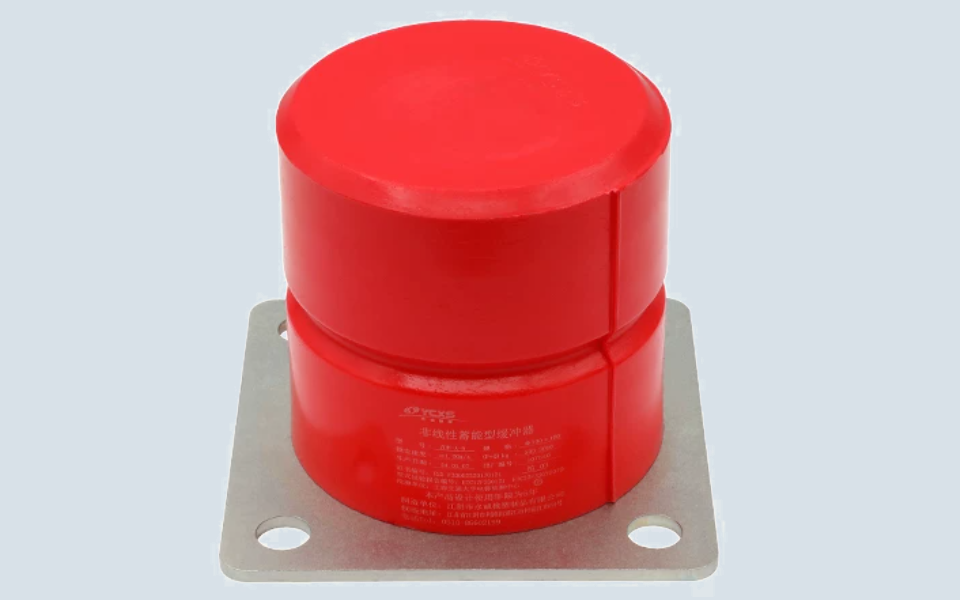
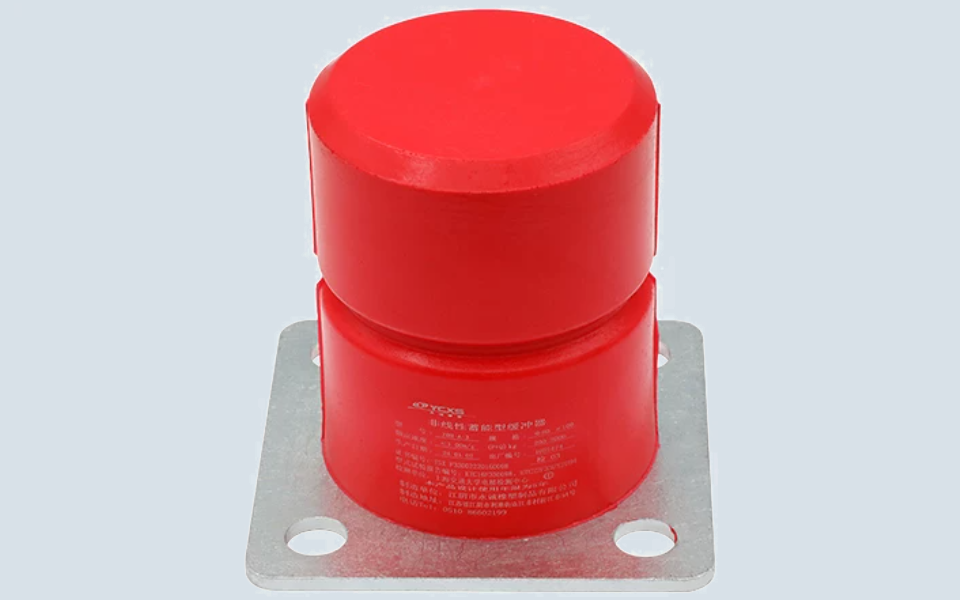
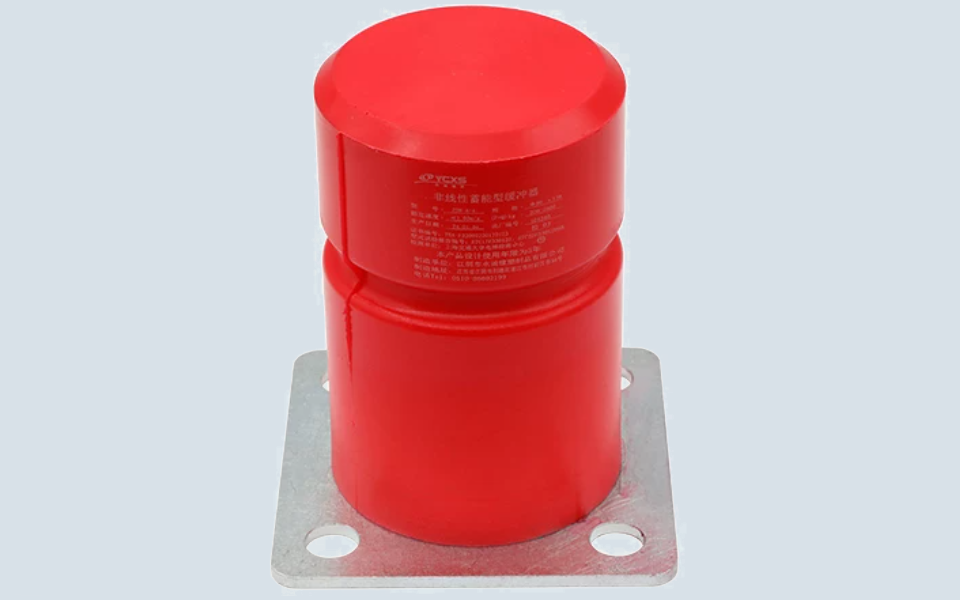
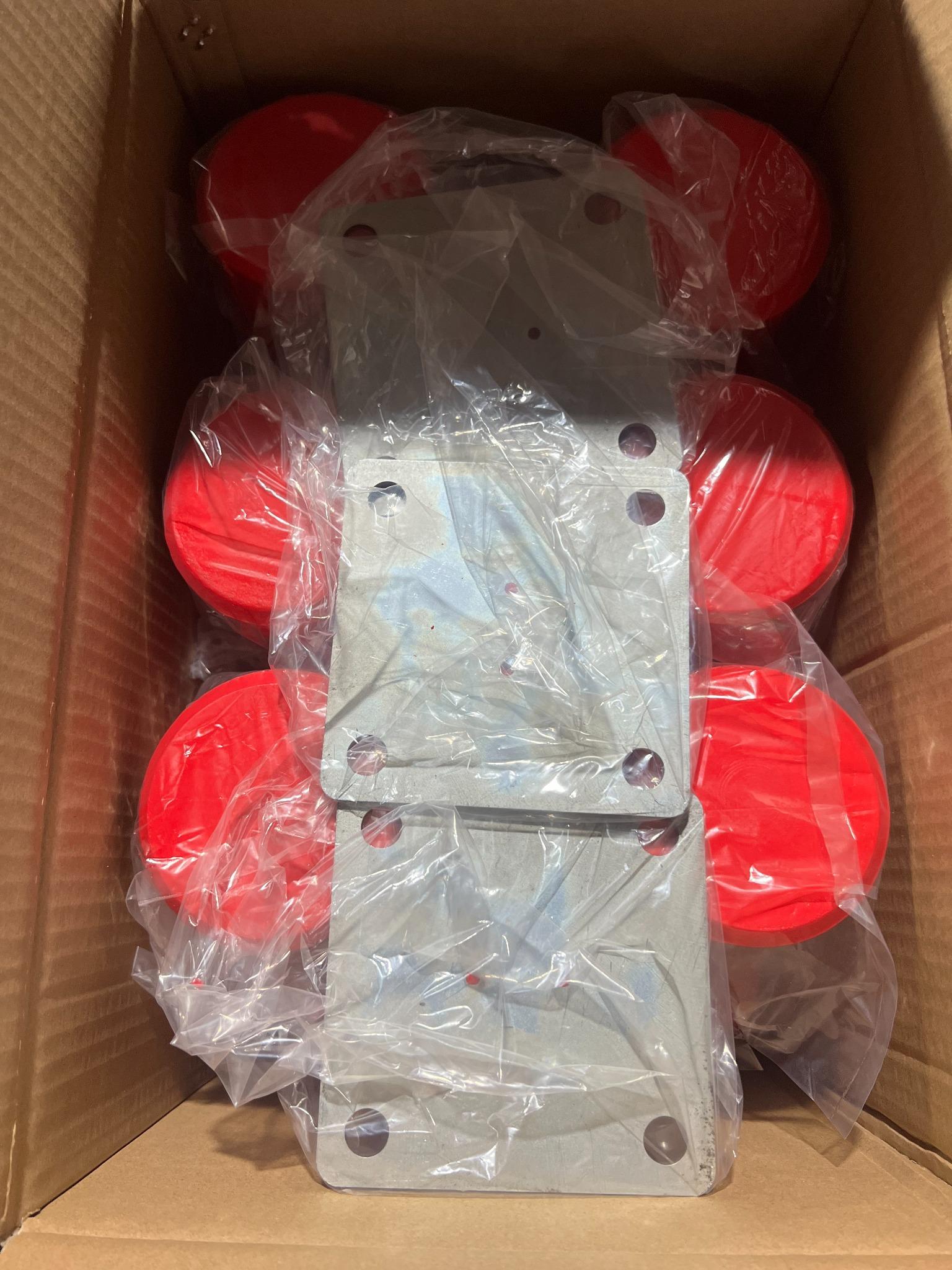
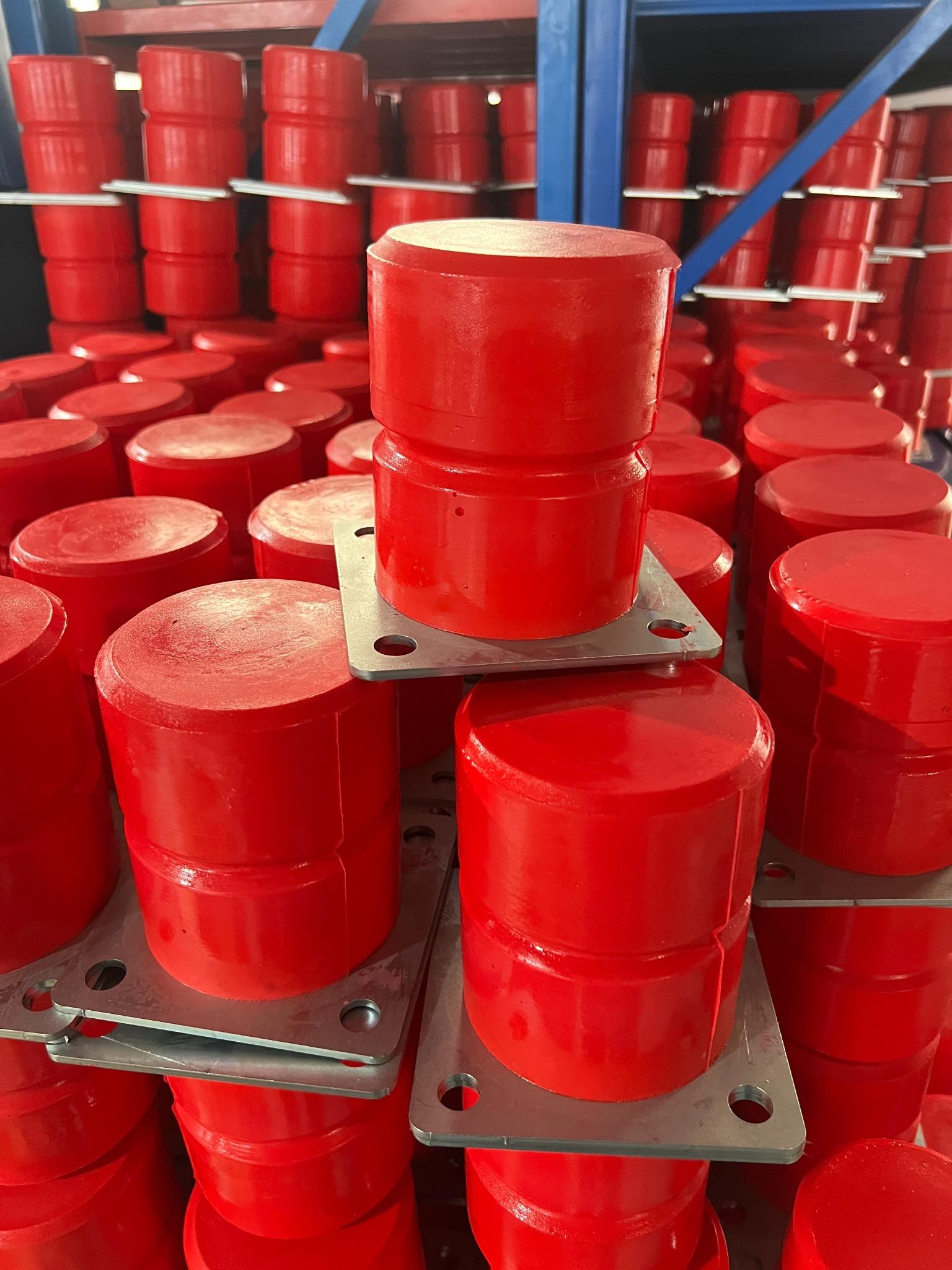
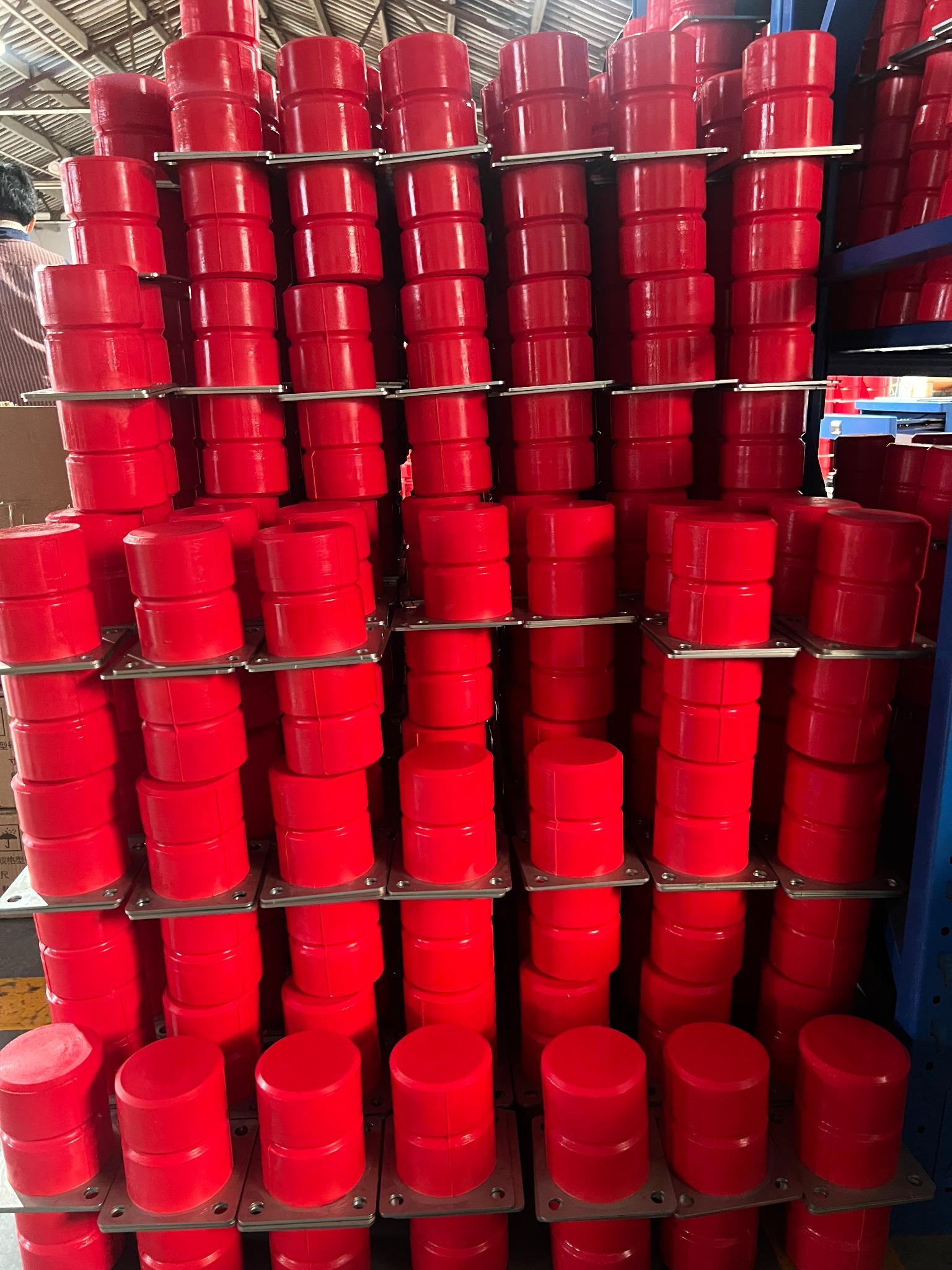
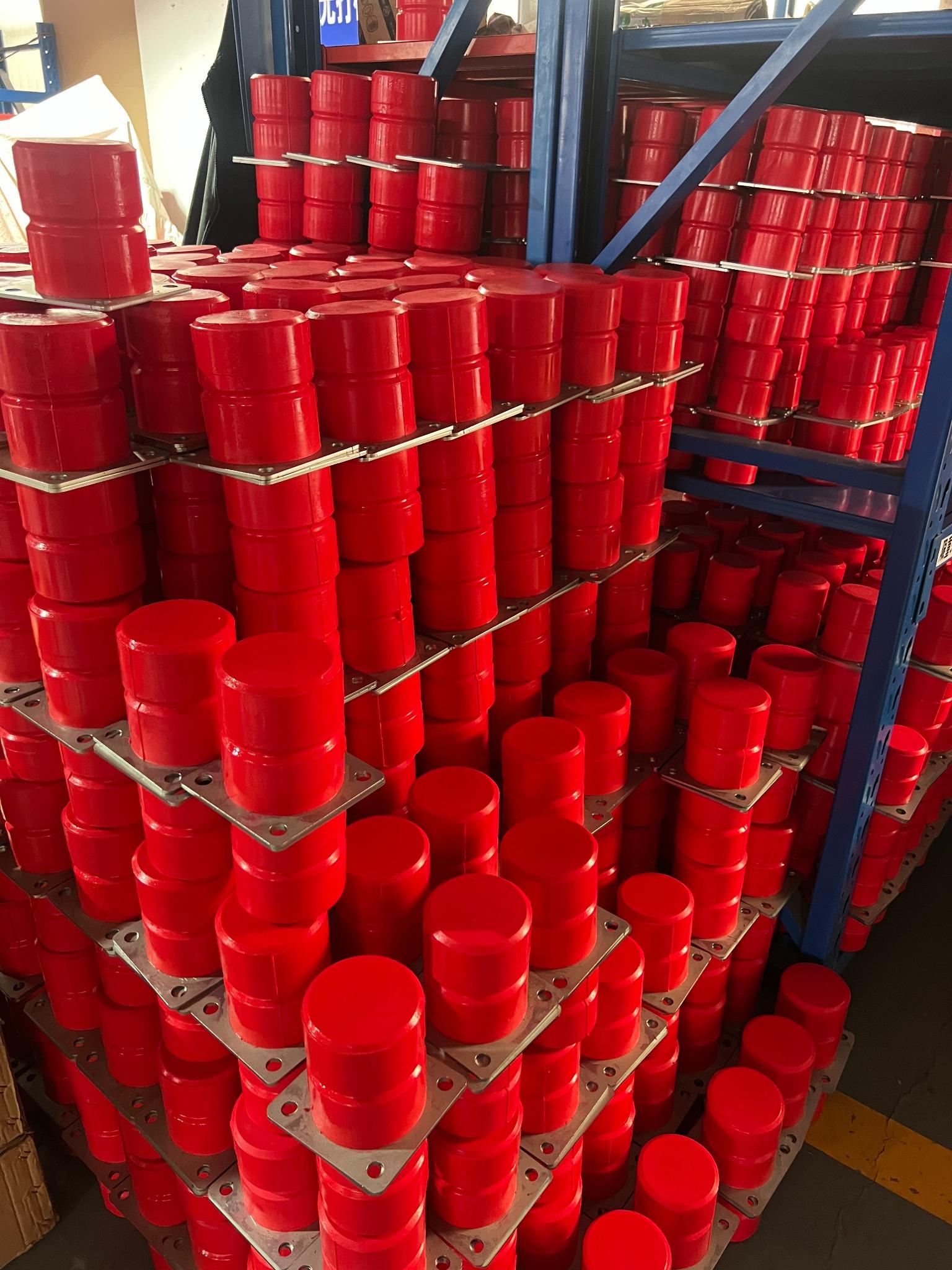
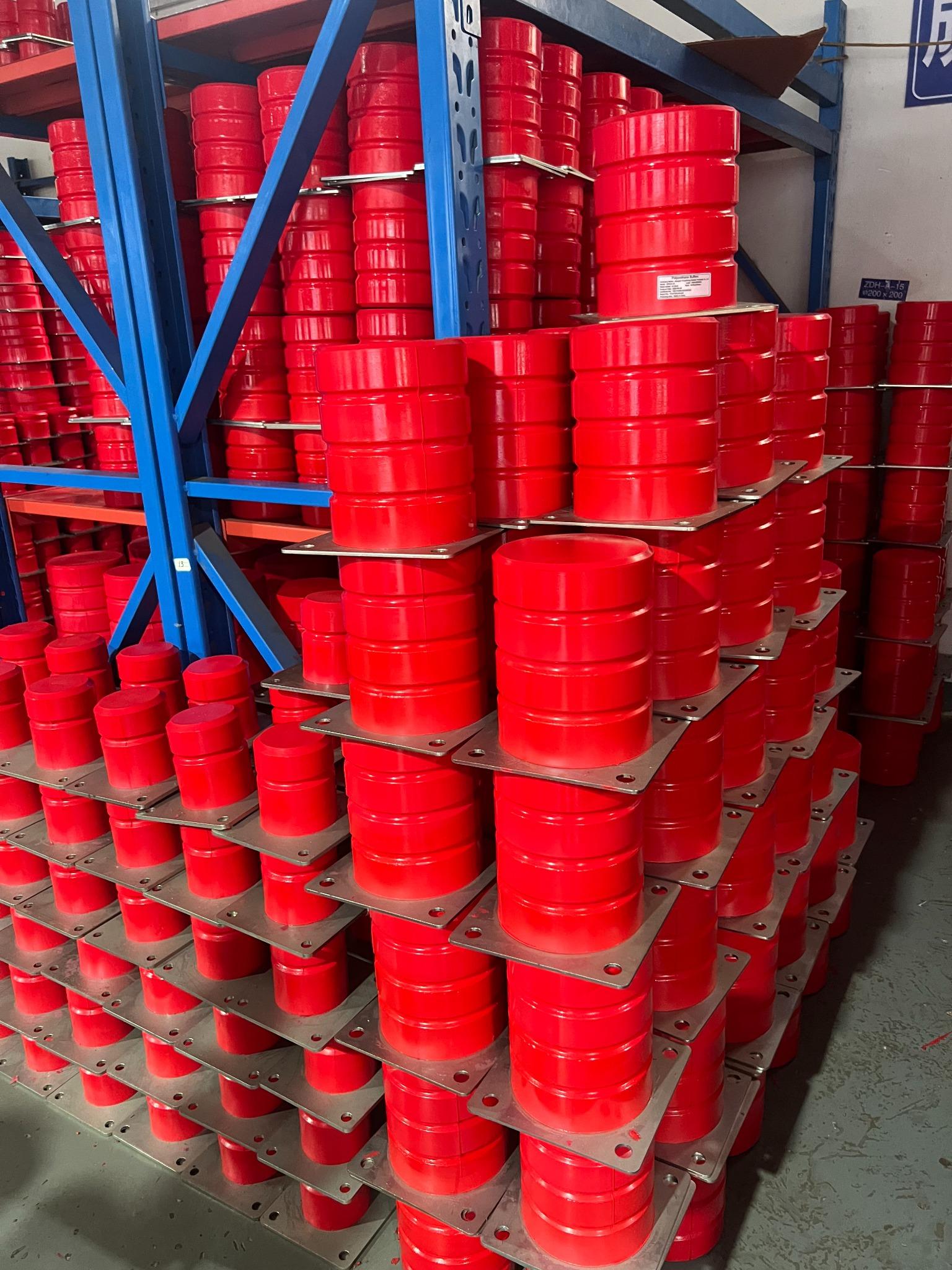
Elevator Polyurethane Buffer is used as a safety protection component in elevator pit systems, helping absorb impact energy when the elevator car or counterweight reaches the buffer position under abnormal operating conditions.
Unlike ordinary rubber blocks or simple mechanical pads, a polyurethane elevator buffer is designed to provide controlled compression, rebound performance, and long-term durability in the elevator shaft environment. It is normally installed in the elevator pit under the car or counterweight travel path, working together with the buffer base, impact plate, guide rail system, and overall elevator safety design.
In elevator spare parts purchasing, this product may be searched as:
Elevator Polyurethane Buffer
Lift Polyurethane Buffer
Elevator PU Buffer
Elevator Safety Buffer
Elevator Pit Buffer
Elevator Car Buffer
Elevator Counterweight Buffer
Polyurethane Elevator Buffer
Elevator Buffer Block
Elevator Spare Parts Buffer
More Than a Simple Rubber Block
A polyurethane buffer may look simple from the outside, but its material performance is important for elevator safety and ride protection. The buffer must be able to compress under impact, absorb energy, and recover its shape within the required operating condition.
If the material is too soft, the buffer may deform too much and fail to provide enough protection. If it is too hard, the impact may not be absorbed properly. If the material quality is unstable, aging, cracking, or permanent deformation may appear after long-term use.
This is why elevator polyurethane buffers should not be selected only by color, shape, or approximate size. The application position, elevator speed, load condition, buffer height, compression stroke, and installation structure should all be checked before ordering.
Key Parameters Buyers Should Confirm
For replacement projects, the old buffer and the pit installation condition are usually the best references.
Before quotation, buyers should confirm:
buffer height
outer diameter or body size
base diameter or mounting size
mounting hole position
buffer stroke or compression height if available
car side or counterweight side application
elevator rated speed and load if available
old buffer material condition
pit installation position
impact plate position
old buffer photos from front, side, top, and base
project drawing or old nameplate if available
If the old buffer is already cracked, compressed, missing, or heavily aged, it is better to check the original drawing or measure the installation base carefully. A worn old buffer may no longer show the original height or shape accurately.
Common Replacement Situations
Elevator polyurethane buffers are often replaced during elevator maintenance, safety inspection, modernization, or pit component repair.
Common replacement reasons include:
buffer aging
visible cracks
permanent deformation
damaged base
missing or unclear original specification
failed safety inspection
pit renovation or modernization
car or counterweight buffer replacement
old rubber buffer upgraded to polyurethane type
damaged buffer after abnormal impact
However, buffer problems should not be checked alone. Technicians should also inspect the pit base, guide rail alignment, car or counterweight impact plate, buffer fixing bolts, oil or water contamination in the pit, and surrounding safety components.
Why Size Matching Is Critical
A wrong buffer size can create installation and safety problems.
If the buffer is too high, the elevator may not meet the required pit clearance or impact position. If it is too low, the buffer may not contact the impact plate correctly. If the mounting holes do not match, the buffer may not be fixed securely. If the material performance does not match the elevator requirement, the buffer may not behave correctly under compression.
For this reason, professional elevator spare parts suppliers usually ask for photos, dimensions, and application details before confirming a polyurethane buffer order. This is especially important for overseas maintenance projects where the part must be installed directly after arrival.
Practical Procurement Notes
Elevator polyurethane buffers are widely used in elevator maintenance and replacement projects, especially where a compact, durable, and cost-effective buffer solution is required. They are often ordered together with guide shoes, guide rails, oil cups, safety switches, pit switches, hydraulic buffers, and other elevator safety components.
For buyers in Saudi Arabia, Jordan, Egypt, Iraq, UAE, Kuwait, Brazil, Chile, Spain, Italy, and African maintenance markets, clear old-part photos and dimension checking are strongly recommended before shipment. Many elevator buffer inquiries come from job-site photos rather than complete drawings, so size confirmation and installation position checking can reduce wrong supply and project delays.
FAQ
Is a polyurethane buffer the same as a hydraulic buffer?
No. A polyurethane buffer and a hydraulic buffer are different types of elevator buffer products. The correct type should be selected according to the original elevator design, speed, load, pit condition, and local inspection requirement.
Can I order only by the old buffer photo?
A photo is useful, but it is not enough. Please also provide height, diameter, base size, mounting hole distance, and installation position.
What should I check if the old buffer is deformed?
If the old buffer has been compressed or aged, measure the base and installation position carefully. If possible, check the original drawing or elevator specification before ordering.
Is polyurethane suitable for all elevators?
Not necessarily. The buffer type must match the elevator system design and inspection requirement. For replacement, the original buffer type and application condition should be confirmed first.