KONE Elevator Tachogenerator Wheel
Please add the quotation and send it to us and get in touch with us immediately
- Global service 24/7
- Lowest price for all products
- Best quality with Production Process
- After-Sale Warranty
- Technical Support
Description
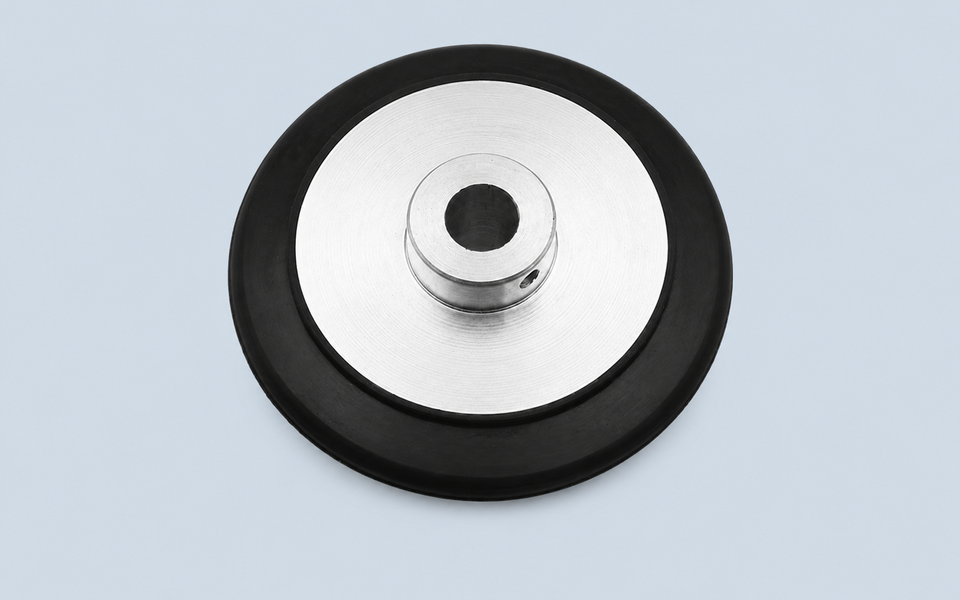
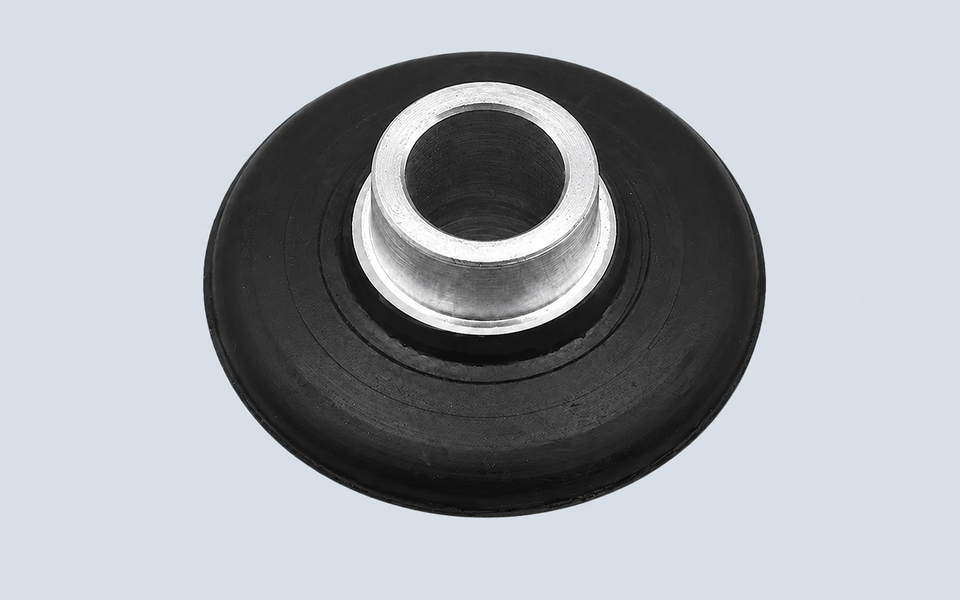
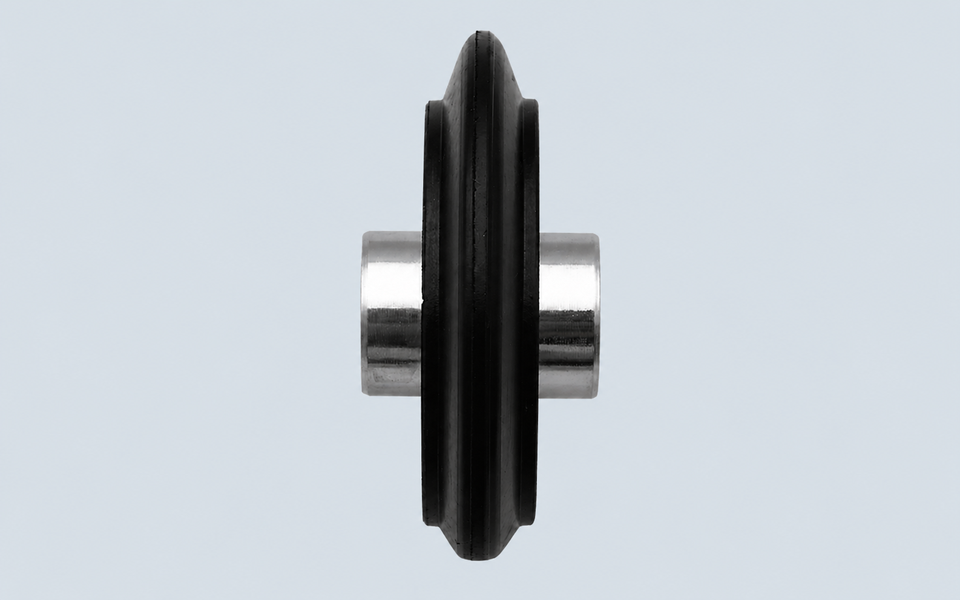
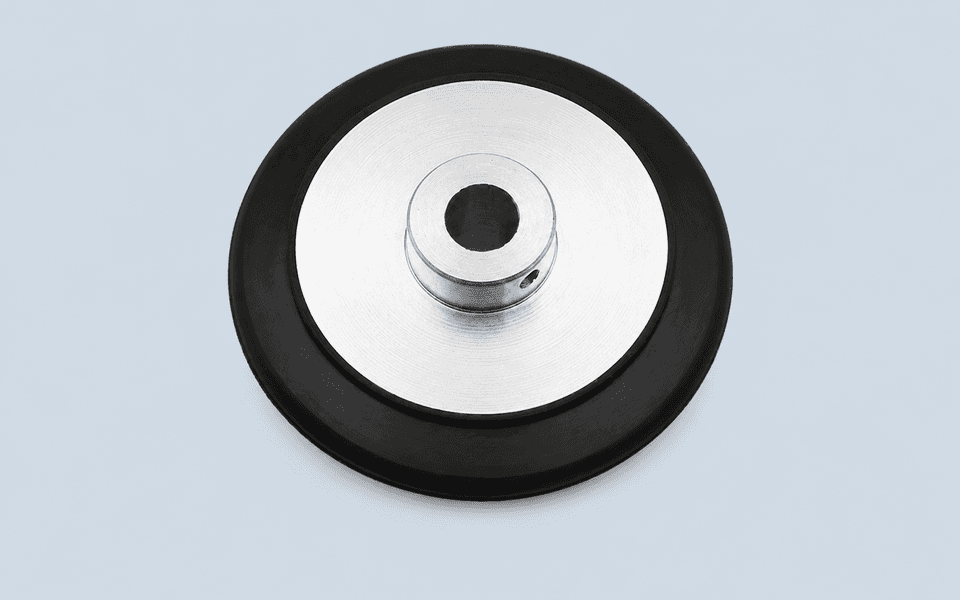
KONE Elevator Tachogenerator Wheel
A tachogenerator wheel may look like an ordinary rubber roller, but its job is very different from a door roller or guide wheel.
Installed on a compatible KONE elevator tachometer or encoder assembly, the wheel maintains contact with a rotating surface and transfers movement to the speed-feedback device. The condition of the wheel can affect how consistently the tachogenerator follows motor rotation.
The product may also be described as:
KONE tachometer wheel
KONE encoder friction wheel
KONE tachogenerator roller
KONE motor speed-sensing wheel
elevator tach wheel
elevator encoder pulley
Identify the Wheel by Size and Contact Surface
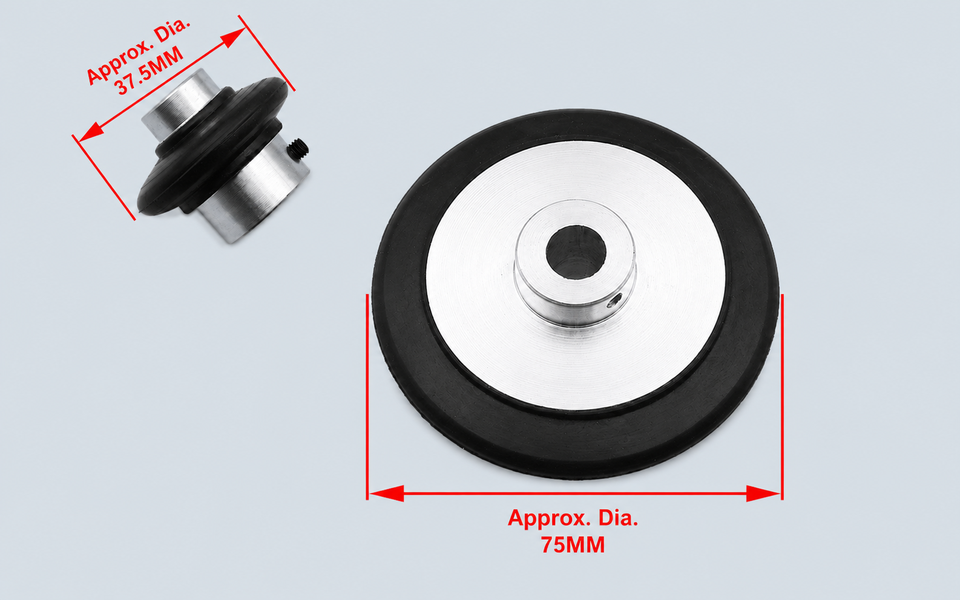
KONE tachogenerator wheels are available in different dimensions. Public replacement-part listings commonly show a smaller wheel around 37 × 22 × 11mm and a larger version around 75 × 22mm, with references such as KM650808G01 and KM710210G01. These specifications should be treated as separate versions rather than universal alternatives.
Before quotation, please provide:
complete part number, if visible
outside diameter
roller width
centre-hole diameter
shaft or fixing method
contact-surface material
groove or flat-wheel profile
tachogenerator or encoder model
motor or machine installation photo
front and side photographs
quantity required
Why Surface Condition Matters
The friction surface should rotate smoothly without slipping. Ageing, glazing, cracks, flattening or loss of elasticity may reduce reliable contact with the rotating surface.
Possible symptoms include:
unstable speed-feedback signals
intermittent tachometer response
unusual roller noise
visible slipping
uneven wheel rotation
excessive vibration at the tachogenerator
repeated drive or feedback faults
These symptoms do not always prove that the wheel alone is defective. Technicians should also inspect the tachogenerator bearing, mounting pressure, shaft alignment, encoder connection, wiring, and drive feedback circuit.
During replacement, the new wheel should match the original diameter and contact position. A different wheel diameter may change the tachogenerator’s rotational relationship with the motor surface.
For enquiries from Saudi Arabia, Jordan, Egypt, Iraq, UAE, Kuwait, Brazil, Chile, Spain, and Italy, a photograph taken beside a vernier caliper and a clear view of the installed tachogenerator usually provide enough information for preliminary confirmation.
Frequently Asked Questions
Is a tachogenerator wheel the same as an elevator door roller?
No. A tachogenerator wheel is part of the motor speed-feedback assembly. A door roller supports mechanical door movement and performs a different function.
Are the 37mm and 75mm wheels interchangeable?
No. Their diameter, centre hole, mounting arrangement, and matched tachogenerator may be different. The old wheel should be measured before ordering.
Can I order only by the wheel diameter?
Diameter is important, but it is not sufficient. Please also confirm the width, centre hole, shaft structure, contact surface, and tachogenerator model.
What should be checked if the new wheel still slips?
Technicians should inspect the mounting pressure, wheel alignment, contact surface, tachogenerator bearing, and the rotating surface that drives the wheel.