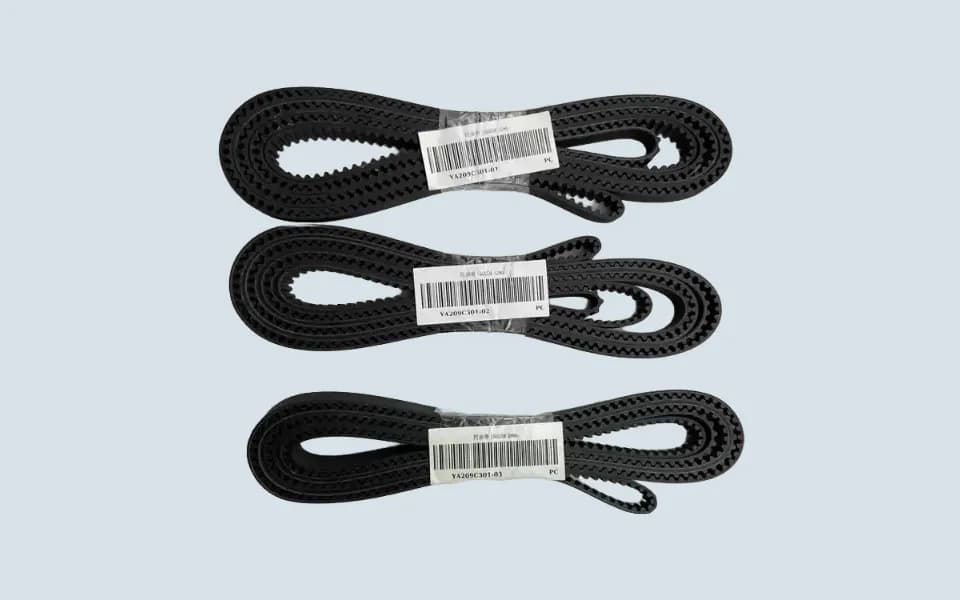
150S5M2860, 2980, 3280, 3580 (YA209C301-01 / 02 / 03) Mitsubishi Elevator Door Operator Belt
150S5M2860 150S5M2980 150S5M3280 150S5M3580 YA209C301-01 YA209C301-02 YA209C301-03
Please add the quotation and send it to us and get in touch with us immediately
- Global service 24/7
- Lowest price for all products
- Best quality with Production Process
- After-Sale Warranty
- Technical Support
Description
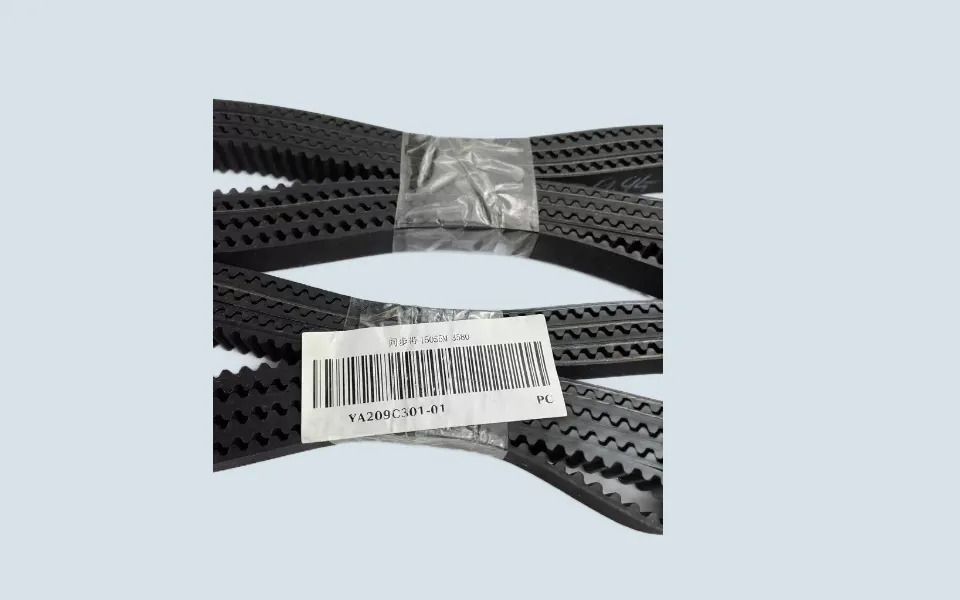
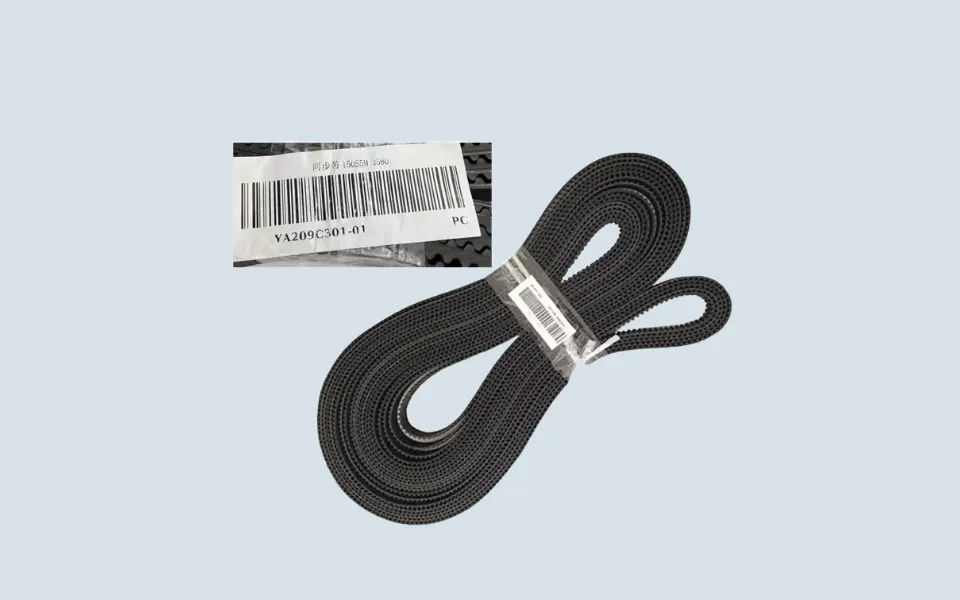
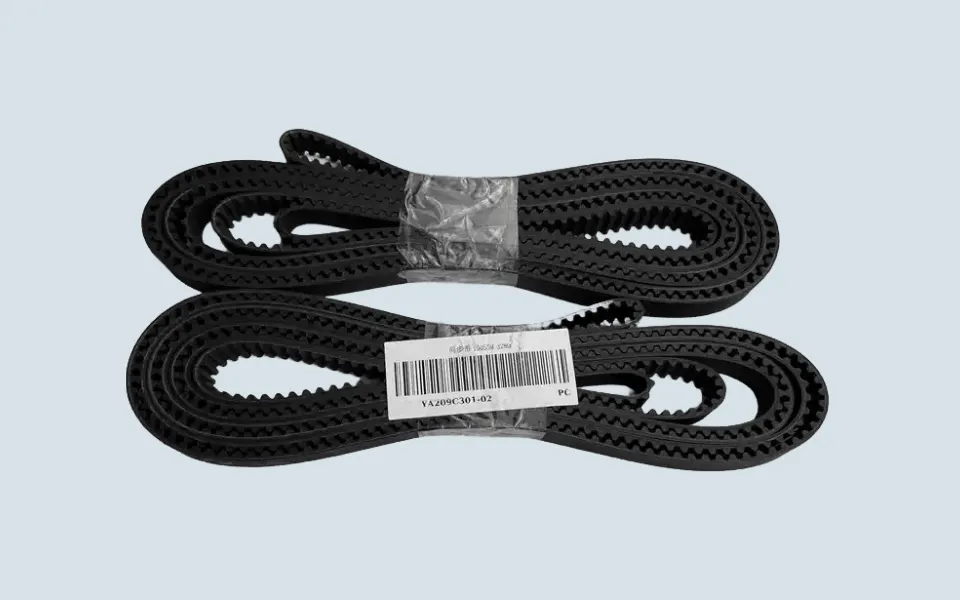
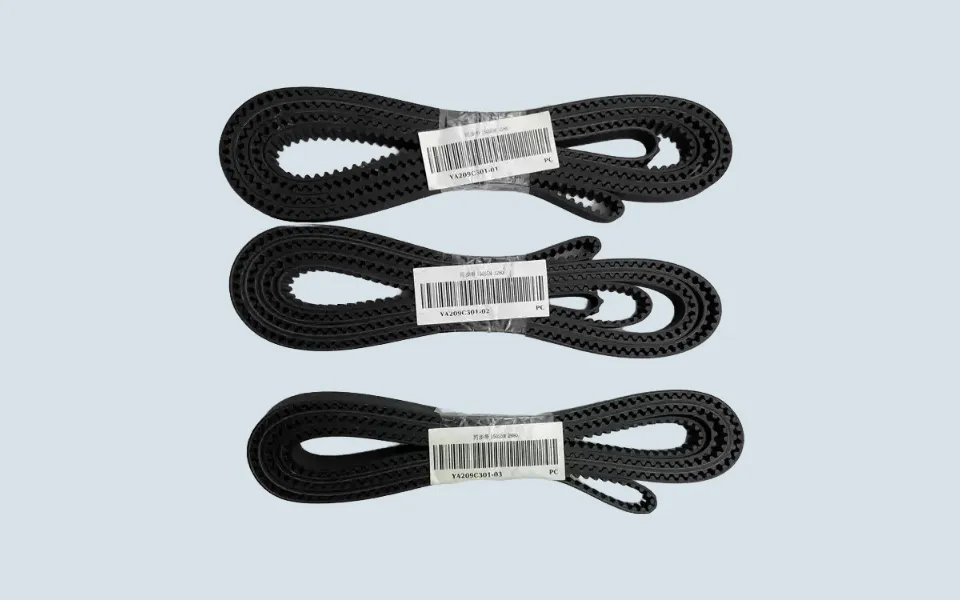
Mitsubishi Elevator Door Operator Belt — Models 150S5M2860, 2980, 3280, 3580 (YA209C301-01 / 02 / 03)
150S5M2860, 150S5M2980, 150S5M3280, and 150S5M3580 are synchronous timing belts commonly used in Mitsubishi elevator door operator systems.
These belts are designed to transmit motion accurately between the door motor and door mechanism, helping maintain synchronized opening and closing performance during daily elevator operation. Common part numbers include YA209C301-01, YA209C301-02, and YA209C301-03.
They are commonly associated with:
- Mitsubishi door operators
- synchronous door drive systems
- center-opening door mechanisms
- door motor transmission assemblies
- elevator door synchronization systems
- 150S5M2860
- 150S5M2980
- 150S5M3280
- 150S5M3580
- YA209C301-01
- YA209C301-02
- YA209C301-03
Common Field Situation
In office buildings, hotels, and residential towers, door systems perform thousands of operating cycles every month.
Over time, technicians may inspect the door belt when noticing:
- inconsistent door opening speed
- door closing delays
- belt tooth wear
- door synchronization issues
- abnormal vibration during door travel
Unlike controller faults, these symptoms often develop gradually and may first appear as minor changes in door movement quality.
Why Timing Belts Are Important
A synchronous belt does more than simply transfer motion.
It helps maintain:
- accurate door positioning
- smooth acceleration and deceleration
- synchronized panel movement
- stable opening and closing cycles
- reduced mechanical shock loads
When belt wear increases, door operation may become less precise, especially in elevators with heavy daily traffic.
System Relationship
These belt models typically work together with:
- door motors
- door controllers
- encoder systems
- hanger rollers
- door operator pulleys
If one component becomes worn, the entire transmission system may experience increased stress.
For this reason, experienced technicians often inspect the complete door operator assembly rather than focusing on a single part.
Practical Maintenance Notes
In modernization projects, maintenance teams sometimes replace the timing belt together with:
- pulley assemblies
- door rollers
- hanger mechanisms
- encoder couplings
This approach helps restore door operating accuracy and reduces the likelihood of recurring service calls.
In some older installations, belt tension adjustment can be just as important as belt replacement itself.
FAQ
Why does an elevator door lose synchronization?
In some Mitsubishi systems, belt wear, pulley wear, or incorrect tension may affect the synchronization of door movement.
Can a worn timing belt cause door closing problems?
Yes. Reduced transmission accuracy may lead to slower response, inconsistent travel, or irregular door operation.
Why are different S5M belt lengths available?
Different Mitsubishi door operators use different belt lengths depending on door width, opening configuration, and operator design.
Installation Notes
Before replacement:
- verify the correct S5M belt specification
- confirm belt length and width requirements
- inspect pulley alignment
- adjust belt tension according to the operator configuration
Different Mitsubishi door operator generations may use similar-looking belts with different lengths and mounting arrangements.