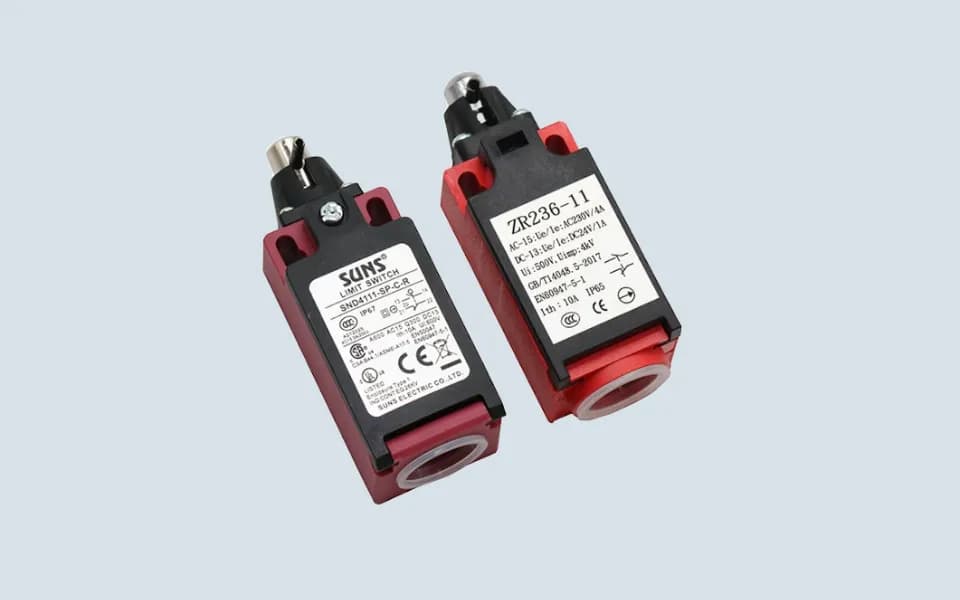
ZR236 TR236 SND4111-SP-C-R
ZR236 TR236 SND4111-SP-C-R
Please add the quotation and send it to us and get in touch with us immediately
- Global service 24/7
- Lowest price for all products
- Best quality with Production Process
- After-Sale Warranty
- Technical Support
Description
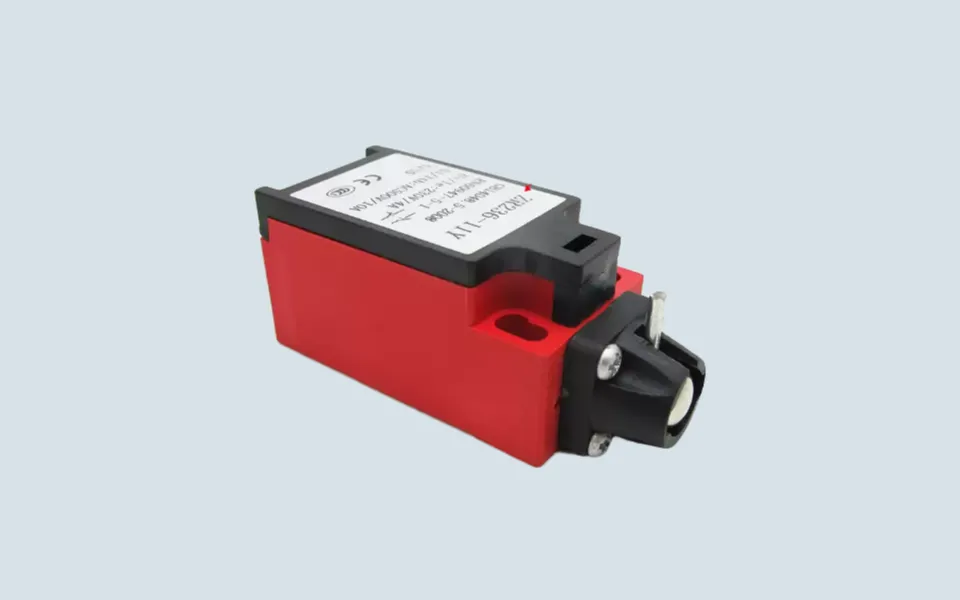
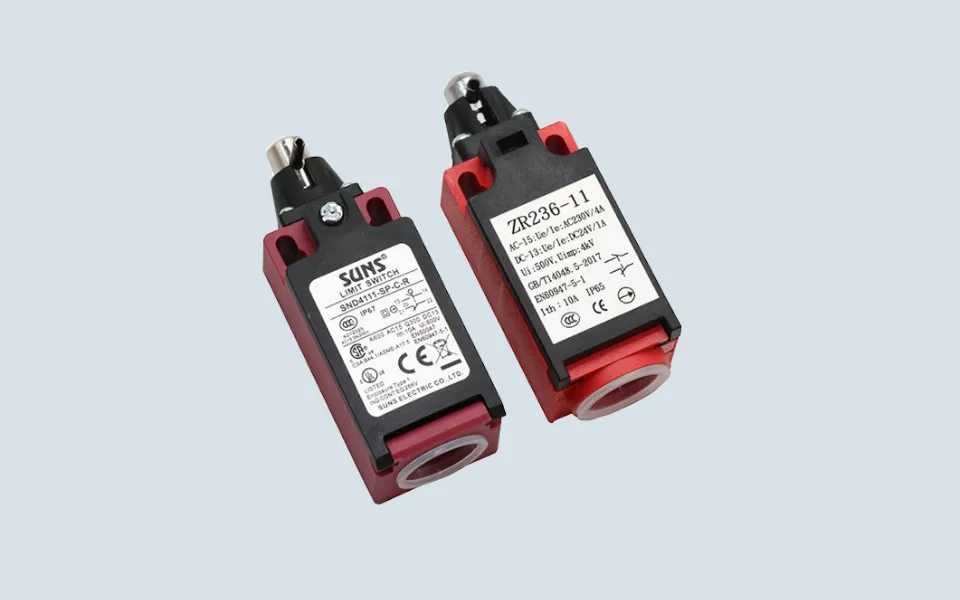
ZR236 TR236 SND4111-SP-C-R
Elevator Limit Switch for Safety and Position Monitoring
Product Introduction
The ZR236 TR236 SND4111-SP-C-R series are elevator limit switches used in elevator and escalator safety monitoring systems. These switches are commonly installed in tension devices, safety linkage mechanisms, and movement monitoring positions where reliable mechanical triggering and position detection are required.
In modernization and maintenance projects across regions such as Poland, Egypt, and Chile, this type of switch is frequently used in systems requiring stable travel detection and safety response during continuous operation.
The models are commonly associated with:
- elevator limit monitoring
- tension wheel systems
- escalator safety linkage
- travel position detection
- mechanical safety triggering systems
Model Difference Overview
Although the three models are often discussed together, their reset structures are different.
| Model | Main Feature |
|---|---|
| SND4111-SP-C-R | Original standard configuration |
| ZR236 | Manual reset structure |
| TR236 | Automatic reset structure |
Some suppliers also describe ZR236 as a manual-reset alternative and TR236 as an automatic-reset alternative for compatible elevator applications.
Function in Elevator Systems
These limit switches mainly support:
- mechanical travel detection
- safety position monitoring
- abnormal movement response
- tension device monitoring
- operational safety protection
Stable switch triggering is important for maintaining safe elevator and escalator operation.
Application Scenarios
This type of limit switch is commonly found in:
- elevator tension systems
- escalator safety systems
- travel monitoring mechanisms
- modernization projects
- maintenance replacement work
In heavy-use commercial environments, stable limit switch performance is important for long-term reliability.
Why Reset Structure Matters
One important difference between the ZR and TR series is the reset behavior.
Manual Reset (ZR236)
The manual-reset structure is commonly used in systems where technicians need to manually confirm and restore operation after triggering.
This configuration is often associated with:
- higher safety confirmation requirements
- maintenance inspection procedures
- controlled restart conditions
Automatic Reset (TR236)
The automatic-reset structure allows the switch to return automatically after the triggering condition is removed.
This design is commonly used where:
- continuous operation is required
- automatic recovery is preferred
- rapid operational restoration is important
Mechanical Characteristics
The switch series is commonly associated with:
- compact industrial switch structure
- stable mechanical triggering
- long operational cycle capability
- suitability for elevator safety systems
Proper installation positioning is important for reliable triggering performance.
Common Maintenance Situations
Technicians may inspect or replace the switch when:
- abnormal triggering occurs
- safety monitoring becomes unstable
- mechanical response becomes inconsistent
- wear affects switching accuracy
In some escalator maintenance projects, tension wheel monitoring switches are considered routine inspection components.
Practical Notes
From a field maintenance perspective:
- reset type should match the original system design
- switch positioning affects trigger accuracy
- improper installation may influence safety response behavior
Correct switch selection is important for maintaining operational reliability.
Frequently Asked Questions
What is the SND4111-SP-C-R used for?
It is mainly used for elevator and escalator safety monitoring and travel detection.
What is the difference between ZR236 and TR236?
ZR236 usually uses manual reset, while TR236 uses automatic reset structures.
Why are these switches important?
Because they help monitor movement conditions and support safety protection functions.