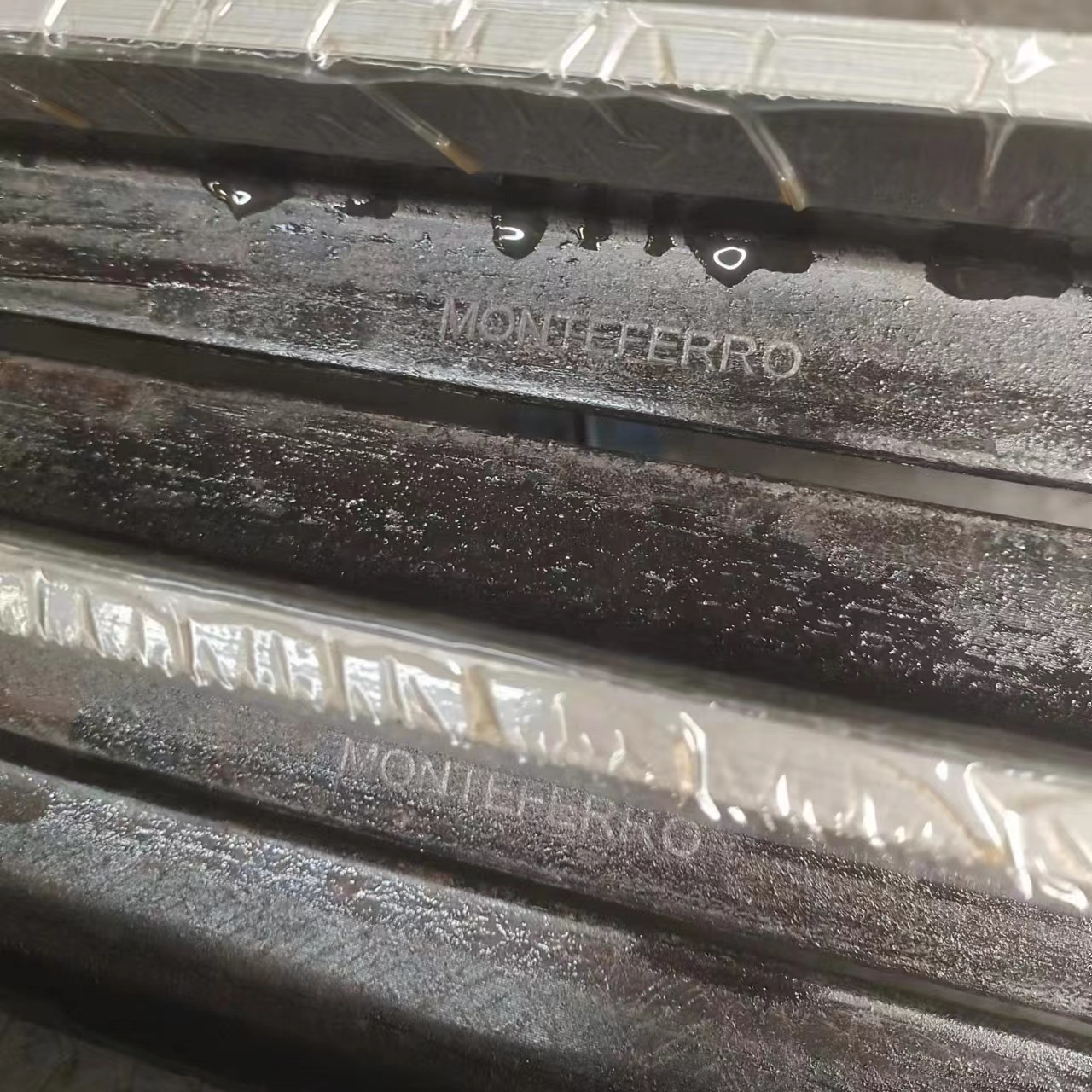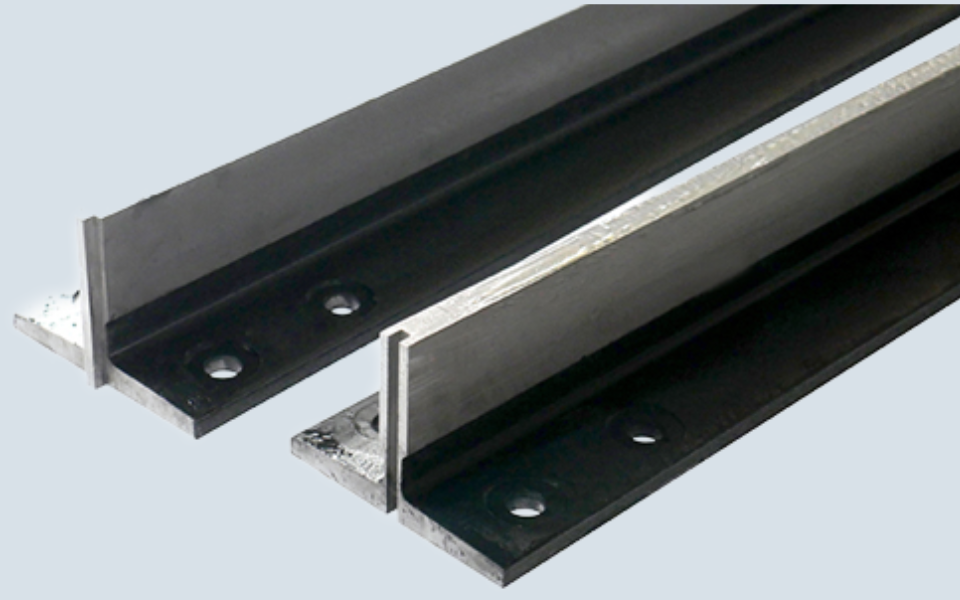
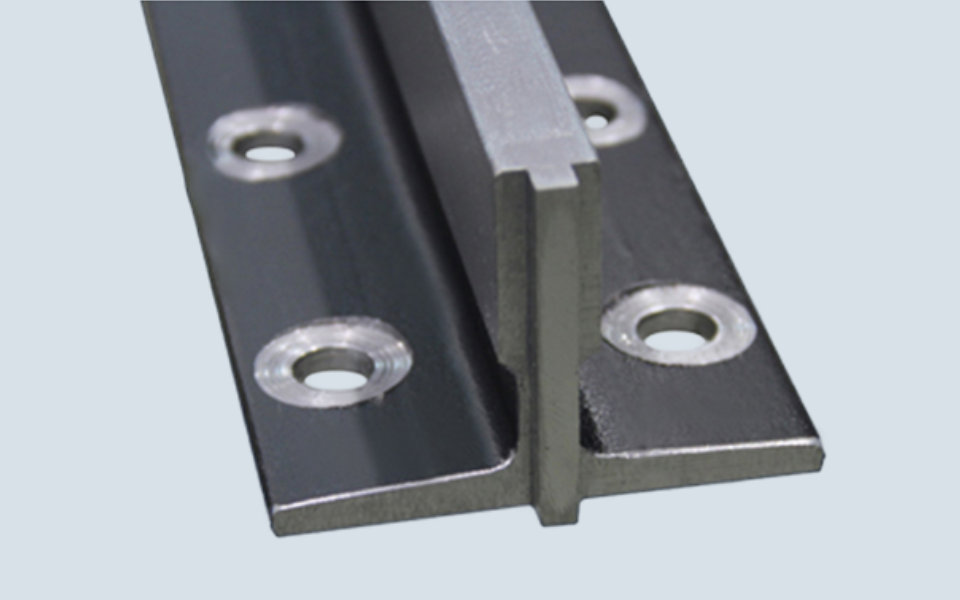
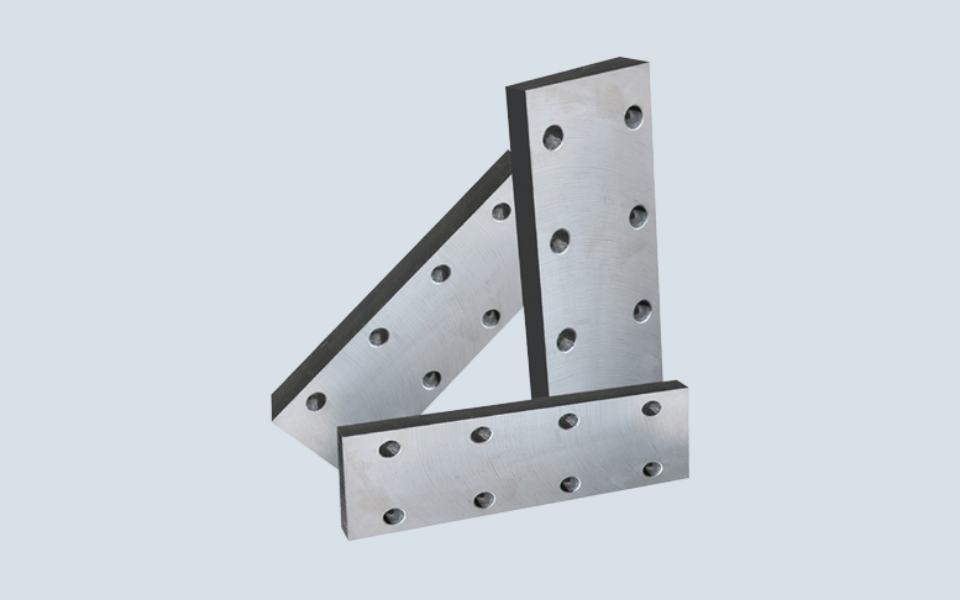
Monteferro Guide Rails
5mm 9mm 16mm
Please add the quotation and send it to us and get in touch with us immediately
- Globle service 24/7
- Lowest price for all products
- Best quality with Production Process
- After-Sale Warranty
- Technical Support
Monteferro Guide Rails Specification:
- T45/A(45*45*5mm)
- T50/A(50*50*5)
- T70/A(70*65*9)
- T70/B(70*65*9)
- T82/B(82*68*9)
- T89/B(89*62*16)
- T90/B(90*75*16)
Monteferro Guide Rails
Reliable Elevator Guide Rail Solutions for Passenger and Freight Lift Systems
Product Overview
Monteferro guide rails are widely used in elevator installations where stable car guidance, smooth ride quality, and long-term structural reliability are required. As one of the most recognized names in elevator guide rail manufacturing, Monteferro offers a broad guide rail range for passenger elevators, freight lifts, heavy-duty applications, and high-speed projects. According to the manufacturer’s public information, the range includes cold drawn rails, machined guide rails, high-speed guide rails, light guide rails, and guide rail accessories.
In practical elevator applications, guide rails are not only structural running elements. They are also directly related to car stability, counterweight guidance, ride comfort, installation precision, and long-term maintenance performance. Choosing the correct guide rail specification is essential for both new projects and modernization work.
Product Range and Rail Types
Monteferro publicly describes several main guide rail categories.
Cold Drawn Guide Rails
Cold drawn guide rails are generally used for lower-speed elevator applications and average load capacity. Monteferro states that its cold drawn range covers approximately 3 kg/mt to 14 kg/mt, mainly for applications below 2 m/s.
These rails are commonly selected where:
-
compact passenger lifts are used
-
average load conditions apply
-
cost efficiency is important
-
standard-speed installations are sufficient
Machined Guide Rails
Monteferro also supplies machined guide rails for heavier and more demanding applications. The official range is stated as approximately 8 kg/mt to 50 kg/mt, intended for high load, high speed, and special applications.
Machined rails are often preferred when projects require:
-
higher running precision
-
improved ride comfort
-
heavier-duty lifting performance
-
more demanding alignment requirements
High Speed Guide Rails
For high-speed elevator systems, Monteferro indicates that it offers solutions based on ISO, JIS and other standards, as well as customer-specific standards, with reduced tolerances for ride comfort and speeds from around 4 m/s to over 10 m/s.
Light Guide Rails
Monteferro also highlights its patented light guide rail concept as a more sustainable and competitive solution intended to reduce material usage while maintaining technical performance.
Guide Rail Accessories and System Integration
Guide rails do not work as isolated components. Their long-term performance depends on proper matching with fishplates, clips, fastening systems, and rail mounting structure. Monteferro publicly notes that it supplies fishplates according to international and customer-specific standards, including special application fishplates and fastening systems for demanding installations.
In practice, guide rail system performance is influenced by:
-
rail straightness and dimensional accuracy
-
joint quality and fishplate selection
-
fastening and bracket arrangement
-
shaft condition and installation tolerance
-
compatibility with hoistway structure
For this reason, guide rail supply should be considered as part of a larger shaft mechanics solution rather than only as a standalone product.
Application Scenarios
Monteferro guide rails are suitable for a wide range of elevator projects, including:
-
passenger elevators in residential towers
-
commercial office buildings
-
freight elevators
-
hospital elevators
-
modernization projects
-
high-rise and high-speed installations
-
special load and custom shaft applications
For buyers, contractors, and maintenance companies, rail selection should be based on load, speed, shaft design, and installation standard rather than only on section size.
Technical Considerations When Selecting Guide Rails
When evaluating elevator guide rails, the following factors are typically important:
-
rail type: cold drawn, machined, or high-speed
-
section size and mass per meter
-
speed requirement
-
load requirement
-
ride comfort expectation
-
matching accessories and fastening system
-
applicable standard such as ISO, JIS, or project-specific requirements
Improper guide rail selection may affect installation accuracy, long-term wear behavior, and elevator running quality.
Why Buyers Look for Monteferro Guide Rails
Monteferro describes itself as a global guide rail and shaft mechanics supplier with a worldwide manufacturing network and long technical history dating back to the late 1940s. The company publicly emphasizes its global manufacturing footprint, shared manufacturing standards, and broad experience in guide rails and hoistway applications.
For many elevator projects, this matters because buyers are often looking for:
-
recognized guide rail quality
-
broad size availability
-
project-specific options
-
global supply capability
-
compatibility with international standards
Frequently Asked Questions
What types of guide rails does Monteferro offer?
According to Monteferro’s public product information, the company offers cold drawn guide rails, machined guide rails, high-speed guide rails, light guide rails, and guide rail accessories.
Are Monteferro guide rails suitable for high-speed elevators?
Yes. Monteferro states that its high-speed guide rails are offered for applications from around 4 m/s to over 10 m/s, depending on project requirements.
Do guide rails need matching accessories?
Yes. Rail performance depends heavily on fishplates, clips, fixing systems, and installation quality. Monteferro publicly lists guide rail accessories as part of its product offering.
What is the difference between cold drawn and machined guide rails?
Cold drawn rails are generally used for lower-speed and average load applications, while machined guide rails are more suitable for higher load, higher speed, and more demanding installations.
-
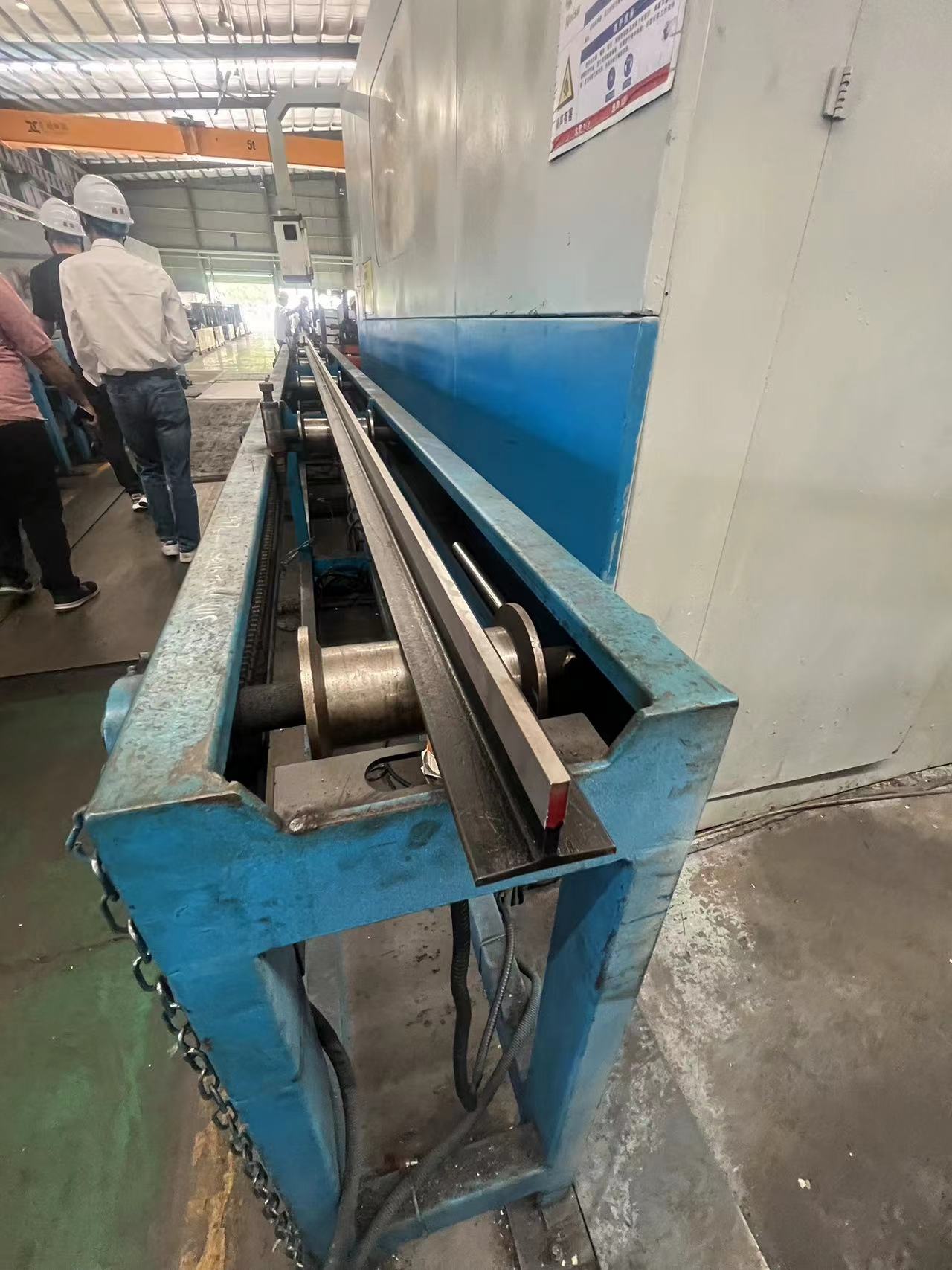
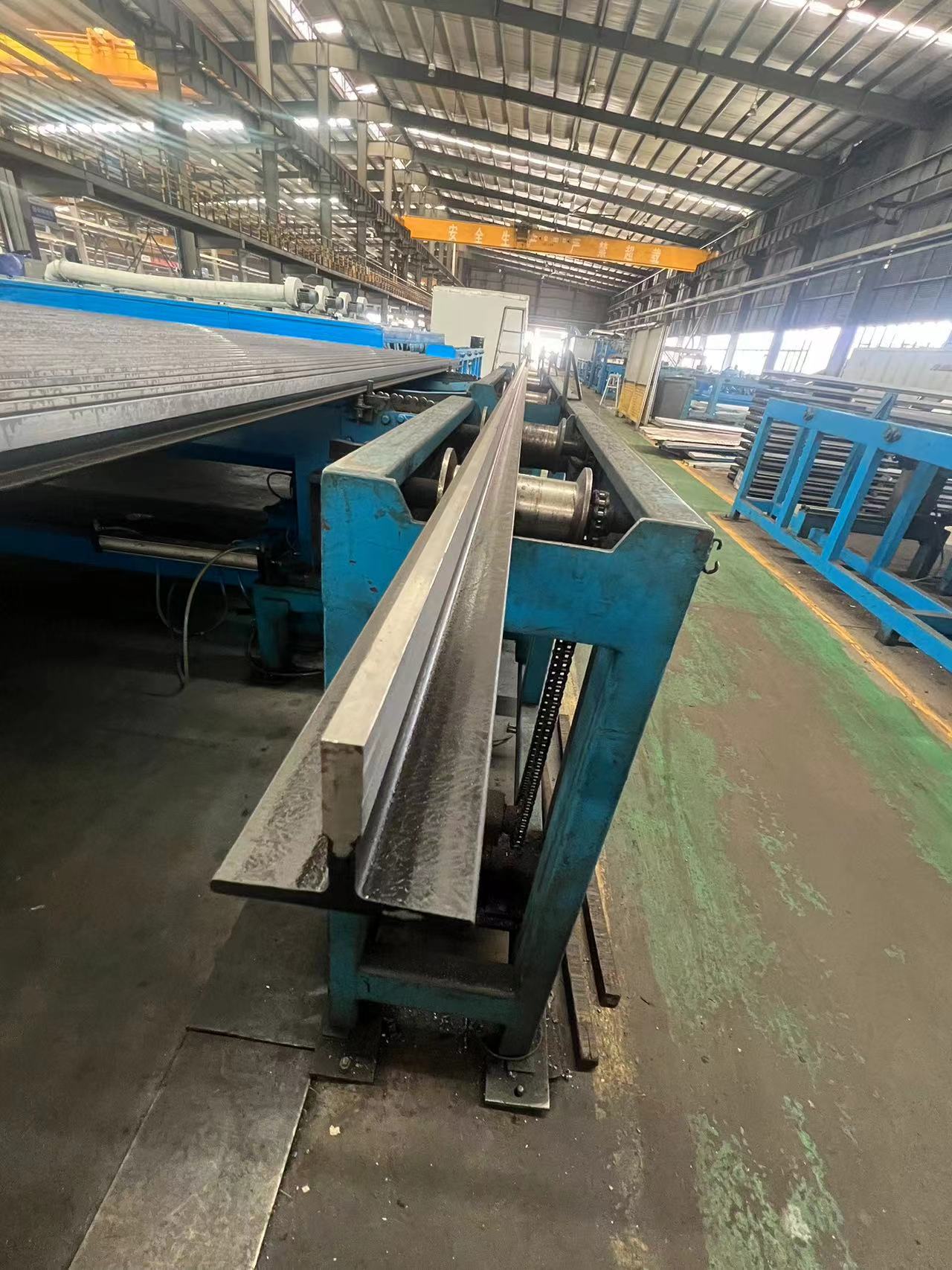
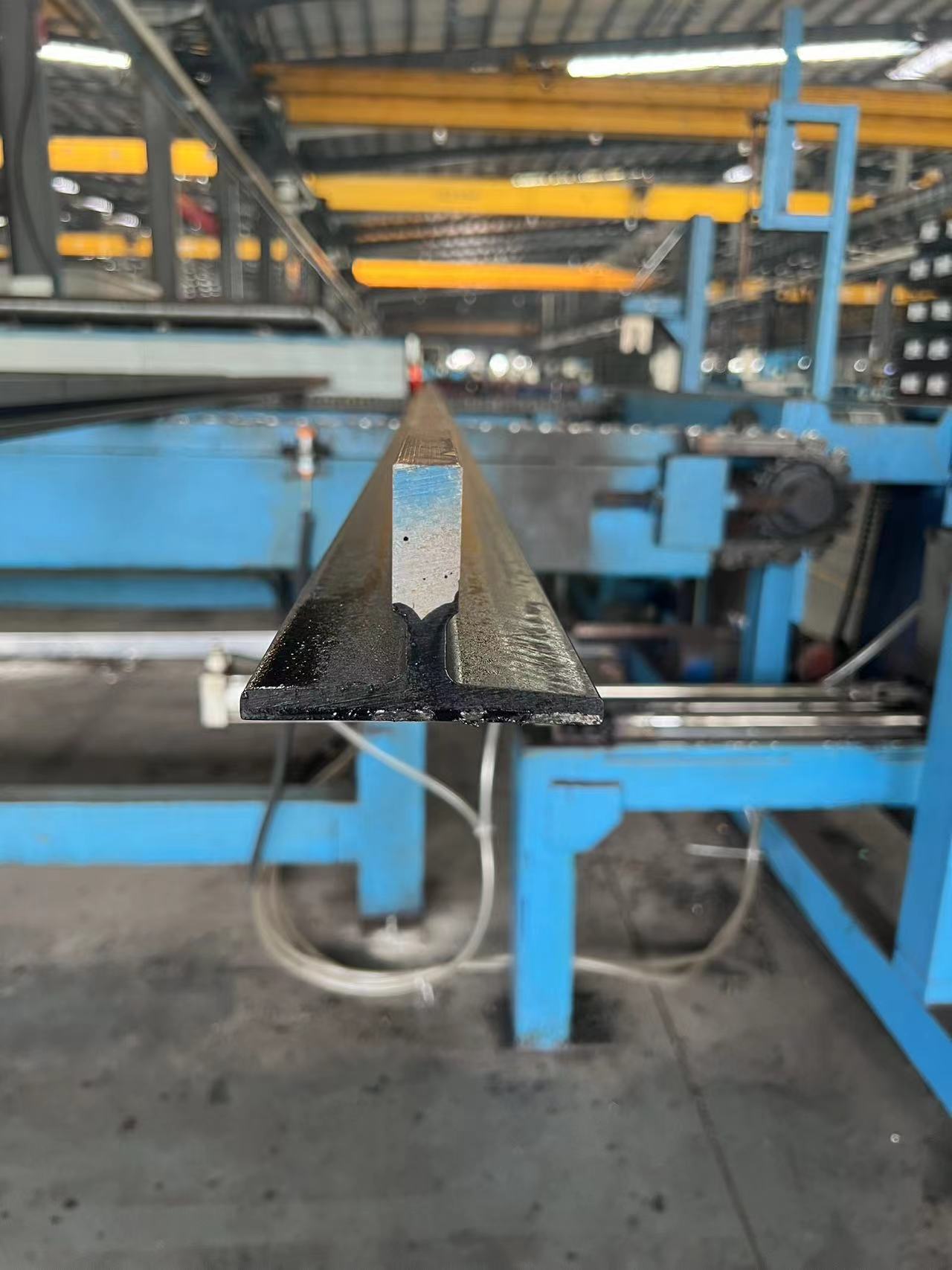
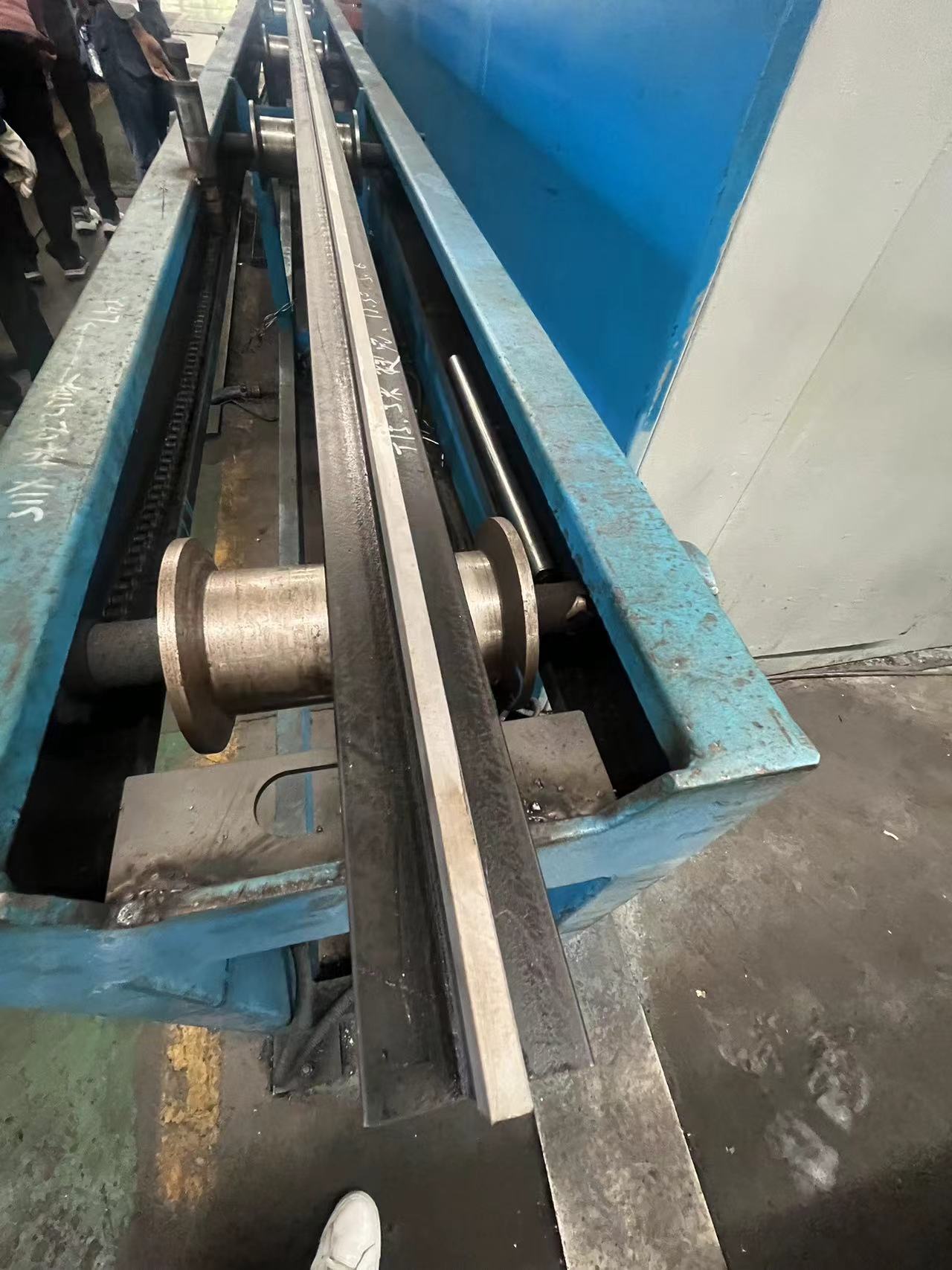
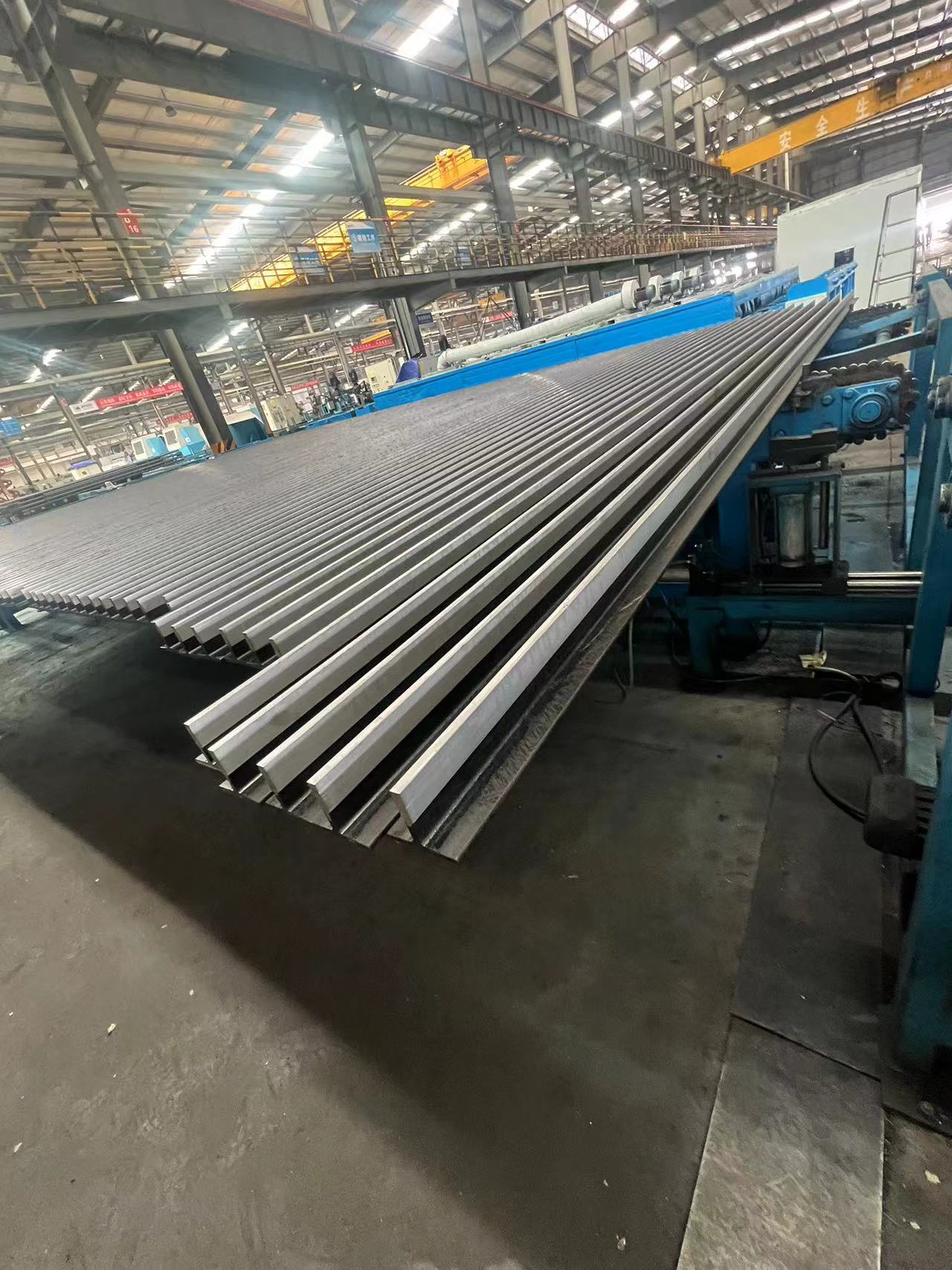
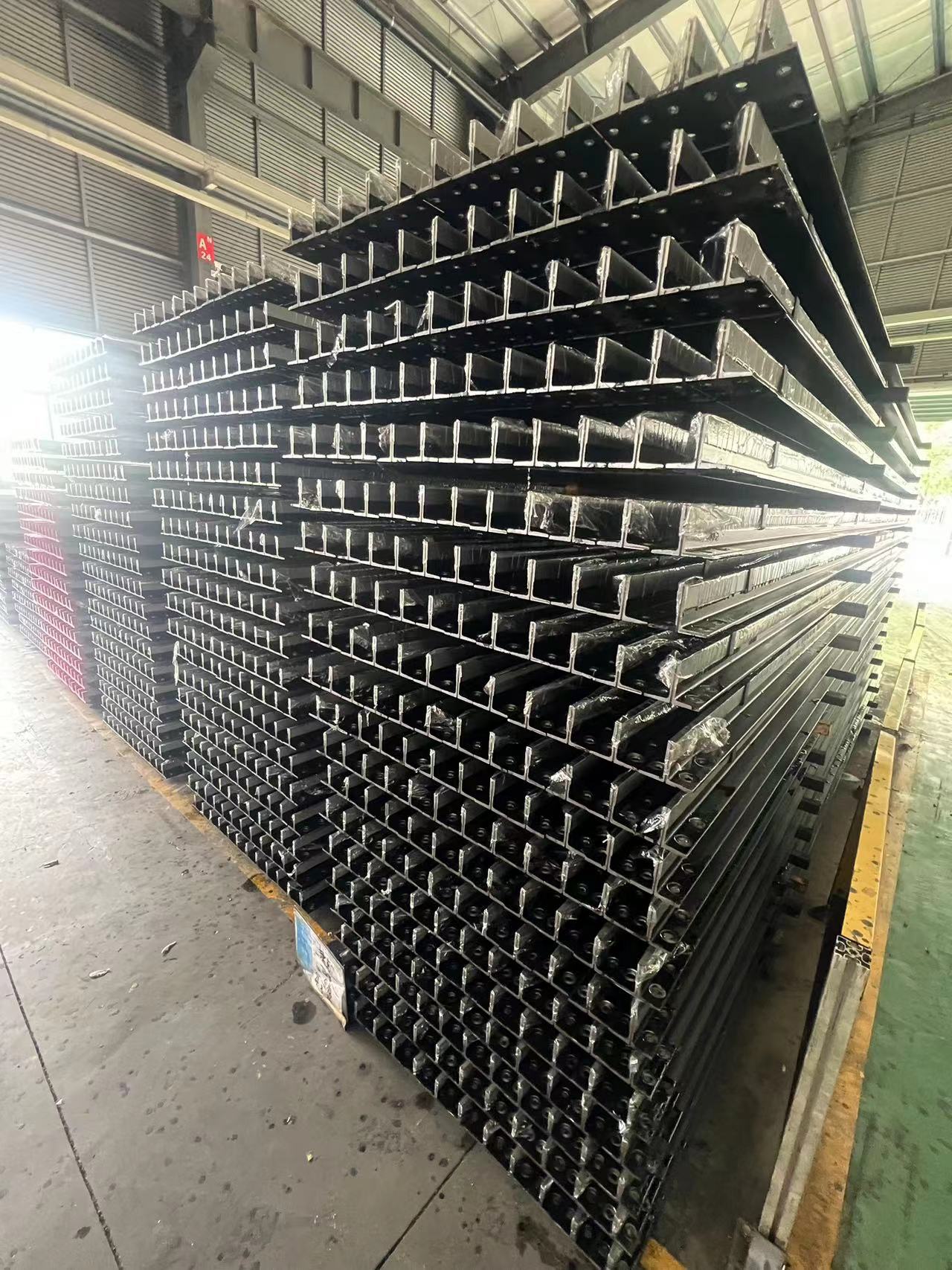
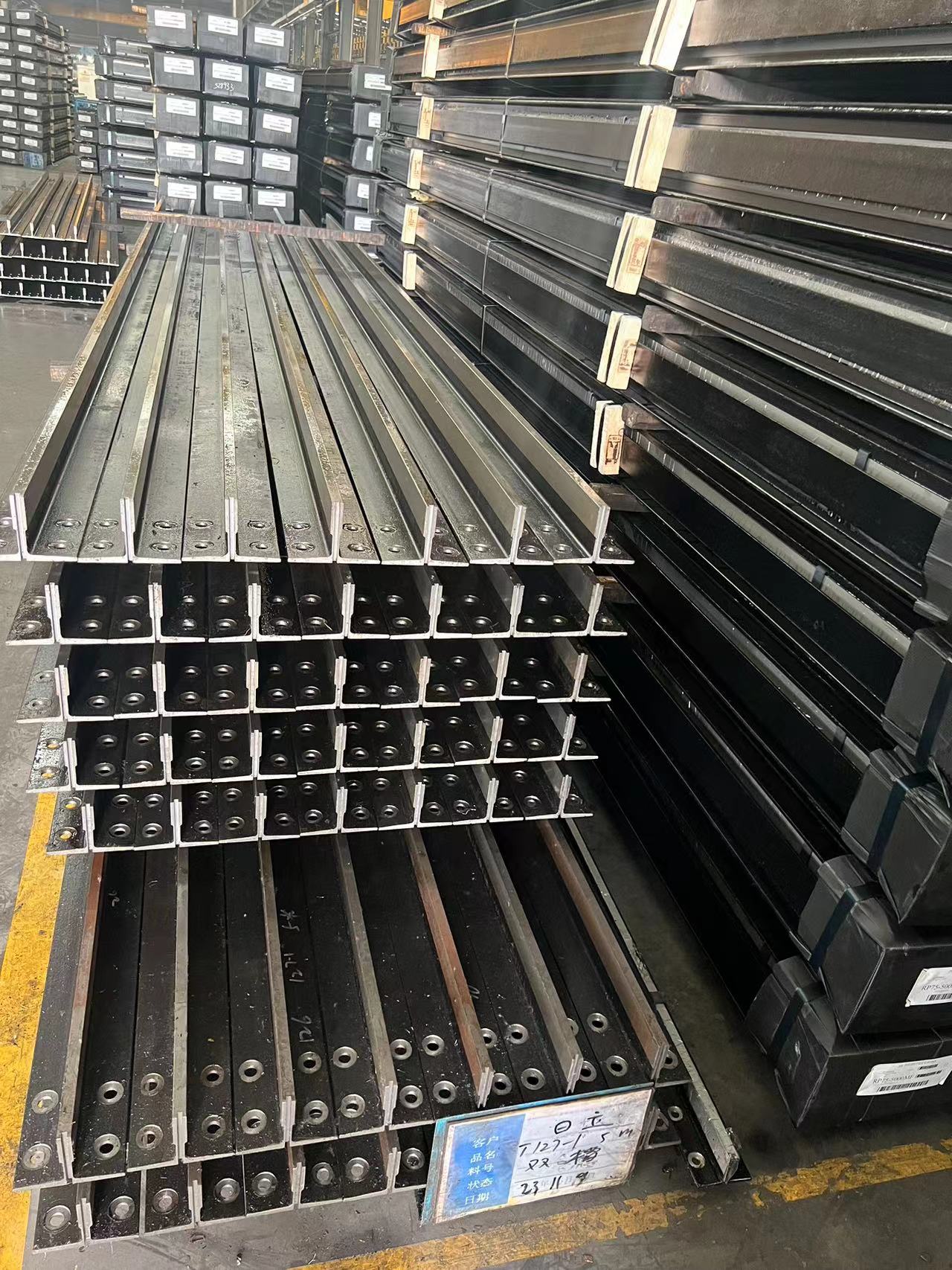
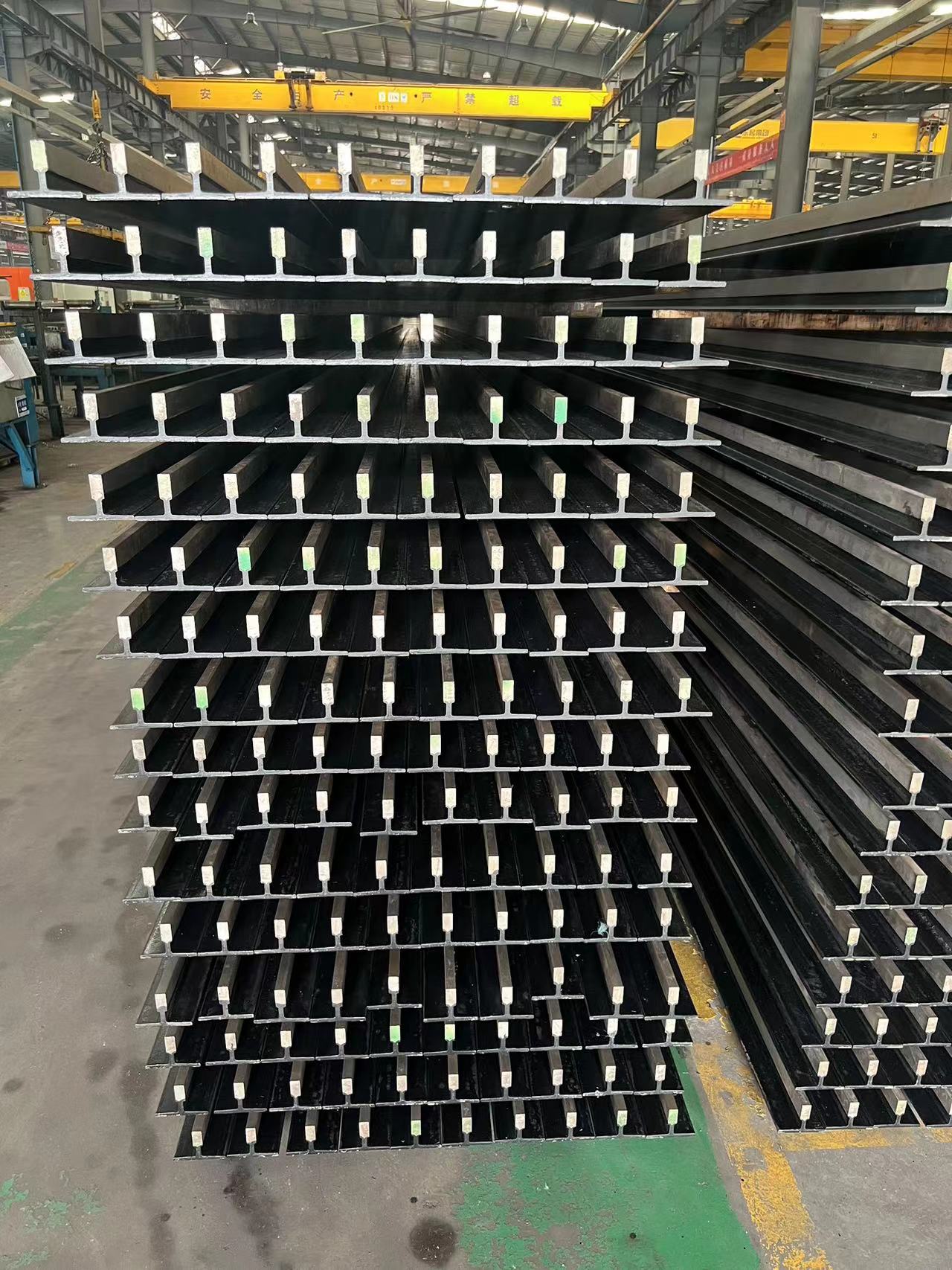
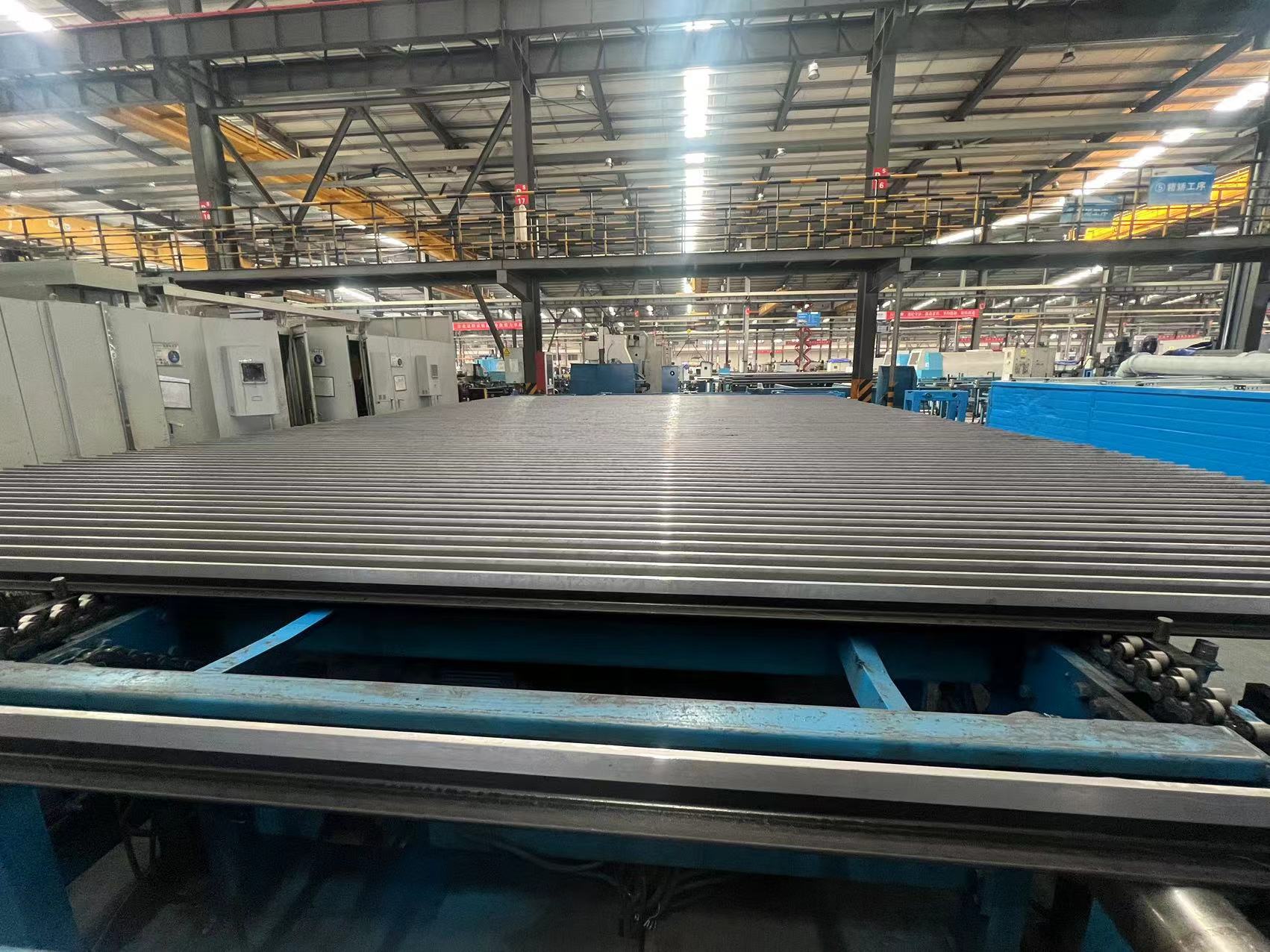
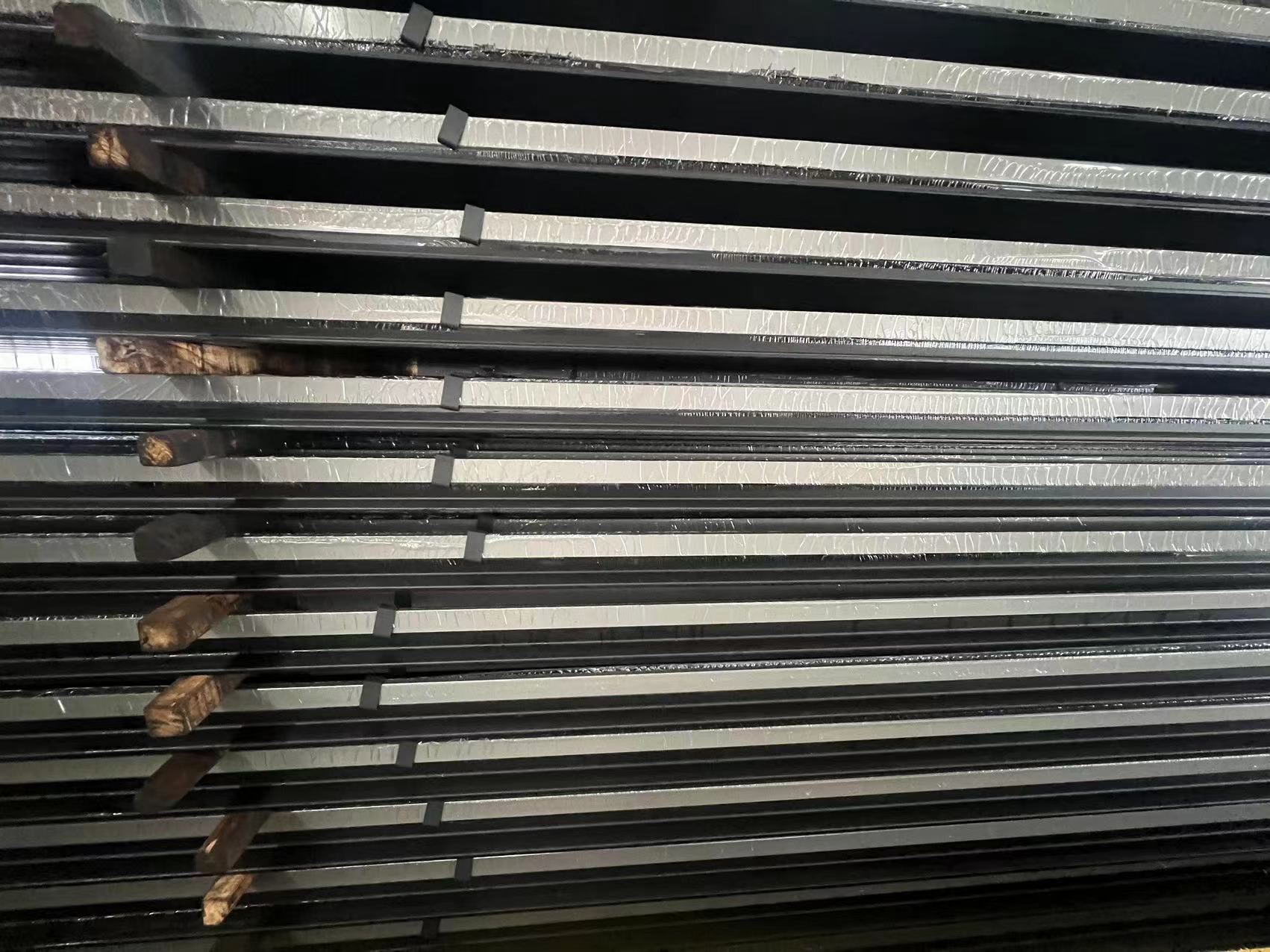
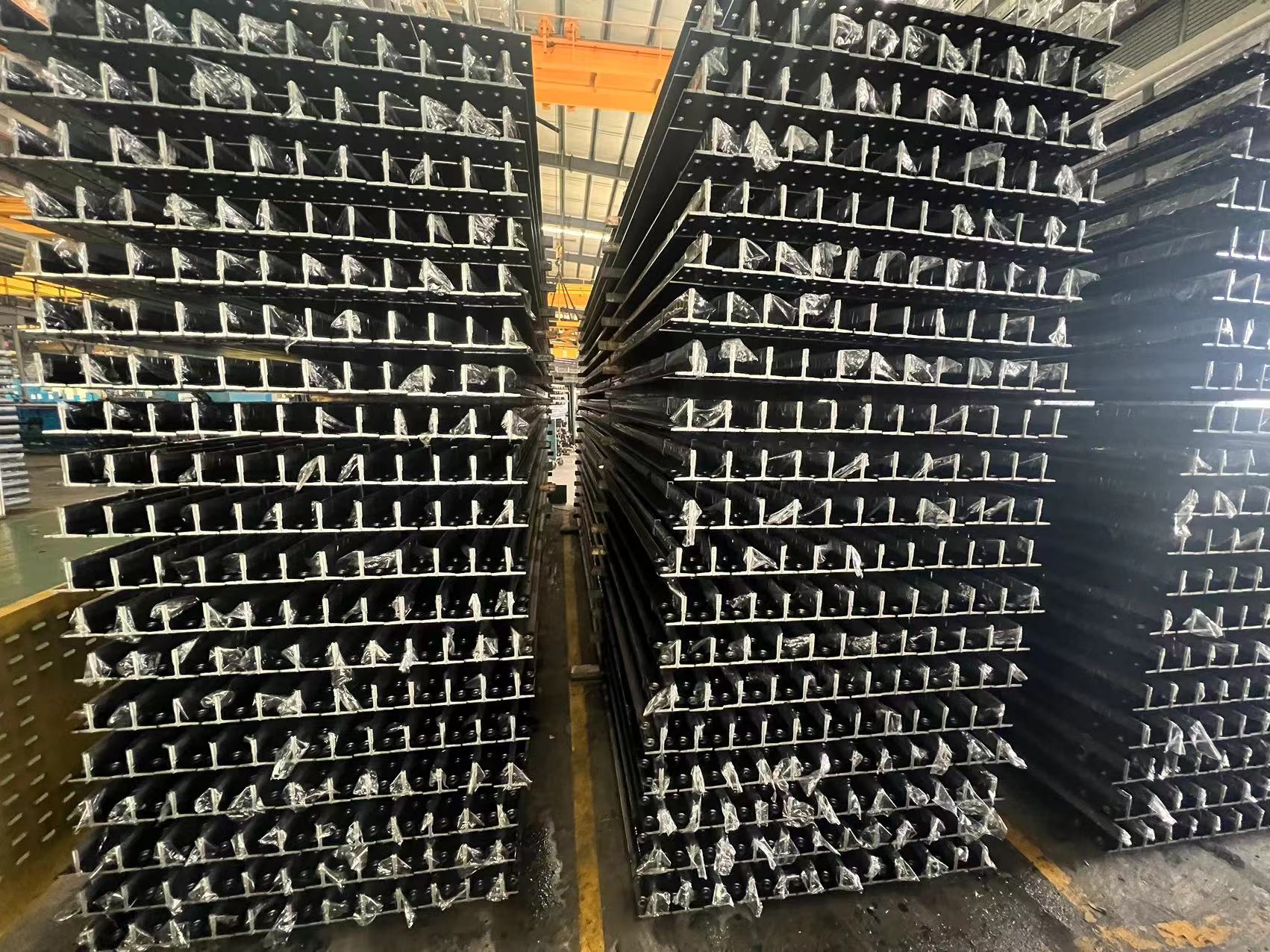
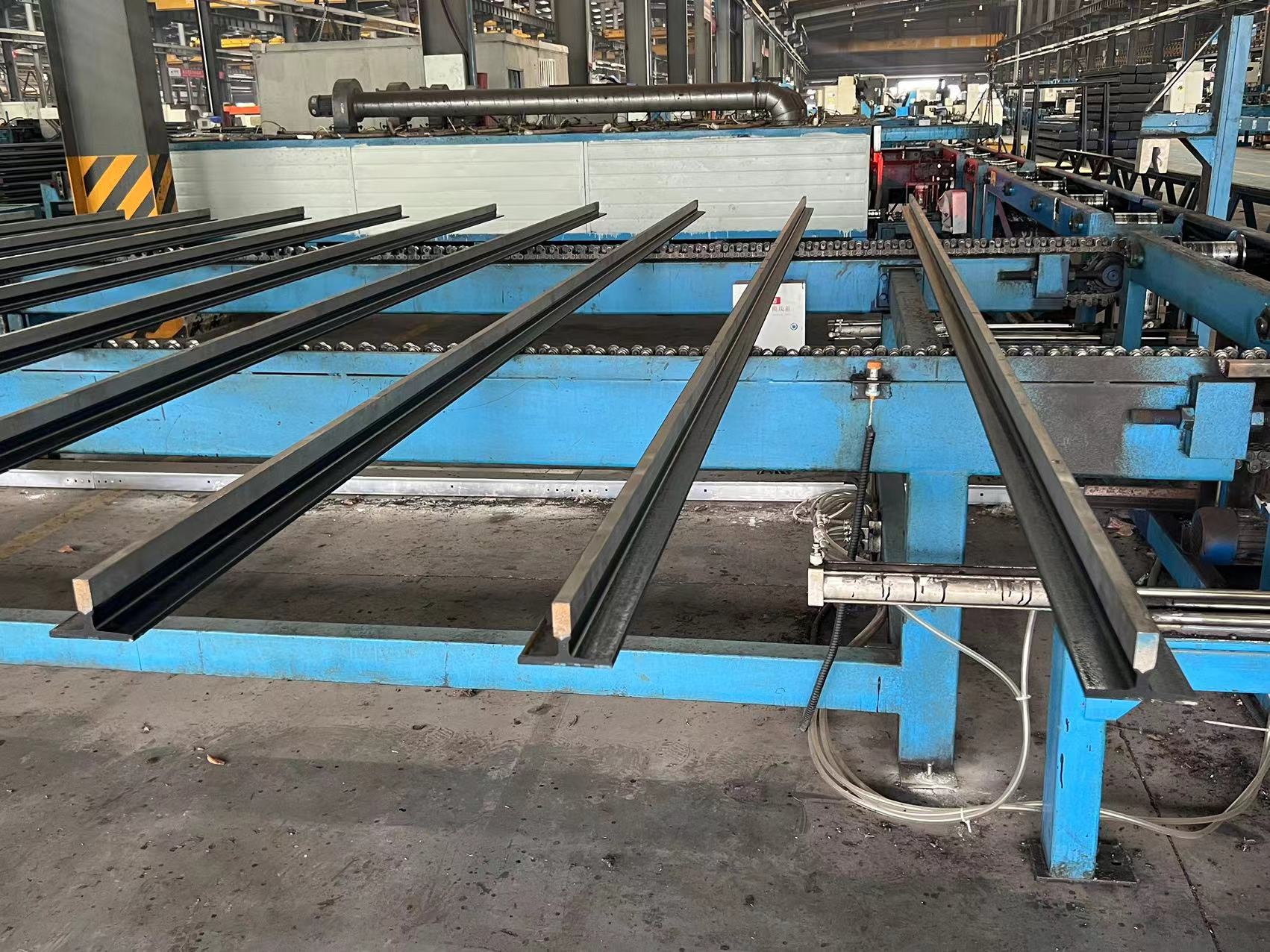
Workshop
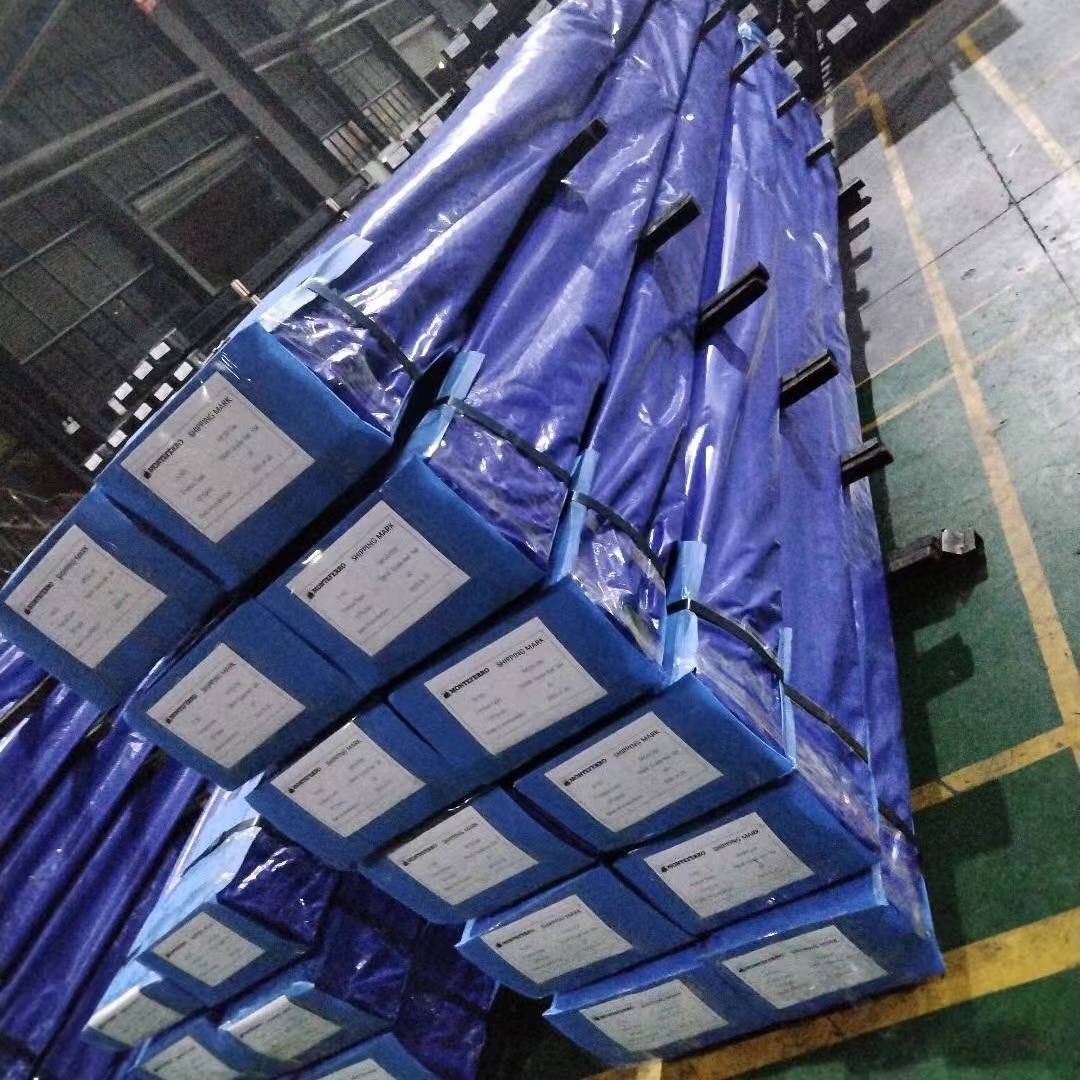
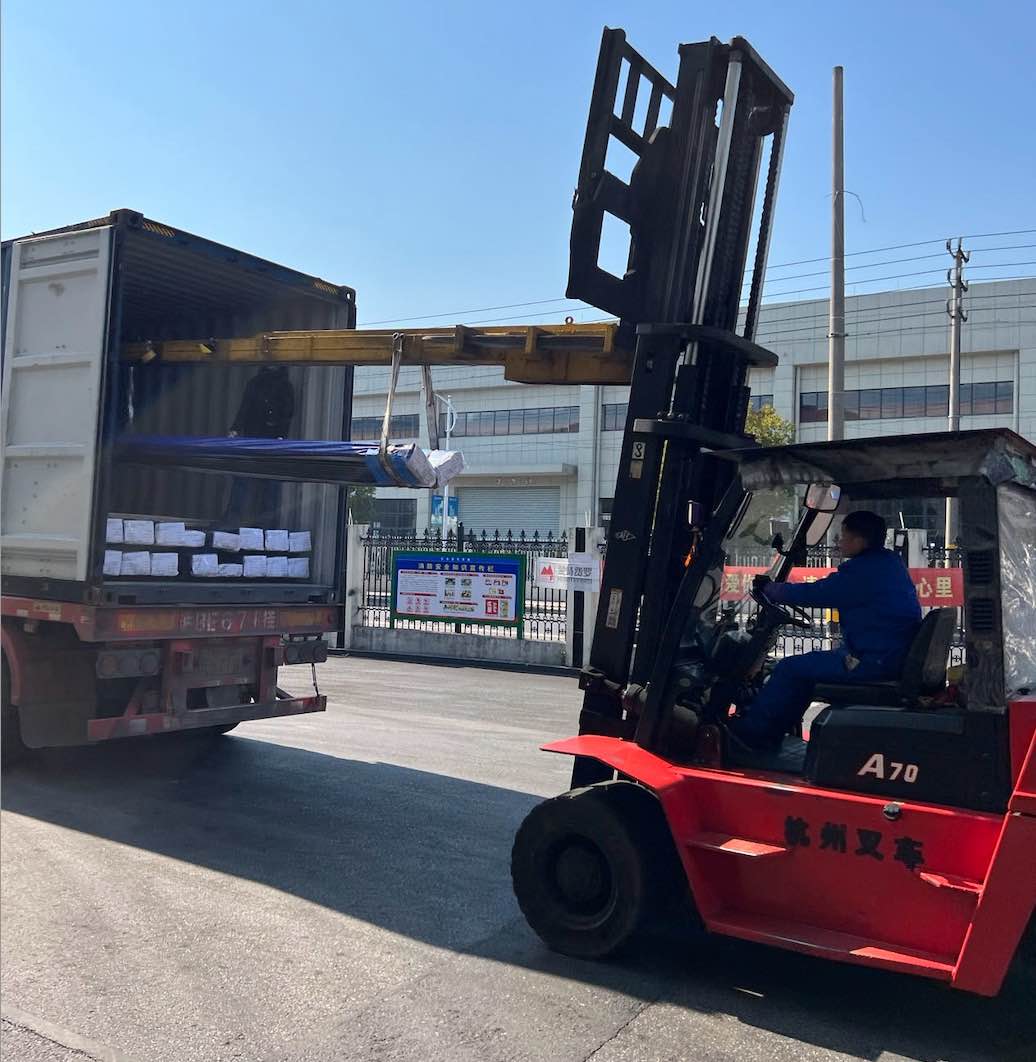
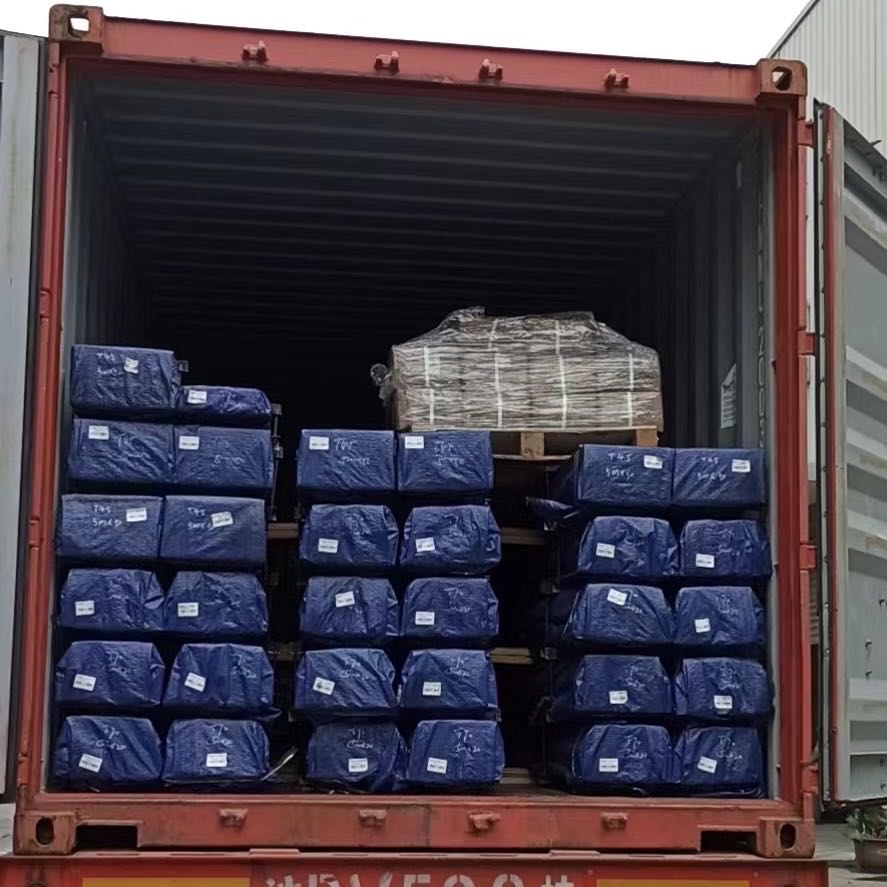
Packing and Shipping