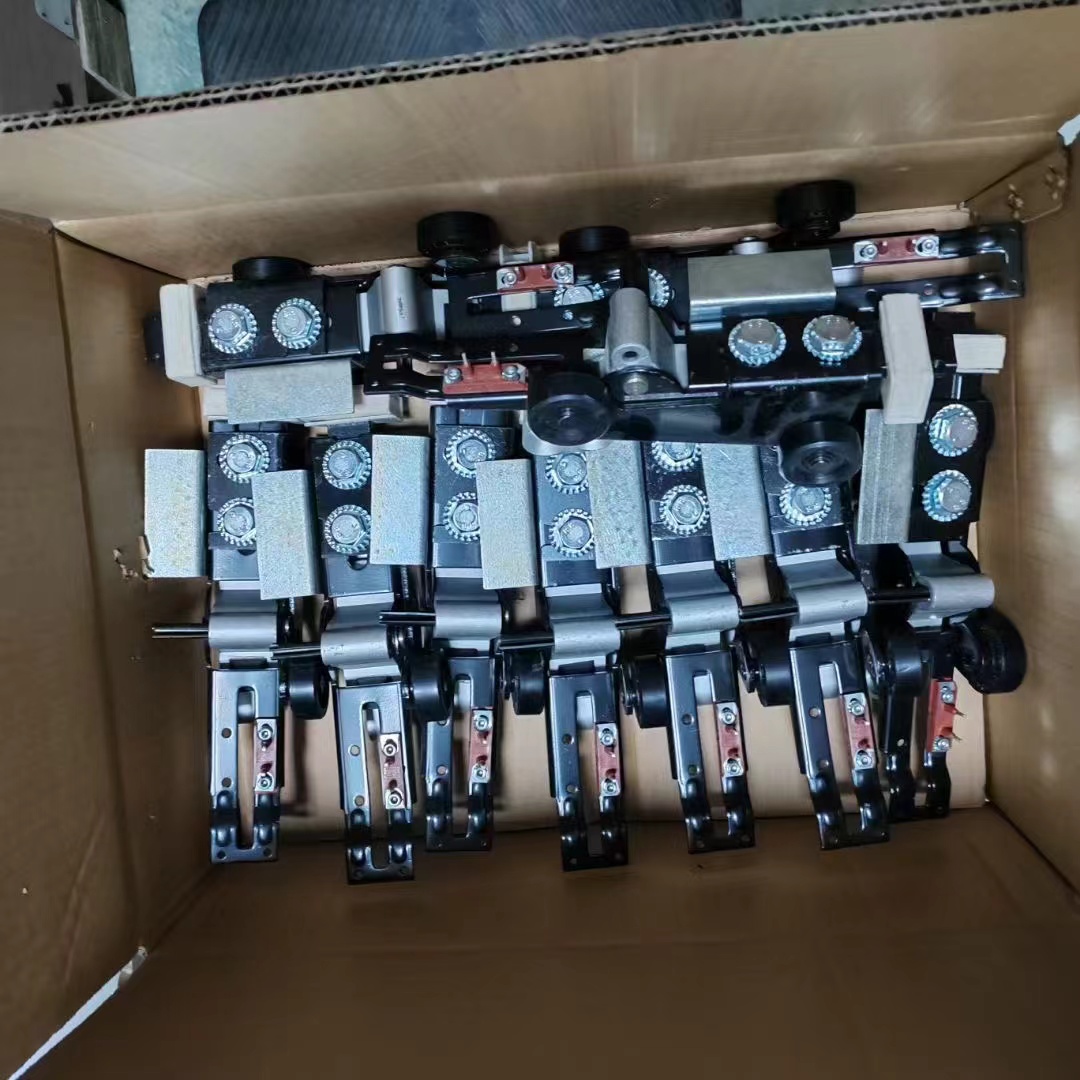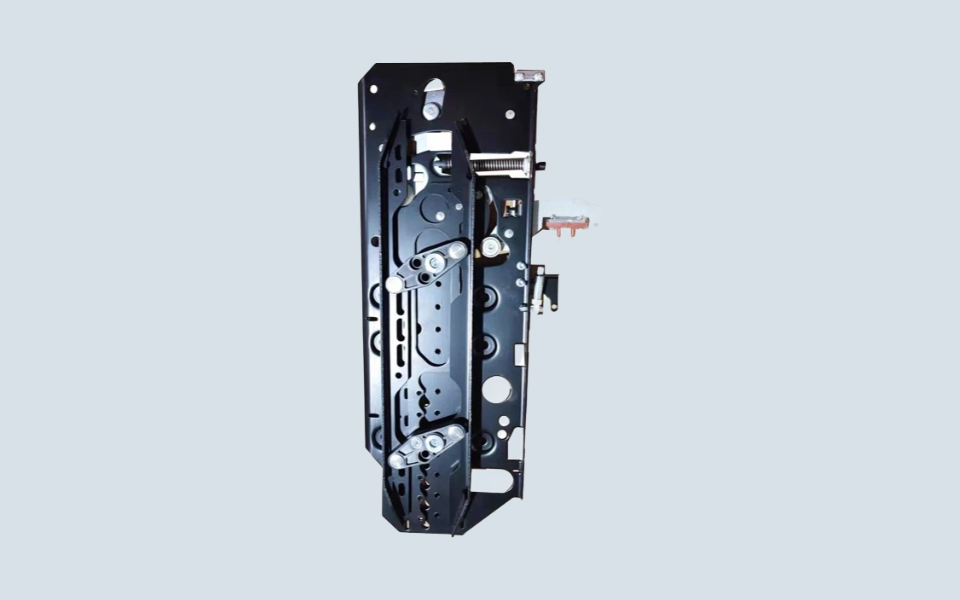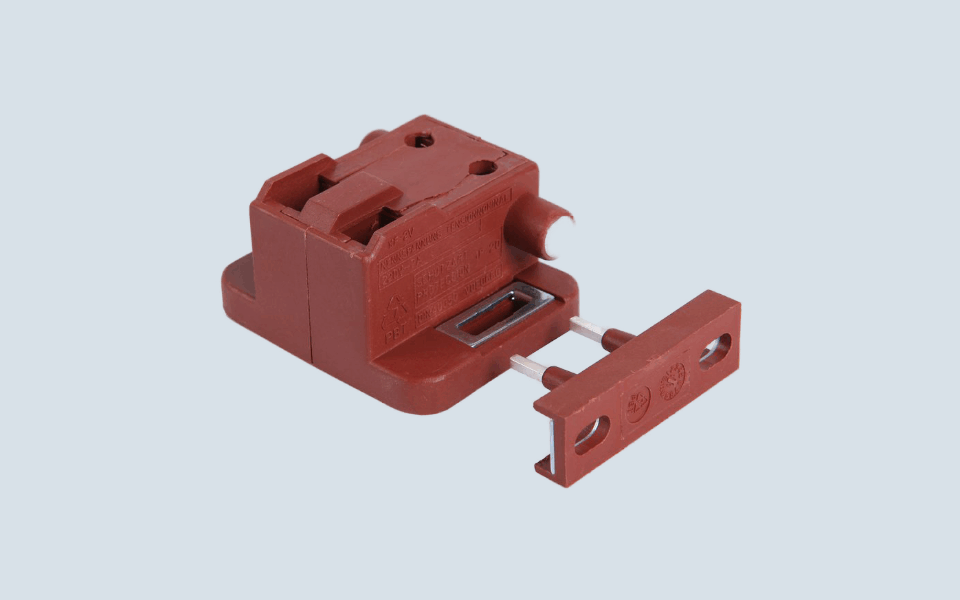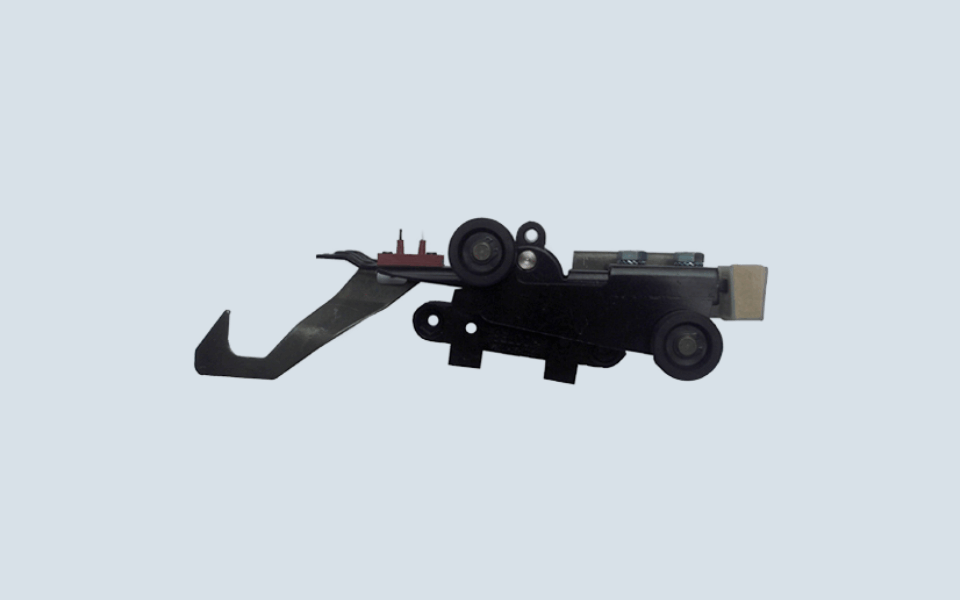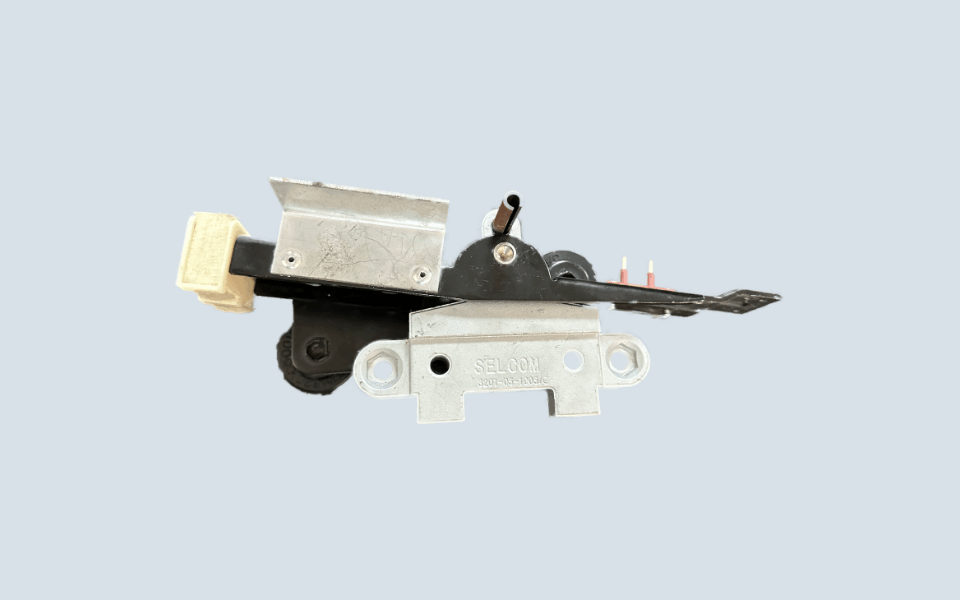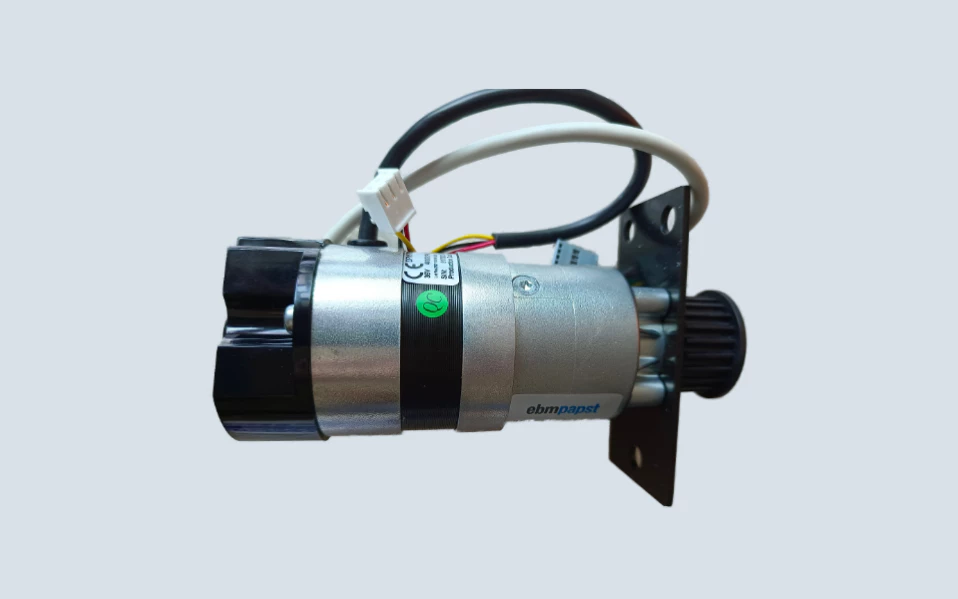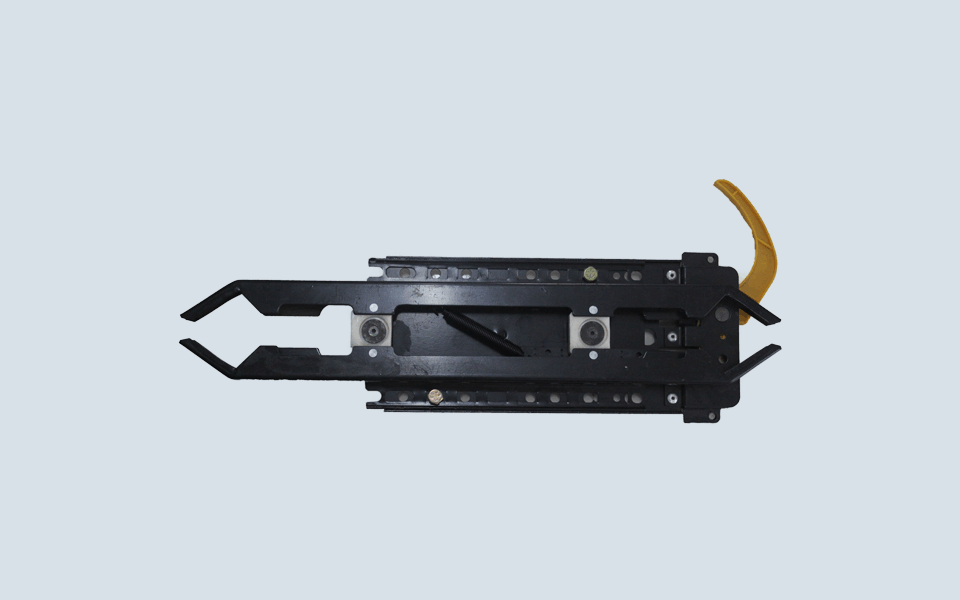
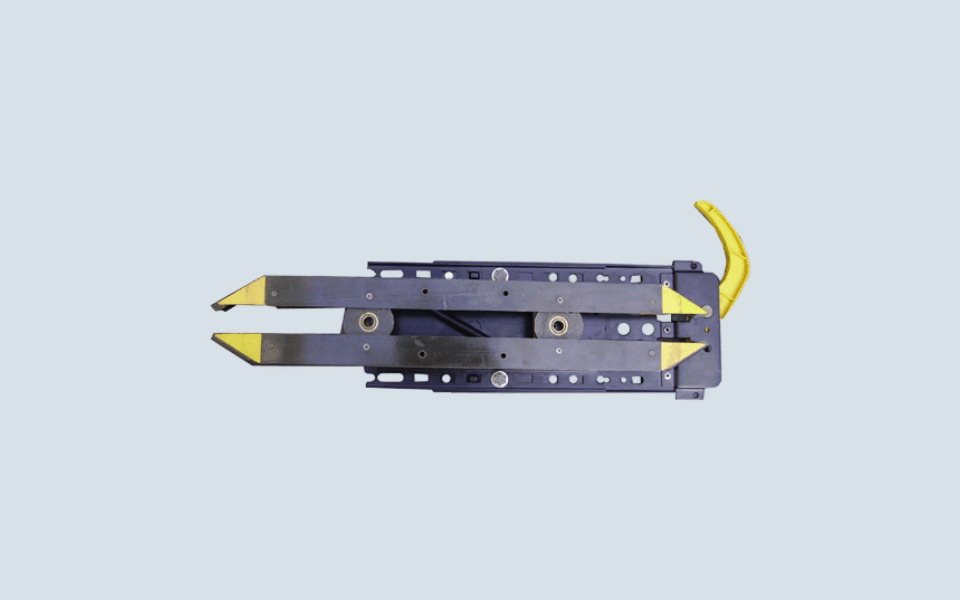
Selcom Wittur Mechanical Door Cam
Please add the quotation and send it to us and get in touch with us immediately
- Globle service 24/7
- Lowest price for all products
- Best quality with Production Process
- After-Sale Warranty
- Technical Support
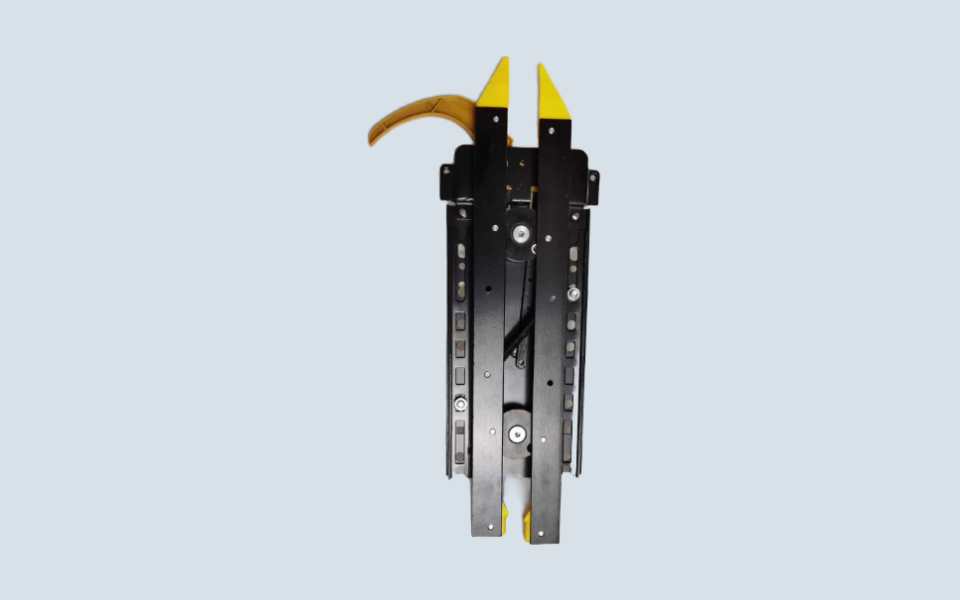
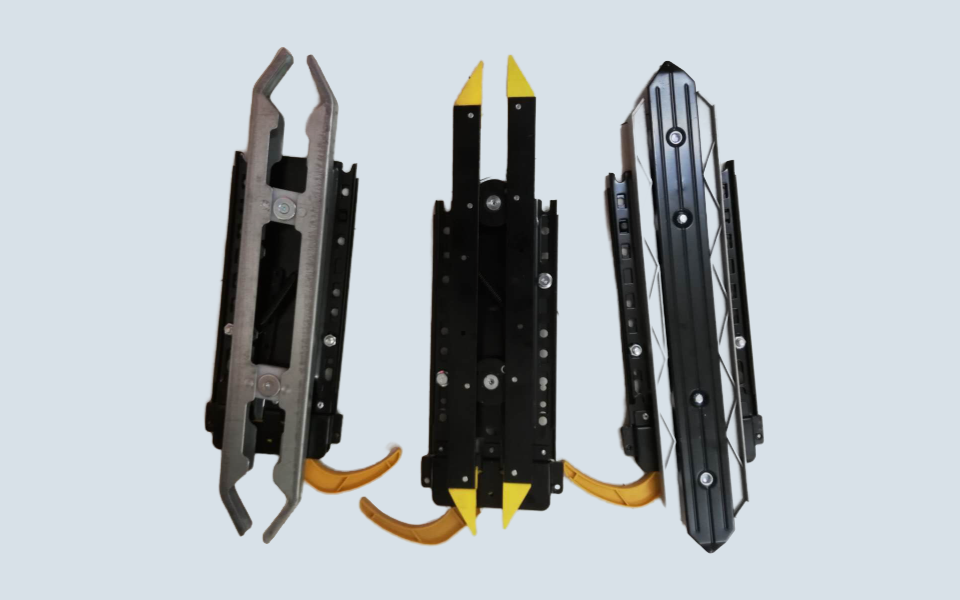
Selcom Wittur Mechanical Door Cam
Mechanical Motion Transfer Component for Elevator Door Systems
Product Overview
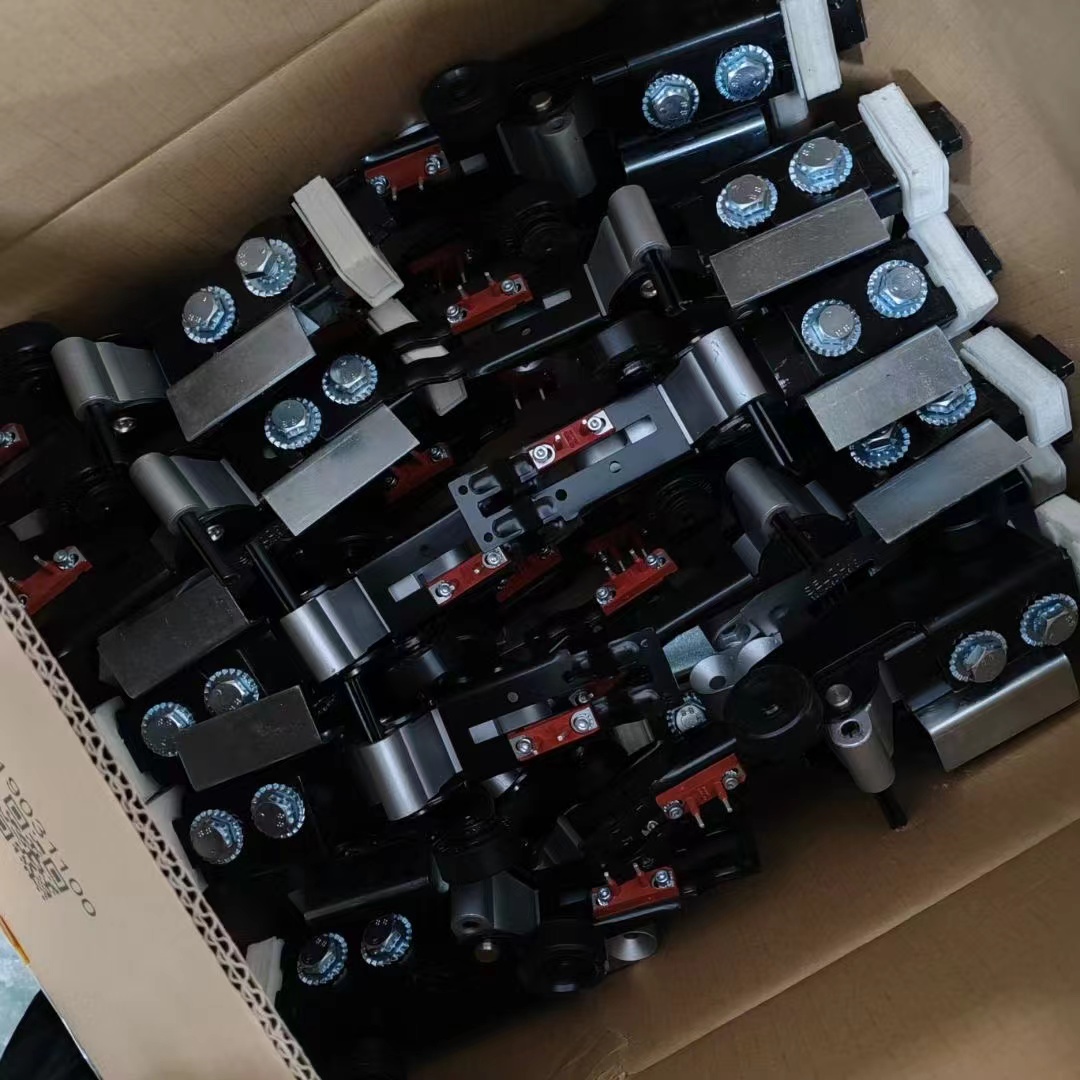
The Selcom Wittur Mechanical Door Cam is a core moving part used in elevator door mechanisms to support physical motion transfer during opening and closing cycles. It operates as part of the internal mechanical linkage and helps convert drive movement into a controlled action sequence inside the door operator assembly.
Unlike electronic control components, a mechanical door cam performs its role entirely through shape, contact and movement interaction. Its profile determines how connected parts engage, separate, or continue moving during the operating cycle. Because of this, the cam is a key element in maintaining predictable mechanical behavior inside the door system.
In many elevator installations, mechanical cams remain essential because they provide direct and reliable motion control without depending on electrical signal processing.
Mechanical Role in the Operator Assembly
The door cam functions as a contact-driven action component inside the door mechanism.
Its main purposes include:
-
Supporting mechanical movement transfer
-
Guiding the sequence of linked component motion
-
Maintaining consistent engagement timing
-
Assisting controlled door action within the operator
As the drive system initiates motion, the cam helps determine how force is passed through the mechanism and how related parts respond during the opening and closing process.
Because the cam is repeatedly exposed to contact pressure and movement cycles, surface condition and dimensional accuracy are important for stable operation.
Durability and Wear Considerations
A mechanical door cam is subject to continuous friction and load interaction during service life. Over time, wear may appear on the cam surface, especially at points of repeated contact.
When wear becomes significant, technicians may observe:
-
Less precise movement transfer
-
Irregular mechanical engagement
-
Increased internal friction
-
Rougher door movement behavior
Replacing a worn cam helps restore more stable mechanical cooperation and reduces unnecessary strain on neighboring moving parts.
Technical Specifications
| Parameter | Description |
|---|---|
| Product Type | Mechanical Door Cam |
| Application | Elevator Door Operator Assembly |
| Function | Mechanical Motion Transfer |
| System Type | Automatic Elevator Door Mechanism |
| Installation | Internal Linkage Structure |
| Material | Mechanical Metal Component |
Maintenance Notes
During regular service inspection, technicians may check the door cam when the operator mechanism shows unstable movement or abnormal wear marks.
Replacement is generally recommended when:
-
The cam surface becomes worn or deformed
-
Mechanical motion no longer feels consistent
-
Internal contact points show increased friction
-
Door action becomes less stable over time
Maintaining the cam in good condition helps preserve long-term reliability of the operator mechanism.
Frequently Asked Questions
What is a mechanical door cam used for?
It is used to transfer and coordinate movement within the elevator door operator mechanism.
Does a mechanical door cam rely on electronics?
No. It works entirely through physical contact and mechanical interaction.
When should a mechanical door cam be replaced?
It should be replaced when wear, deformation, or unstable motion affects the performance of the door mechanism.
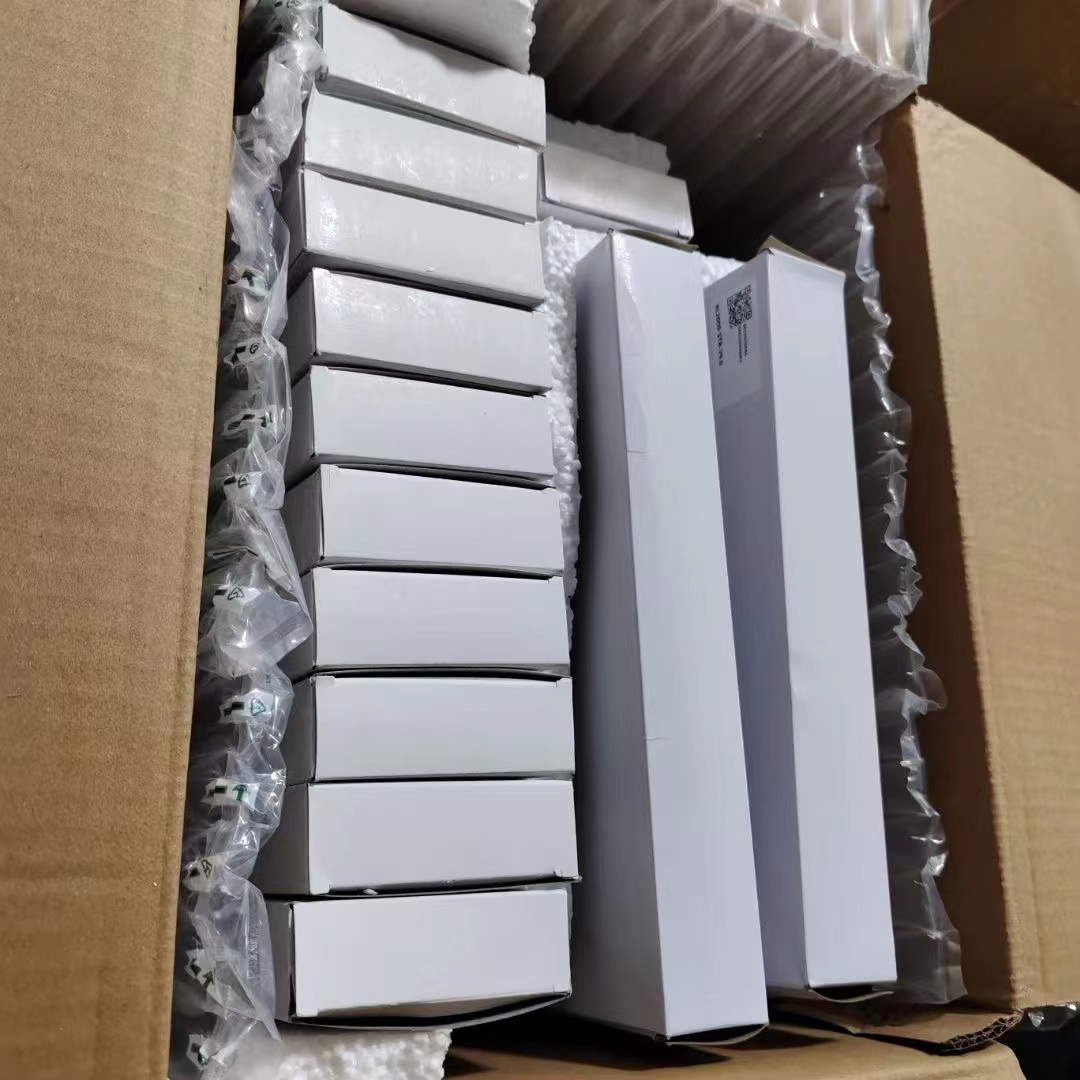
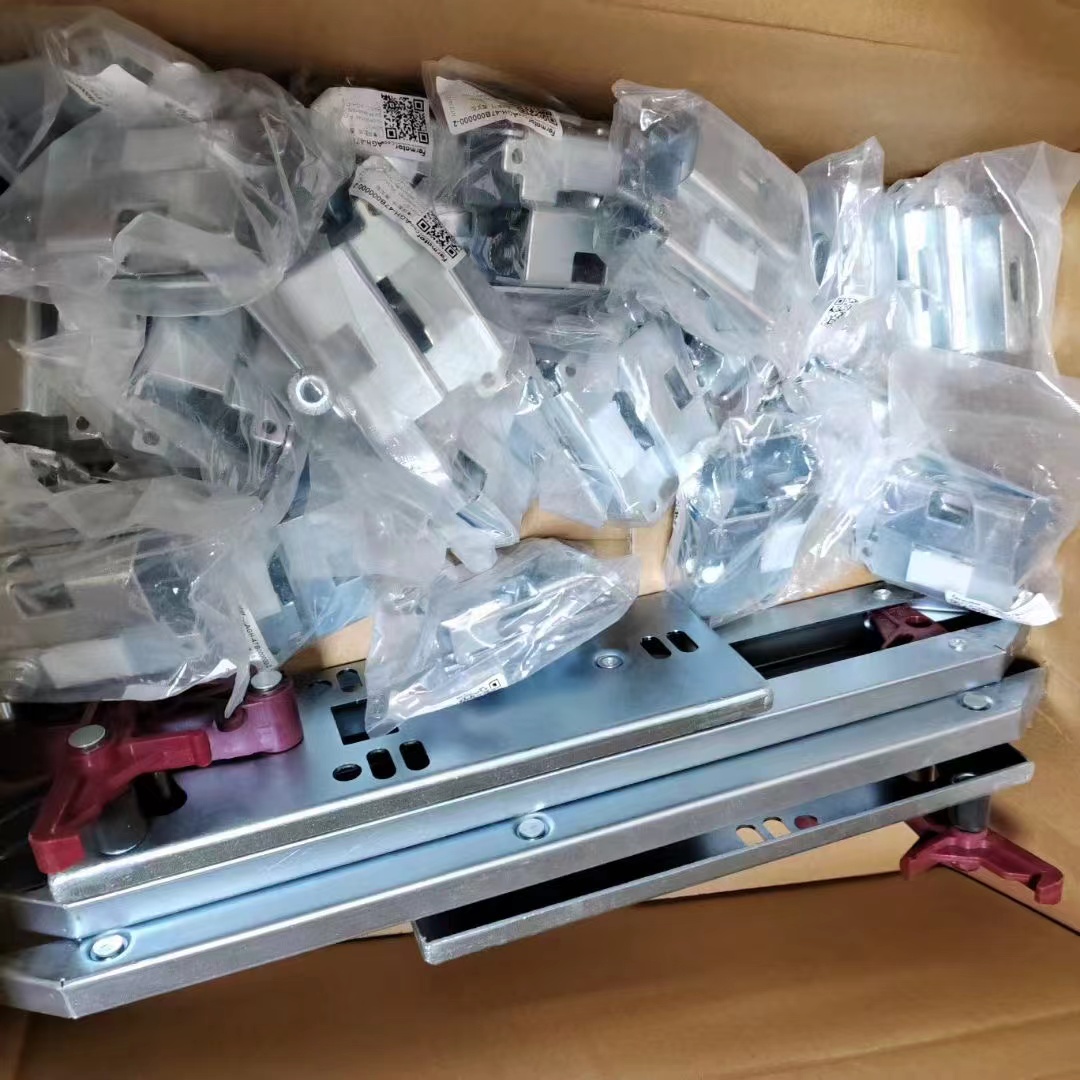
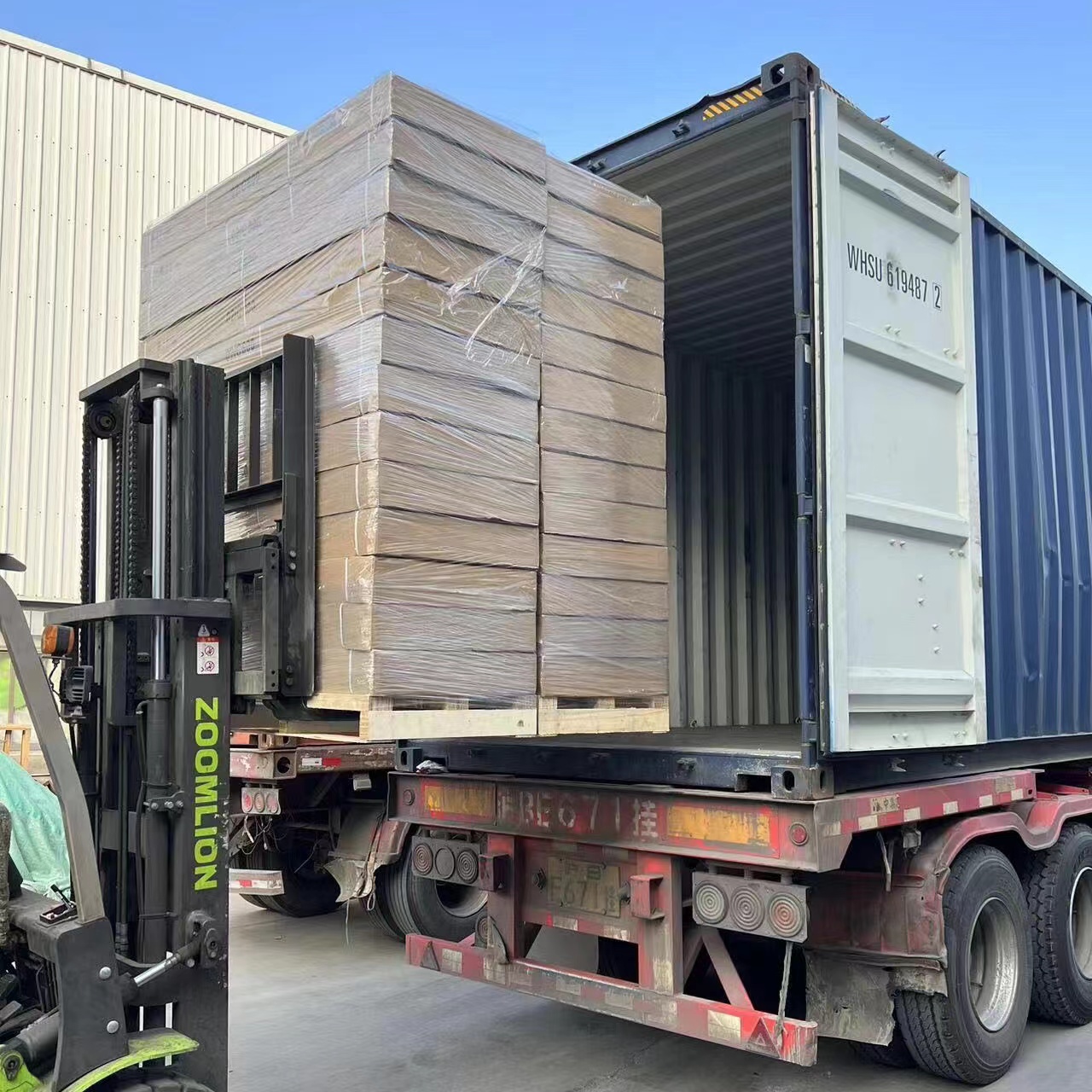
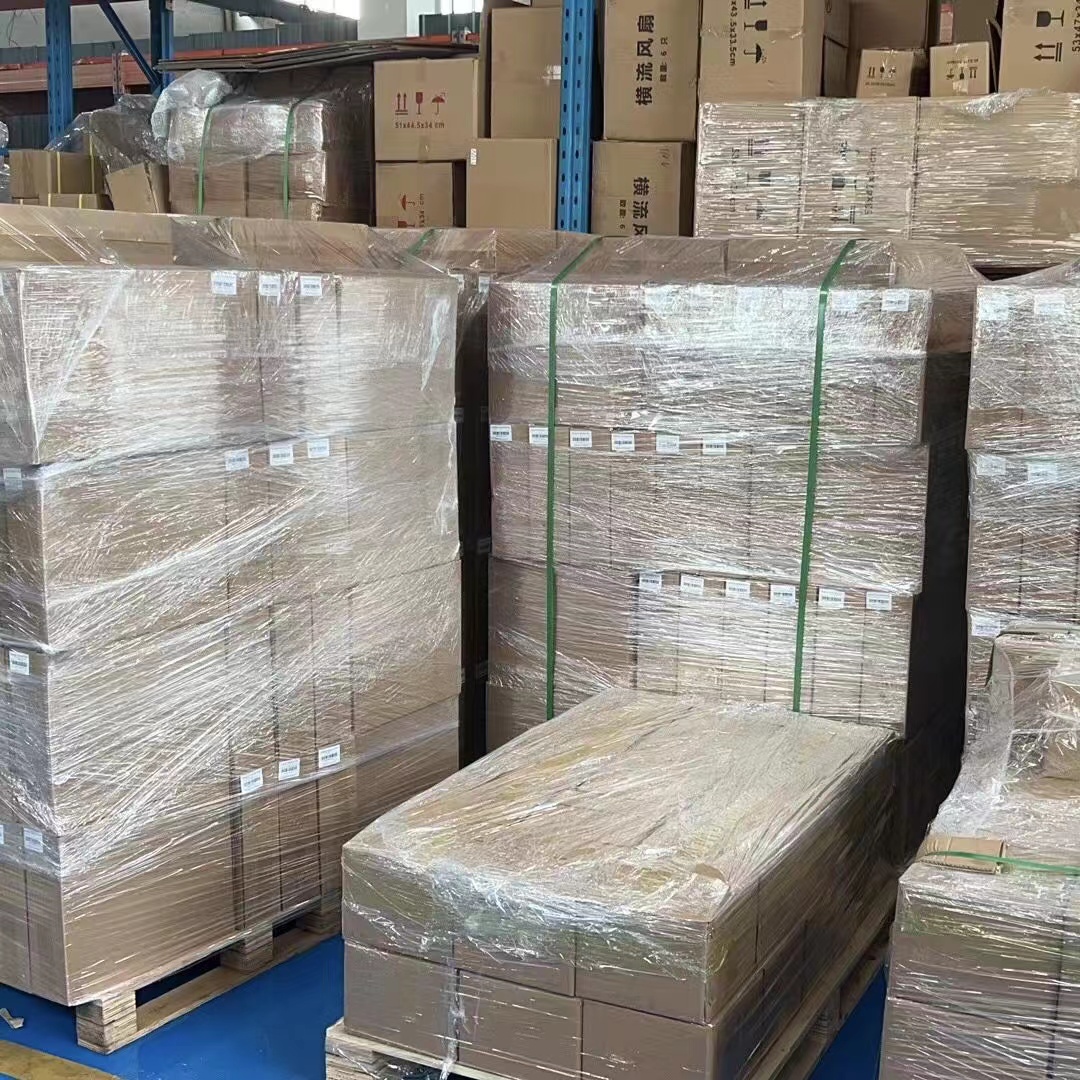
Packing and Shipping