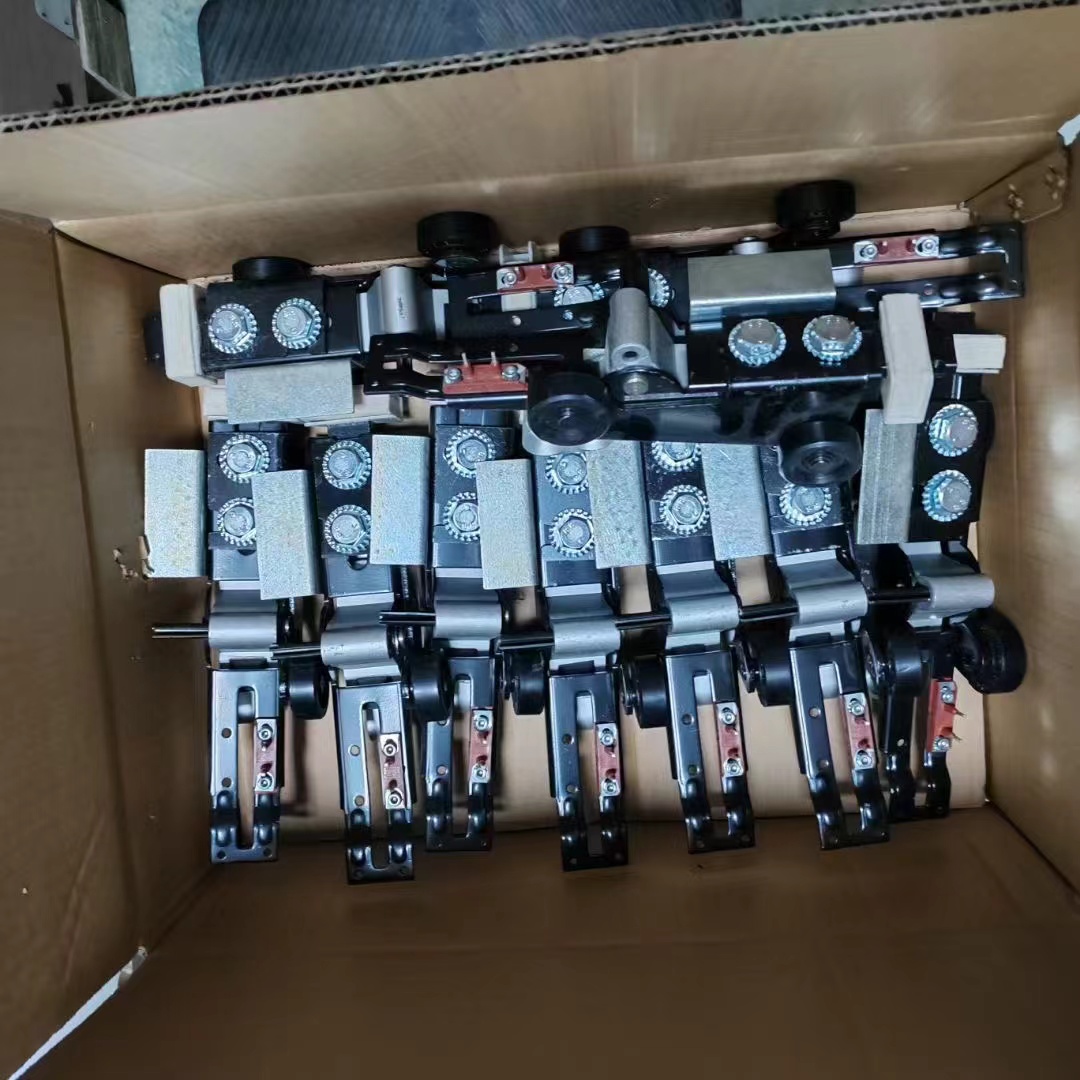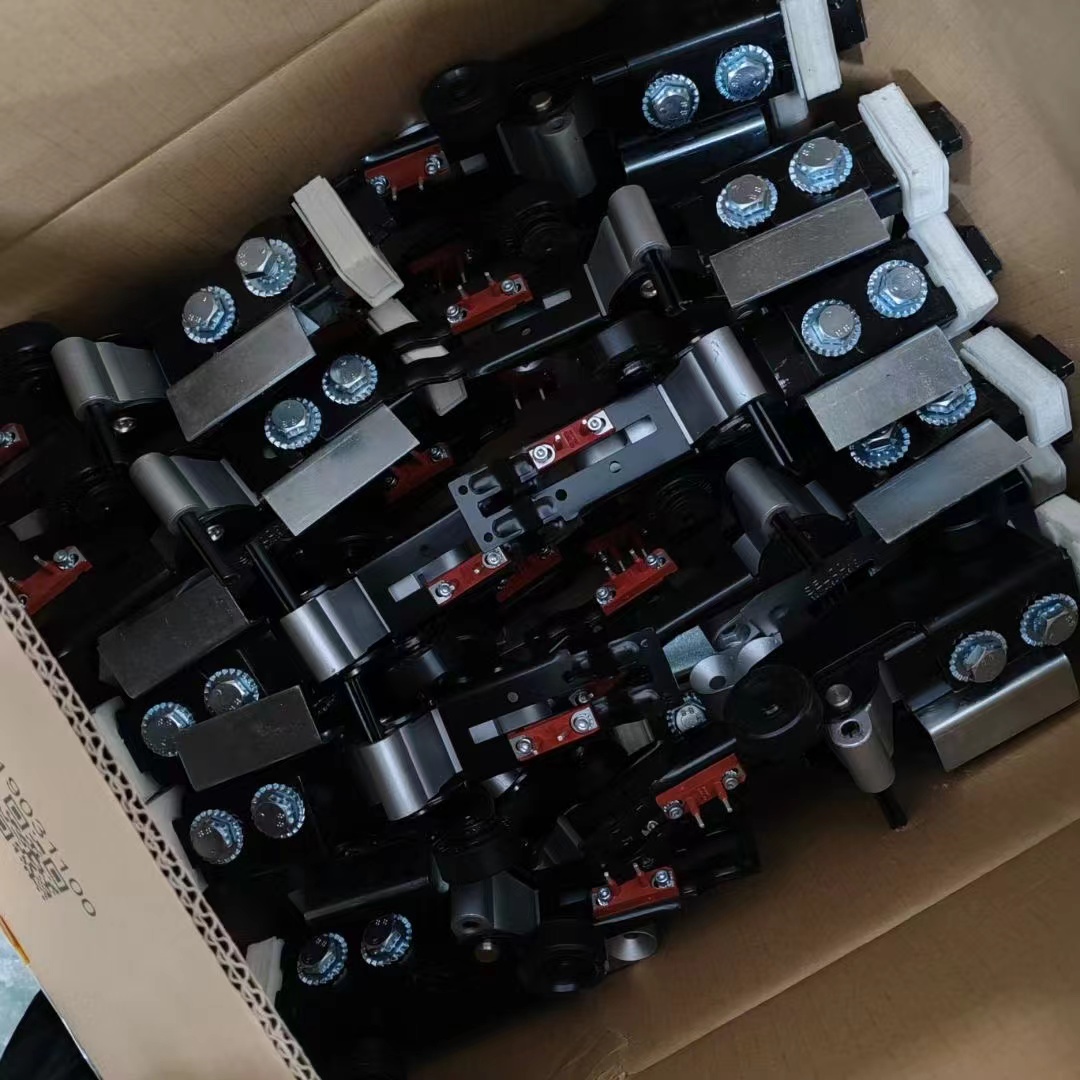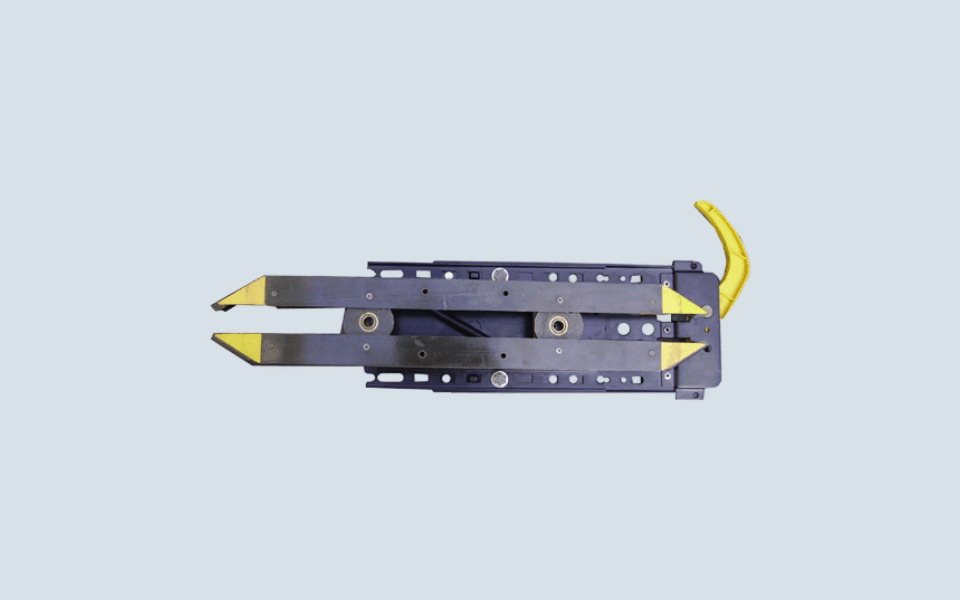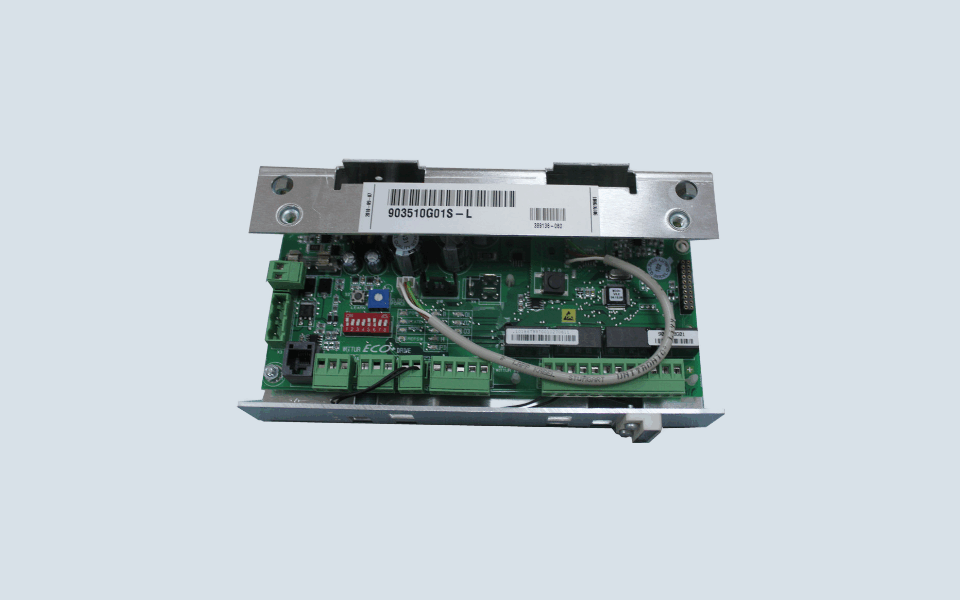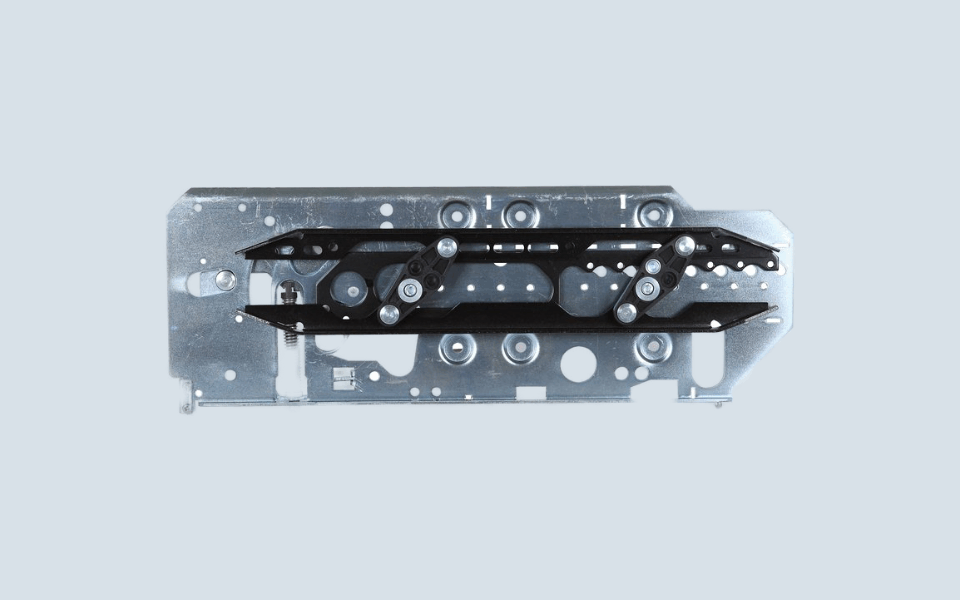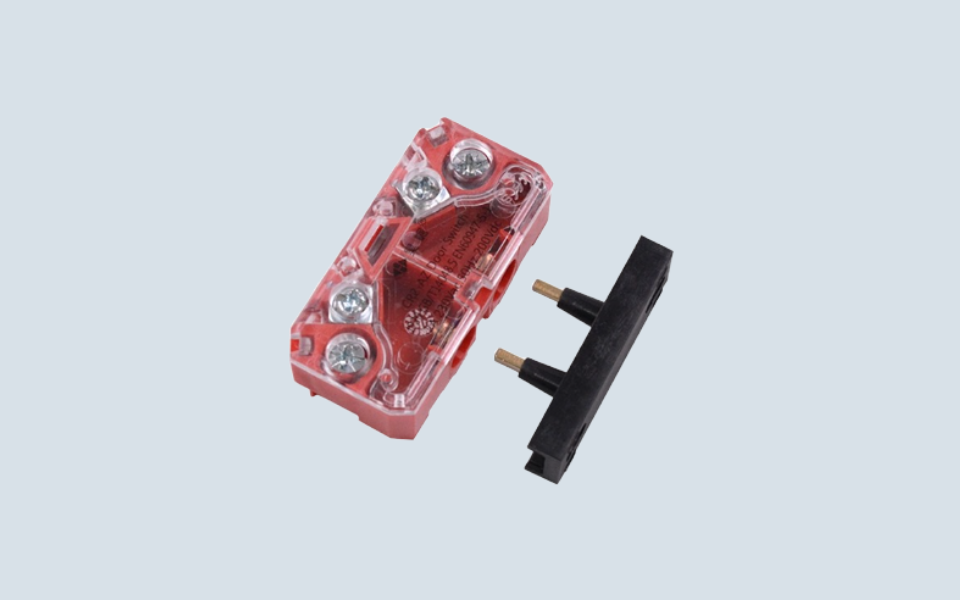
Bernstein Door Contact SEL1/2-A1Z for Selcom door
Please add the quotation and send it to us and get in touch with us immediately
- Globle service 24/7
- Lowest price for all products
- Best quality with Production Process
- After-Sale Warranty
- Technical Support
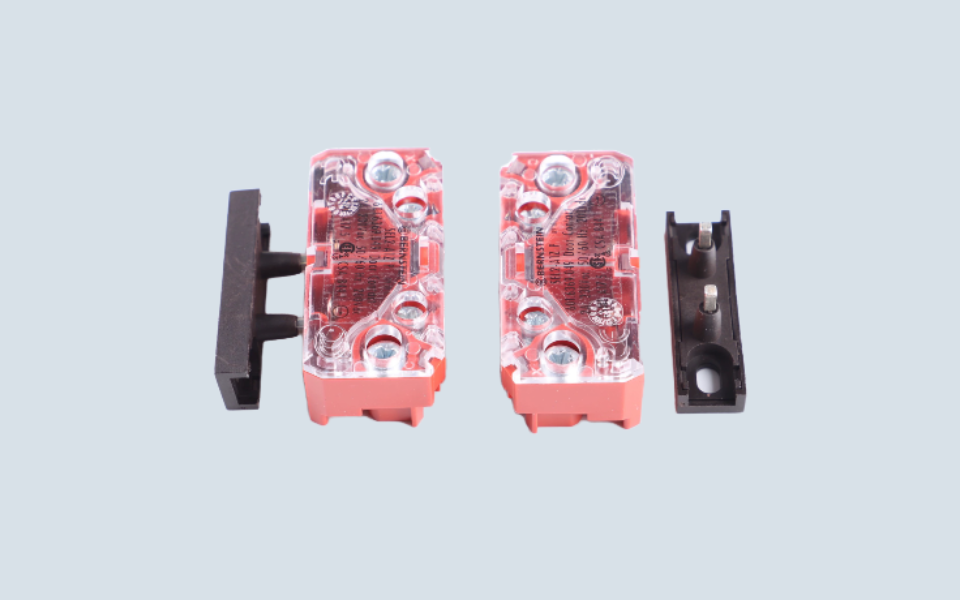
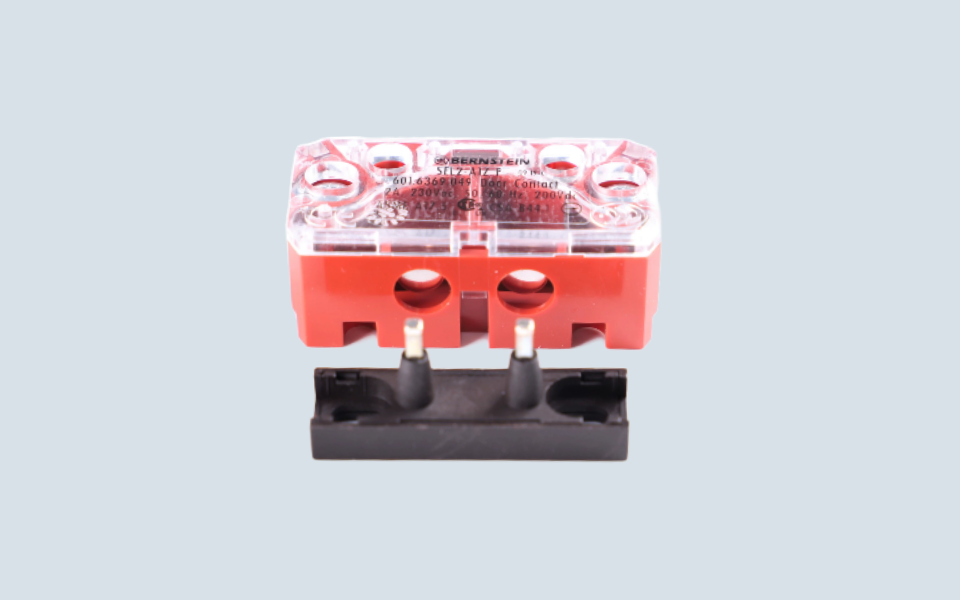
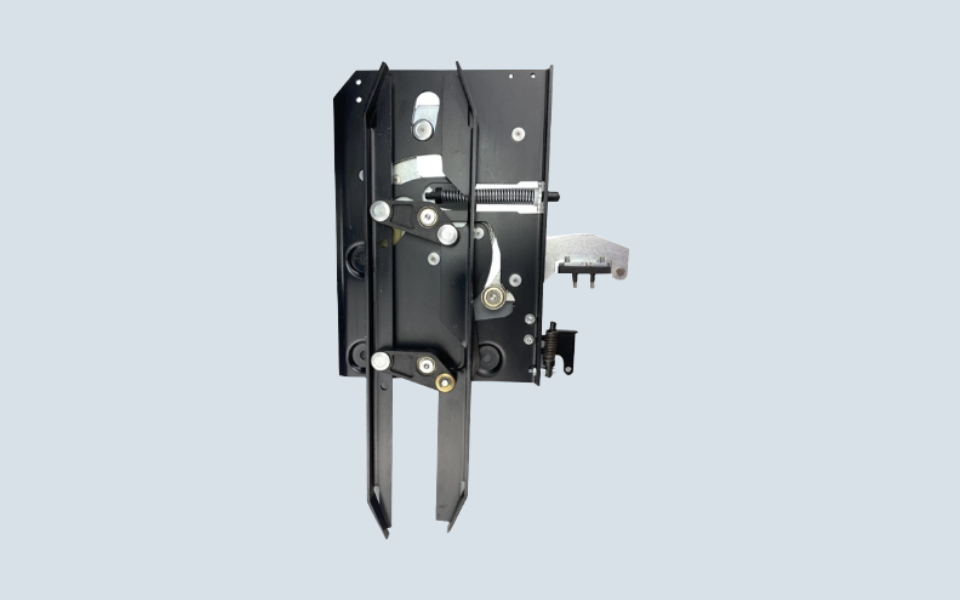
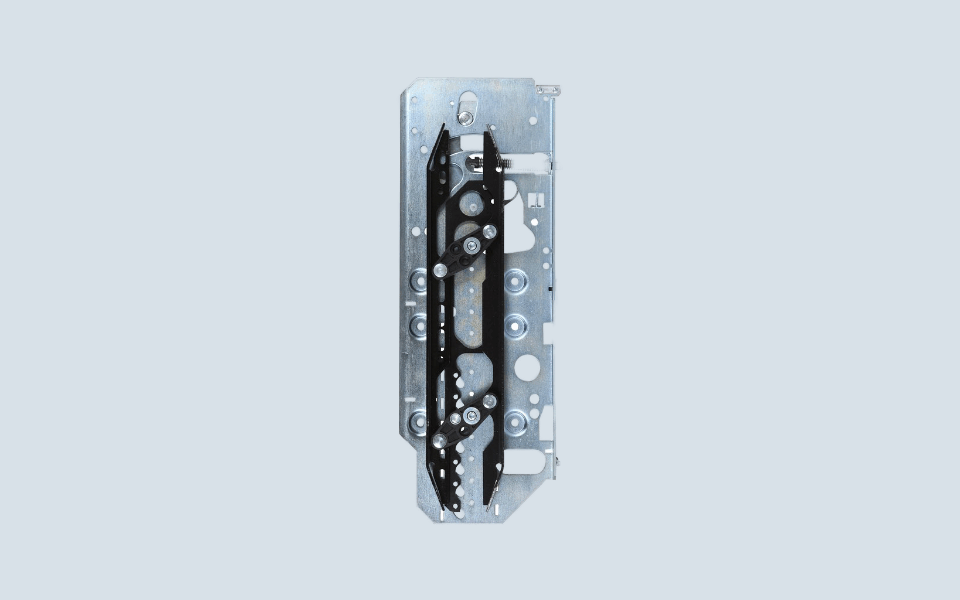
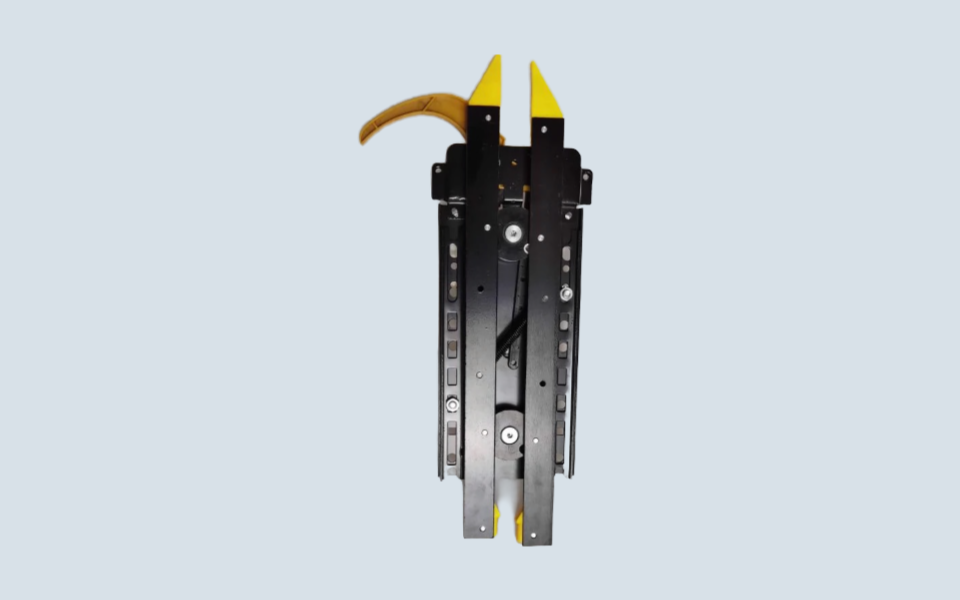
Bernstein Door Contact SEL1/2-A1Z for Selcom Door
Electrical Limit Contact for Elevator Door Systems
Product Description
The Bernstein Door Contact SEL1/2-A1Z for Selcom door is an electrical switching component used to provide position feedback within elevator door systems. It is typically installed where a defined mechanical movement triggers the contact, allowing the system to detect door status during operation.
As part of the door control circuit, this type of contact helps transmit switching signals when the door reaches a specific position. Reliable signal feedback is important for maintaining correct door sequence and safe elevator operation.
Because door systems perform repeated opening and closing cycles every day, electrical contacts may wear over time due to frequent triggering and long-term service use. Replacing a worn contact can help restore stable signal response and reduce interruption caused by inconsistent switching performance.
Functional Use
This contact is commonly used for:
-
Position-triggered signal feedback
-
Door status switching within the control circuit
-
Mechanical movement detection at defined points
-
Maintenance replacement of worn electrical contact parts
It is typically selected when technicians need a compact switching component for compatible Selcom door assemblies.
Technical Specifications
| Parameter | Description |
|---|---|
| Product Type | Elevator Door Contact |
| Model | SEL1/2-A1Z |
| Brand | Bernstein |
| Application | Selcom Door System |
| Function | Position Signal Switching |
| Installation | Door Mechanism / Control Contact Area |
FAQ
What is the function of the Bernstein SEL1/2-A1Z door contact?
It provides switching feedback when the door mechanism reaches a specific position.
When should this contact be replaced?
Replacement is recommended when signal response becomes unstable or the switching action is no longer reliable.
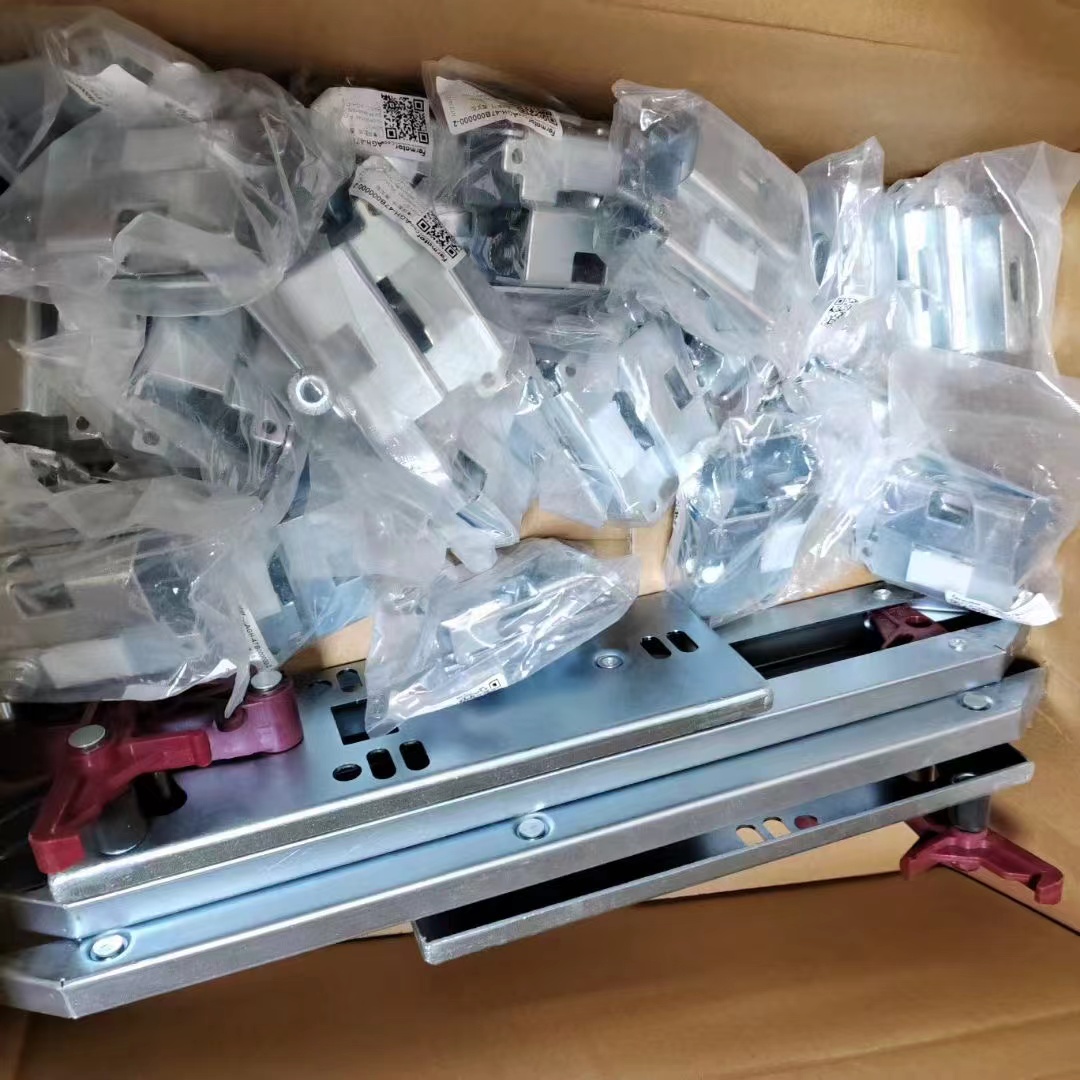
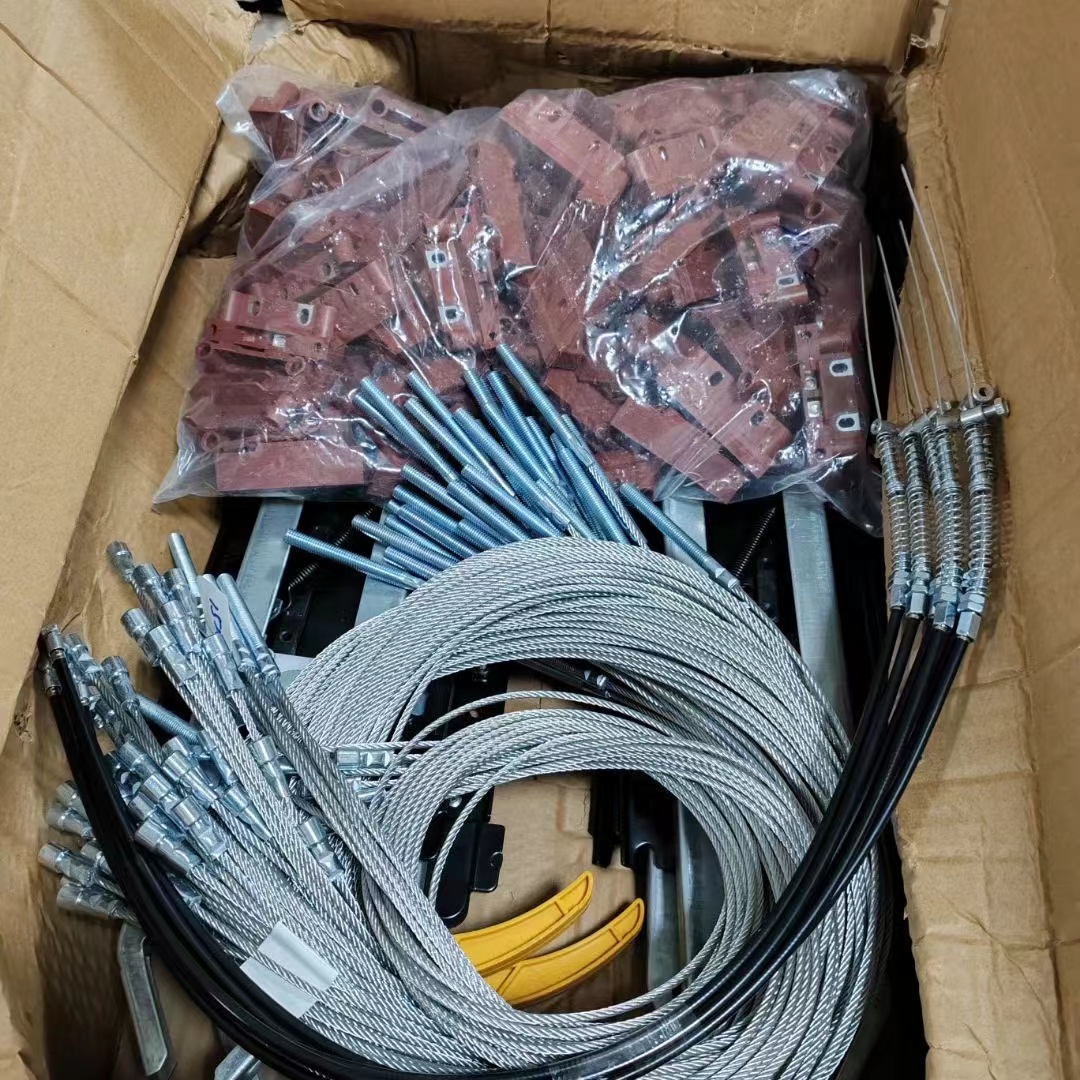
Packing and Shipping