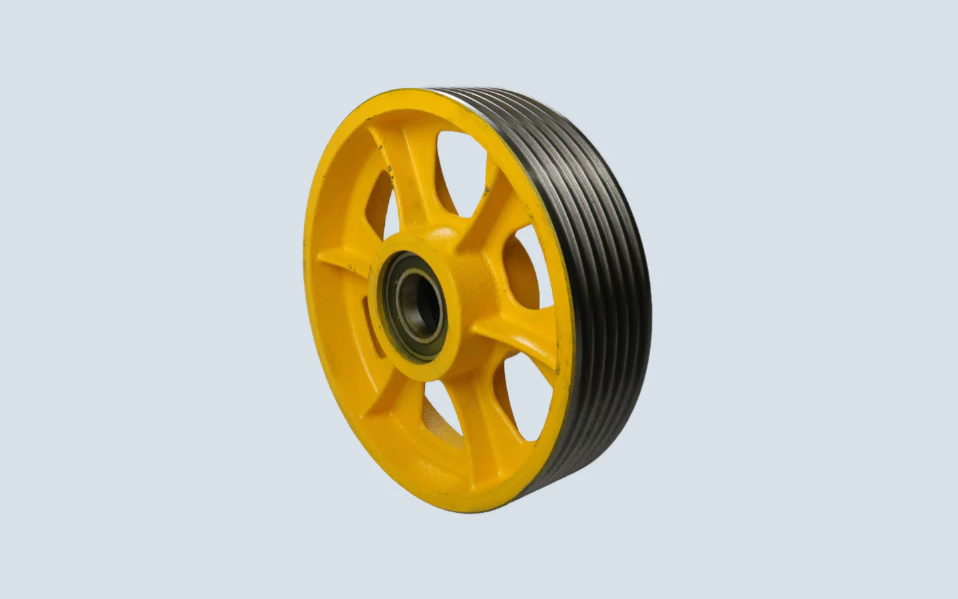
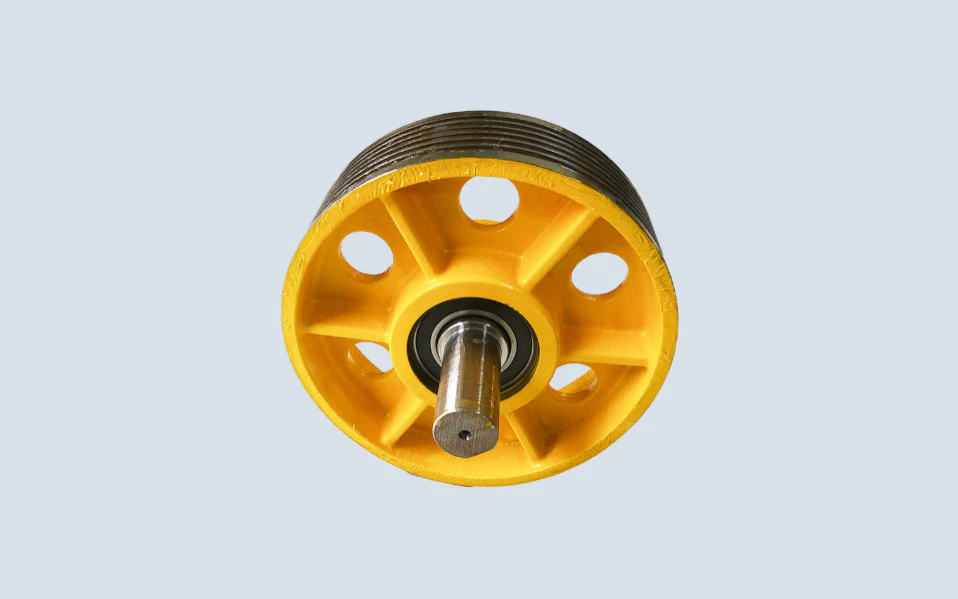
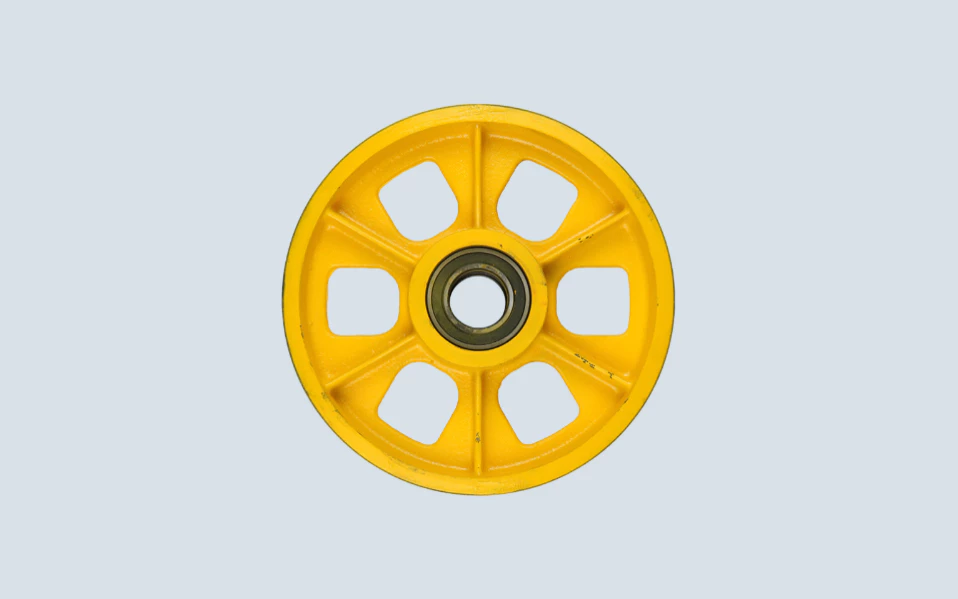
Elevator Pulley
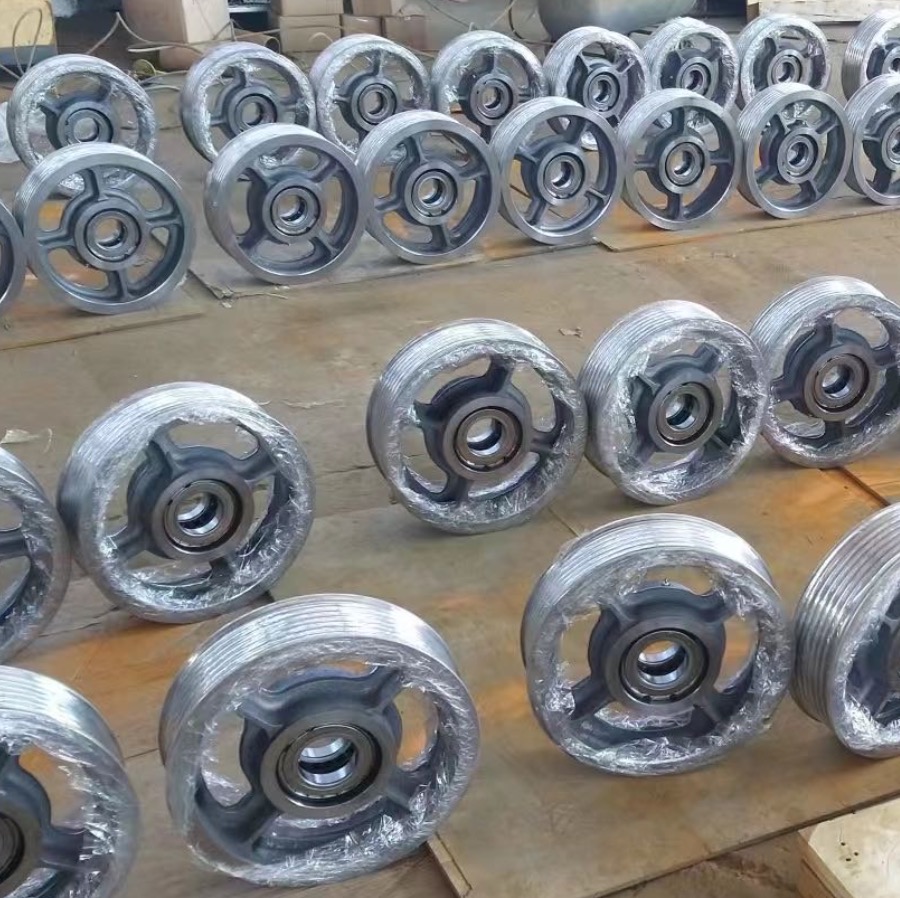
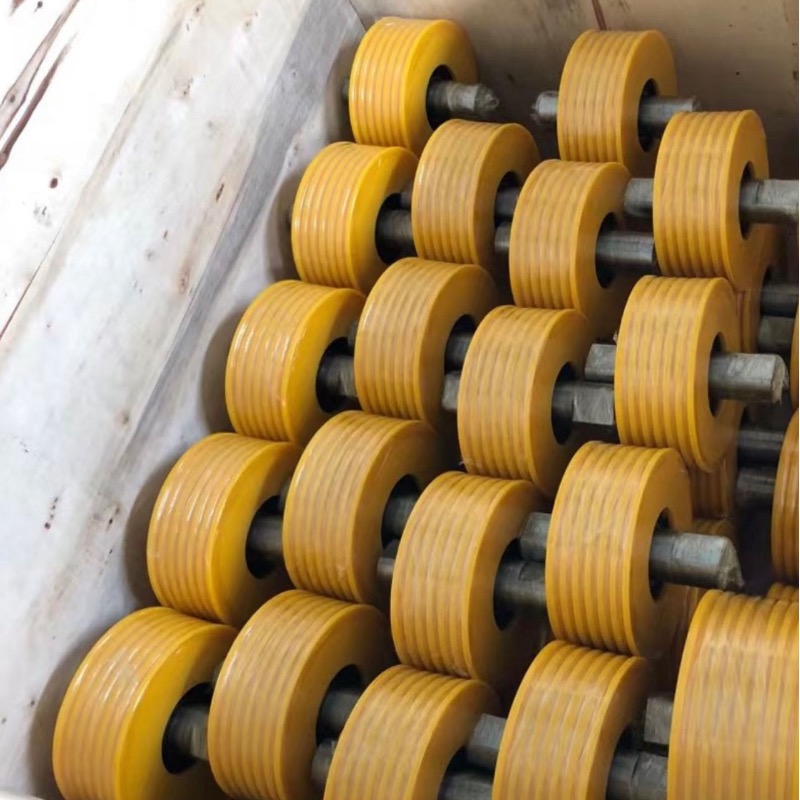
Nylon pulley and iron pulley
Please add the quotation and send it to us and get in touch with us immediately
- Globle service 24/7
- Lowest price for all products
- Best quality with Production Process
- After-Sale Warranty
- Technical Support
Elevator Pulley Specification (Customized)
- 200-6-6.5-10-300mm
- 240-6-8-12-300mm
- 400-6-10-15-300mm
- 400-10-5-15-300mm etc..
Elevator Pulley
Rope Guiding Wheel for Elevator Traction and Deflection Systems
Product Overview
The Elevator Pulley is a rotating wheel component used in elevator systems to guide, redirect, or support the movement of steel wire ropes within the traction assembly. It is commonly applied in locations where the rope path needs to change direction or where smooth rope travel must be maintained under continuous operating load.
In a working elevator system, the pulley helps ensure that rope movement remains stable along the designed path. By providing a grooved rotating surface, it allows the rope to pass with reduced friction and controlled contact, supporting more reliable motion of the traction or suspension arrangement.
Because the pulley is directly involved in repeated rope movement, its surface condition, groove accuracy, and rotational smoothness can all influence long-term system performance.
Functional Role in Rope Movement
Unlike a traction sheave that actively transmits driving force from the machine, the pulley is generally used to support rope guidance and directional change within the elevator system.
Its main functions include:
- redirecting rope travel within the shaft system
- maintaining smoother rope movement along the designed path
- reducing unnecessary friction at turning points
- supporting force distribution in the rope arrangement
A properly matched pulley helps maintain stable rope running conditions and protects the rope from irregular wear caused by poor alignment or damaged groove surfaces.
Mechanical Performance Considerations
In practical elevator operation, the pulley must work under repeated bending cycles and continuous rope contact. For this reason, the pulley groove profile and rotational condition are important.
A properly functioning elevator pulley can help provide:
- smoother rope travel
- more stable deflection movement
- better running consistency within the suspension path
- reduced stress at rope redirection points
If the pulley groove becomes worn or if the wheel no longer rotates smoothly, technicians may observe noise, rope tracking irregularities, or increased wear on the rope surface.
Technical Specifications
| Parameter | Description |
|---|---|
| Product Type | Elevator Pulley |
| Application | Rope Guiding / Deflection System |
| Function | Rope Redirection and Support |
| System Use | Elevator Traction or Suspension Arrangement |
| Installation | Rope Path / Deflection Position |
| Structure | Grooved Rotating Wheel Component |
Maintenance Notes
Technicians may inspect or replace the elevator pulley when the following conditions appear:
- visible groove wear
- irregular rope tracking
- abnormal rotational resistance
- unusual noise during rope movement
Maintaining the pulley in good condition helps protect the rope system and supports smoother long-term elevator operation.
Frequently Asked Questions
What is an elevator pulley used for?
It is used to guide or redirect steel wire ropes within the elevator traction or suspension system.
How is a pulley different from a traction sheave?
A pulley mainly supports rope travel and direction change, while a traction sheave is used to transmit driving force from the machine.
When should an elevator pulley be replaced?
Replacement is recommended when groove wear, poor rotation, or rope tracking issues affect system performance.
You can also choose related products, such as: wire rope
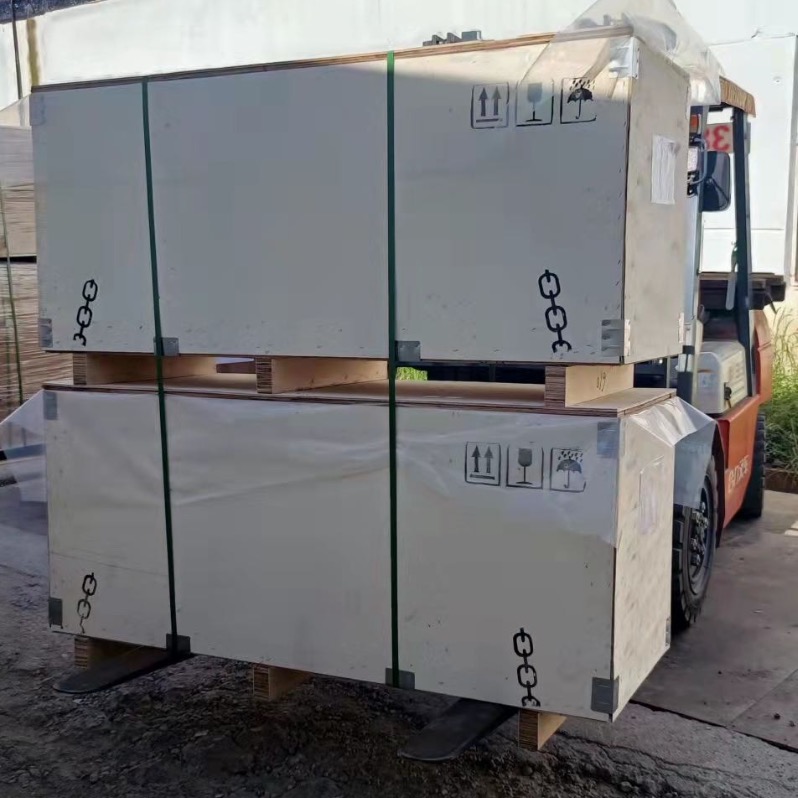
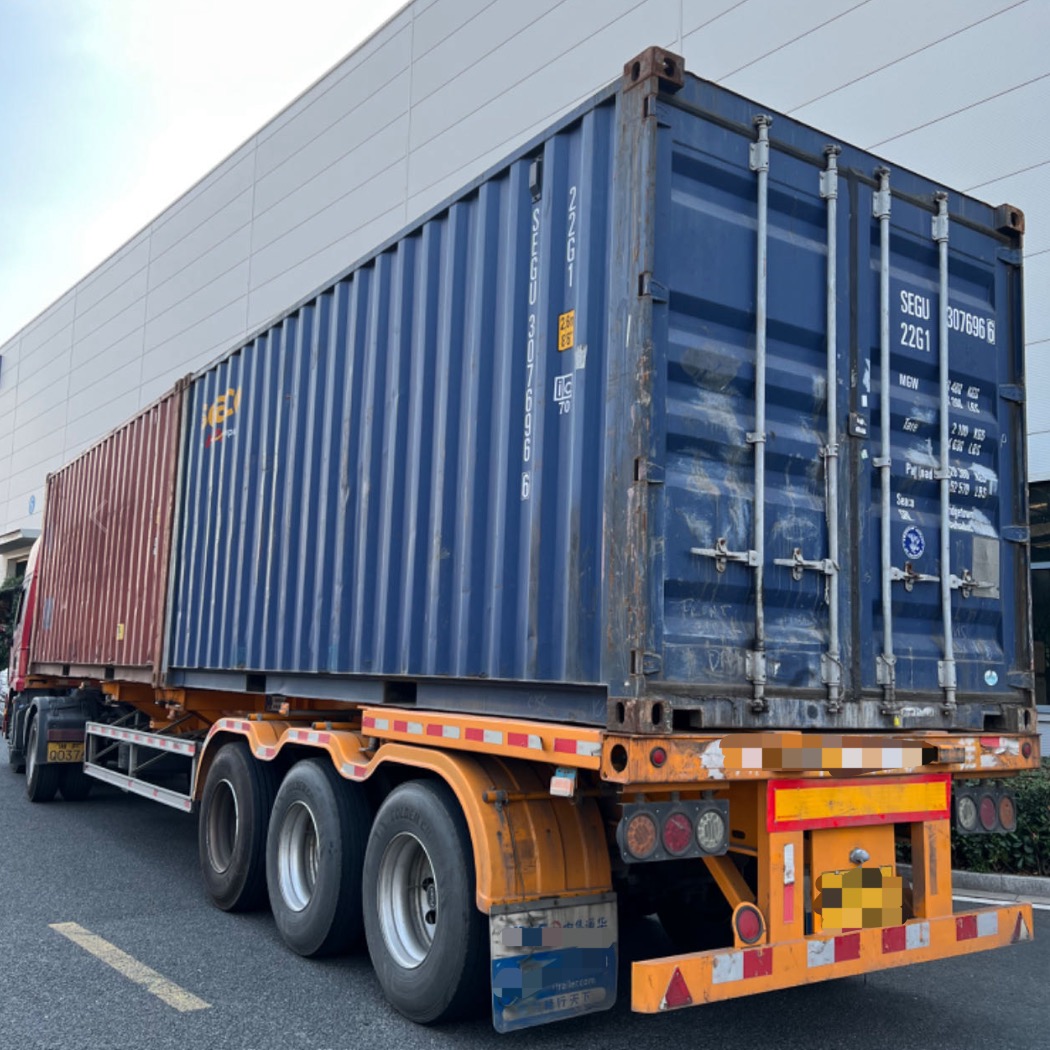
Packing and Shipping