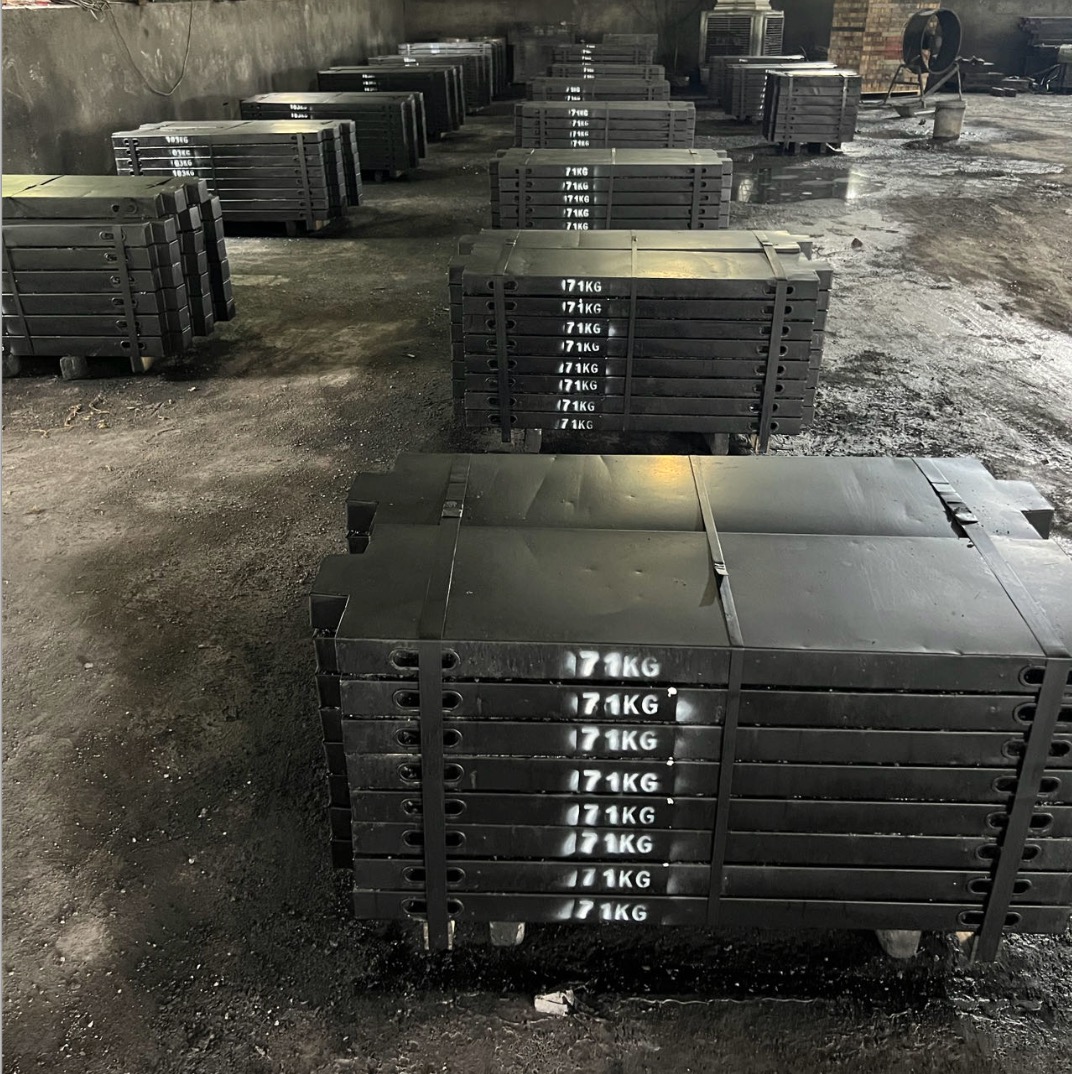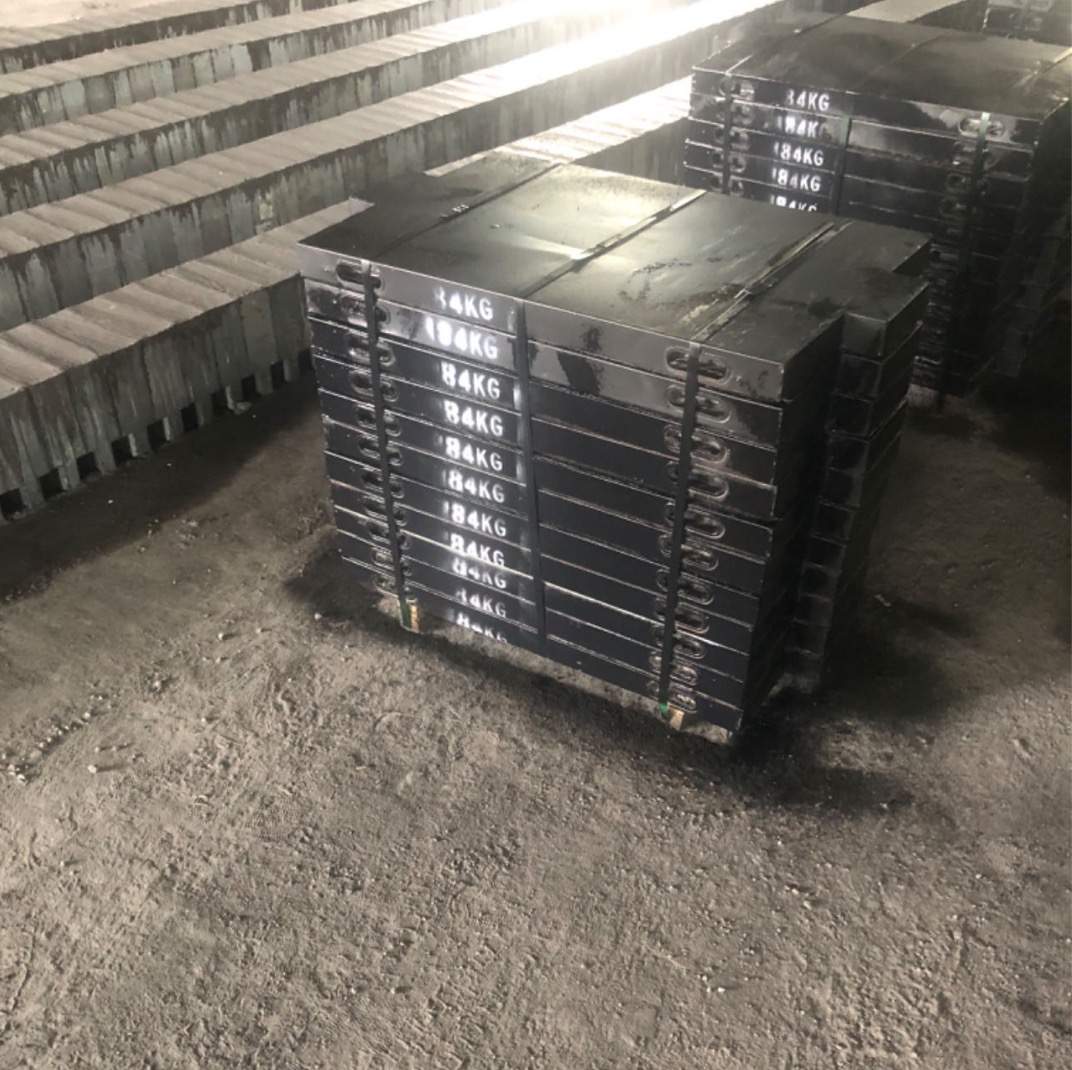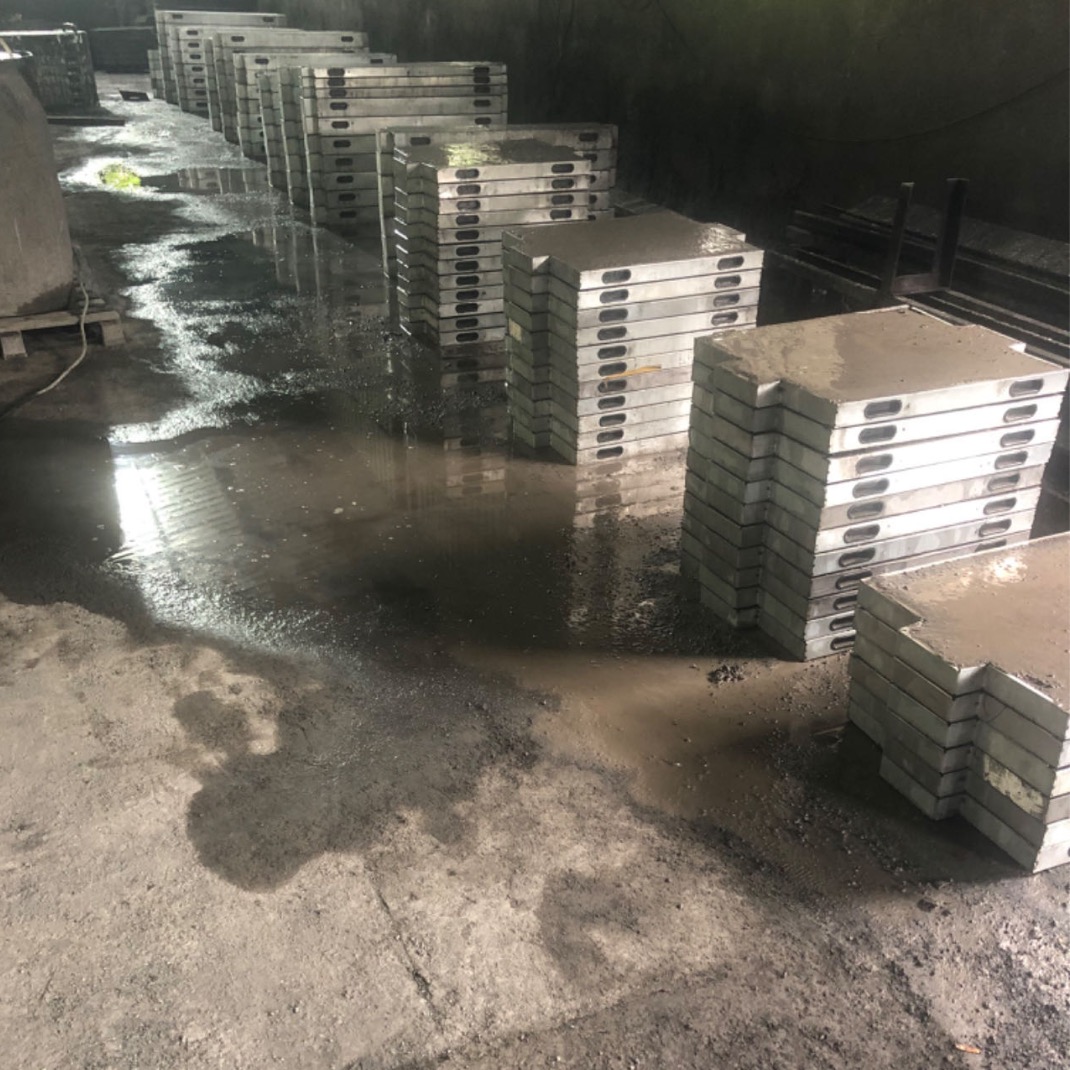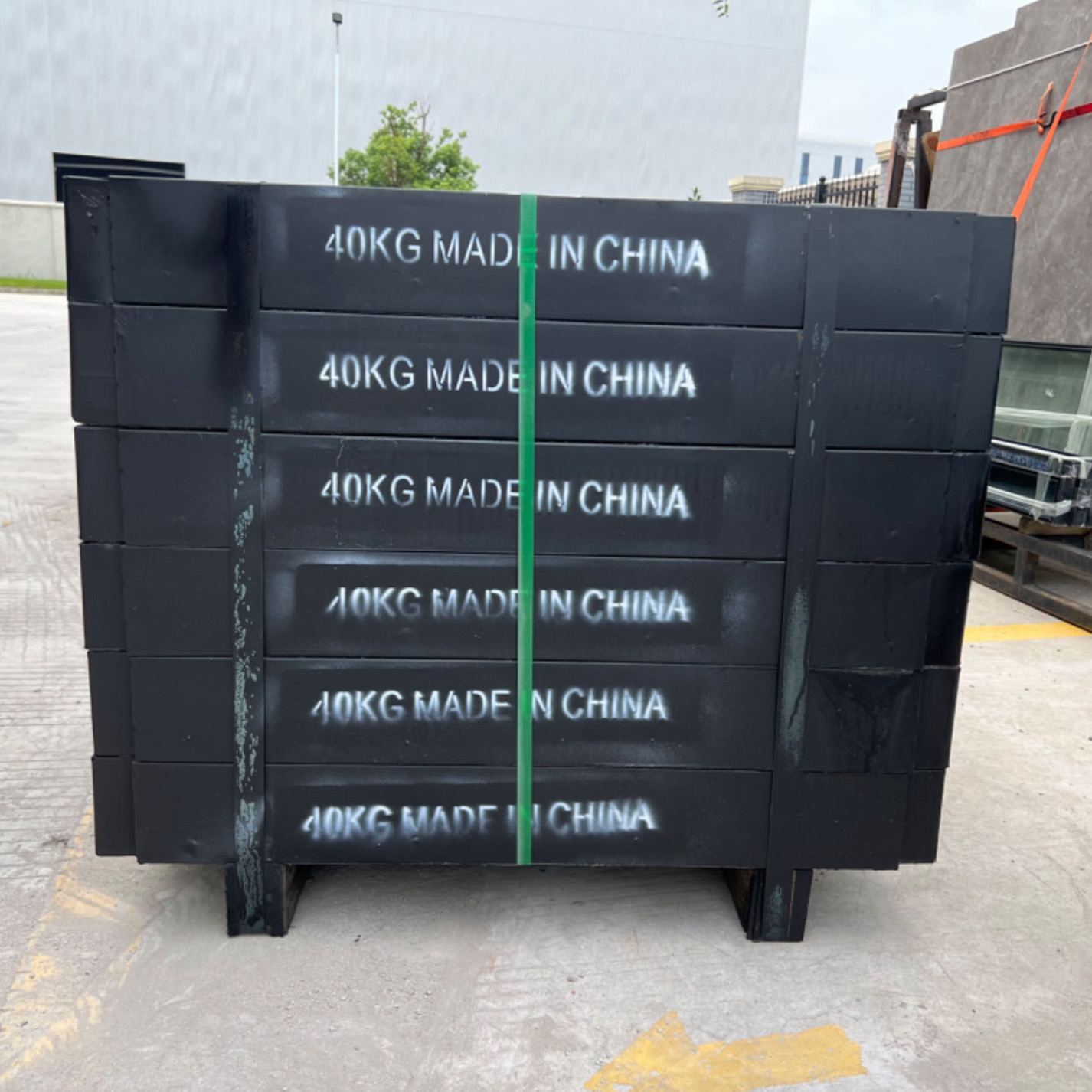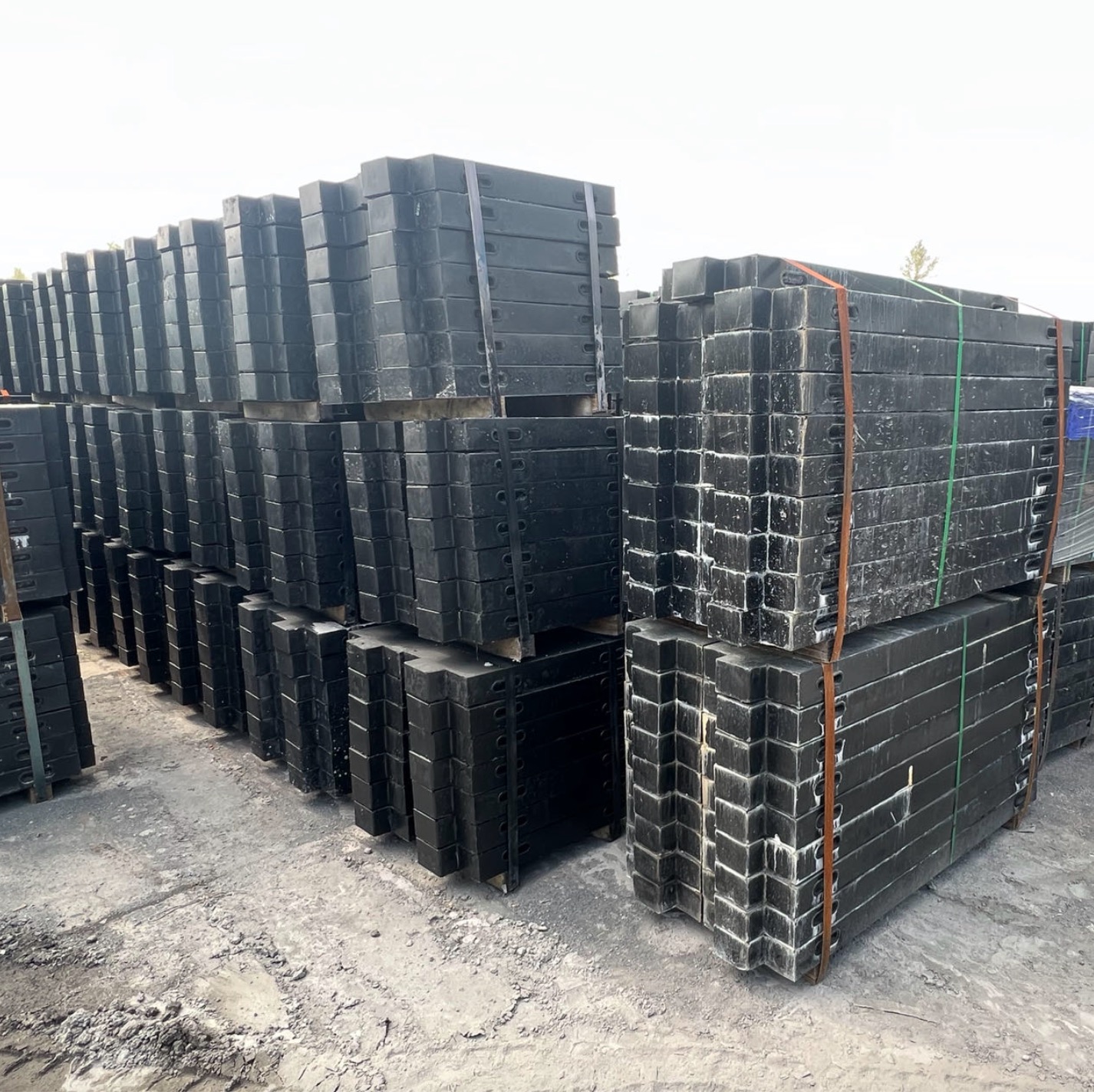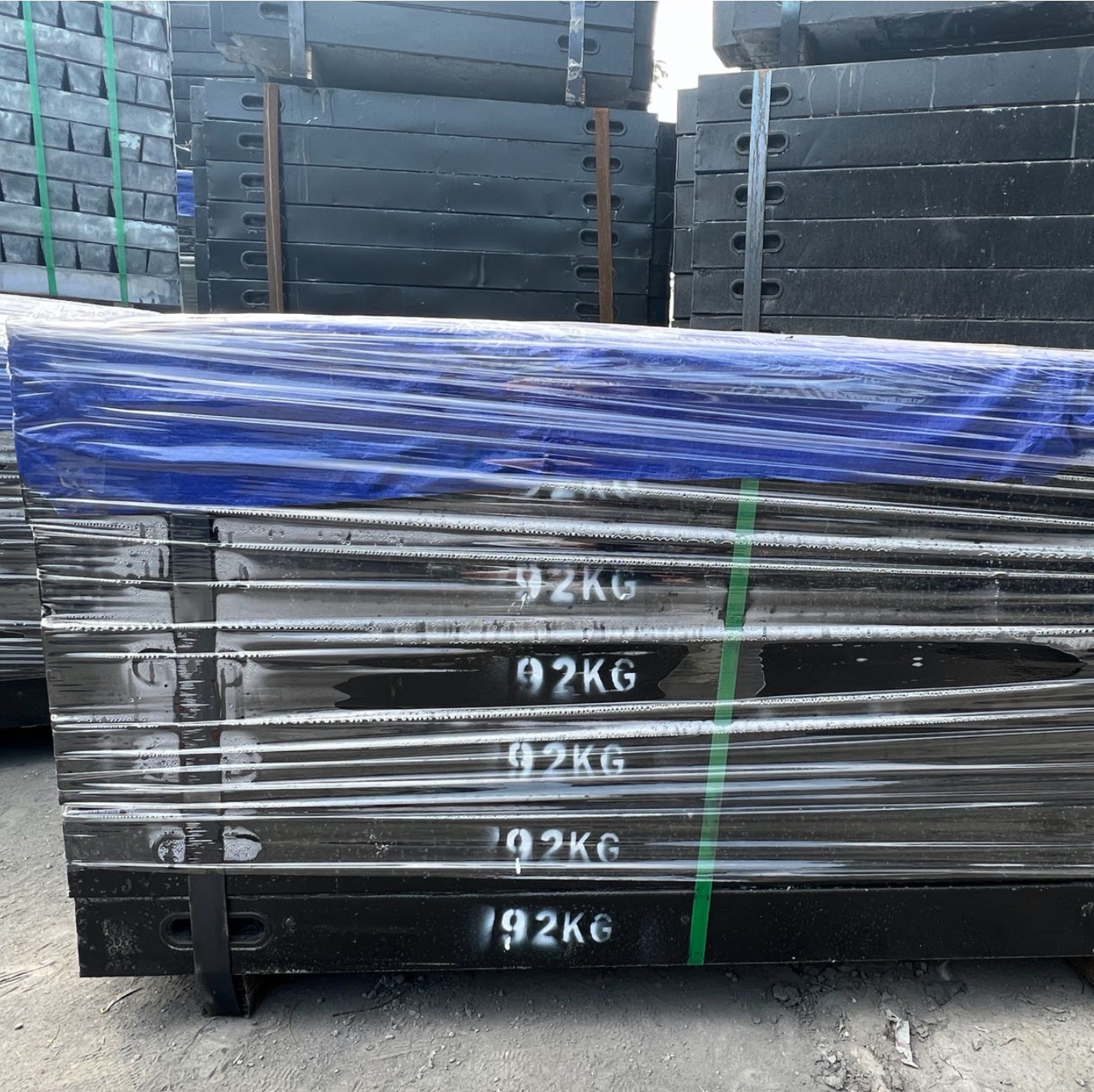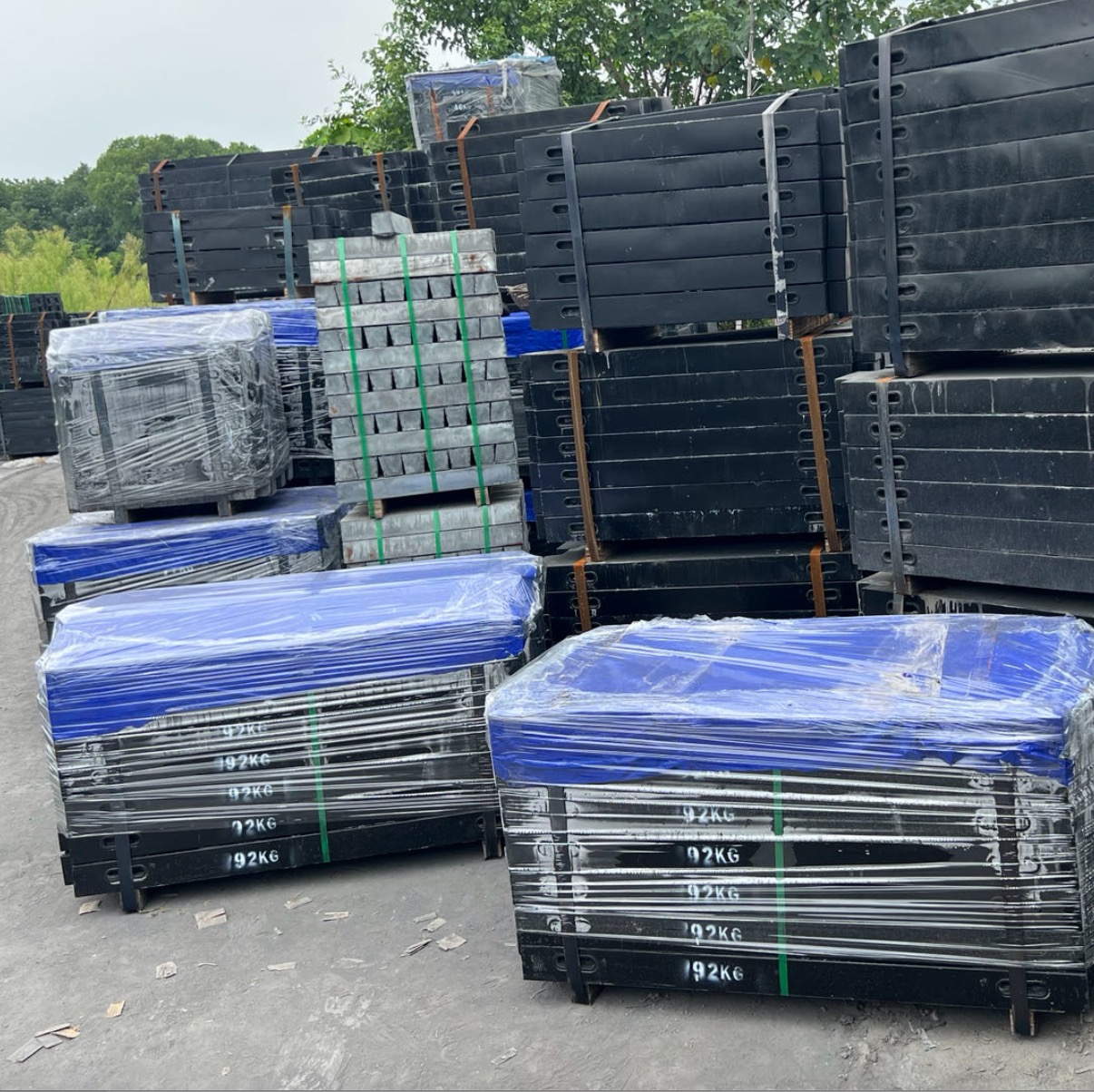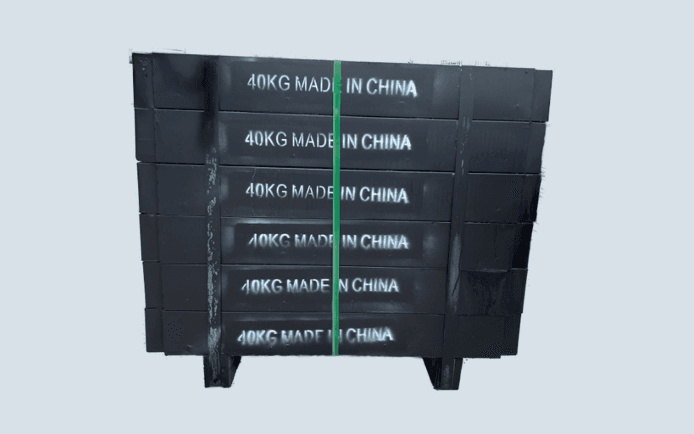
Elevator Counterweight
<strong> Specification</strong> <ul> <li>960mm*100mm*120mm</li> <li>690mm*100mm*120mm</li> </ul>
Please add the quotation and send it to us and get in touch with us immediately
- Global service 24/7
- Lowest price for all products
- Best quality with Production Process
- After-Sale Warranty
- Technical Support
Description
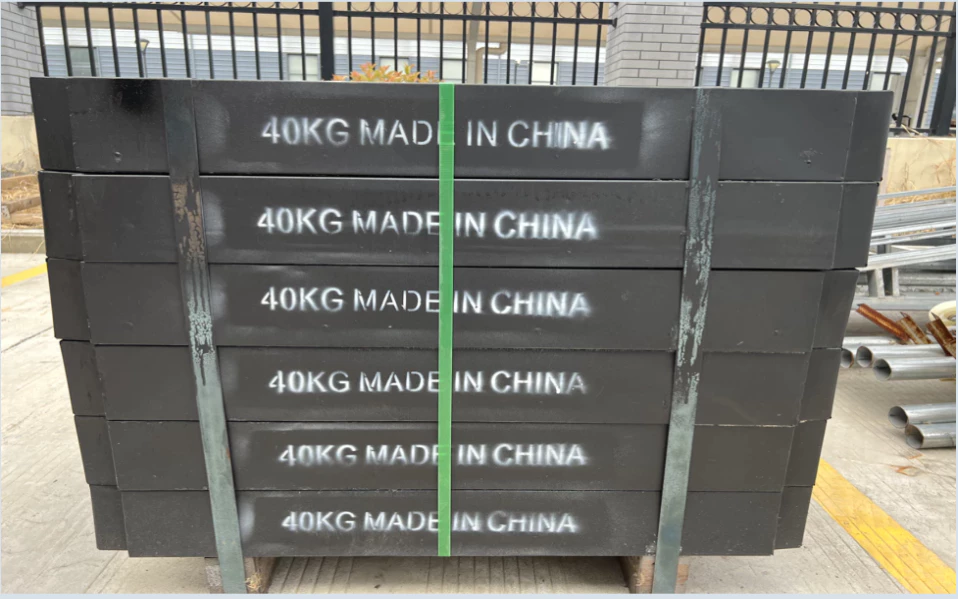
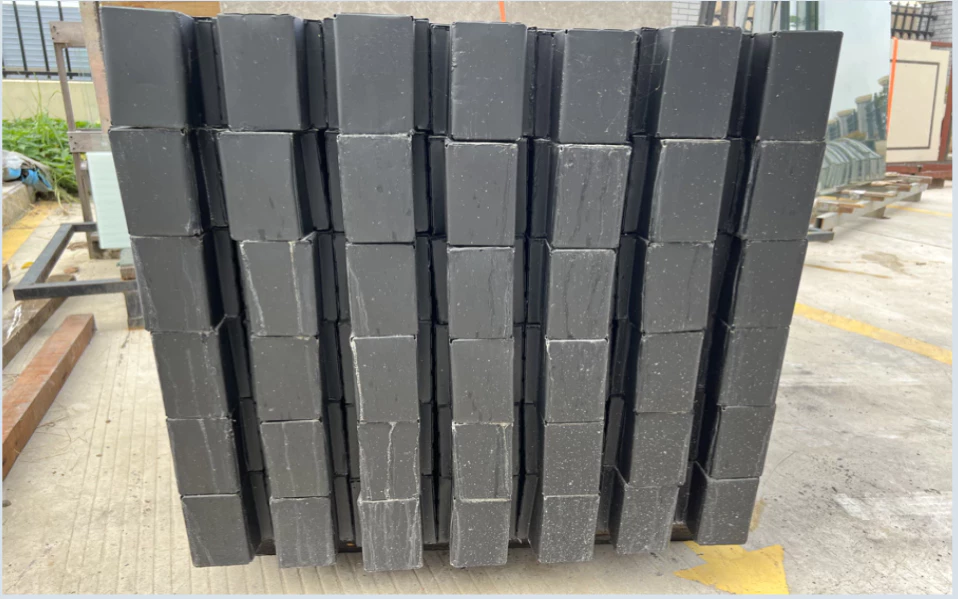
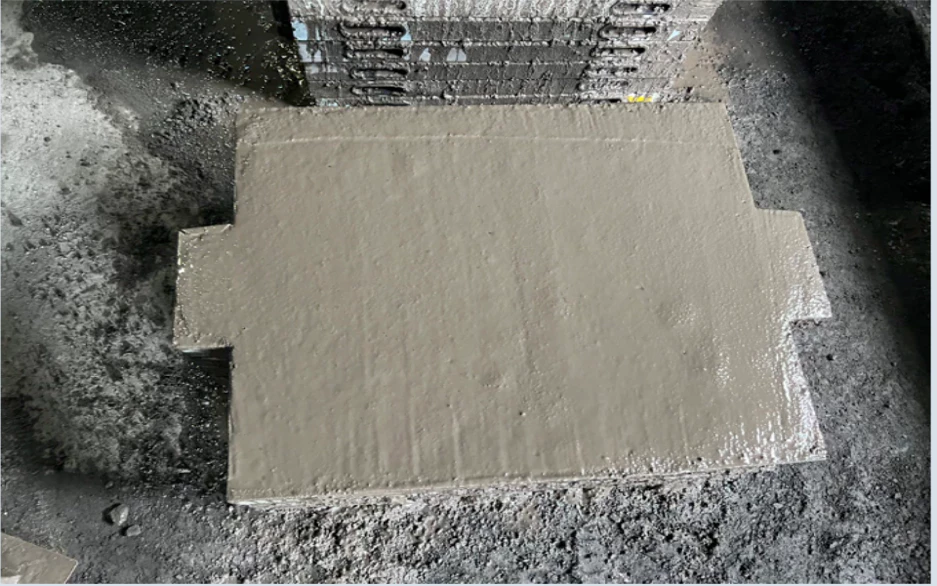
Elevator Counterweight
Balancing Mass Component for Elevator Traction Systems
960mm*100mm*120mm / 690mm*100mm*120mm
Product Overview
The Elevator Counterweight is a fundamental balancing component used in traction elevator systems to offset part of the elevator car load and support efficient vertical movement. It works opposite the car within the hoistway and helps reduce the force required from the traction machine during normal operation.
In a typical elevator system, the counterweight is designed to balance the weight of the empty car plus a defined portion of the rated load. This balancing relationship improves running efficiency, reduces motor demand, and helps maintain smoother travel during upward and downward movement.
Because the counterweight is part of the core traction structure rather than the door or control system, its importance is closely related to lifting stability, energy performance, and load distribution inside the shaft.
Functional Role in the Elevator System
The counterweight supports the traction system by:
- balancing the elevator car mass
- reducing traction machine workload
- improving movement efficiency
- helping maintain smoother acceleration and deceleration
Without proper counterweight balance, the elevator system may experience inefficient operation, higher energy consumption, and increased mechanical stress on the traction machine and related components.
Structural Importance
The counterweight assembly usually works together with:
- guide rails
- traction ropes
- traction machine
- counterweight frame
- filler weights or balance blocks
Its performance depends not only on total mass, but also on correct installation, guide stability, and proper distribution within the frame.
Technical Specifications
| Parameter | Description |
|---|---|
| Product Type | Elevator Counterweight |
| Application | Traction Elevator System |
| Function | Car Load Balancing |
| Installation Area | Hoistway Counterweight Side |
| System Role | Traction Balance and Efficiency Support |
Maintenance Notes
Technicians may inspect the counterweight system when the following conditions appear:
- abnormal vibration during travel
- imbalance in running behavior
- guide instability on the counterweight side
- unusual wear in traction-related components
Proper counterweight condition helps support stable and efficient elevator performance over long service periods.
Frequently Asked Questions
What is the purpose of a counterweight in an elevator?
It balances the elevator car and reduces the load on the traction machine.
Does the counterweight equal the full weight of the car?
No. It is typically designed to balance the empty car plus part of the rated load.
Can counterweight problems affect elevator performance?
Yes. Imbalance or instability can affect ride quality, efficiency, and mechanical wear.
You can also consider safety components such as wire ropes
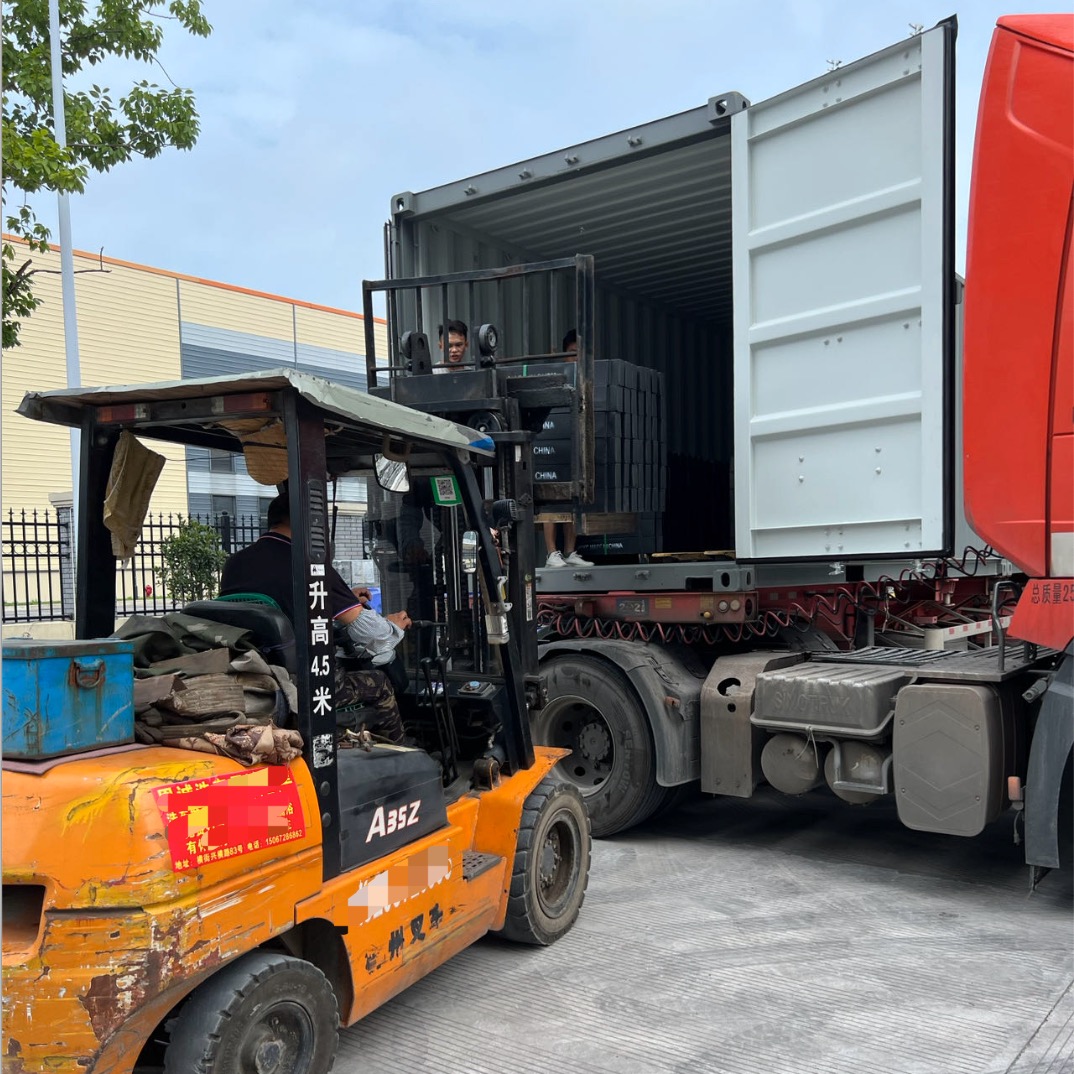
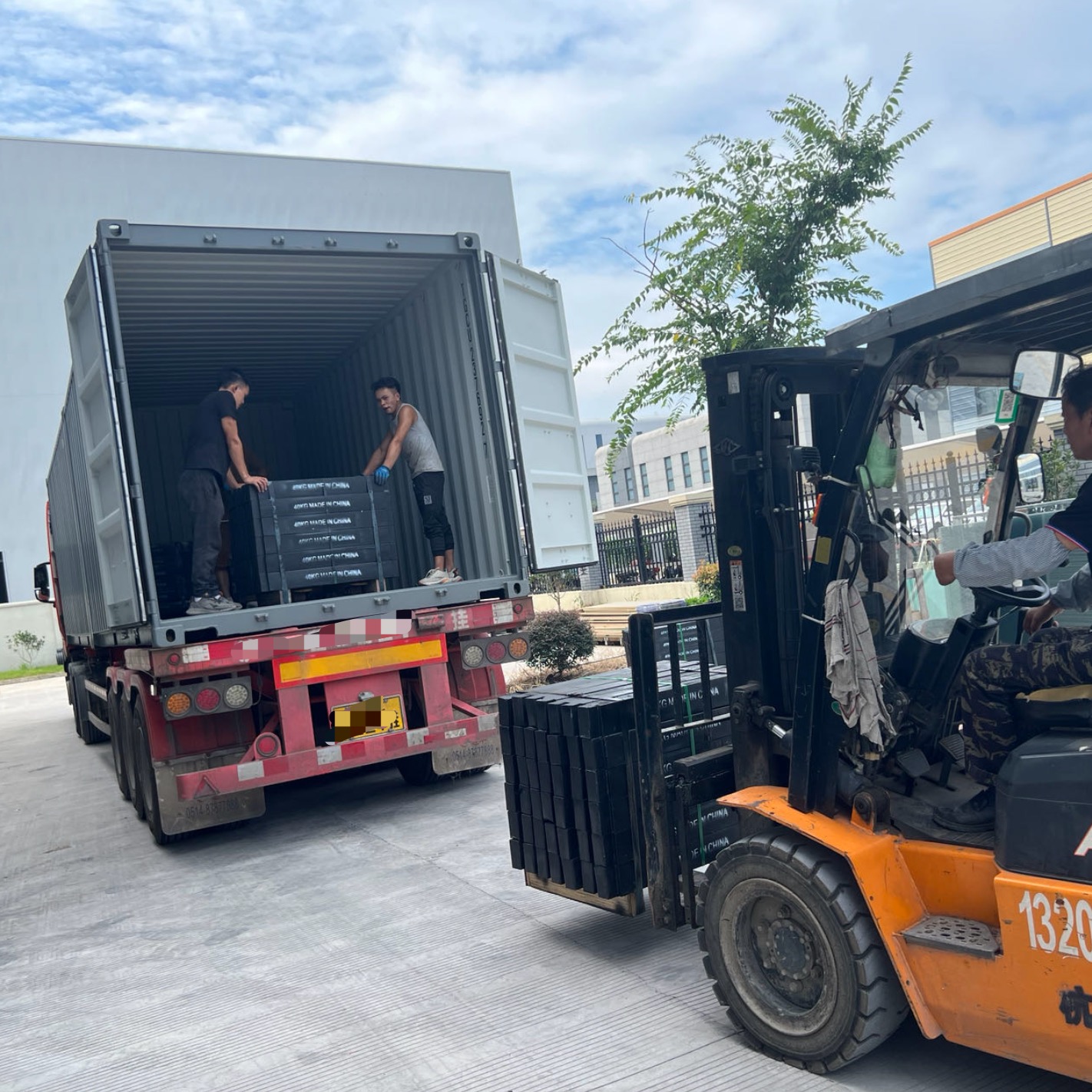
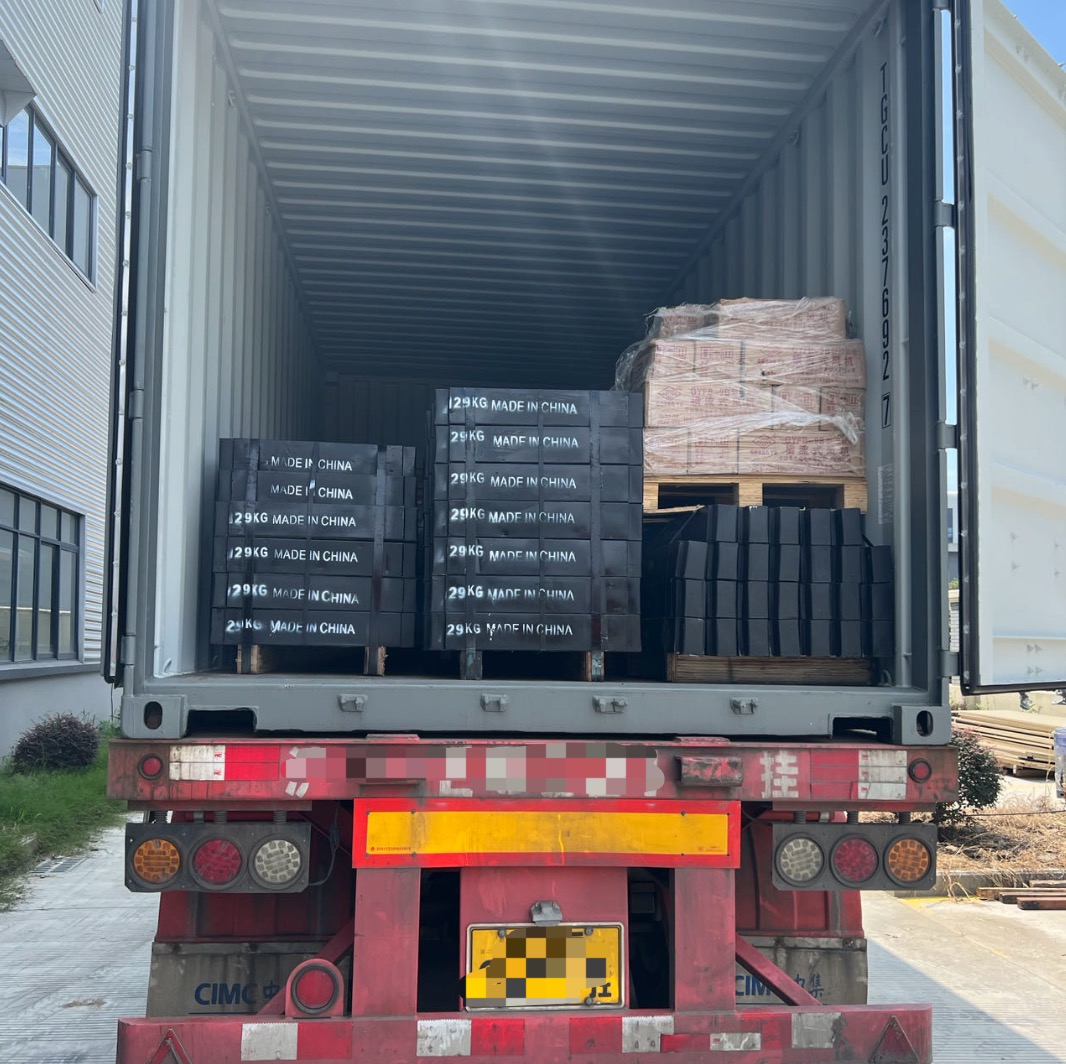
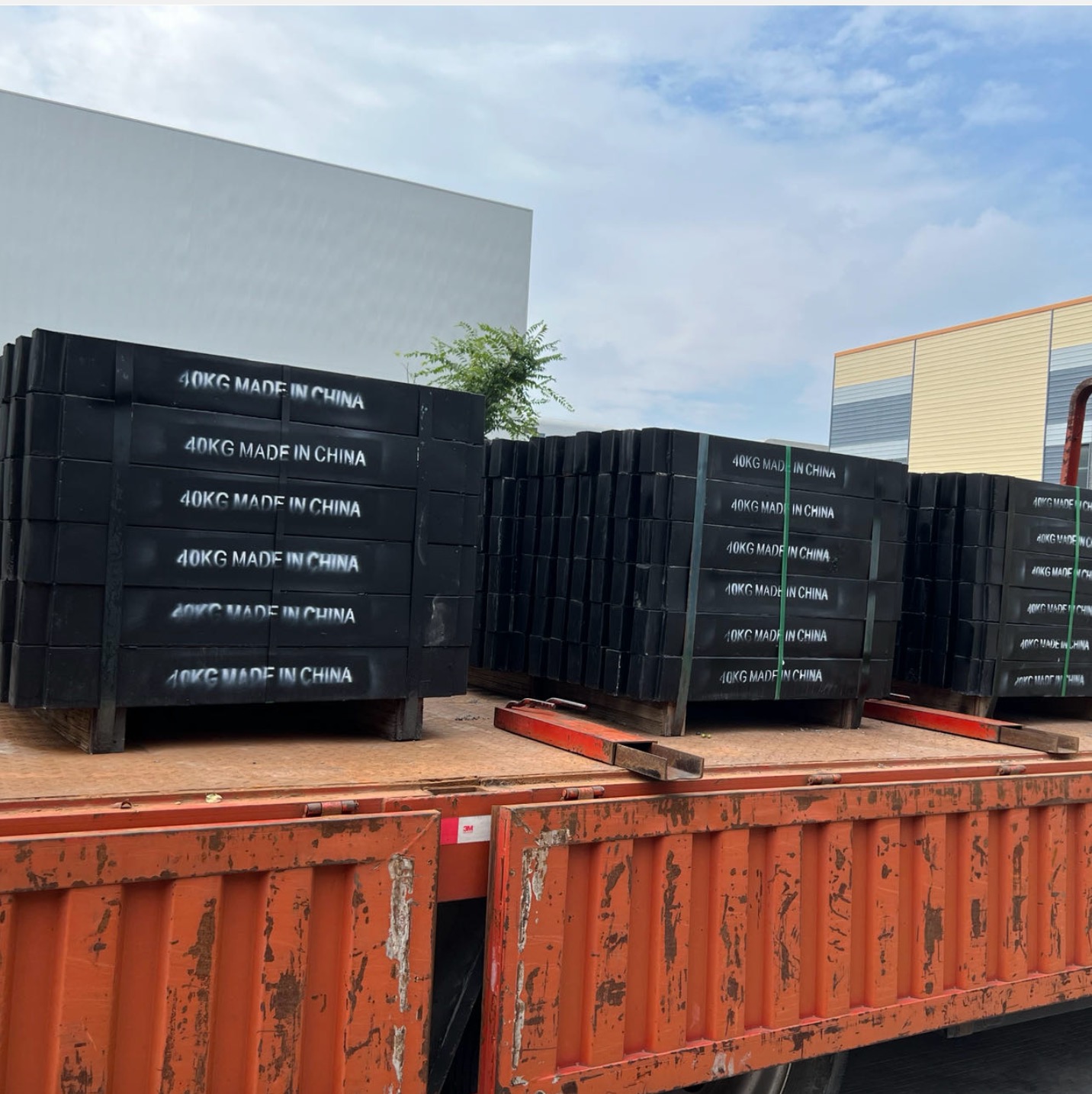
Packing and Shipping