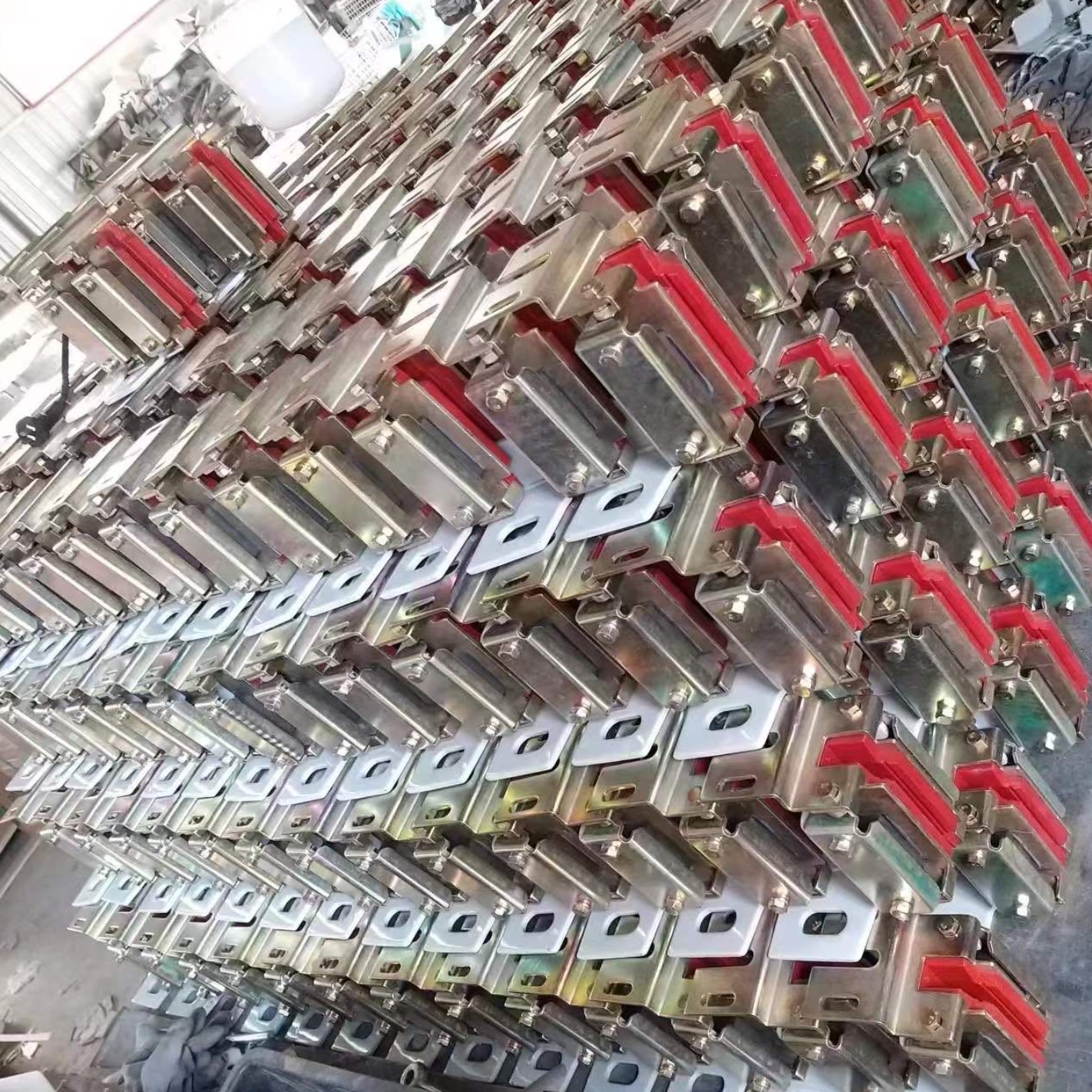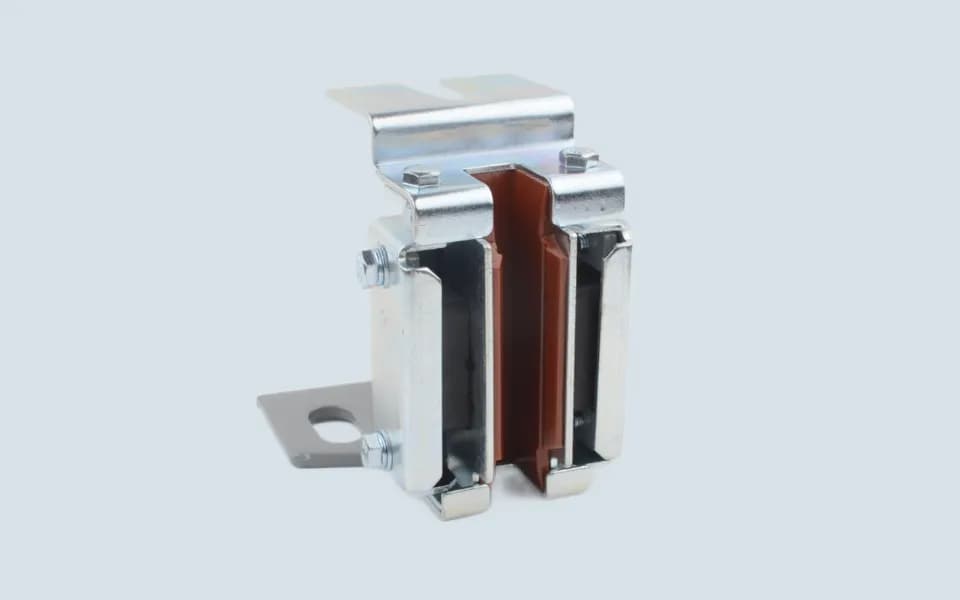
Guide Shoes 9mm 16mm
9 16mm
Please add the quotation and send it to us and get in touch with us immediately
- Global service 24/7
- Lowest price for all products
- Best quality with Production Process
- After-Sale Warranty
- Technical Support
Description
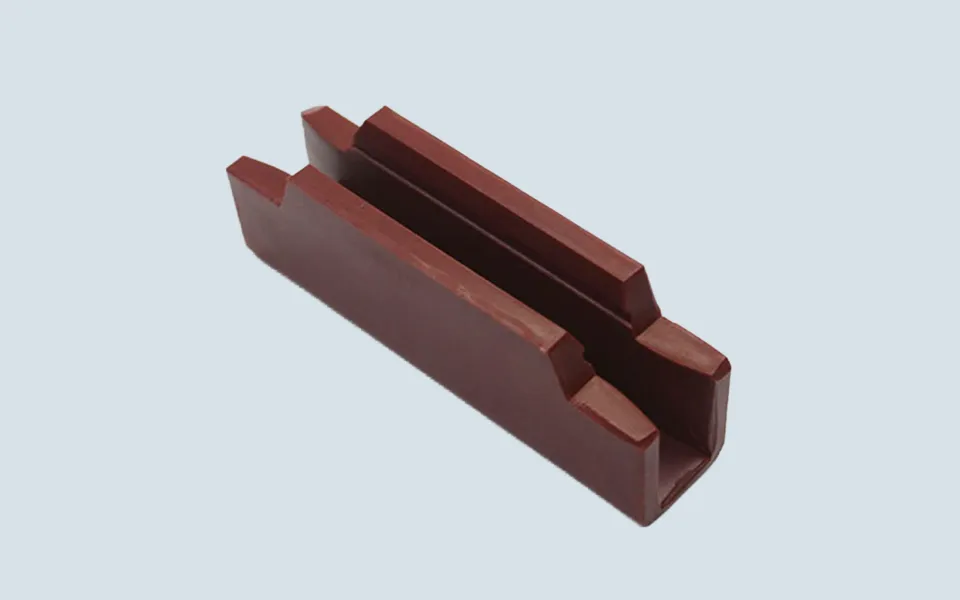
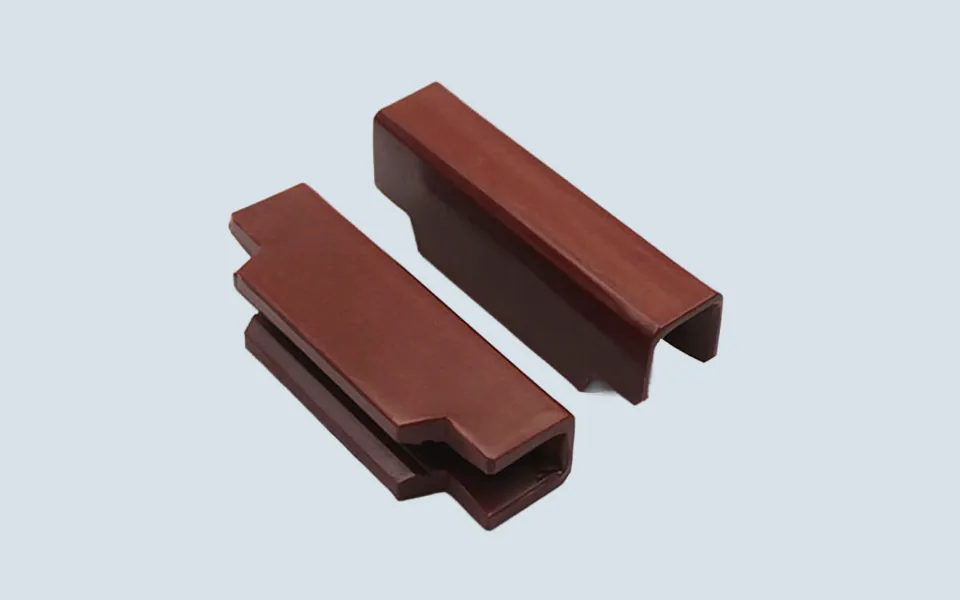
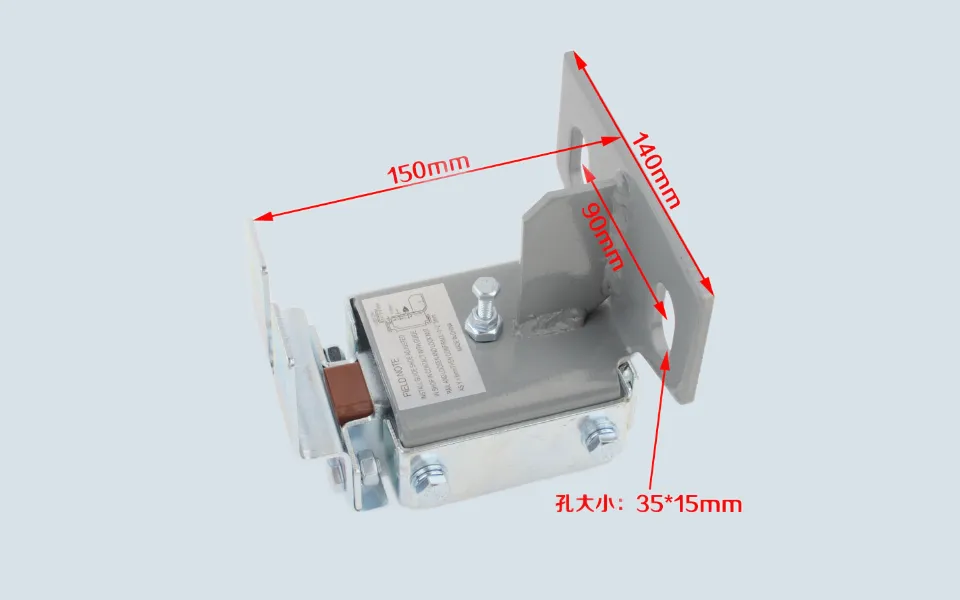
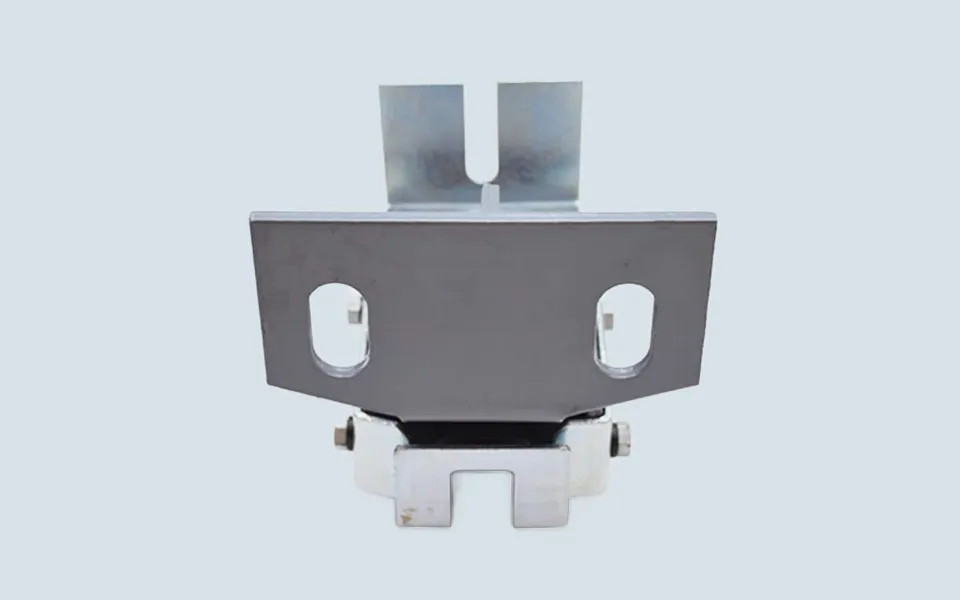
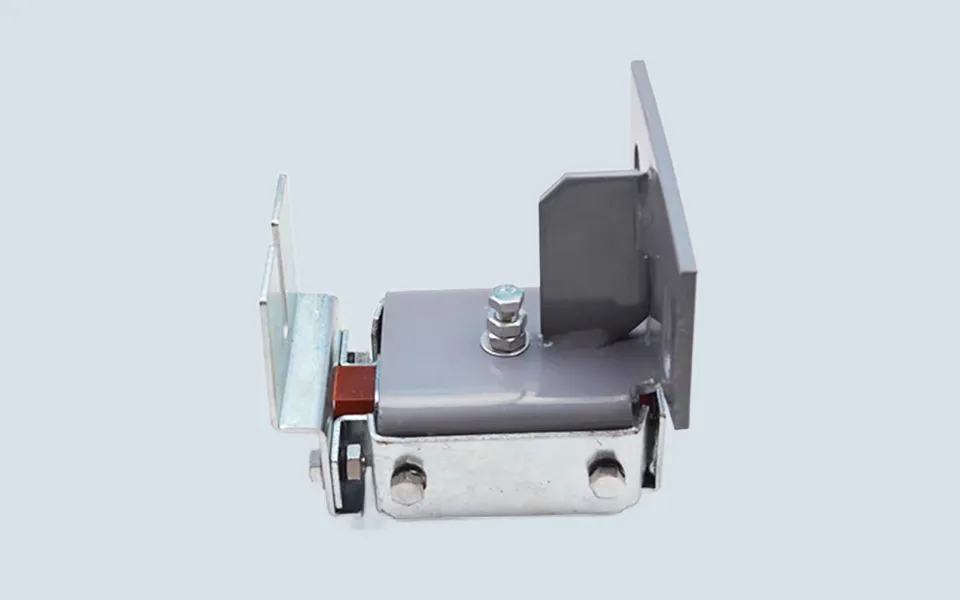
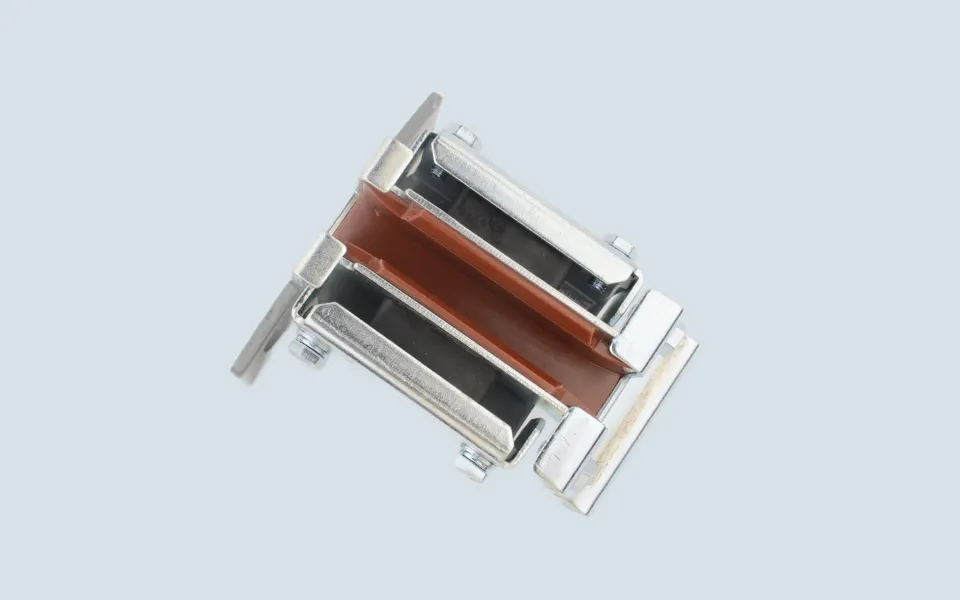
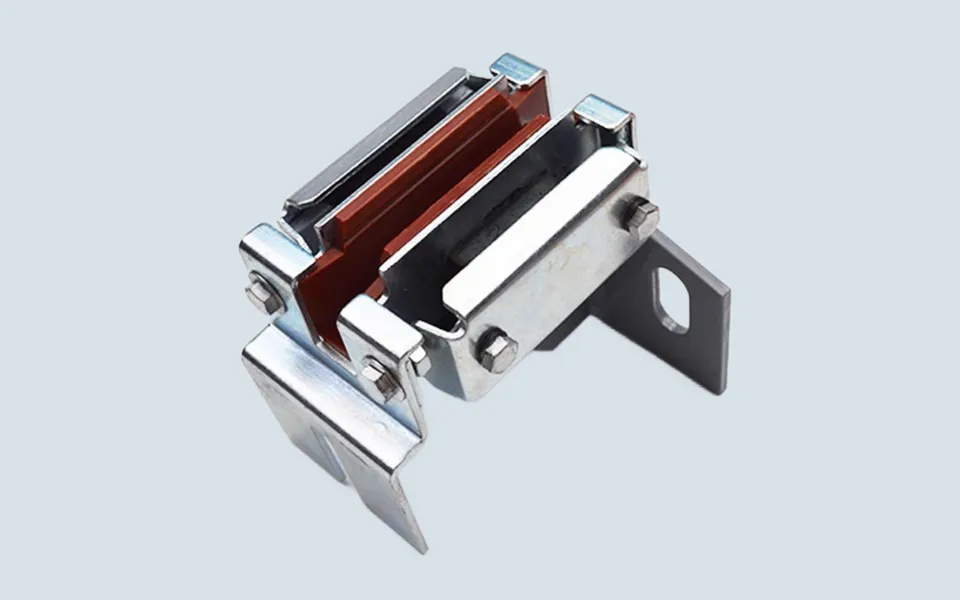
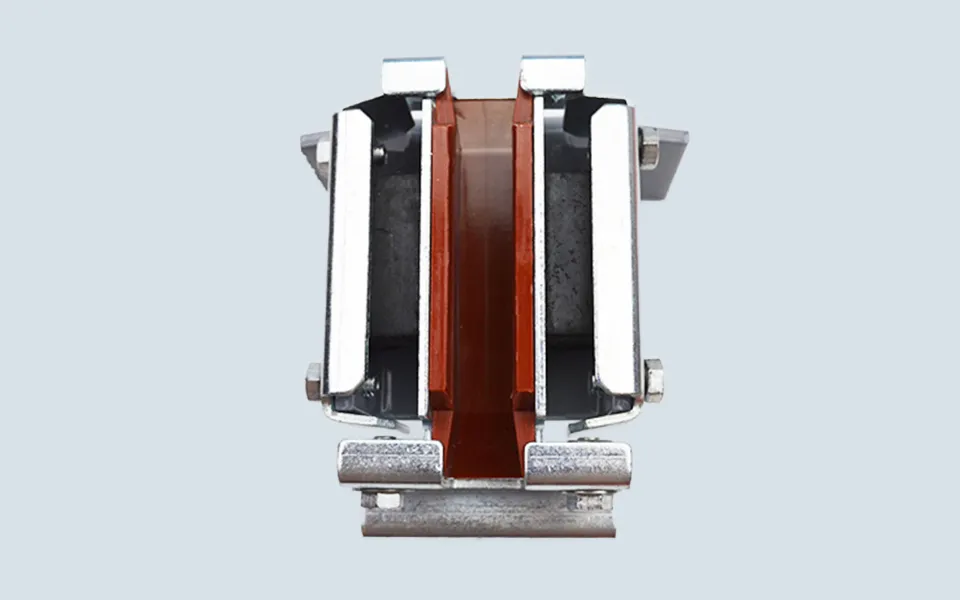
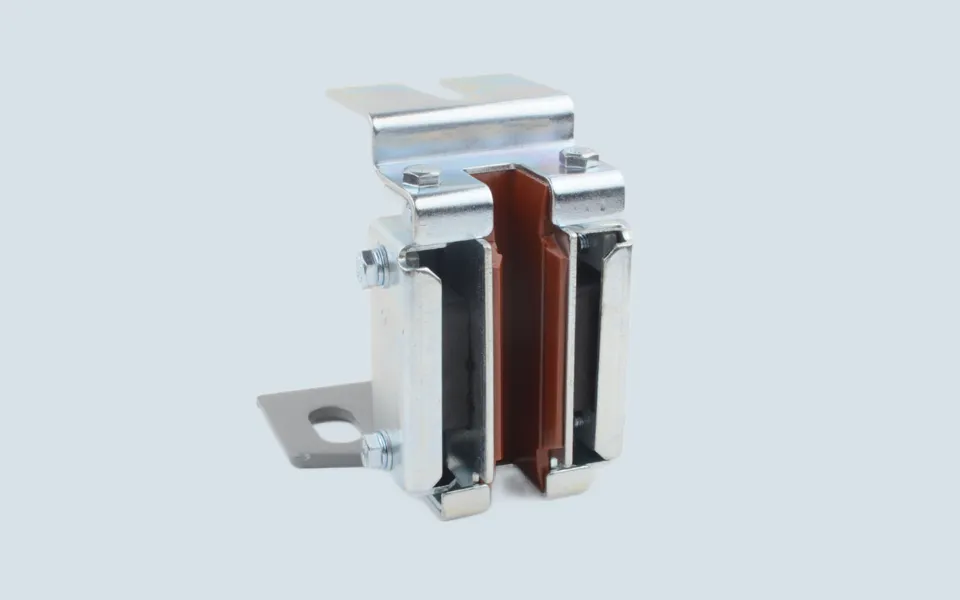
Guide Shoes 9mm 16mm
Sliding Guide Components for Elevator Car and Counterweight Systems
Product Overview
The Guide Shoes 9mm and 16mm are sliding guide components used in elevator systems to maintain stable movement along the guide rails. Installed on the car frame or counterweight frame, they help ensure consistent alignment during vertical travel.
In practical installations, the choice between 9mm and 16mm guide shoes depends on rail size, system configuration, and operating conditions. In projects across Turkey and Brazil, technicians often select different shoe sizes based on rail specifications and expected usage intensity rather than using a single standard solution.
Because guide shoes are in continuous contact with the rail surface, their condition directly affects ride stability and long-term wear behavior.
Functional Role in Elevator Operation
Guide shoes are part of the elevator guiding system rather than the driving system.
Their main functions include:
- maintaining alignment between car and guide rails
- reducing lateral movement during operation
- supporting smooth vertical travel
- helping absorb minor vibration from rail interaction
Unlike roller guide systems, sliding guide shoes rely on contact surfaces to control movement, which makes material condition and clearance important in daily operation.
9mm vs 16mm – Practical Difference
The difference between 9mm and 16mm guide shoes is mainly related to rail compatibility and installation requirements.
In general:
- 9mm guide shoes are often used for smaller rail profiles or lighter-duty applications
- 16mm guide shoes are more suitable for larger rail systems or installations requiring higher stability
In maintenance work, replacing guide shoes with the correct size is essential to maintain proper clearance and avoid irregular wear on the guide rail.
Application Context
Guide shoes are commonly used in:
- passenger elevators
- freight elevators
- residential and commercial lift systems
- modernization projects
In older installations, especially in parts of Southern Europe such as Italy, guide shoe replacement is often part of routine maintenance when sliding surfaces become worn or noisy.
Technical Specifications
| Parameter | Description |
|---|---|
| Product Type | Elevator Guide Shoe |
| Sizes | 9mm / 16mm |
| Application | Guide Rail Sliding System |
| Function | Alignment and Stability Control |
| Installation | Car Frame / Counterweight Frame |
| System Role | Guide and Movement Support |
Maintenance Notes
Technicians may inspect or replace guide shoes when:
- excessive noise occurs during travel
- uneven wear appears on sliding surfaces
- vibration increases during operation
- clearance between shoe and rail becomes inconsistent
Maintaining proper guide shoe condition helps protect both the rail and the overall running stability of the elevator.
Frequently Asked Questions
What are elevator guide shoes used for?
They are used to guide the elevator car and counterweight along the rails and maintain stable movement.
What is the difference between 9mm and 16mm guide shoes?
The size relates to rail compatibility and system requirements, with larger sizes typically used for heavier or more stable installations.
When should guide shoes be replaced?
Replacement is recommended when wear, noise, or instability affects elevator operation.
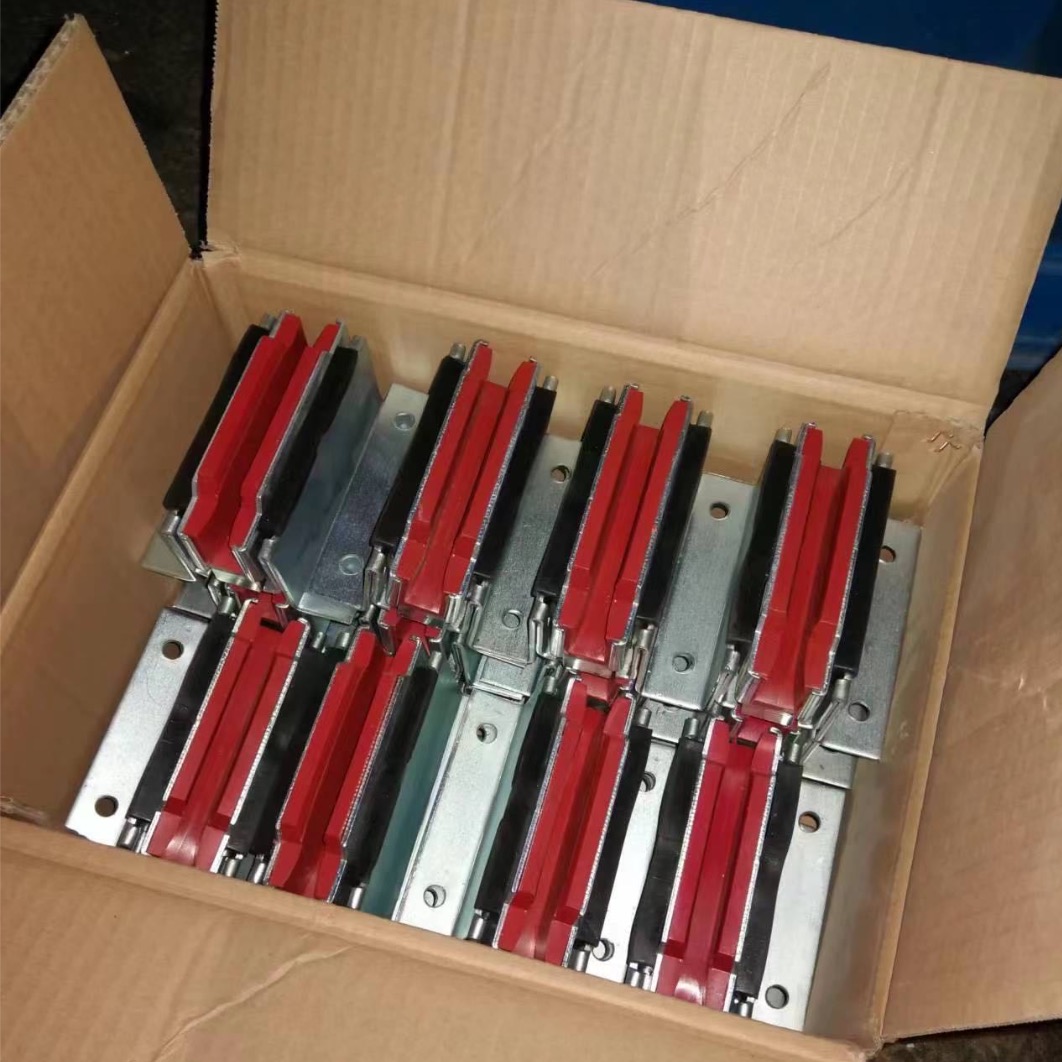
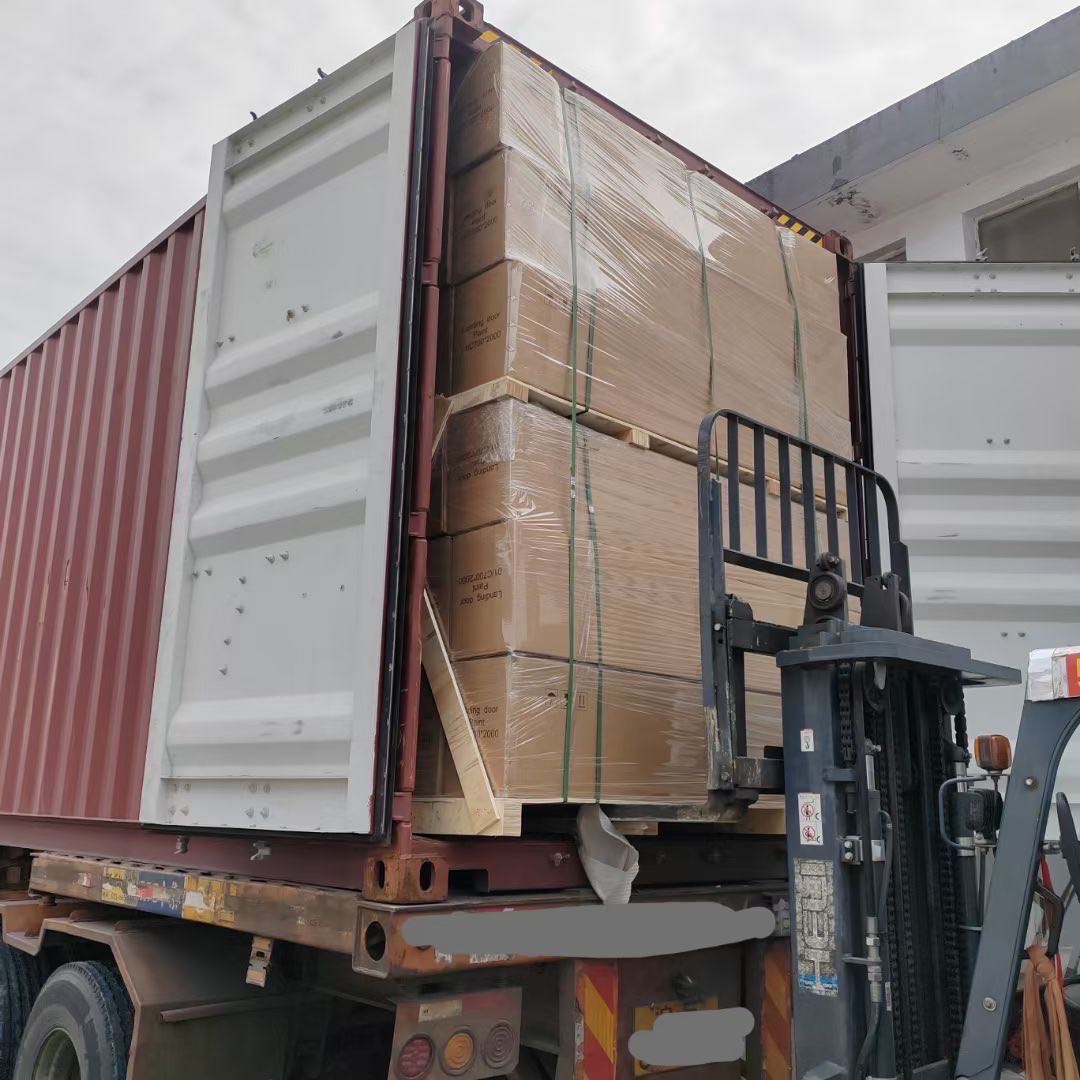
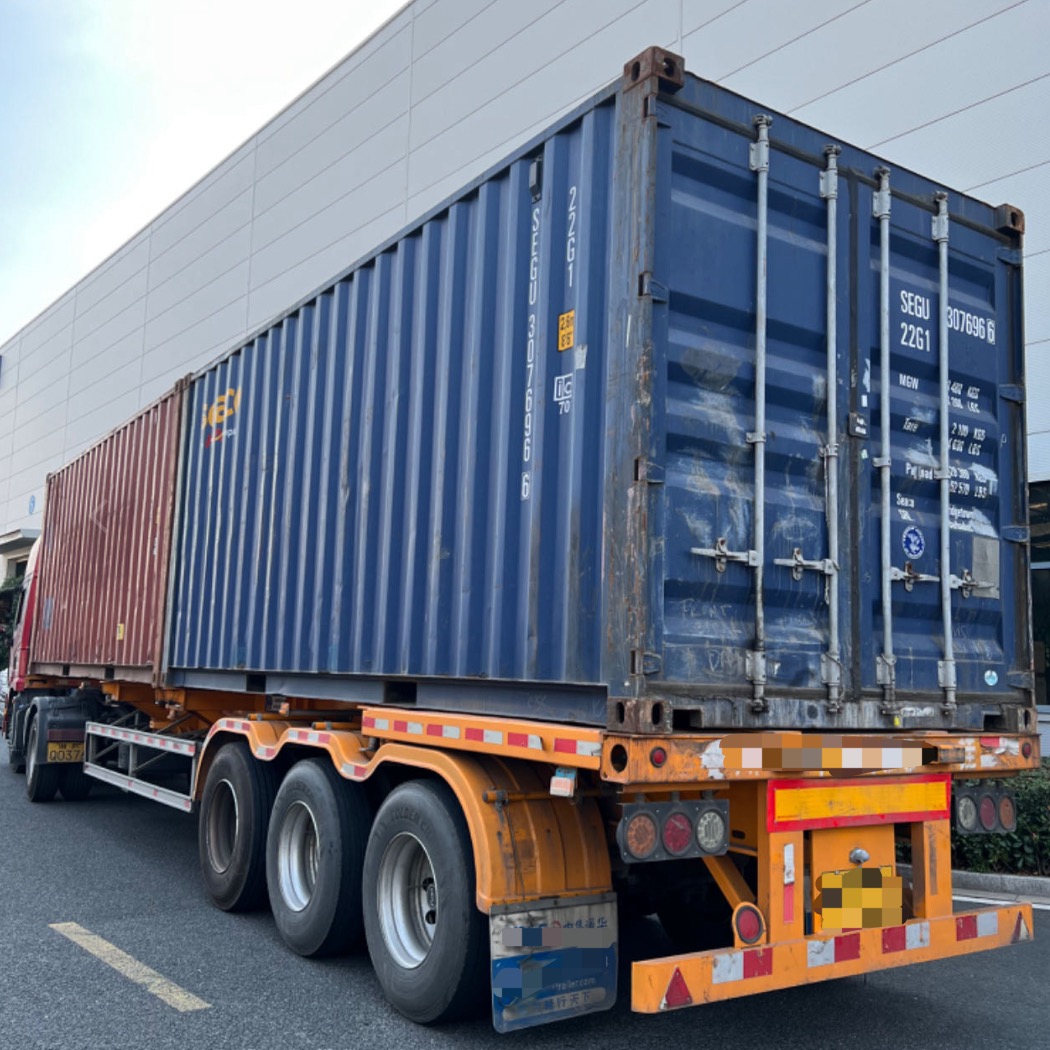
Packing and Shipping