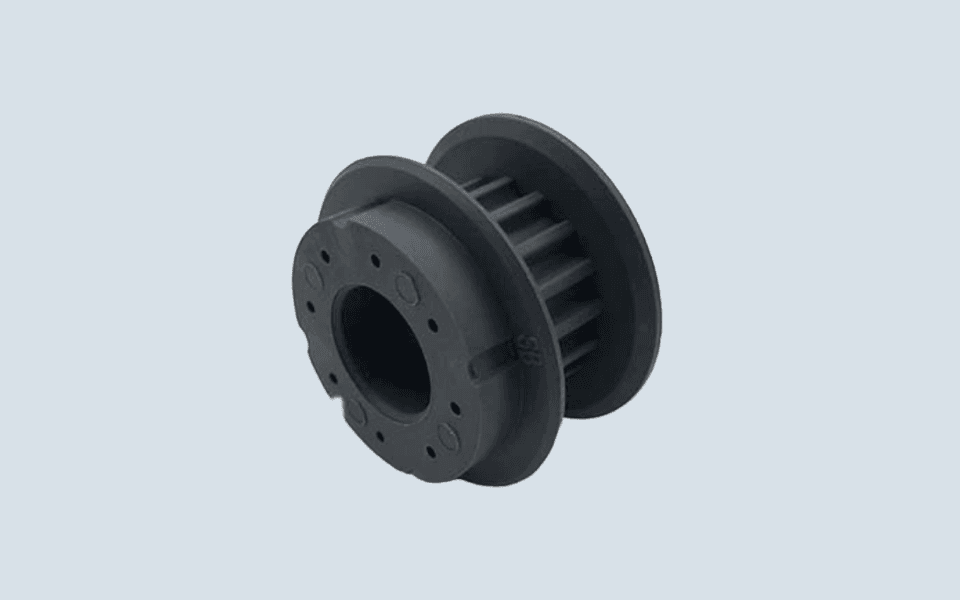
Fermator K200 K300 Belt Roller
Please add the quotation and send it to us and get in touch with us immediately
- Global service 24/7
- Lowest price for all products
- Best quality with Production Process
- After-Sale Warranty
- Technical Support
Description
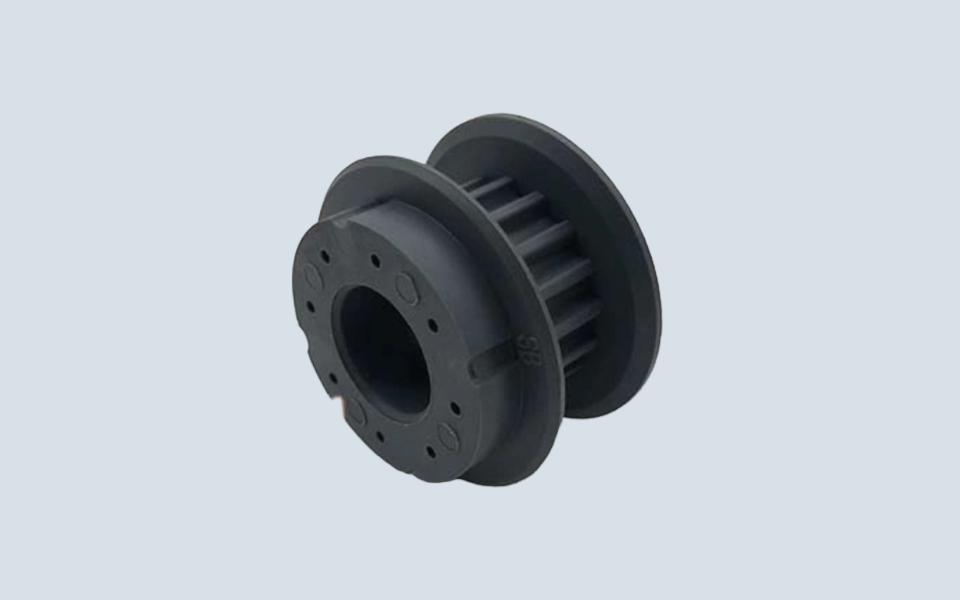
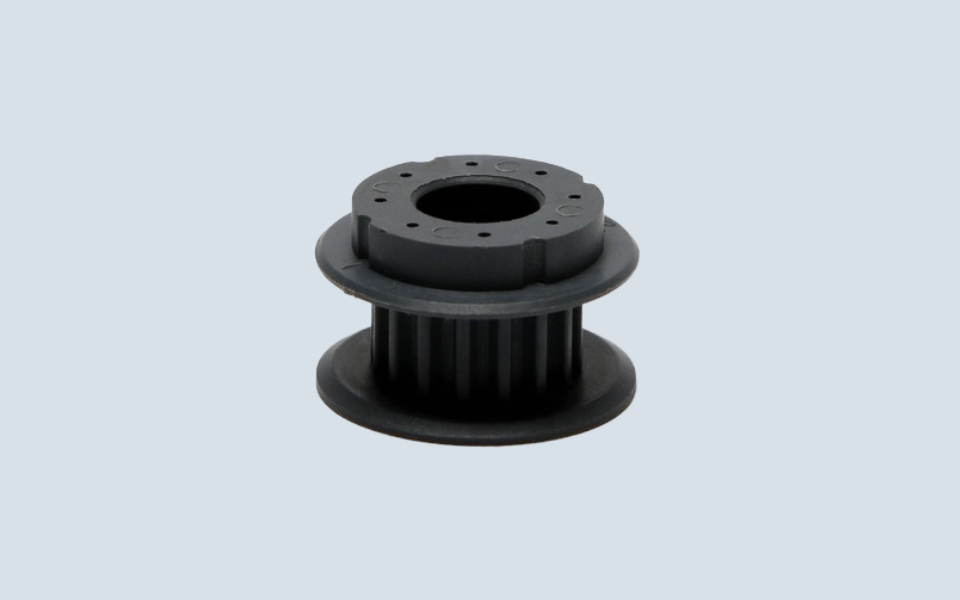
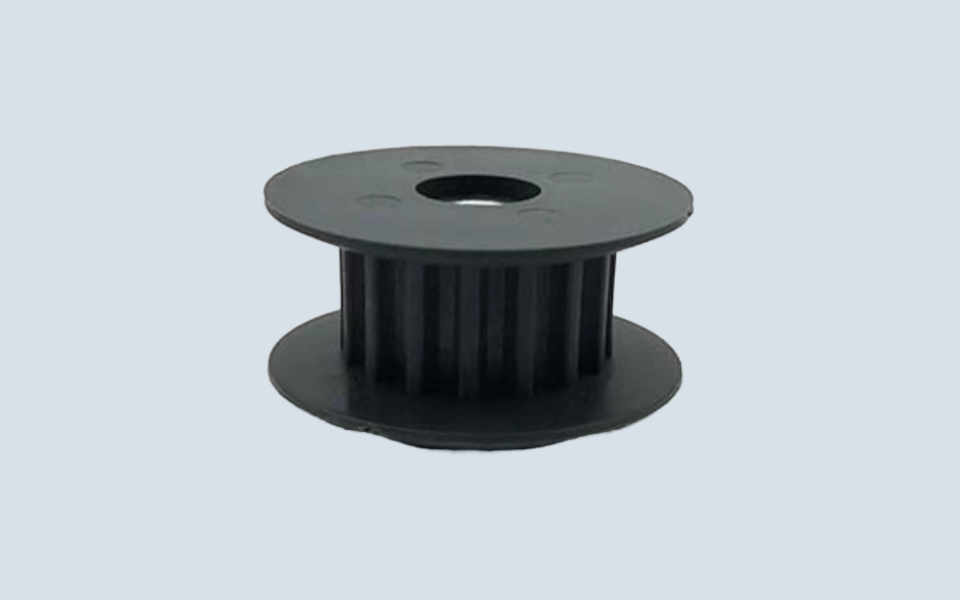
Fermator K200 K300 Belt Roller
Transmission Roller for Elevator Door Belt Systems
Product Overview
The Fermator K200 K300 Belt Roller is a transmission support component used in elevator automatic door systems. It is mainly installed within the belt-driven door mechanism to guide and stabilize belt movement during door opening and closing operation.
In maintenance projects across regions such as Spain and Egypt, belt rollers are commonly replaced after extended operation due to continuous friction and rotational wear. Stable belt guidance is important for maintaining smooth door transmission and reducing abnormal vibration during operation.
This type of roller is commonly associated with Fermator K200 and K300 automatic door systems.
Function in Door System
The belt roller mainly supports:
- belt guidance during movement
- stabilization of belt transmission
- reduction of friction inside the drive system
- smoother door opening and closing action
Stable roller movement helps maintain consistent belt tension and transmission efficiency.
Difference from Standard Door Rollers
Compared with ordinary guide rollers:
- Guide Roller → supports door panel movement
- Belt Roller → supports belt transmission movement
The belt roller operates as part of the drive transmission mechanism rather than the door panel guide structure.
Role in Belt Drive Operation
Inside automatic door systems, the belt roller helps:
- maintain proper belt travel direction
- reduce transmission instability
- improve movement consistency
- support smoother drive response during operation
In high-cycle systems, stable belt transmission directly affects door performance.
Application Context
This component is commonly used in:
- Fermator K200 automatic door systems
- Fermator K300 automatic door systems
- passenger elevators
- maintenance and modernization projects
In commercial buildings with frequent elevator operation, belt rollers are considered wear-related transmission components.
Common Maintenance Situations
Technicians may inspect or replace the roller when:
- belt movement becomes unstable
- abnormal transmission noise appears
- door opening response becomes inconsistent
- visible roller wear affects belt alignment
Replacing worn rollers often improves transmission smoothness and operational stability.
Practical Notes
From a maintenance perspective:
- roller condition directly affects belt transmission quality
- proper belt alignment should be checked during replacement
- excessive wear may increase vibration and transmission noise
Stable door operation depends on both belt condition and roller performance.
Frequently Asked Questions
What is the Fermator K200 K300 belt roller used for?
It is used to support belt transmission movement in elevator automatic door systems.
Is it the same as a door guide roller?
No. It is specifically associated with the belt-driven transmission mechanism.
When should it be replaced?
When transmission noise, instability, or belt alignment issues become noticeable.