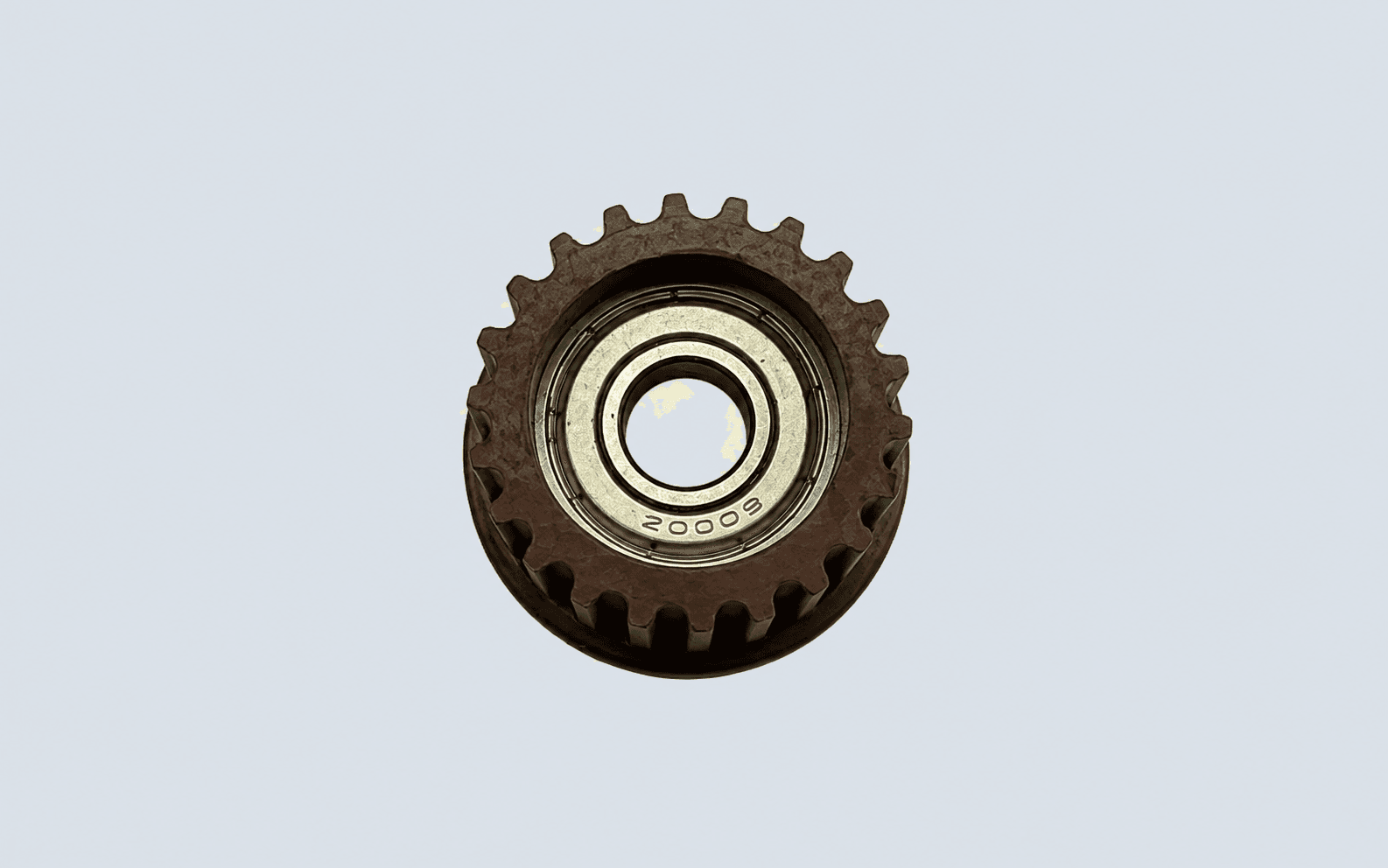
KONE Belt Roller
Please add the quotation and send it to us and get in touch with us immediately
- Global service 24/7
- Lowest price for all products
- Best quality with Production Process
- After-Sale Warranty
- Technical Support
Description
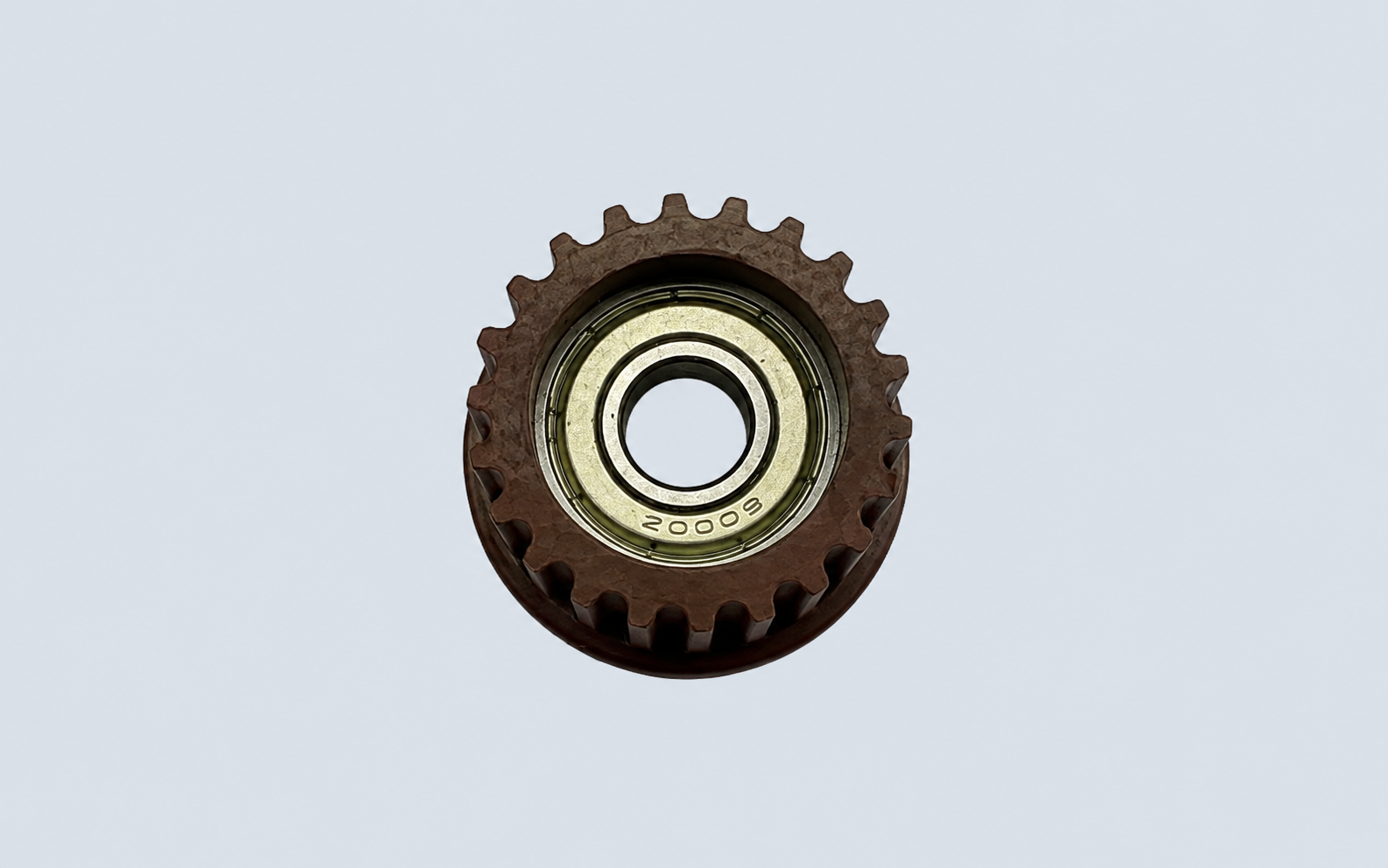
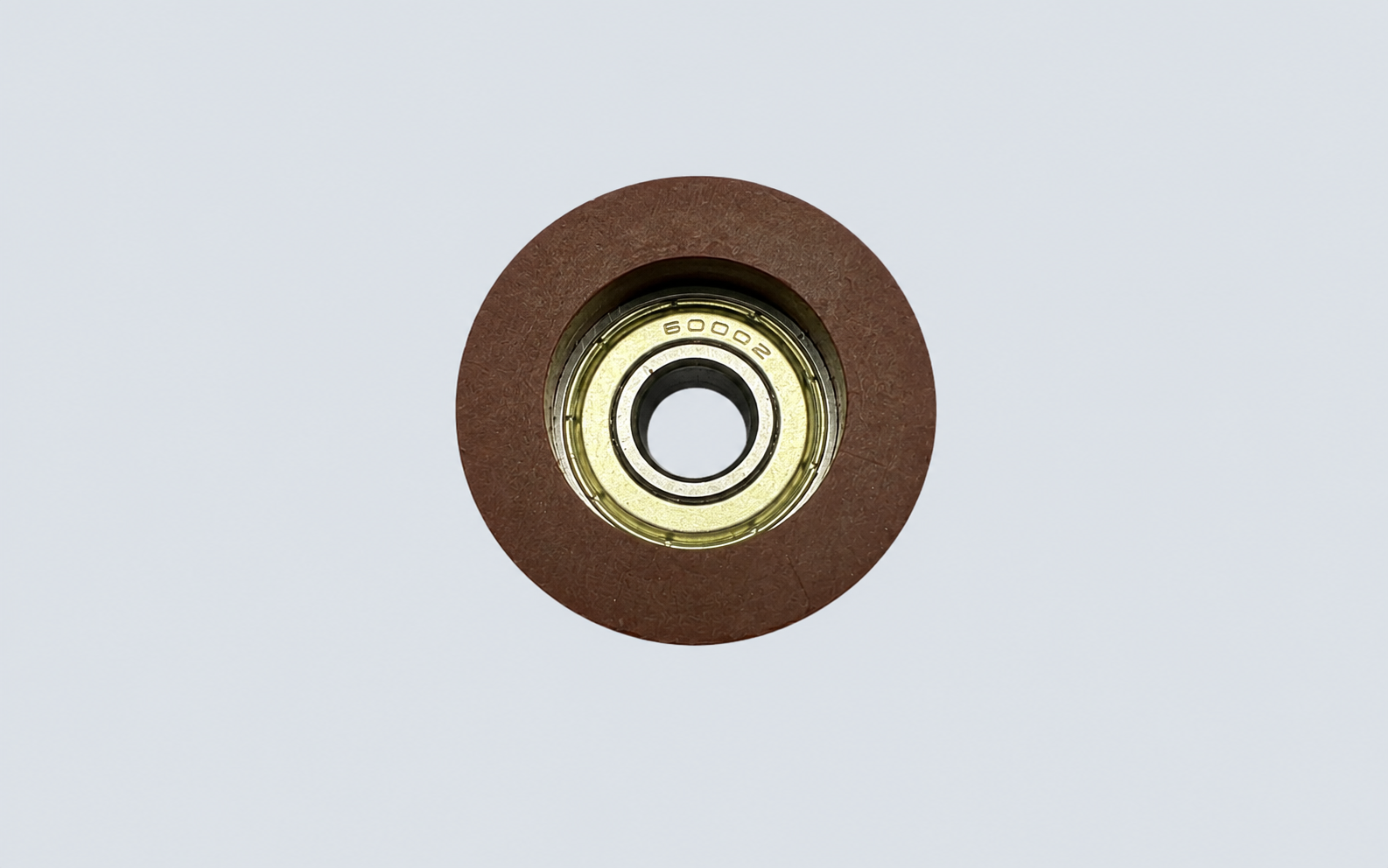
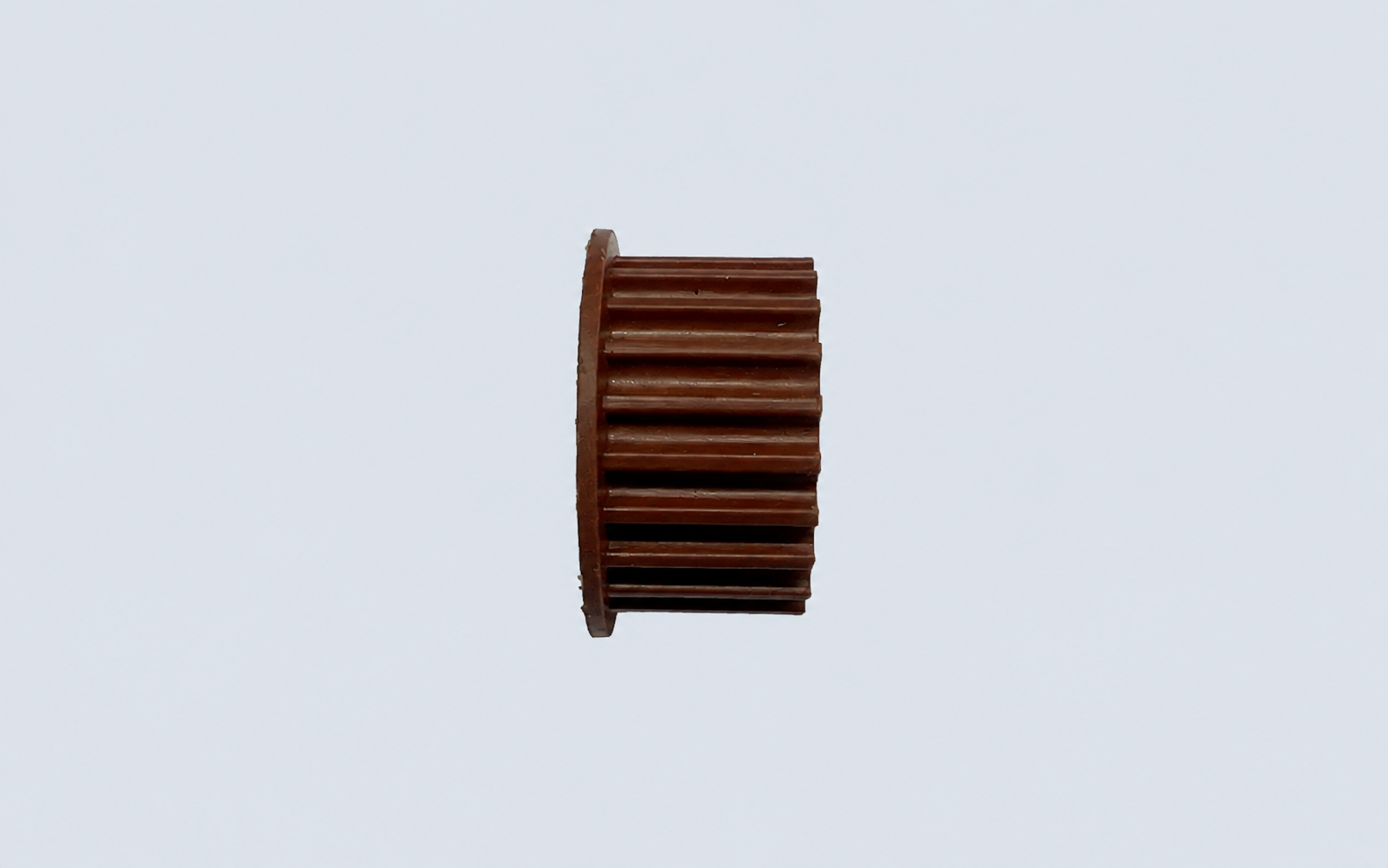
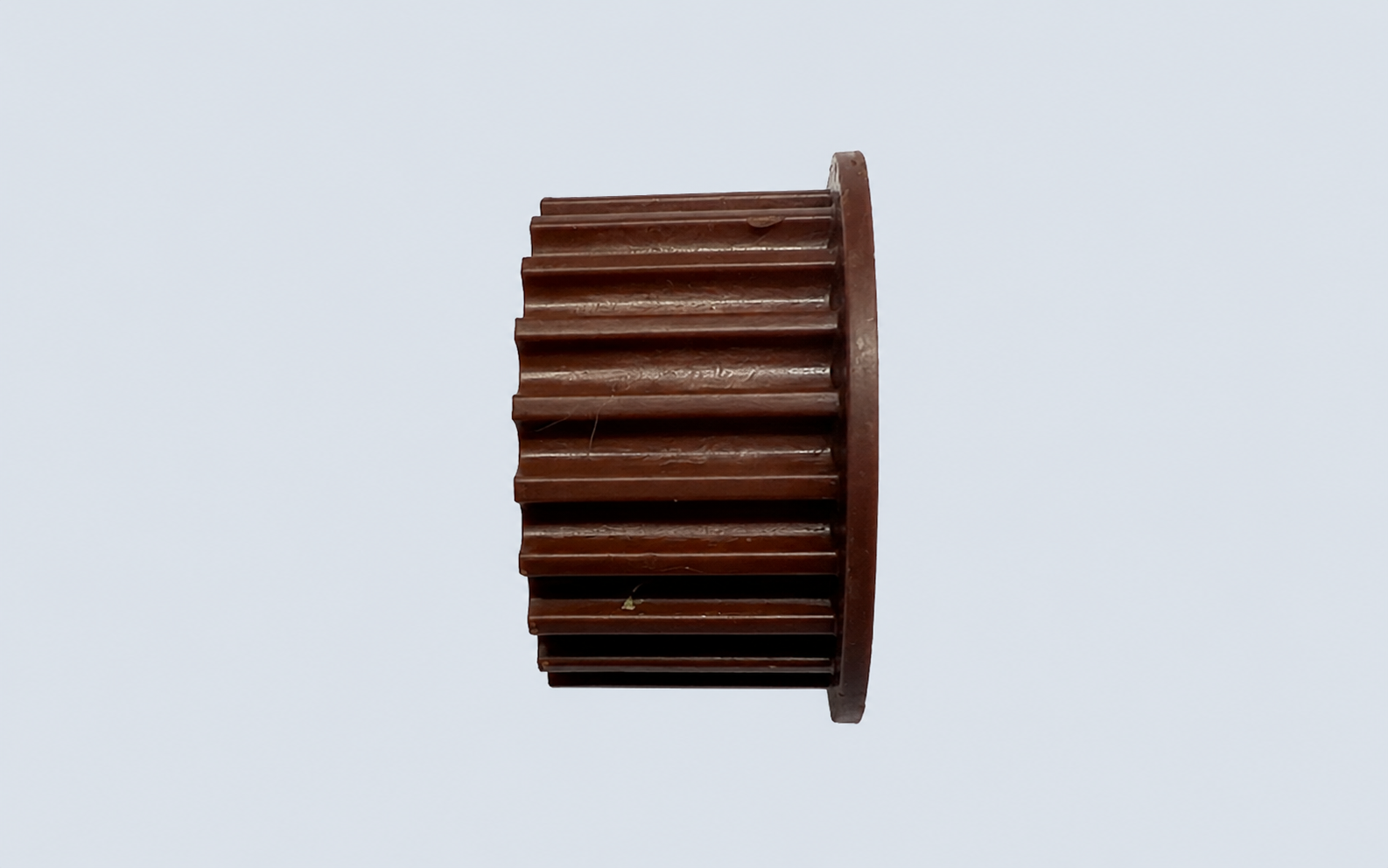
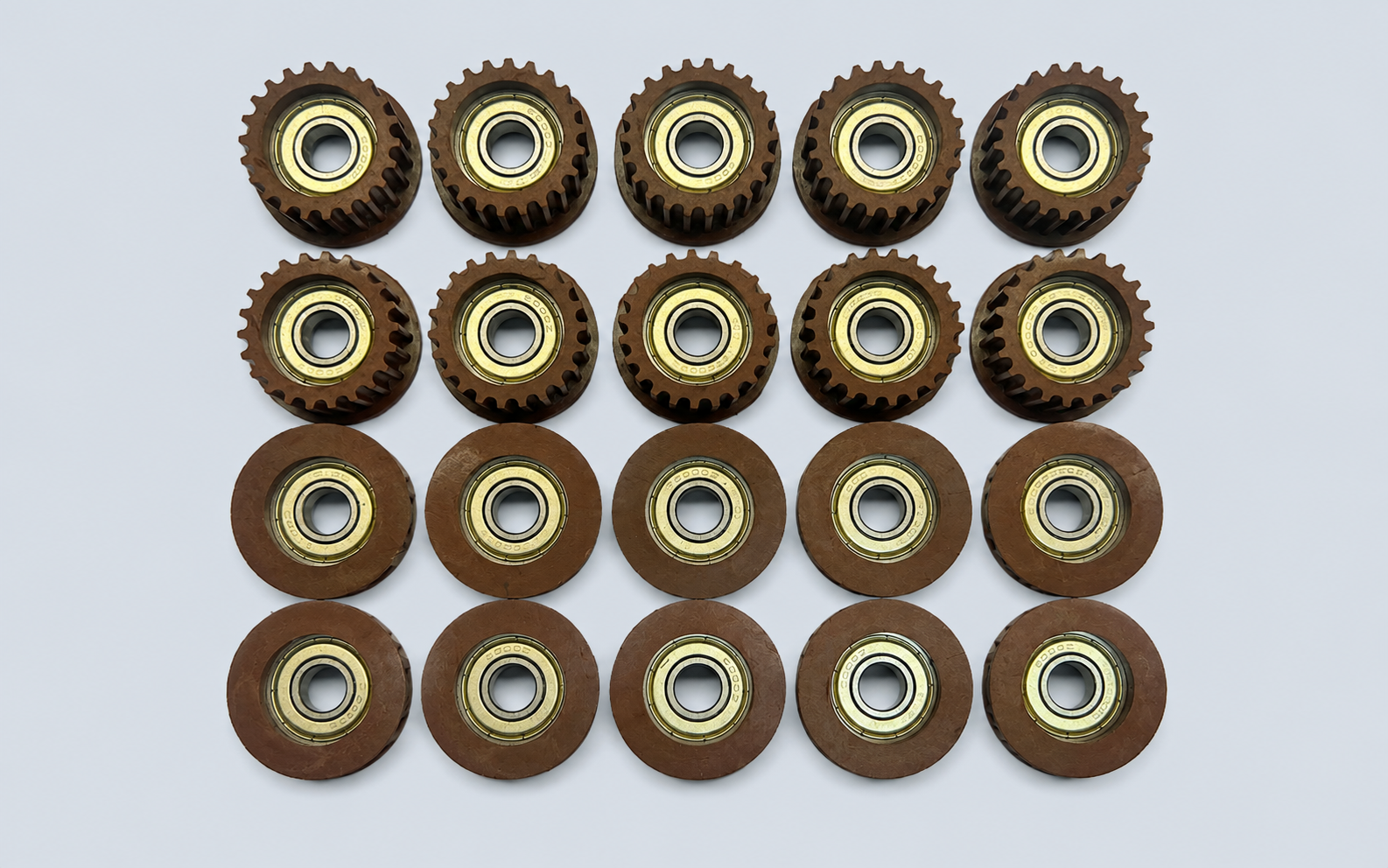
KONE Belt Roller
The KONE Belt Roller is a mechanical component used in elevator door operator belt transmission systems. It supports the movement and guidance of the door drive belt and is supplied for maintenance and replacement of worn or damaged door operator components.
Working With the Door Drive Belt
The belt roller forms part of the mechanical transmission between the door operator and the moving door system.
Depending on the door operator configuration, the roller may work as a guide, diverting or driven pulley for the timing belt.
Wear on the roller surface, bearing or belt contact area can affect smooth door movement and may contribute to abnormal noise or unstable belt operation.
Dimensions Are the Best Reference
Different KONE door systems use different belt rollers, so the product name alone is usually not enough for replacement identification.
Before ordering, please confirm:
Outer diameter
Roller width
Inner diameter / shaft size
Number of teeth, if toothed
Bearing number
Complete roller photos
KONE part number, if available
Related door operator model
Required quantity
The original roller should be used as the main reference when the KONE part number is unavailable.
FAQ
What is a KONE Belt Roller used for?
It is used in the elevator door operator belt transmission system to guide, support or drive the door belt.
Are all KONE belt rollers the same size?
No. Different door operator models can use different roller diameters, widths, teeth and bearing configurations.
What should I measure before ordering?
Please check the outer diameter, width, bore or shaft size, number of teeth and bearing specification, and provide clear photos of the original roller.
For KONE Belt Roller requirements, send us the original part photos and dimensions for replacement checking before quotation.