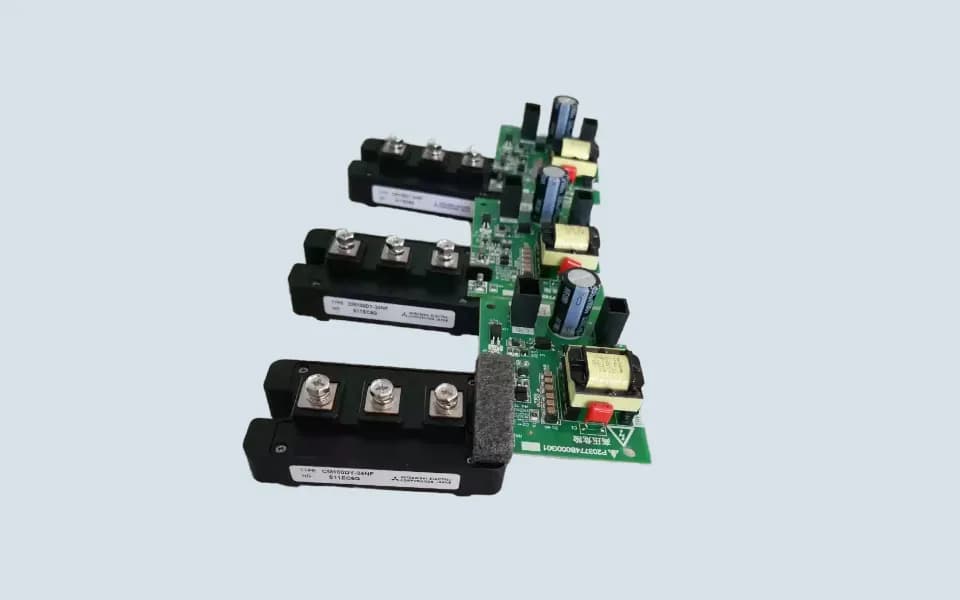
CM100DY-24 P203774B000G01 2MBI100VA-120-50 Mitsubishi Elevator Drive Board
CM100DY-24 P203774B000G01 2MBI100VA-120-50
Please add the quotation and send it to us and get in touch with us immediately
- Global service 24/7
- Lowest price for all products
- Best quality with Production Process
- After-Sale Warranty
- Technical Support
Description
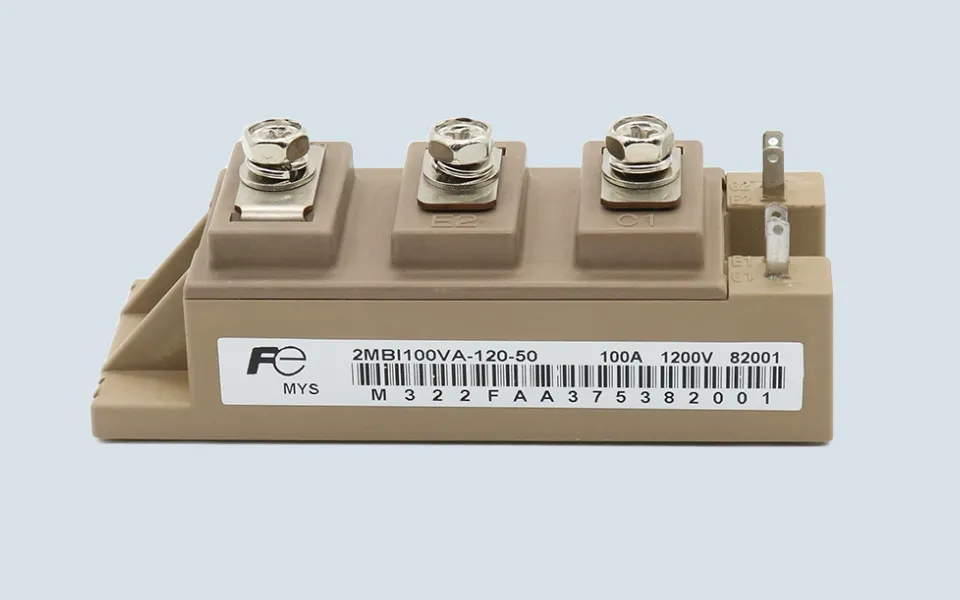
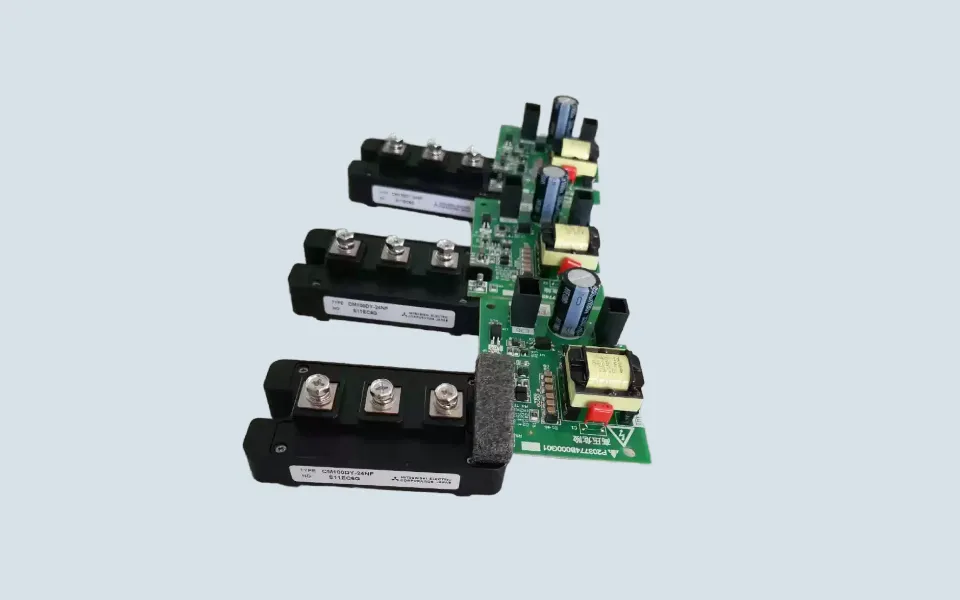
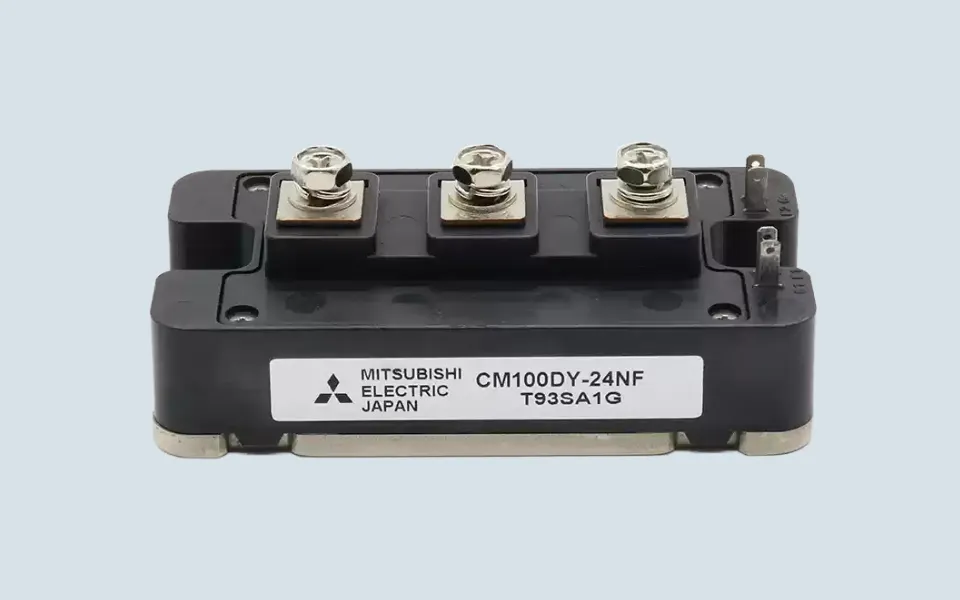
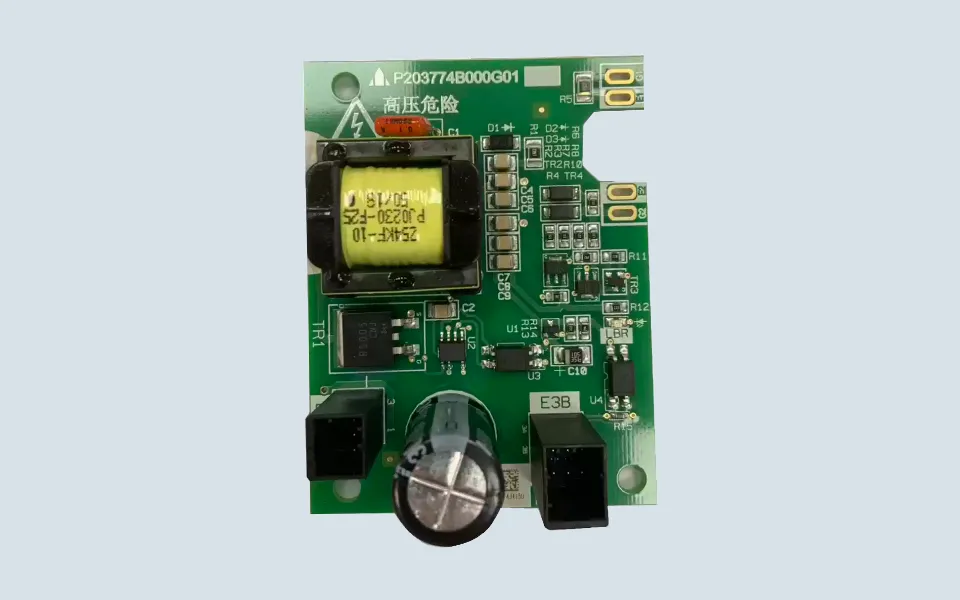
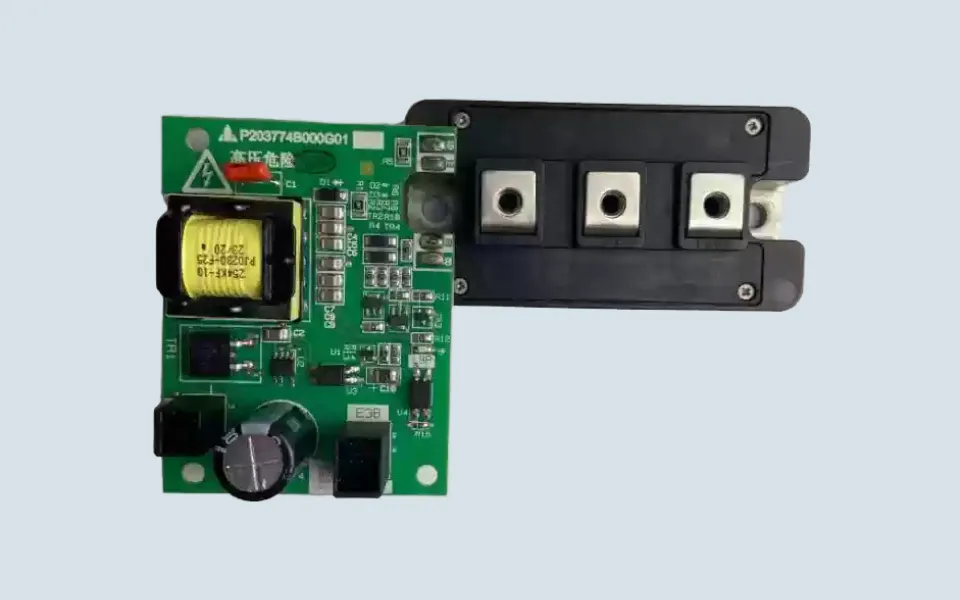
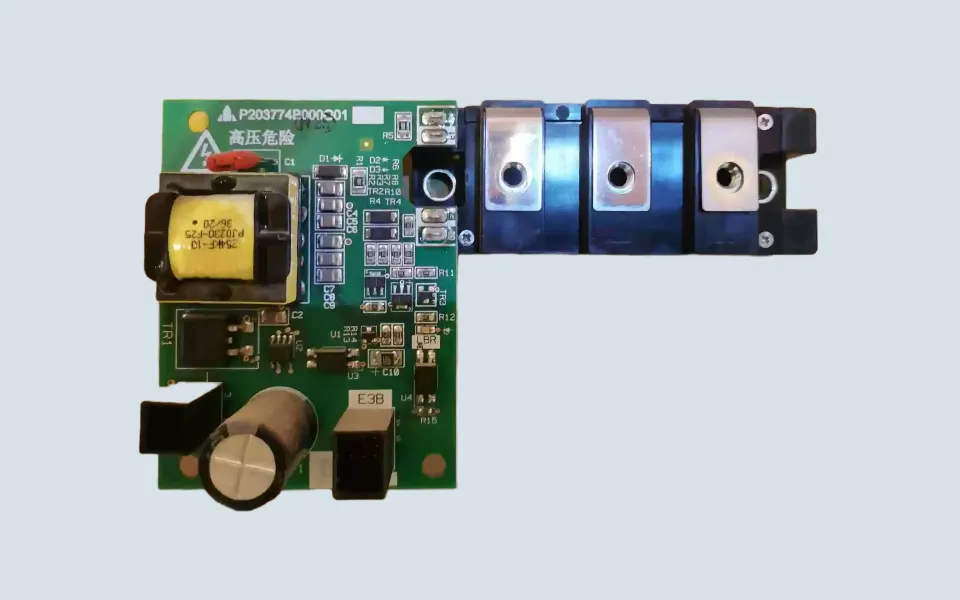
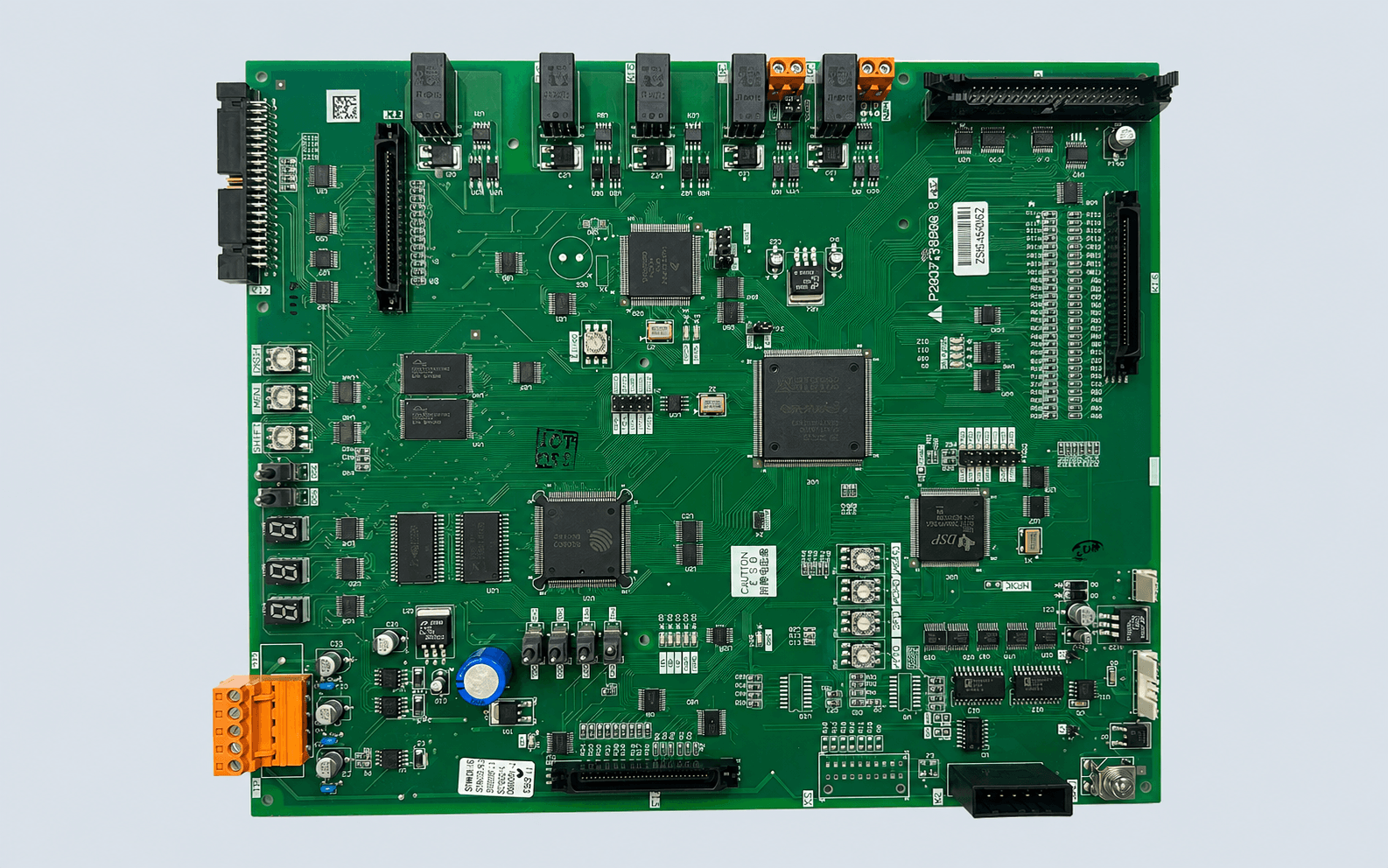
Mitsubishi Elevator Drive Board CM100DY-24 P203774B000G01 2MBI100VA-120-50
P203774B000G01 is a Mitsubishi elevator drive board commonly used in inverter and traction motor control systems.
This assembly is typically associated with:
- elevator inverter drives
- traction motor control
- acceleration and deceleration management
- power conversion systems
- drive protection circuits
The board may work together with power modules such as CM100DY-24 and 2MBI100VA-120-50, which are widely used in high-power switching applications inside elevator drive units. The 2MBI100VA-120-50 is a 1200V / 100A IGBT module designed for inverter applications and motor drive systems.
Related part numbers and power components include:
- P203774B000G01
- CM100DY-24
- 2MBI100VA-120-50
Please confirm the inverter model and original power module configuration before ordering.
Common Field Situation
In older Mitsubishi elevator systems, drive-related faults often appear before complete inverter failure.
Technicians may inspect the drive board when encountering:
- elevator fails to start normally
- inverter trip alarms
- abnormal acceleration behavior
- motor torque instability
- unexpected shutdown during operation
In high-rise buildings with continuous traffic, drive systems operate under repeated load cycles every day, placing long-term stress on both control boards and power modules.
Why Drive Boards Matter
The drive board acts as a bridge between the controller and the inverter power stage.
A stable drive system helps ensure:
- smooth elevator acceleration
- accurate deceleration control
- consistent leveling performance
- improved ride comfort
- reliable traction motor operation
When communication between the drive board and power module becomes unstable, the inverter may generate protection signals or operating faults.
System Relationship
This drive board commonly works together with:
- IGBT modules
- inverter power units
- traction motors
- braking resistors
- main control boards
In many Mitsubishi systems, technicians inspect both the drive board and IGBT module together because similar symptoms may originate from either the control section or the power section.
Practical Maintenance Notes
During modernization projects, maintenance teams often inspect:
- cooling fans
- heat sinks
- IGBT modules
- drive board connectors
- power supply circuits
Poor heat dissipation is one of the common causes of long-term inverter component stress. Many IGBT modules used in elevator drives are designed for fast switching and inverter applications, making thermal management an important part of system reliability.
FAQ
Can a drive board cause elevator startup failure?
Yes. In some Mitsubishi systems, drive board faults may affect inverter operation and prevent normal motor startup.
What happens when an elevator inverter trips repeatedly?
Repeated inverter trips may be related to drive board issues, IGBT module problems, cooling system faults, or abnormal motor load conditions.
Do technicians replace the drive board and IGBT module together?
In some repair projects, both components are inspected or replaced together because they operate within the same drive system architecture.
Installation Notes
Before replacement:
- verify the board model and revision number
- inspect all drive connectors carefully
- check IGBT module compatibility
- confirm heat sink and cooling fan condition
Some Mitsubishi drive systems use different power module configurations even when the drive board layout appears similar.