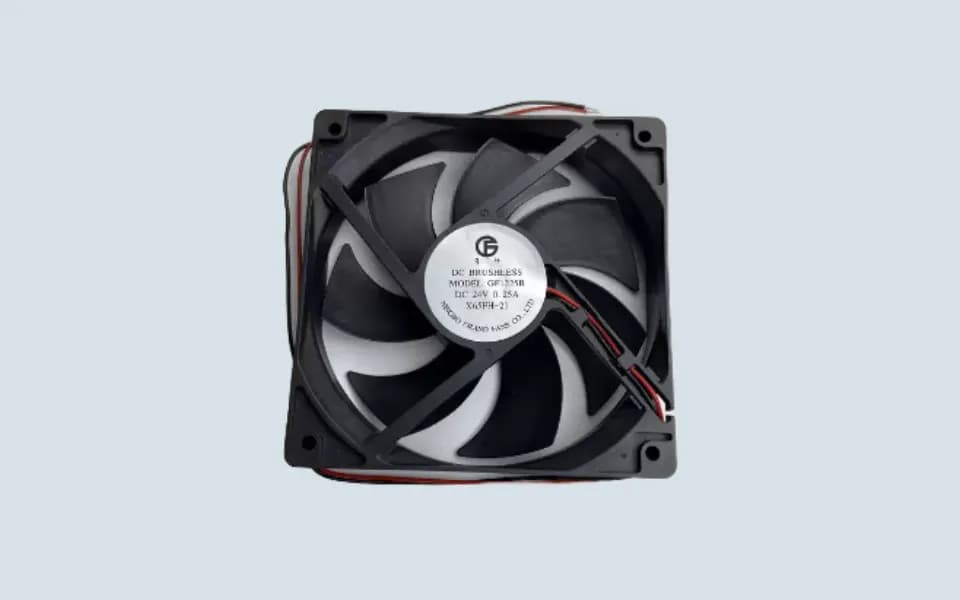
GF1225B X65FH-21 Mitsubishi Elevator Inverter Cooling Fan
Please add the quotation and send it to us and get in touch with us immediately
- Global service 24/7
- Lowest price for all products
- Best quality with Production Process
- After-Sale Warranty
- Technical Support
Description
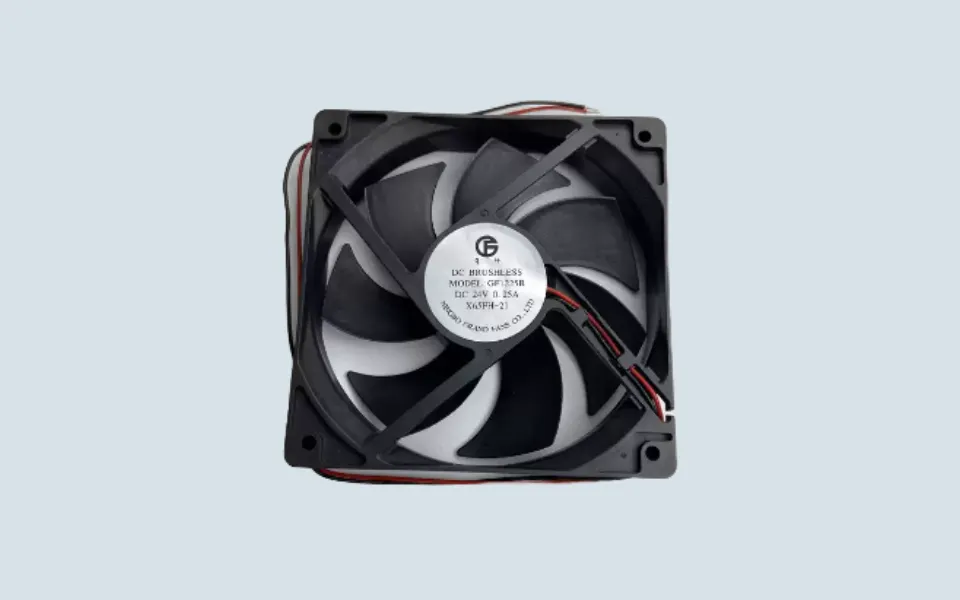
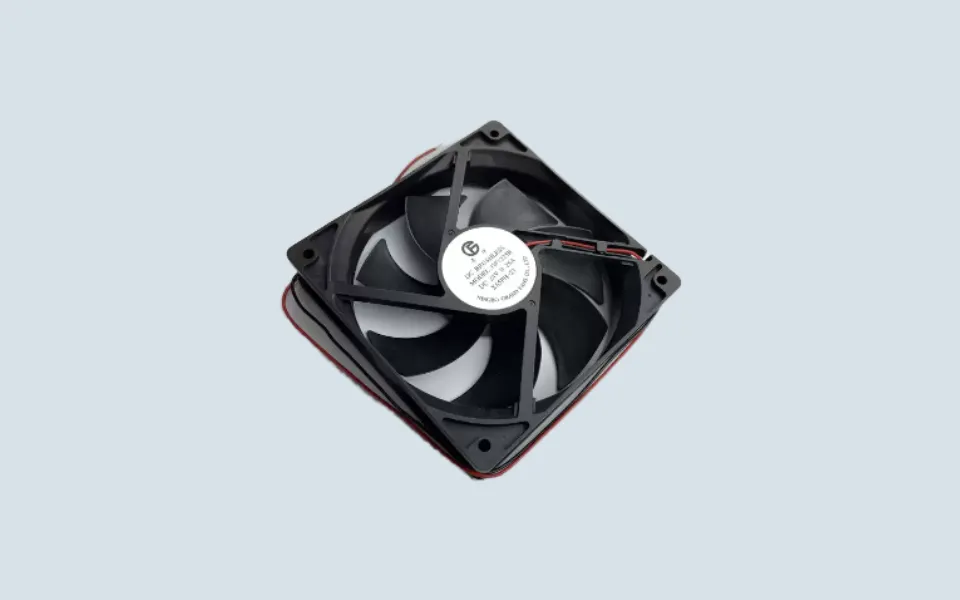
Mitsubishi Elevator Inverter Cooling Fan GF1225B X65FH-21
GF1225B X65FH-21 is an inverter cooling fan commonly used in Mitsubishi elevator drive and control systems.
This fan is typically installed inside inverter cabinets or controller enclosures to provide continuous airflow for heat dissipation.
Typical specifications include:
- 120 × 120 × 25 mm
- DC 24V operation
- inverter cooling application
- control cabinet ventilation
These fans are widely used in elevator inverter systems where stable thermal management is required for long-term operation.
Commonly requested fan references include:
- GF1225B
- X65FH-21
- GF1225B
- X65FH-21
Please confirm DC voltage, connector, and inverter cabinet mounting position before ordering.
Common Field Situation
Unlike cabin ventilation fans, inverter cooling fans usually attract attention only after electrical faults begin to appear.
Technicians may inspect the fan when encountering:
- inverter overheating alarms
- unexpected drive shutdowns
- recurring inverter trips
- abnormal cabinet temperatures
- cooling system warnings
In high-rise buildings and busy commercial environments, elevator drives may operate continuously for long periods, making effective cooling especially important.
Why Inverter Cooling Matters
The inverter is one of the most heat-sensitive components inside an elevator control system.
A properly functioning cooling fan helps protect:
- IGBT modules
- drive boards
- power supplies
- braking circuits
- inverter control electronics
When airflow becomes insufficient, internal temperatures may rise gradually and reduce the reliability of electronic components.
For this reason, many maintenance teams inspect cooling fans before replacing expensive inverter assemblies.
System Relationship
The GF1225B X65FH-21 fan commonly works together with:
- inverter drive boards
- IGBT power modules
- braking resistors
- control cabinet ventilation channels
- heat sink assemblies
In some Mitsubishi systems, cooling performance directly affects the operating temperature of the inverter power stage.
A failed fan may not immediately stop elevator operation, but long-term overheating can increase the risk of inverter faults.
Practical Maintenance Notes
During preventive maintenance, technicians often inspect:
- fan rotation speed
- bearing condition
- airflow performance
- dust accumulation
- power supply voltage
Dust buildup inside inverter cabinets can reduce airflow efficiency and increase component temperatures over time.
Some modernization projects replace cooling fans proactively when upgrading drive systems to improve long-term reliability.
FAQ
Can a faulty cooling fan cause inverter trips?
Yes. In some elevator systems, inadequate cooling may increase inverter temperature and trigger protective shutdowns.
Why does an inverter overheat even when the elevator is running normally?
Reduced airflow, dust accumulation, fan failure, or restricted ventilation may gradually raise cabinet temperatures.
How long do inverter cooling fans typically last?
Service life depends on operating conditions, ambient temperature, and maintenance practices. Fans operating continuously in hot environments may require earlier replacement than those in climate-controlled machine rooms.
Installation Notes
Before replacement:
- verify the fan dimensions (120×120×25 mm)
- confirm DC24V voltage specification
- inspect airflow direction
- clean heat sinks and ventilation paths
- check fan connector compatibility
Some Mitsubishi drive systems use different fan models depending on inverter generation and cabinet design.