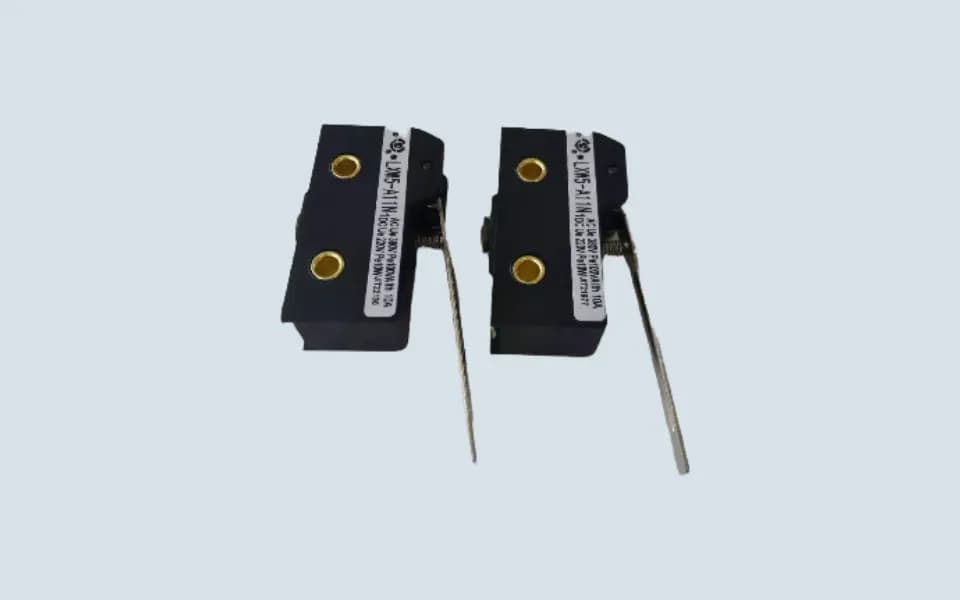
LXW5-A11N1 Mitsubishi Elevator Microswitch
Please add the quotation and send it to us and get in touch with us immediately
- Global service 24/7
- Lowest price for all products
- Best quality with Production Process
- After-Sale Warranty
- Technical Support
Description
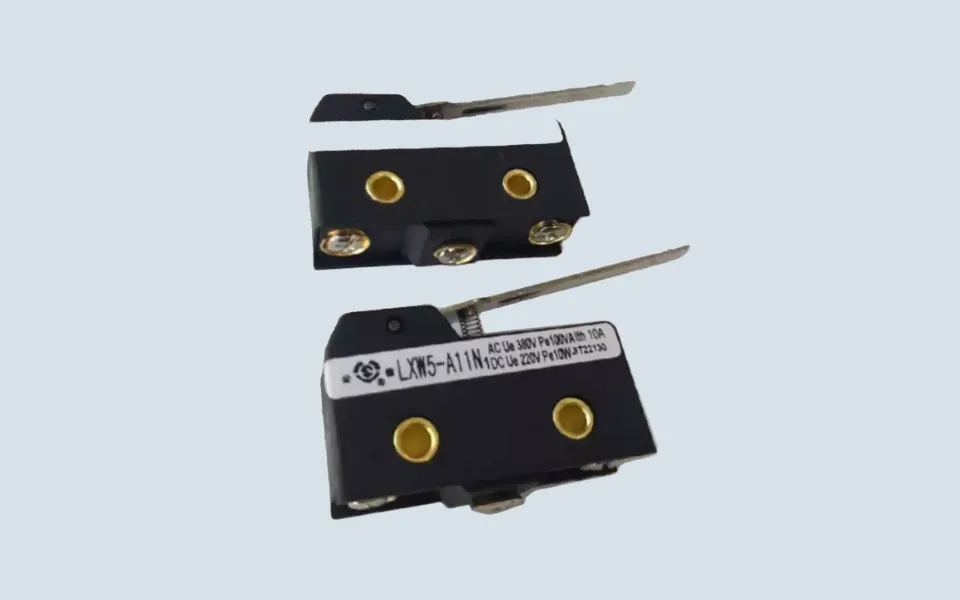
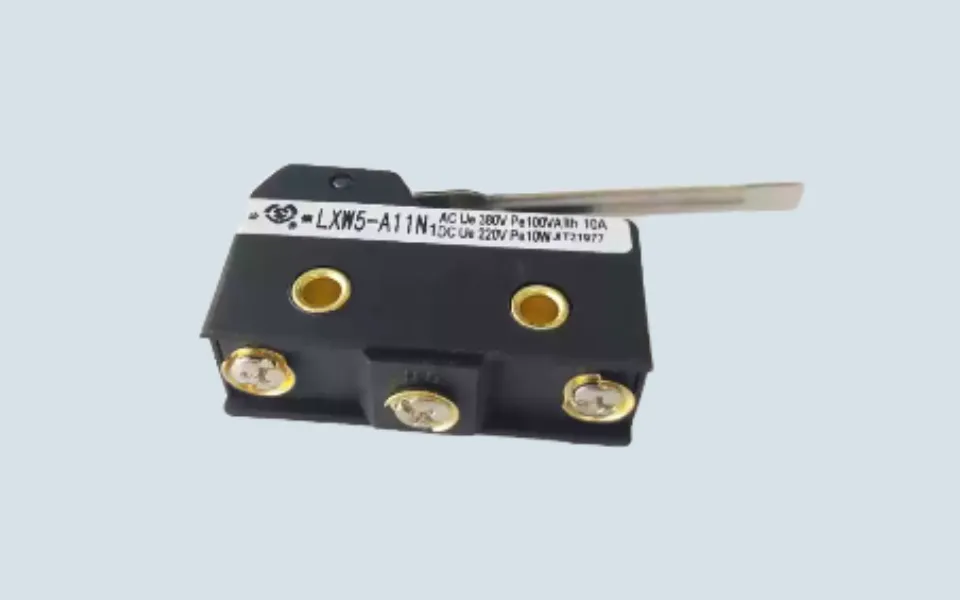
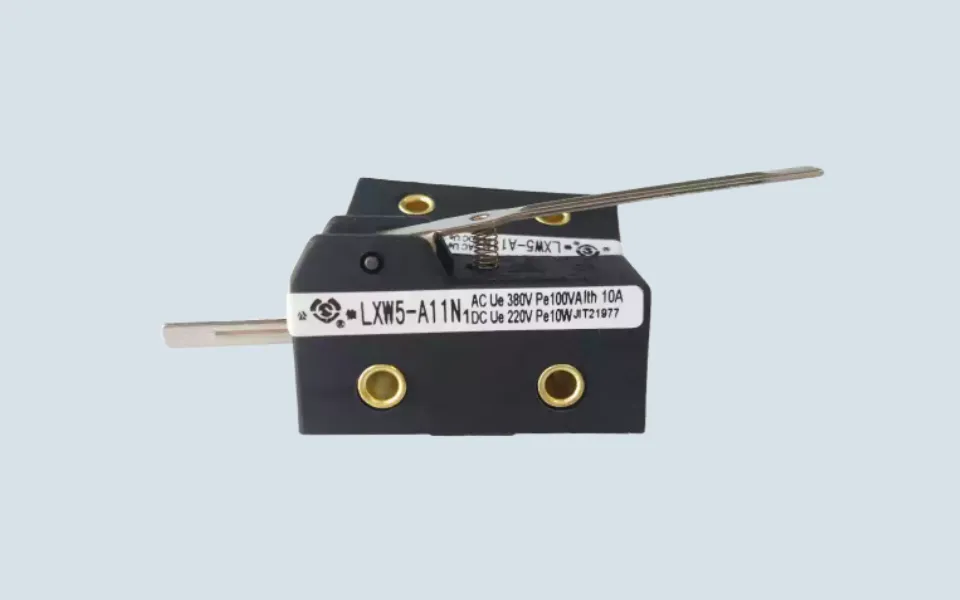
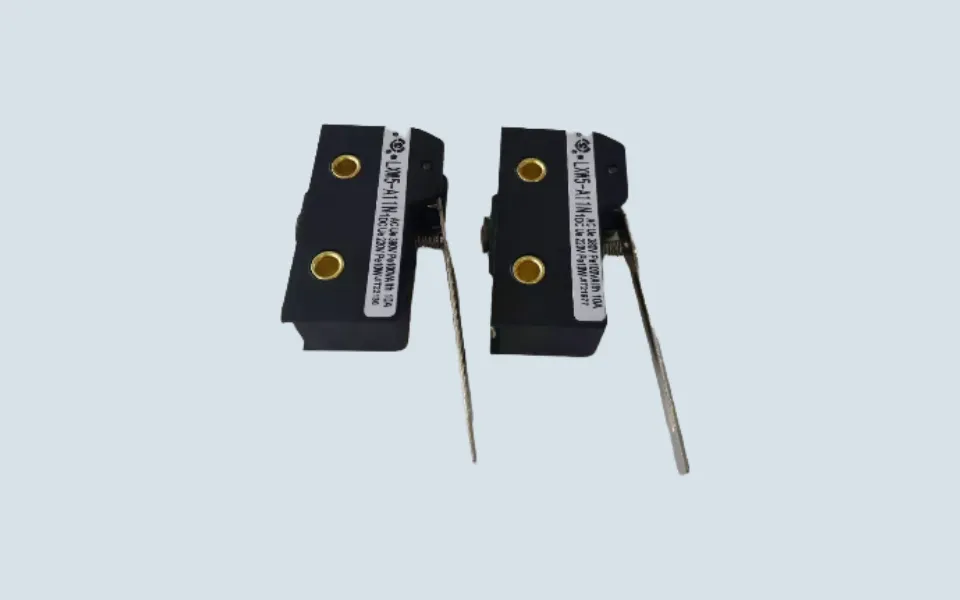
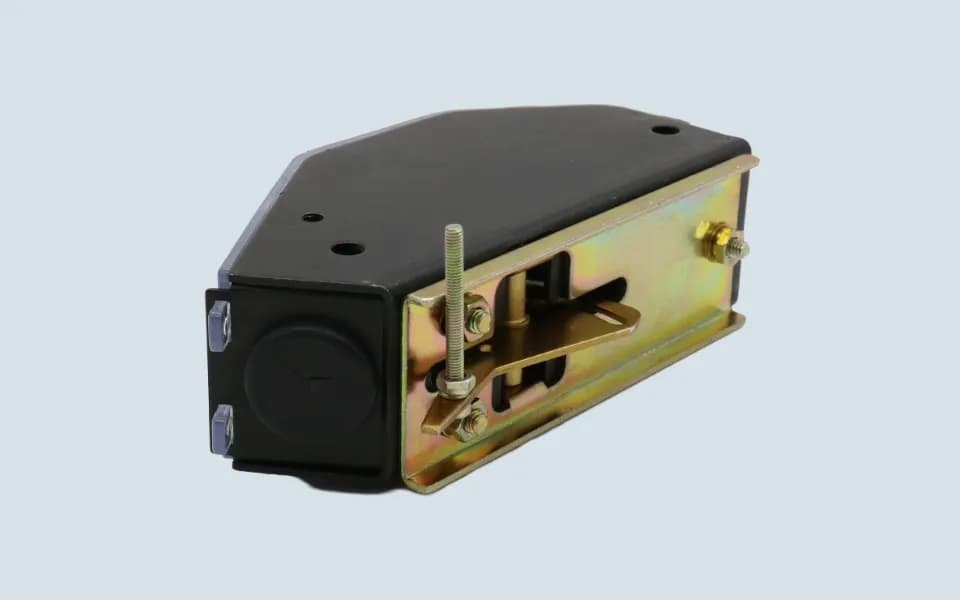
Mitsubishi Elevator Microswitch LXW5-A11N1
LXW5-A11N1 is commonly used in Mitsubishi elevator control and position detection systems.
Usually installed in:
- door operator assemblies
- travel limit positions
- mechanical trigger structures
- maintenance control circuits
This type of microswitch is mainly used for mechanical contact detection and signal triggering during elevator operation.
Common Maintenance Situation
In some older Mitsubishi elevators in Peru and Hungary, microswitch-related problems may appear after long-term operation because of:
- contact wear
- unstable triggering
- mechanical fatigue
- connector oxidation
Typical field symptoms may include:
- intermittent door response
- unstable limit signals
- abnormal reset behavior
- delayed trigger action
In maintenance work, technicians sometimes replace the switch together with the mounting bracket or trigger arm.
Practical Notes
Compared with photoelectric sensors, microswitches rely on physical mechanical contact.
Because of this, long-term repeated movement may gradually affect:
- trigger sensitivity
- contact stability
- switching accuracy
Some old Mitsubishi systems still use microswitch structures in door and travel monitoring positions during modernization projects.
FAQ
Why does the microswitch trigger intermittently?
In some elevators, worn contacts or unstable mechanical movement may gradually affect switch response.
Can microswitch problems affect door operation?
Yes. If trigger signals become unstable, door movement logic may also behave abnormally.
Installation Attention
Before replacement:
- contact type should match original configuration
- trigger direction should be checked
- mounting position must remain aligned
Some Mitsubishi systems use similar switch structures with different contact layouts.