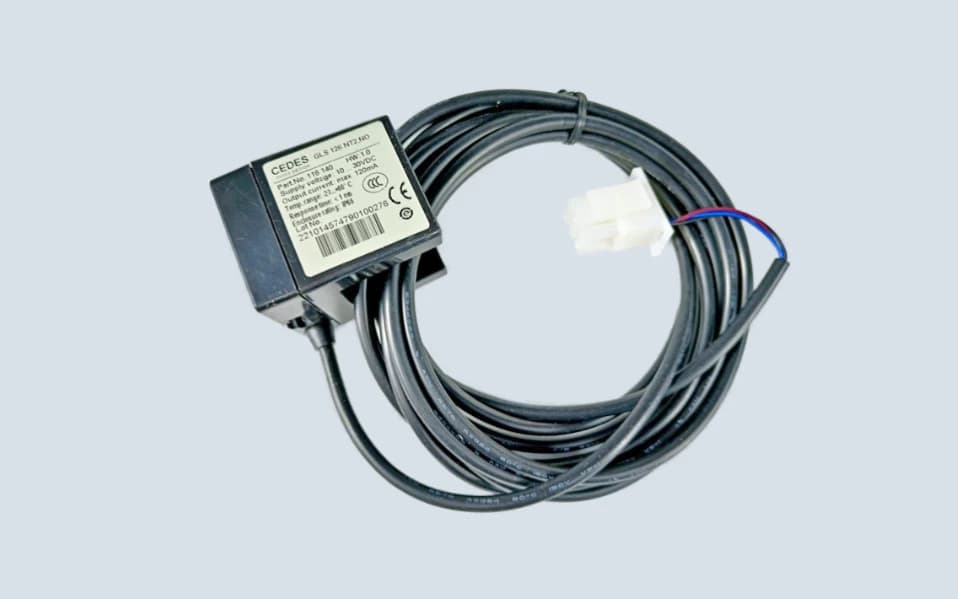
GLS126NT2.NC.HCL.NO XIOLIFT CEDES Leveling Photoelectric Sensor
Please add the quotation and send it to us and get in touch with us immediately
- Global service 24/7
- Lowest price for all products
- Best quality with Production Process
- After-Sale Warranty
- Technical Support
Description
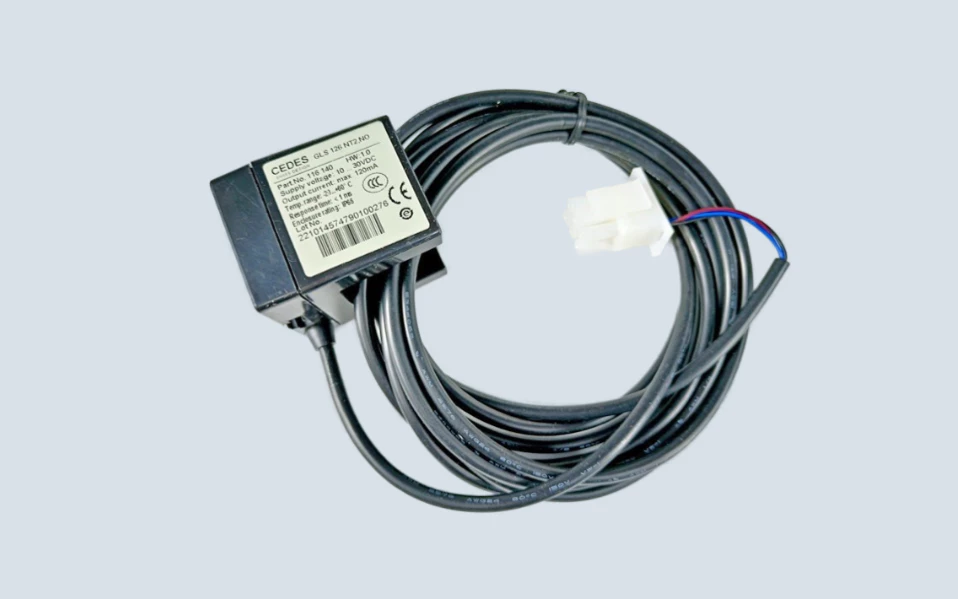
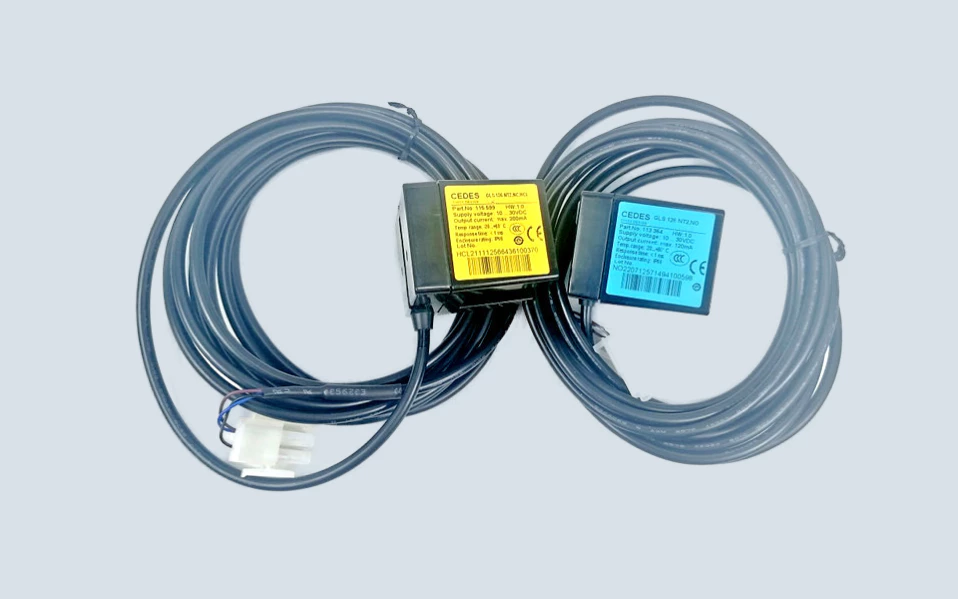
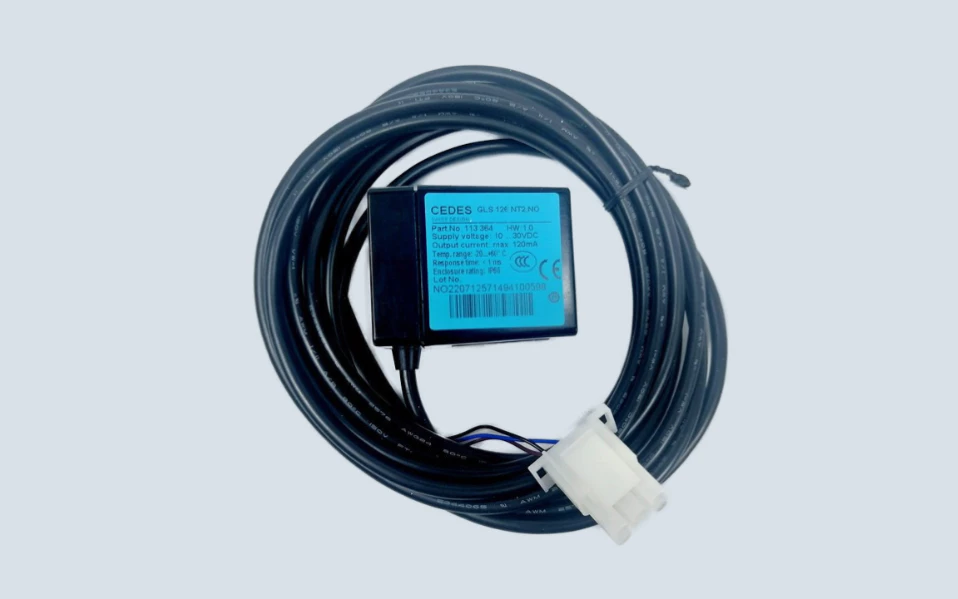
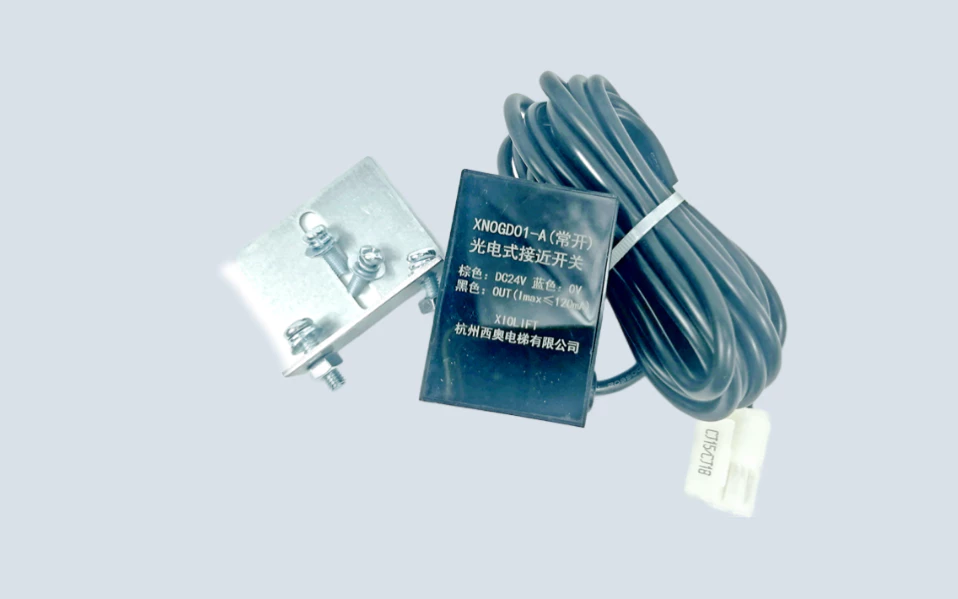
XIOLIFT CEDES Leveling Photoelectric Sensor GLS126NT2.NC.HCL.NO
XIOLIFT CEDES Leveling Photoelectric Sensor GLS126NT2.NC.HCL.NO is used in elevator leveling, door zone detection, and car position signal applications.
This product is based on the CEDES GLS 126 NT series photoelectric sensor, which is widely used in elevator positioning and leveling signal systems. In elevator maintenance and spare parts purchasing, it may be searched under several different names:
- CEDES Leveling Photoelectric Sensor
- Elevator Leveling Sensor
- Elevator Photoelectric Switch
- Elevator Door Zone Sensor
- Elevator Position Sensor
- GLS126NT2.NC.HCL Sensor
- GLS126NT2.NO Sensor
- CEDES Elevator Leveling Switch
The main model references for this page are:
- GLS126NT2.NC.HCL
- GLS126NT2.NO
- GLS 126 NT2, NC, HCL
- GLS 126 NT2, NO
- GLS 126 NT, NC, HCL
These references are useful for search coverage and customer inquiry matching. However, they should not be treated as one universal output type. For actual replacement, the old sensor label and output logic must be checked before ordering.
Built for Elevator Position and Leveling Signals
This sensor should not be described as a normal industrial photoelectric switch only by appearance.
In elevator systems, a leveling photoelectric sensor is used to help the controller identify car position, floor leveling area, or door zone status. When the signal is correct, the elevator can stop more accurately and allow the door system to operate under the correct landing condition.
If the wrong sensor type is installed, the elevator may have leveling signal faults, inaccurate stopping, door zone problems, or unstable control response after replacement.
NC.HCL and NO Versions Must Be Checked
The most important point for this model is the output version.
Some old sensors may show GLS126NT2.NC.HCL or GLS 126 NT, NC, HCL. Other inquiries may show GLS126NT2.NO or GLS 126 NT2, NO.
The difference between NC and NO output should not be ignored. A sensor with the same body shape may not work correctly if the output logic is different from the original elevator control requirement.
Before quotation, buyers should confirm:
- complete model number on the old sensor
- whether the old sensor is NC or NO output
- whether HCL appears on the label
- connector type and wiring direction
- cable length if important
- installation bracket and mounting holes
- sensor detection direction
- old sensor front and side photos
- elevator system or controller brand if available
- existing leveling or door zone fault description
For this product, a clear label photo is more important than the written model alone.
Where This Sensor Is Usually Checked
Maintenance teams may inspect the CEDES GLS126NT2 sensor when the elevator has problems such as:
- inaccurate floor leveling
- elevator not stopping correctly at floor level
- door zone signal abnormality
- intermittent leveling signal
- leveling sensor fault code
- door opening condition not satisfied
- damaged cable or connector
- unstable signal after elevator movement
These symptoms may also come from sensor bracket misalignment, wiring problems, dirty detection surface, controller input fault, shaft position components, or incorrect sensor output type. The complete leveling signal path should be checked before confirming the sensor fault.
Replacement Notes for Maintenance
Do not replace GLS126NT2.NC.HCL.NO only by appearance.
CEDES leveling sensors may look similar from the outside, but output logic, cable wiring, connector definition, voltage requirement, sensing direction, and bracket position may be different. Before installation, technicians should compare the old and new sensor carefully and test the leveling signal after replacement.
If the elevator still reports leveling or door zone faults after changing the sensor, the technician should also check the bracket position, wiring terminals, controller input, and related shaft position signal.
For overseas buyers, sending clear photos of the old CEDES sensor label, connector, cable, bracket, and installation position is the safest way to confirm the correct replacement before shipment.