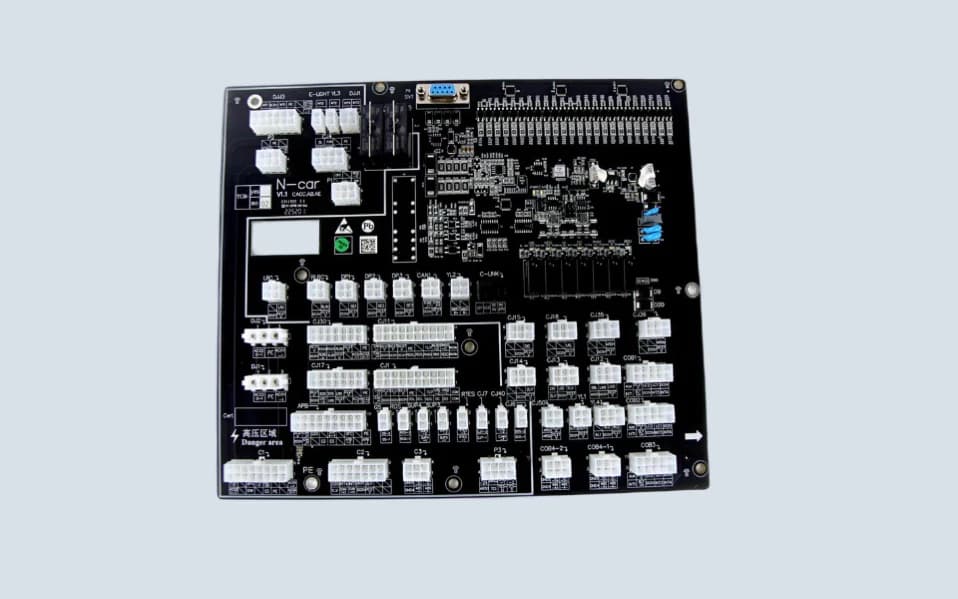
N-car V1.1 V2.2 Xizi Otis Elevator Car-Top Integrated Unit Plug-in Board
Please add the quotation and send it to us and get in touch with us immediately
- Global service 24/7
- Lowest price for all products
- Best quality with Production Process
- After-Sale Warranty
- Technical Support
Description
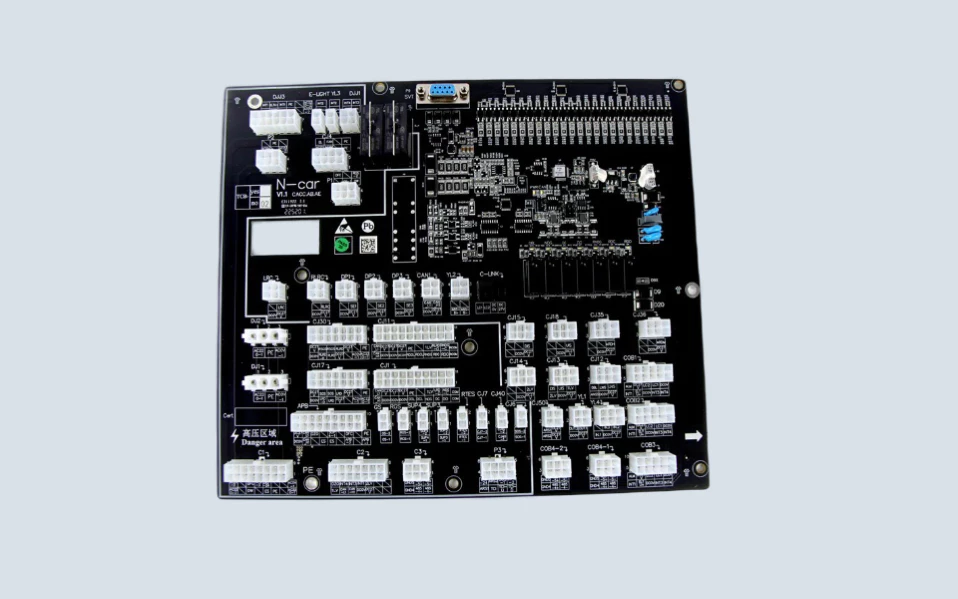
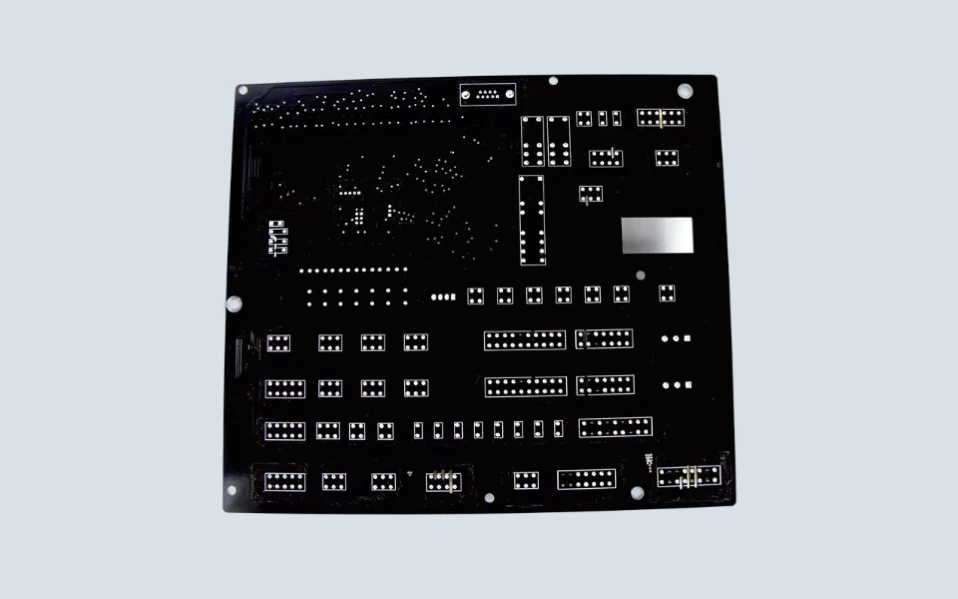
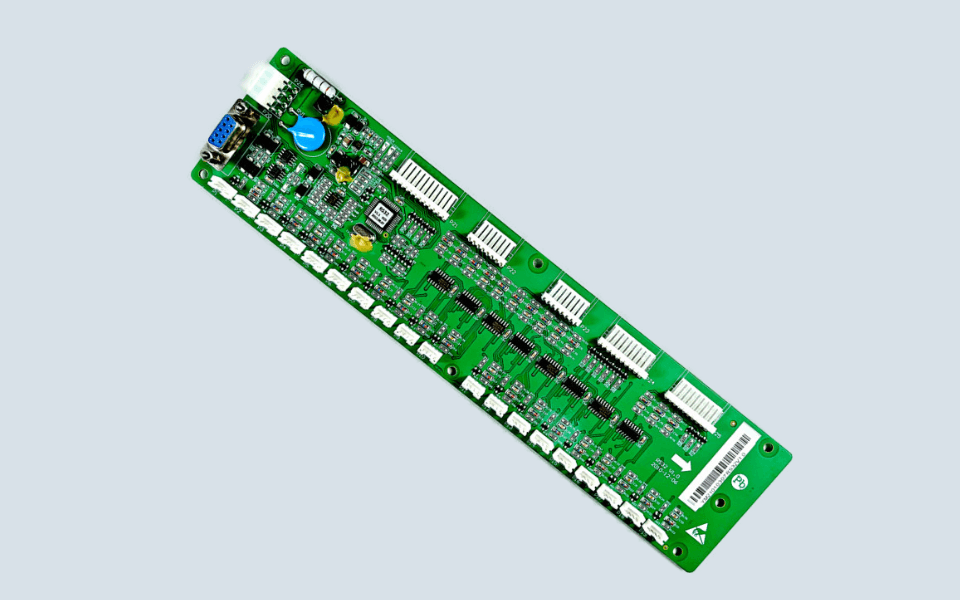
N-car V1.1 V2.2 Xizi Otis Elevator Car-Top Integrated Unit Plug-in Board
N-car V1.1 / V2.2 Xizi Otis Elevator Car-Top Integrated Unit Plug-in Board is used in Xizi Otis or Hangzhou Otis elevator car-top integrated unit applications.
This board is normally installed inside or connected with the car-top integrated unit, where elevator car-top signals, inspection-related wiring, communication lines, door area connections, and car-side interface signals may be gathered depending on the original elevator configuration.
In elevator maintenance and spare parts purchasing, this product may be searched under several different names:
- Xizi Otis N-car Board
- Hangzhou Otis N-car Board
- N-car V1.1 Plug-in Board
- N-car V2.2 Plug-in Board
- Xizi Otis Car-Top Integrated Unit Board
- Elevator Car-Top Integrated Unit PCB
- Elevator Car-Top Plug-in Board
- Xizi Otis Car Top PCB
- Xizi Otis Integrated Unit Interface Board
The main model references for this page are:
- N-car V1.1
- N-car V2.2
- N-CAR V1.1
- N-CAR V2.2
- Ncar V1.1
- Ncar V2.2
- Xizi Otis N-car Board
- Xizi Otis Car-Top Integrated Unit Plug-in Board
These references are useful for search coverage and customer inquiry matching. However, V1.1 and V2.2 should not be treated as automatically interchangeable versions. For actual replacement, the old board label, PCB version, connector layout, plug-in position, and car-top unit configuration must be checked before ordering.
Used Inside the Car-Top Integrated Unit
This product should not be described as a general elevator PCB only by board shape.
In a Xizi Otis elevator system, the car-top integrated unit is an important connection area for car-side signals and maintenance-related wiring. The N-car plug-in board may be used as part of the internal interface structure of this unit, depending on the original elevator design.
If the board is damaged, has burned components, loose connectors, poor contact at the plug-in slot, or unstable signal transmission, the elevator may show car-top communication faults, inspection signal problems, door-related signal errors, or abnormal car-side input response. The actual fault should still be checked together with the related wiring and controller side before confirming the board replacement.
V1.1 and V2.2 Versions Must Be Confirmed
The most important point for this model is the board version.
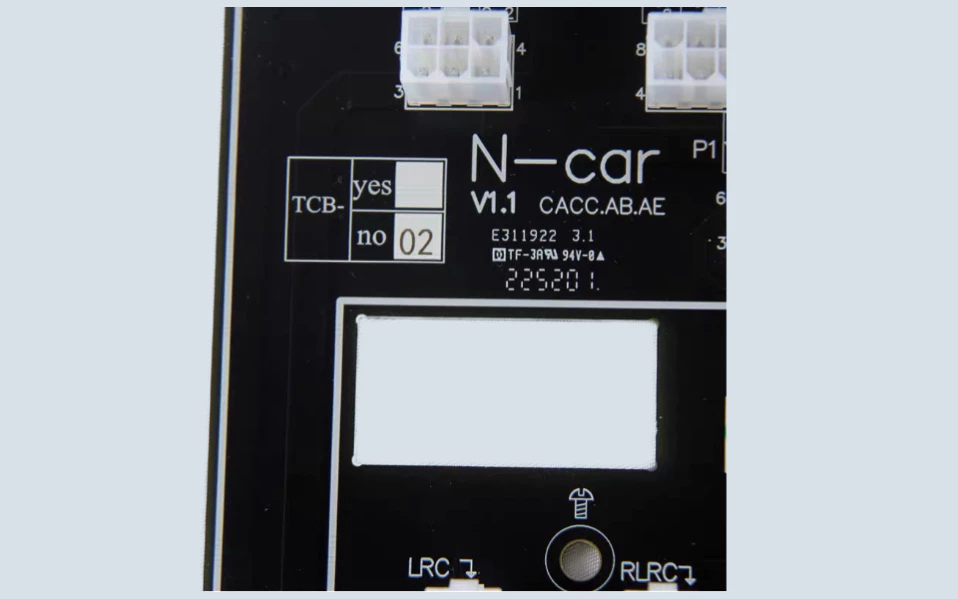
Some old boards may show N-car V1.1 on the PCB silkscreen or label. Other units may show N-car V2.2. Even if the board name looks similar, the connector position, circuit revision, component layout, or plug-in definition may not be exactly the same.
Before quotation, buyers should confirm:
- complete marking on the old PCB
- whether the board shows V1.1 or V2.2
- PCB silkscreen and label information
- connector quantity and connector position
- plug-in slot direction
- terminal or wiring plug definition
- board size and mounting position
- whether there are jumpers, DIP switches, or special settings
- car-top integrated unit model if available
- old board front and back photos
- fault description from the elevator site
For this product, a clear photo of the PCB version marking is more important than only writing “N-car board”.
Where This Board Is Usually Checked
Maintenance teams may inspect or replace this Xizi Otis N-car plug-in board when the elevator has problems such as:
- car-top unit signal abnormality
- inspection-related signal fault
- unstable car-side communication
- plug-in board contact failure
- burned PCB components
- damaged connector or loose socket
- door-side signal not responding correctly
- car-top wiring fault after previous repair
- elevator fault related to car-top integrated unit
- old board needing replacement during maintenance
These symptoms may also come from wiring harness damage, connector oxidation, controller input fault, door operator wiring, inspection box wiring, or poor contact in the car-top unit. The complete signal path should be checked before confirming the board fault.
Plug-in Position and Connector Layout Are Critical
Do not replace N-car V1.1 / V2.2 only by board name.
For plug-in boards installed in car-top integrated units, small version differences may affect the connector layout, slot position, signal definition, or wiring direction. A board with a similar name may not work correctly if the version or interface is different from the original unit.
Before installation, technicians should compare the old and new boards carefully. The connector direction, plug-in position, PCB size, fixing points, and version marking should match the original board. If the connector definition or slot structure is different, the board should not be forced into installation.
For overseas buyers, sending clear photos of the old board label, PCB silkscreen, front side, back side, connector area, plug-in position, and the car-top integrated unit is the safest way to confirm the correct replacement before shipment.
Practical Procurement Notes
This product is often purchased by elevator maintenance companies, repair teams, and spare parts distributors for existing Xizi Otis or Hangzhou Otis elevator projects.
For customers in Saudi Arabia, Jordan, Egypt, Iraq, UAE, Brazil, Chile, Spain, and Italy, inquiries for this type of car-top integrated unit board usually come from maintenance sites where the old board has already been removed or photographed inside the elevator car-top unit.
When sending an inquiry, the buyer should provide the board version, complete label photo, front and back PCB photos, connector close-up, installation position, and quantity required. If the board will be shipped together with other elevator spare parts, version and connector confirmation should be completed before packing to reduce the risk of wrong supply.