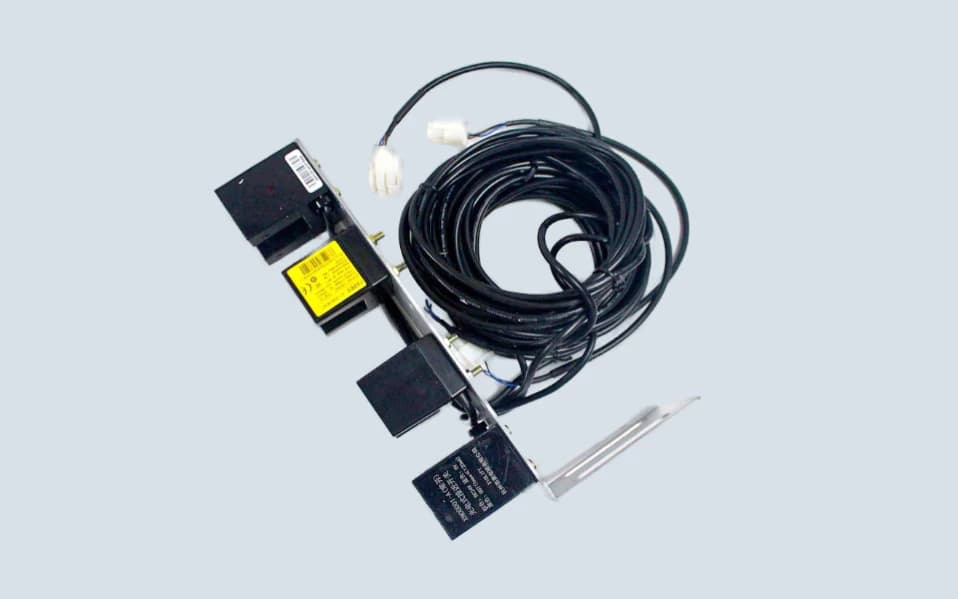
XNOGD01-A GLS126NT2.NC.HCL XIOLIFT Leveling Photoelectric Sensor
Please add the quotation and send it to us and get in touch with us immediately
- Global service 24/7
- Lowest price for all products
- Best quality with Production Process
- After-Sale Warranty
- Technical Support
Description
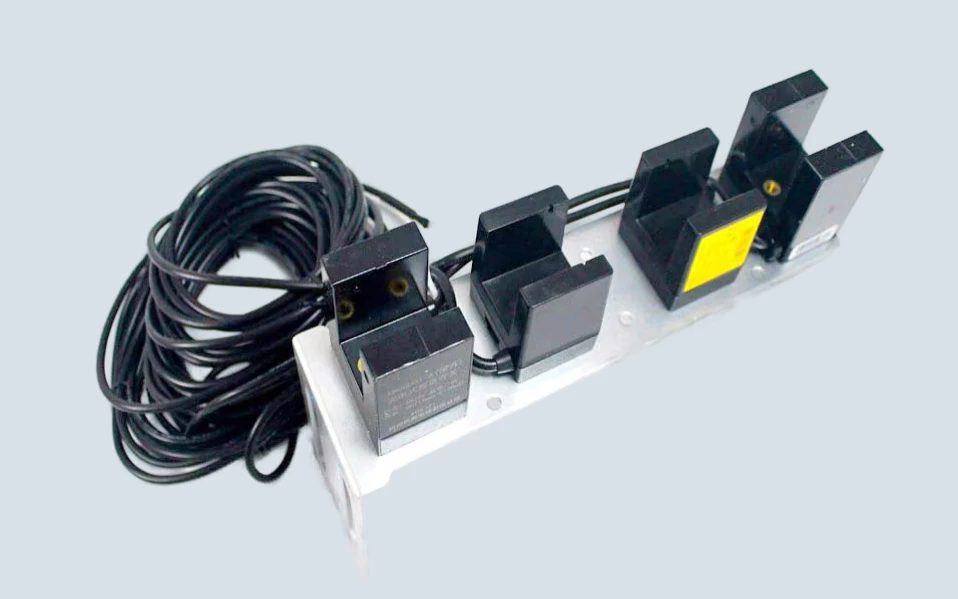
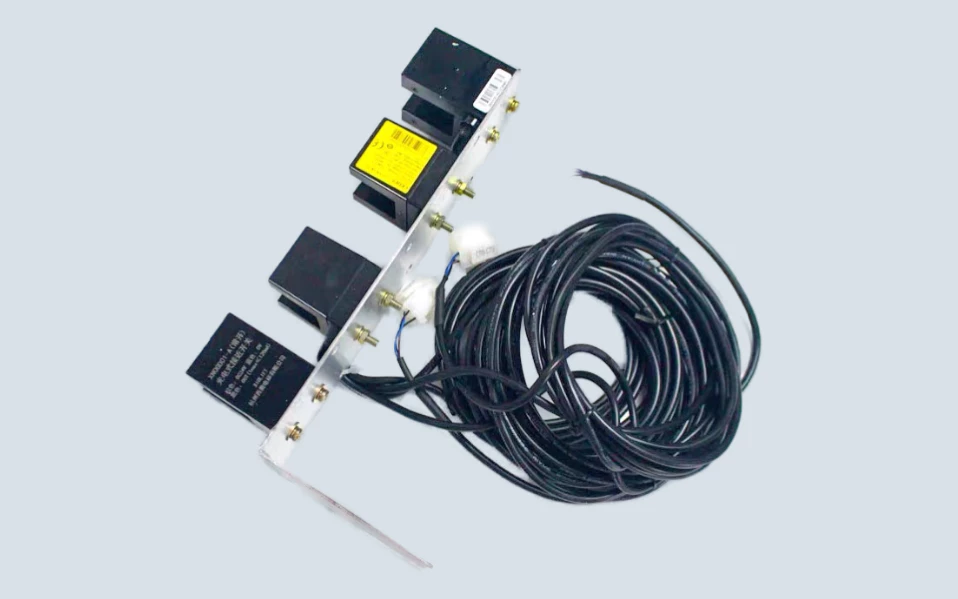
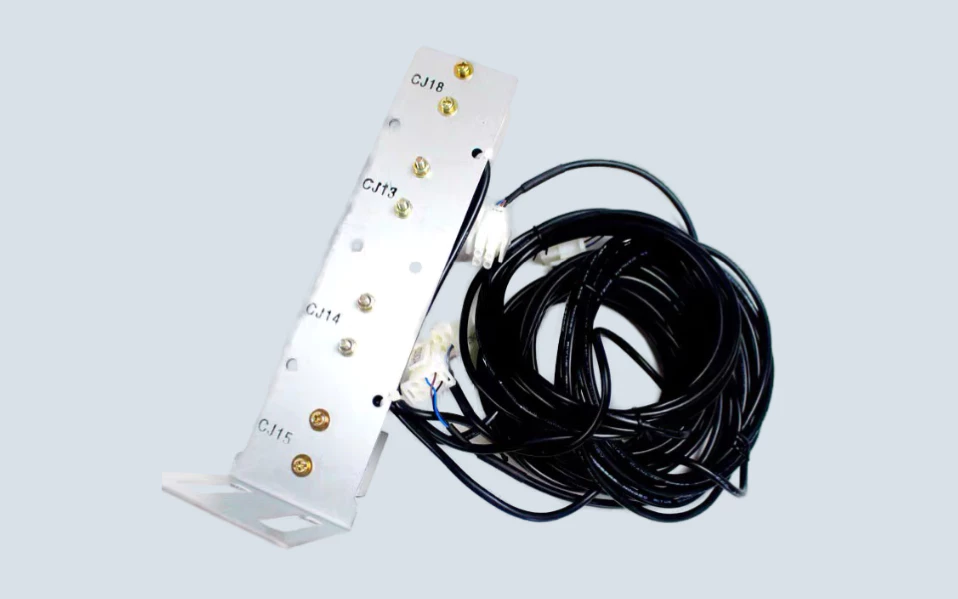
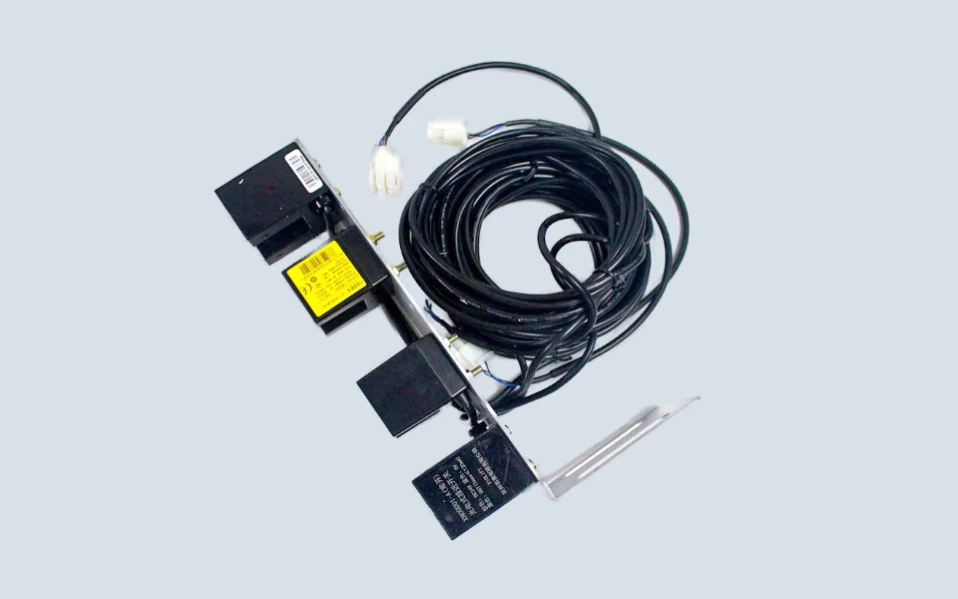
XIOLIFT Leveling Photoelectric Sensor XNOGD01-A GLS126NT2.NC.HCL
XIOLIFT Leveling Photoelectric Sensor XNOGD01-A GLS126NT2.NC.HCL is used in elevator leveling, door zone detection, and position signal applications.
This sensor is normally related to the elevator car position or leveling signal system. It helps the elevator controller detect whether the elevator car is in the correct leveling area, so the elevator can stop accurately and operate safely at the landing.
In the elevator spare parts market, this product may also be searched as:
- XIOLIFT Leveling Photoelectric Sensor
- Elevator Leveling Sensor
- Elevator Photoelectric Switch
- Elevator Door Zone Sensor
- Elevator Position Sensor
- GLS126NT2.NC.HCL Leveling Sensor
- XNOGD01-A Photoelectric Sensor
- Elevator Photoelectric Proximity Switch
The main model references for this page are:
- XNOGD01-A
- GLS126NT2.NC.HCL
- GLS 126 NT2, NC, HCL
- GLS 126 NT, NC, HCL
These model references are useful for search coverage and quotation confirmation. However, the final replacement should still be confirmed by the old sensor label, output type, connector wiring, installation bracket, and elevator system configuration.
Used for Elevator Leveling Signal Detection
This sensor should not be treated as a general industrial photoelectric switch only by appearance.
In elevator systems, leveling sensors are usually connected with car position detection, floor leveling, door zone confirmation, or related control logic. If the sensor signal is unstable or does not match the original type, the elevator may have inaccurate leveling, abnormal stop position, door zone signal problems, or control system faults.
For this reason, buyers should match the sensor by model number and signal type, not only by shape.
Model and Output Confirmation
XNOGD01-A and GLS126NT2.NC.HCL may appear in different market descriptions for elevator leveling sensor applications.
Before ordering, please confirm:
- Complete XNOGD01-A marking if visible
- Complete GLS126NT2.NC.HCL or GLS 126 NT2, NC, HCL marking
- Whether the old sensor is NO or NC output
- Connector type and wiring color
- Installation bracket and mounting hole position
- Sensor head shape and detection direction
- Cable length if important
- Original elevator brand or controller system
- Existing leveling or door zone fault description
The NC / NO output type is especially important. A sensor with a similar housing may not work correctly if the output logic is different from the original elevator control requirement.
Where Technicians Usually Check This Sensor
Maintenance teams may inspect this sensor when the elevator has issues such as:
- inaccurate floor leveling
- door zone signal abnormality
- elevator not stopping correctly at floor level
- intermittent leveling signal
- leveling sensor fault code
- door opening condition not satisfied
- damaged sensor cable or connector
- unstable signal after car movement
These symptoms may also be caused by wiring problems, sensor bracket misalignment, dirty detection surface, controller input fault, magnet or reflector position issues, or other shaft positioning components. The complete leveling signal path should be checked before confirming the sensor fault.
Practical Replacement Notes
Do not replace XNOGD01-A GLS126NT2.NC.HCL only by appearance.
Elevator leveling photoelectric sensors may have similar body shape, but the output type, sensing direction, connector wiring, voltage requirement, and installation distance may be different.
Before installation, technicians should compare the old and new sensor carefully, especially the label, wiring, NO/NC output, bracket position, and detection direction. After replacement, the elevator leveling signal should be tested at the landing position to confirm stable operation.
For overseas buyers, sending clear photos of the old sensor label, connector, cable, bracket, and installation position is the safest way to confirm the correct replacement before shipment.