How to Choose the Right Escalator Handrail
June 30, 2026
How to Choose the Right Escalator Handrail
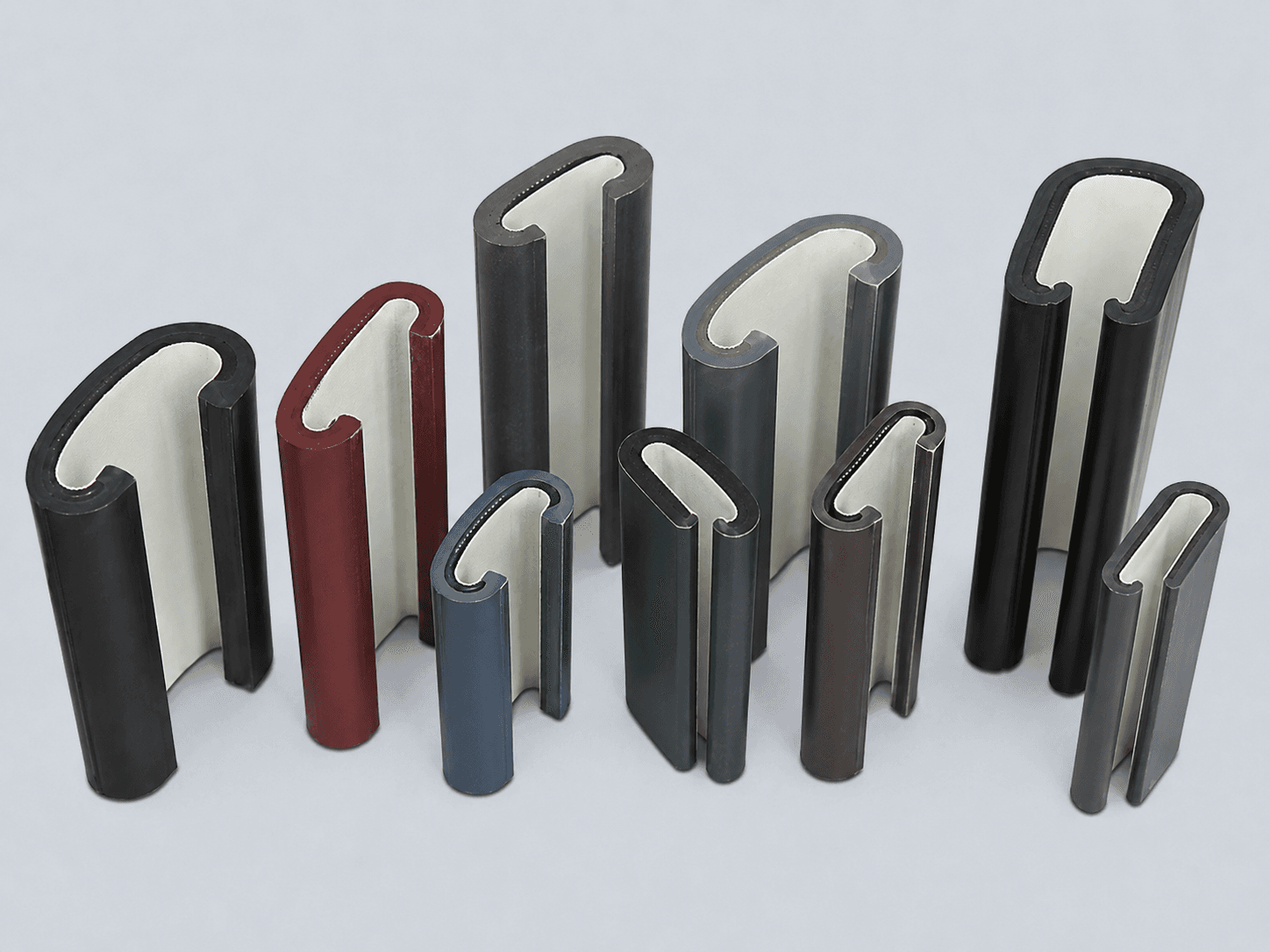
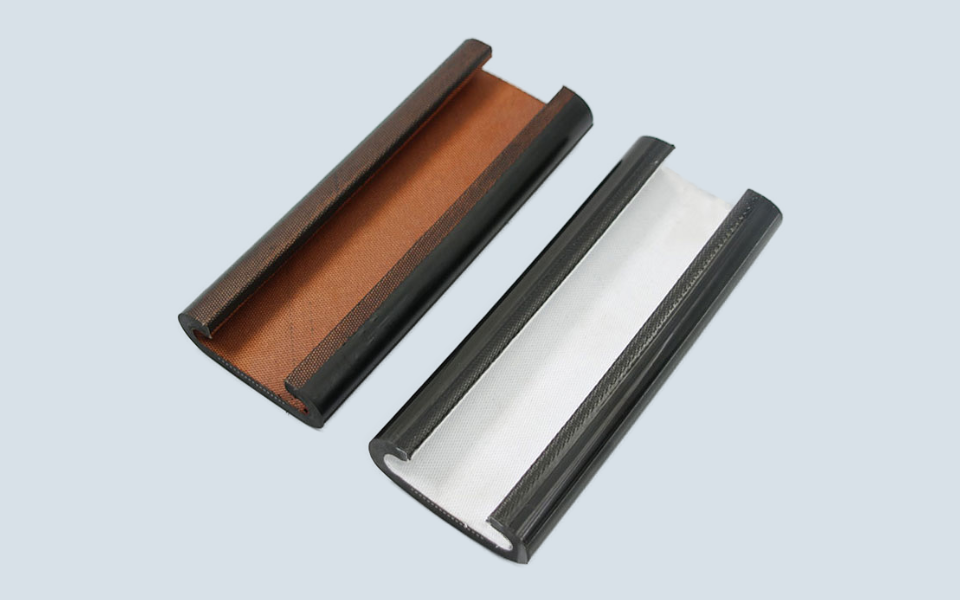
Choosing the right escalator handrail is not as simple as matching a black rubber profile by appearance. In real escalator maintenance and replacement projects, handrails are brand-sensitive parts. Different escalator brands often use different handrail sizes, profile shapes, guide structures, and internal designs. A handrail that looks similar from the outside may still fail to run correctly if the profile, total length, or fitting dimensions do not match the original escalator system.
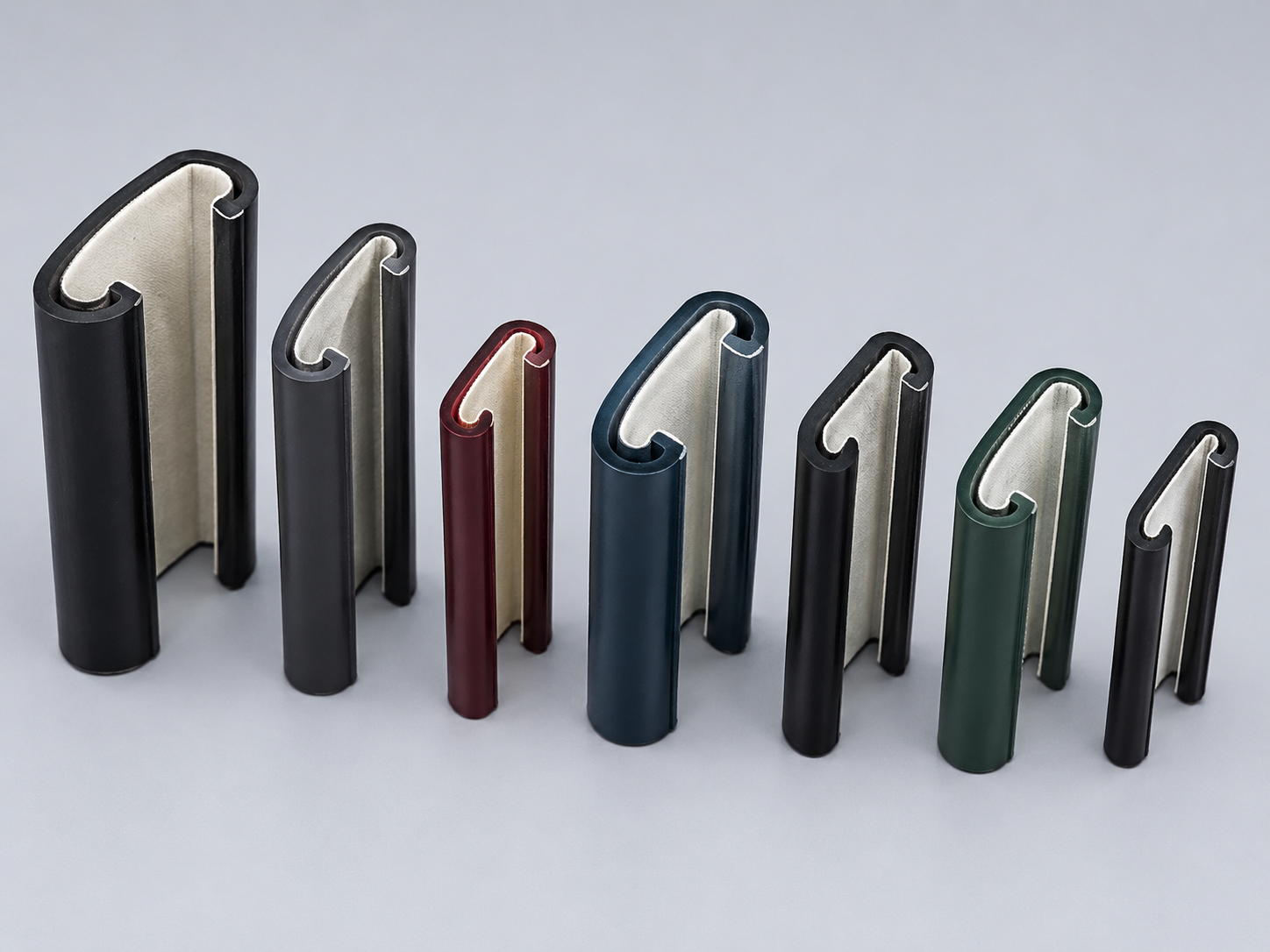
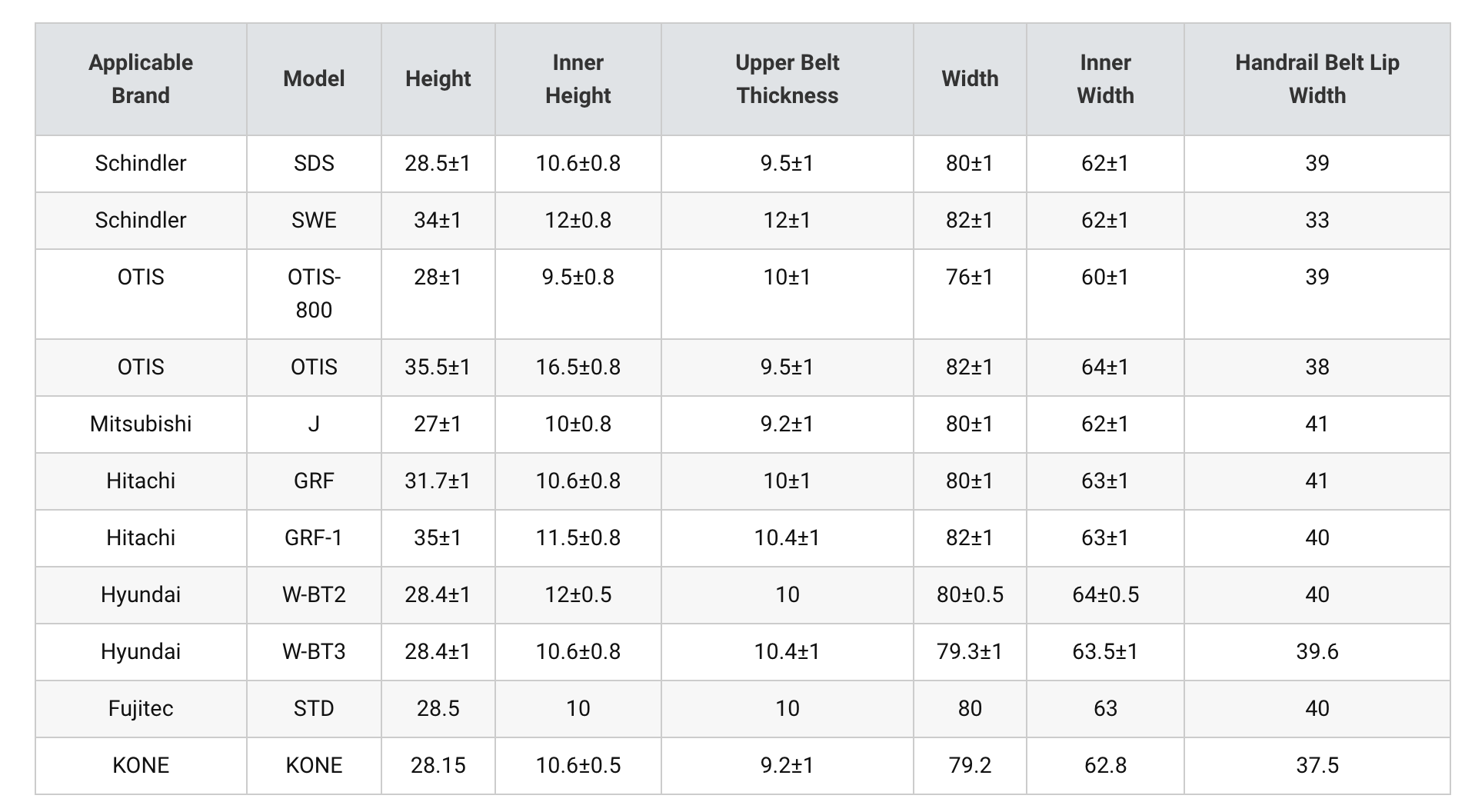
The first step in selecting an escalator handrail is to identify the correct brand and profile. Many escalator spare parts buyers ask for a “standard escalator handrail,” but in practice, there is no single universal handrail for all brands. The width, height, lip shape, inner guide surface, and contact area should be checked carefully. If the profile does not match, the handrail may be difficult to install, run unevenly, or wear faster after replacement.
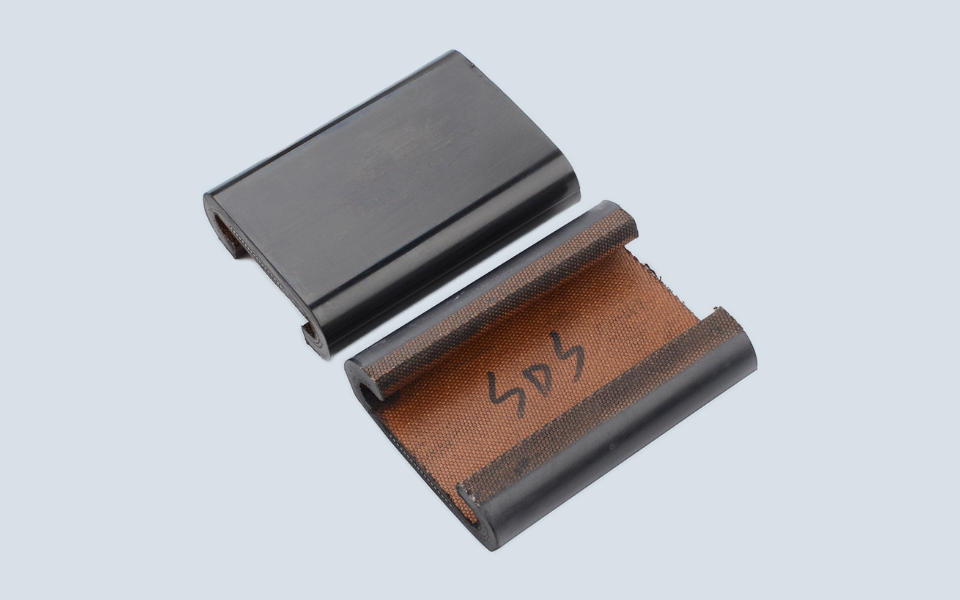
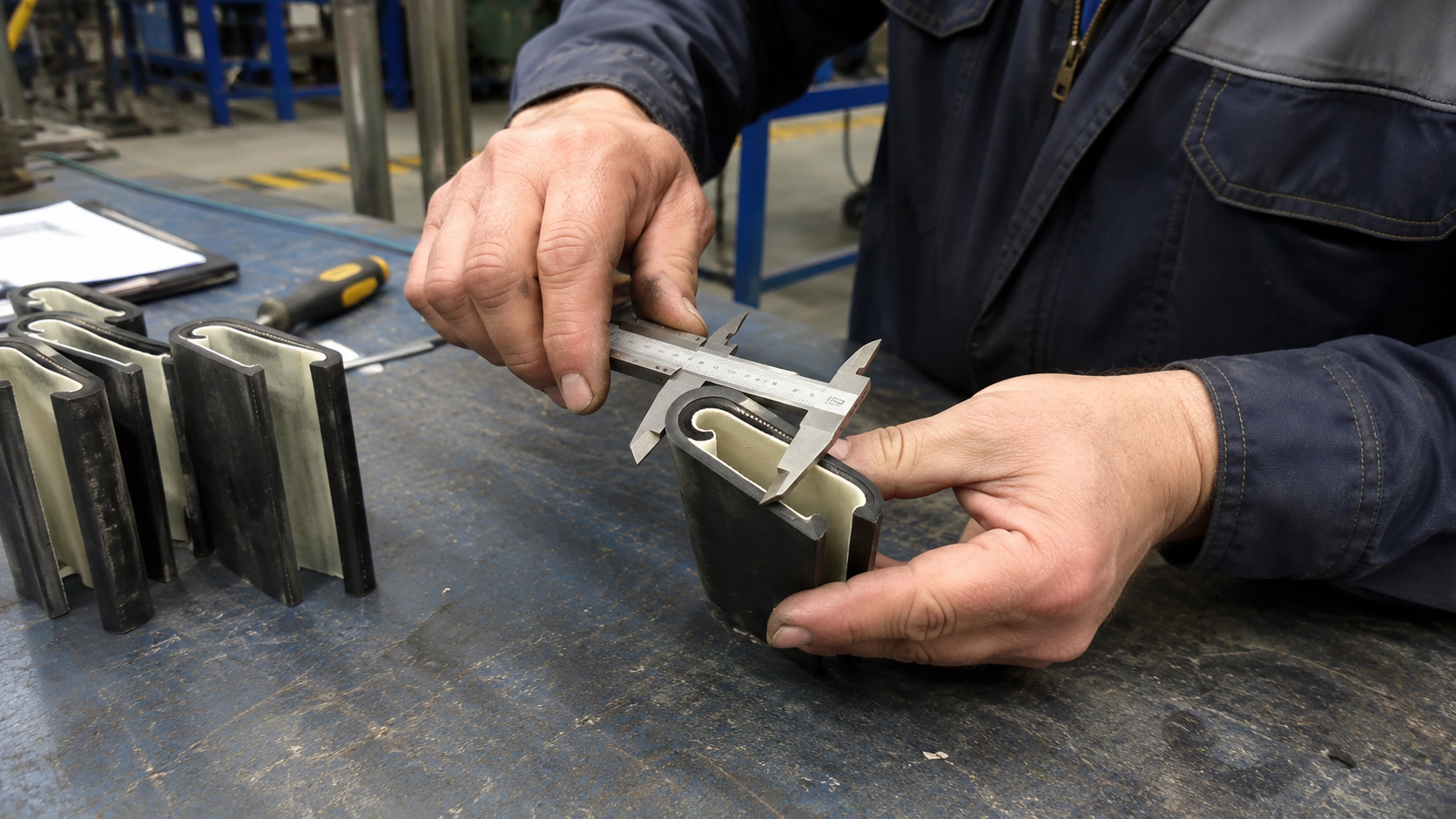
Accurate measurement is especially important when the original handrail is old. In many maintenance projects, the sample available for measurement has already been used for years. It may be stretched, worn, compressed, or slightly deformed. This means technicians cannot rely on one quick measurement. Each side of the handrail profile should be measured carefully, and the result should be compared with the handrail parameter chart while considering possible wear error from the old sample.
Total handrail length is another critical point. An escalator handrail is supplied as one complete endless loop. It cannot be cut and adjusted on site like an ordinary rubber strip. The total length should be confirmed accurately, ideally to 0.01 level according to the project requirement. If the handrail is too short, installation may become difficult or create excessive tension. If it is too long, running stability may be affected. For urgent escalator maintenance work, even a small length mistake can cause serious delay.
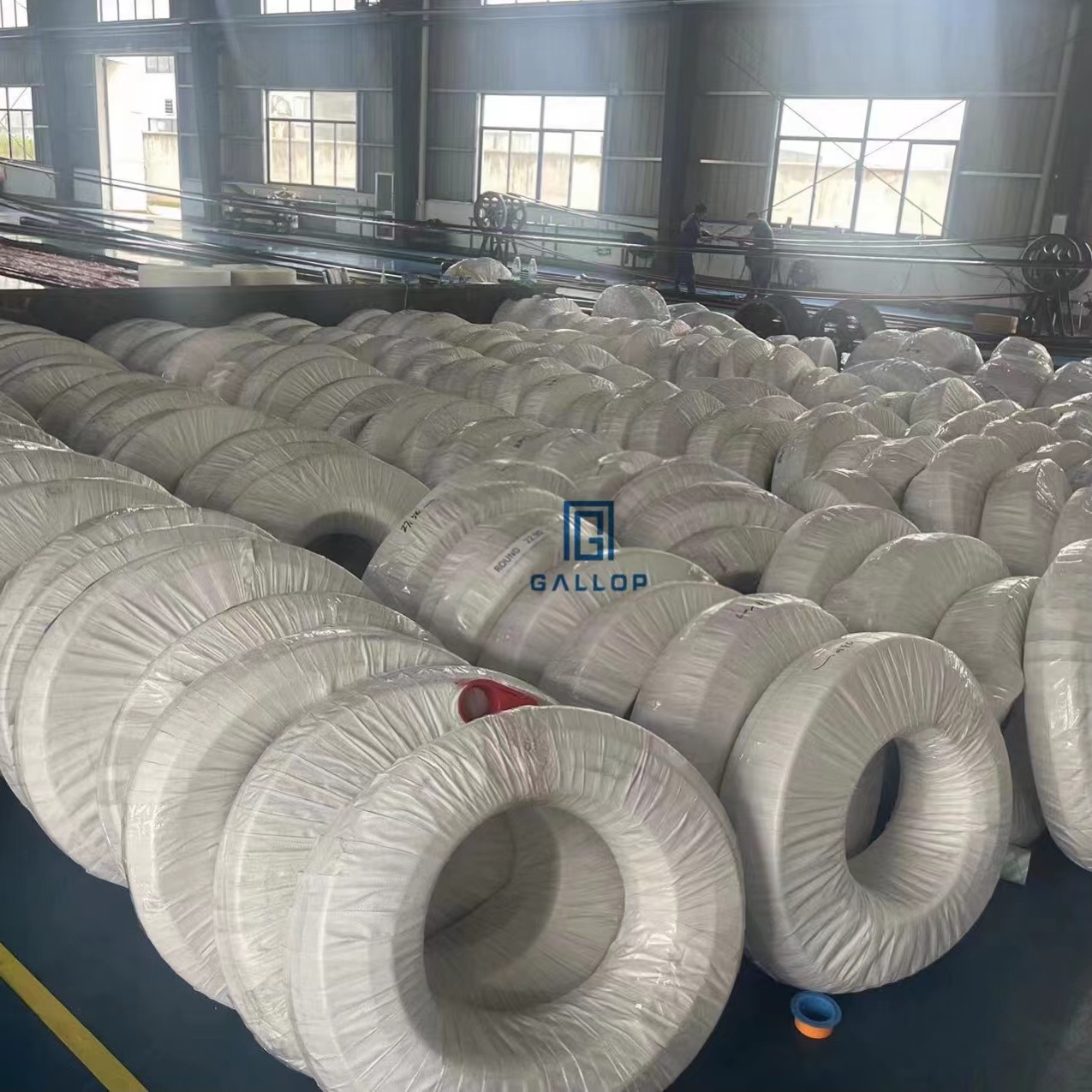
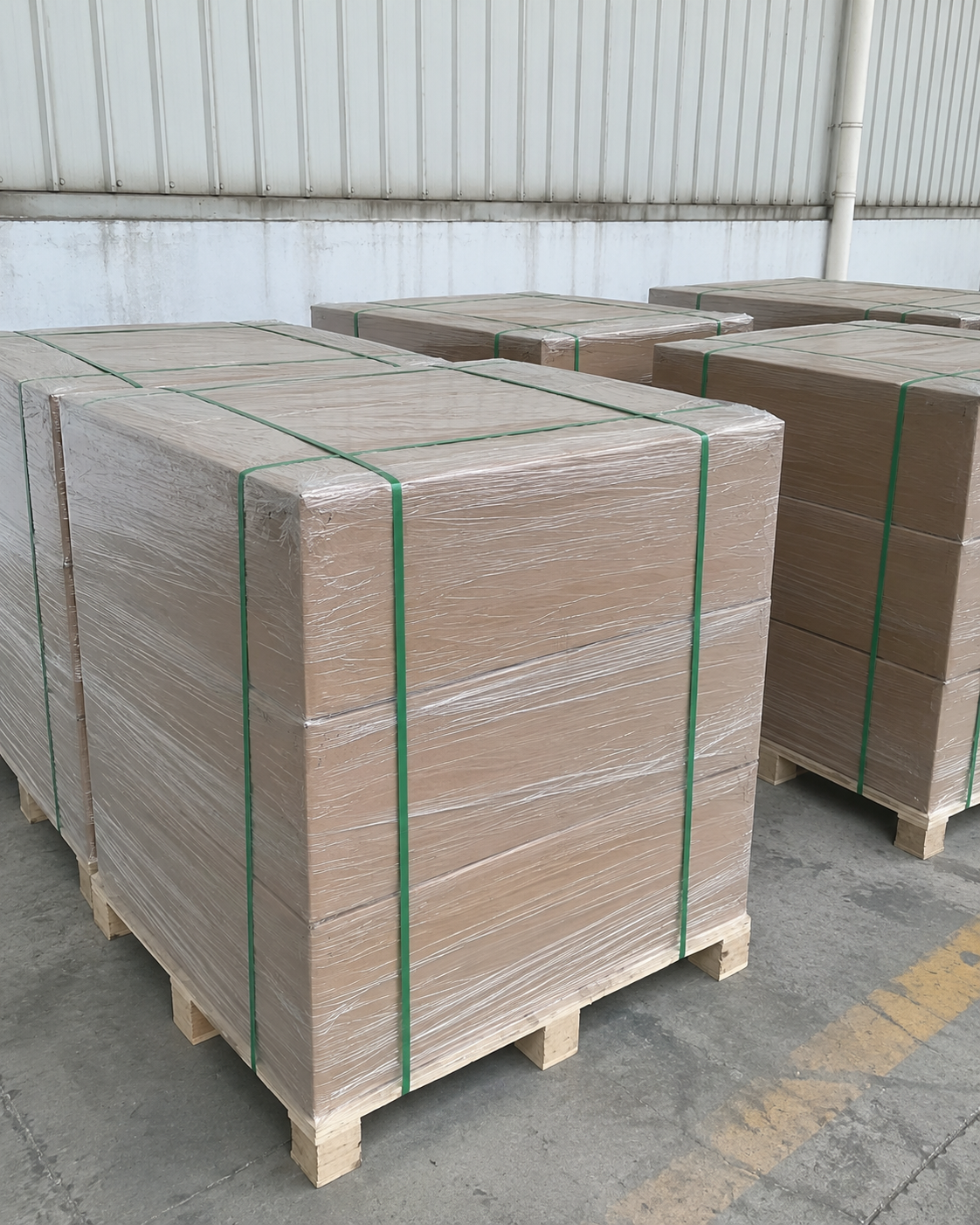
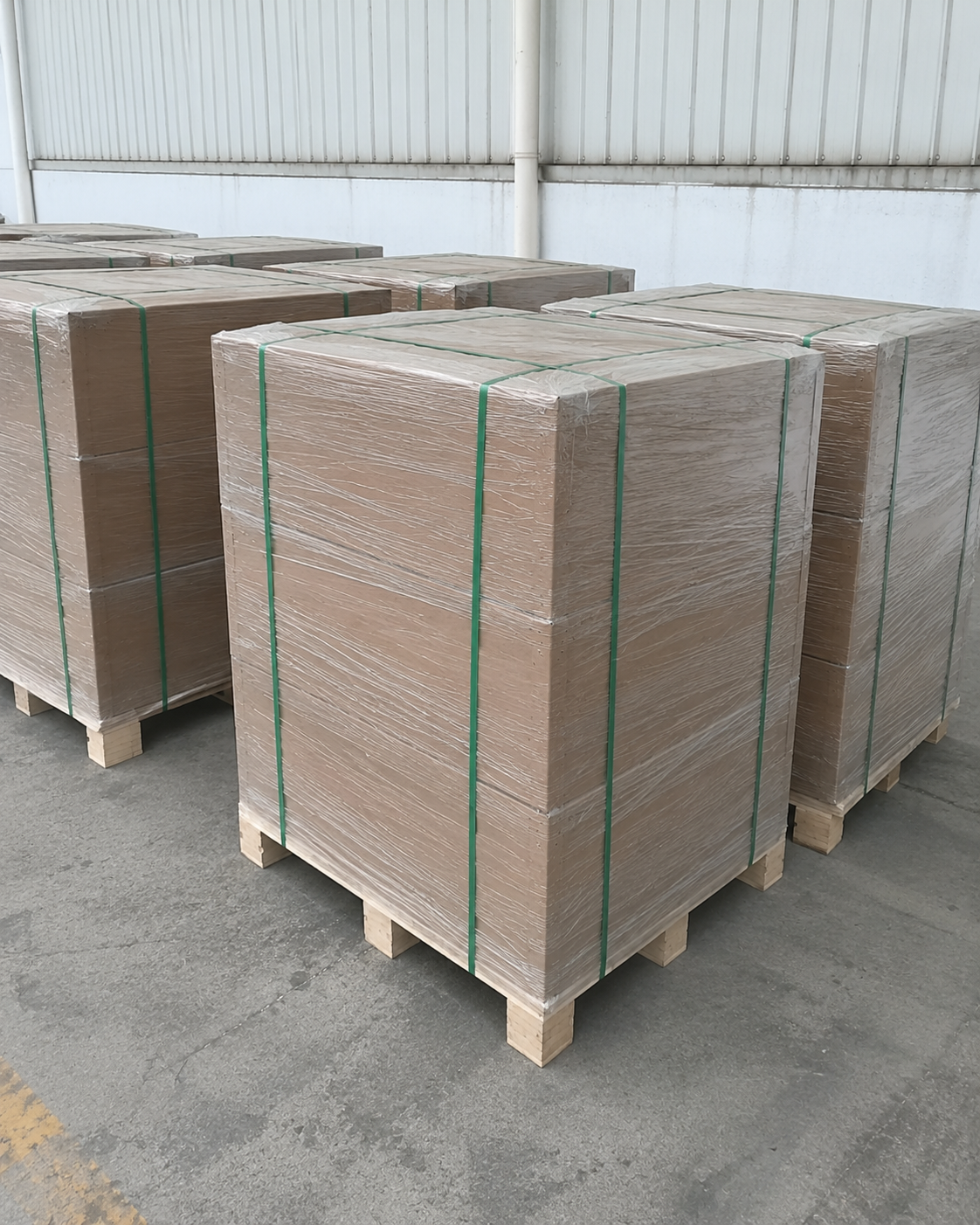
Transportation also affects the final purchasing decision. Escalator handrails are often required for urgent maintenance, so many orders are shipped by air. However, handrails are heavy and can also become volumetric cargo if the packing is not controlled properly. Good packaging should protect the handrail, keep the coil shape reasonable, and reduce unnecessary shipping volume. This helps lower air freight cost while keeping the product safe during international delivery.
China supplies a large volume of escalator handrails because many countries do not have local production capability for this type of technical rubber product. Some markets do not even have complete escalator manufacturing capacity and rely heavily on imported escalator components. At the same time, escalator handrails are wear parts. They are exposed to friction, dirt, weather, and daily passenger contact, so replacement demand remains high in public transport, shopping malls, commercial buildings, and modernization projects.
For professional escalator spare parts purchasing, the best approach is to confirm the brand, measure the handrail profile carefully, verify the total loop length, and plan the shipping method before production. Buyers who provide cross-section photos, measured data, old sample details, and project urgency can receive more accurate recommendations. A good escalator handrail is not just a rubber product. It is a technical replacement part that must match the escalator system precisely to support safe and smooth operation.