Escalator Pallet
Please add the quotation and send it to us and get in touch with us immediately
- Global service 24/7
- Lowest price for all products
- Best quality with Production Process
- After-Sale Warranty
- Technical Support
Description

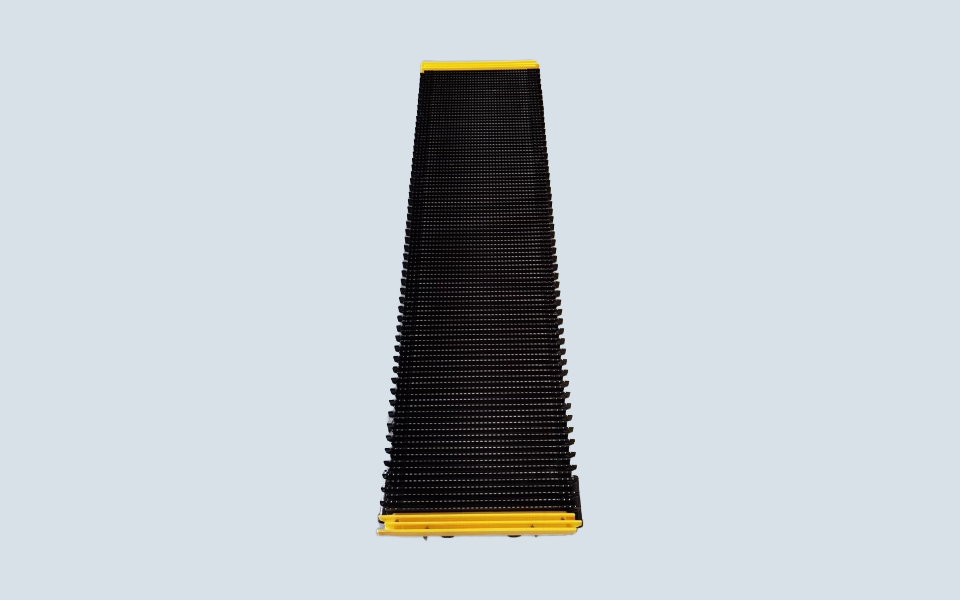
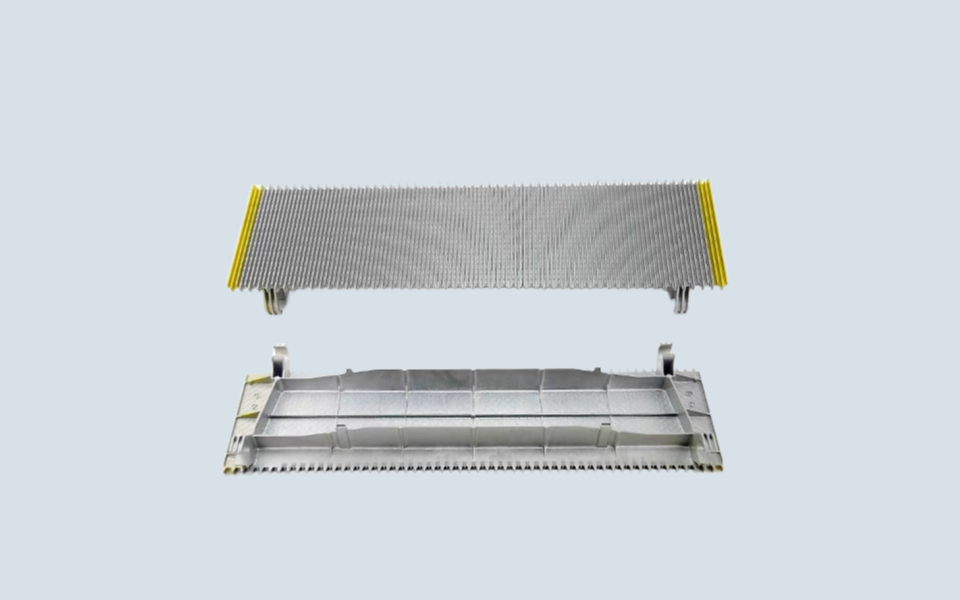
Escalator Pallet
Passenger Transport Platform for Moving Walkway and Escalator Systems
Product Overview
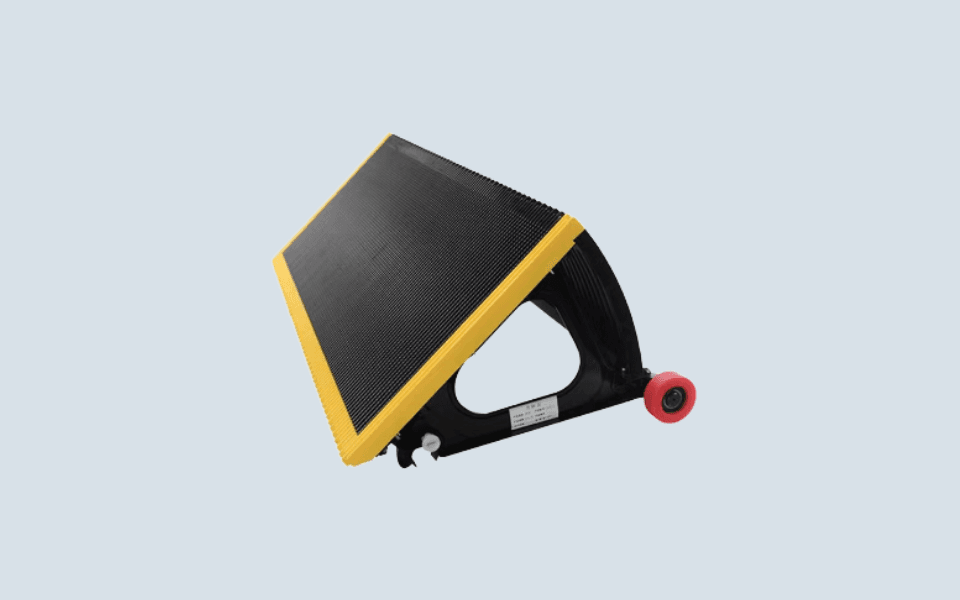
The Escalator Pallet is a moving passenger transport platform used in escalator and moving walkway systems. It is designed to provide stable passenger carrying surfaces during continuous transportation operation in commercial and public environments.
In large infrastructure projects across regions such as Dubai, Spain, and Brazil, escalator pallets are widely used in moving walkways and heavy-duty transportation systems where stable load-bearing performance and continuous circulation are required. Because pallets operate continuously under passenger load, structural durability and movement stability are essential for long-term operation.
Escalator pallets are commonly applied in:
- airports
- metro stations
- shopping malls
- public transportation systems
- commercial buildings
Function in Escalator System
The escalator pallet mainly supports:
- continuous passenger transportation
- stable walking surface movement
- synchronized circulation inside the drive system
- safe transportation between different areas
Proper pallet movement is important for passenger comfort and operational reliability.
Role in Moving Walkway Operation
Inside the transportation system, the pallet operates together with:
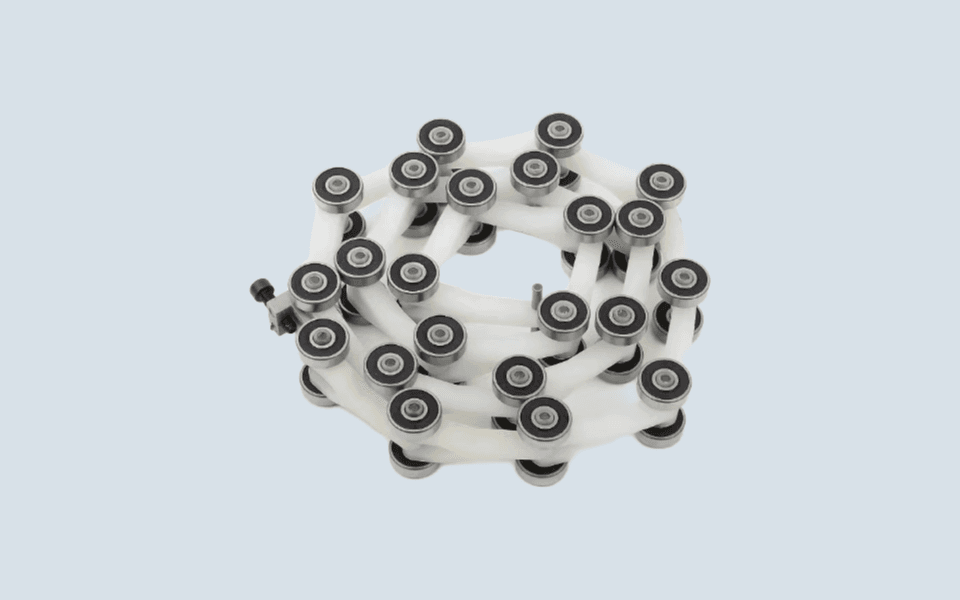
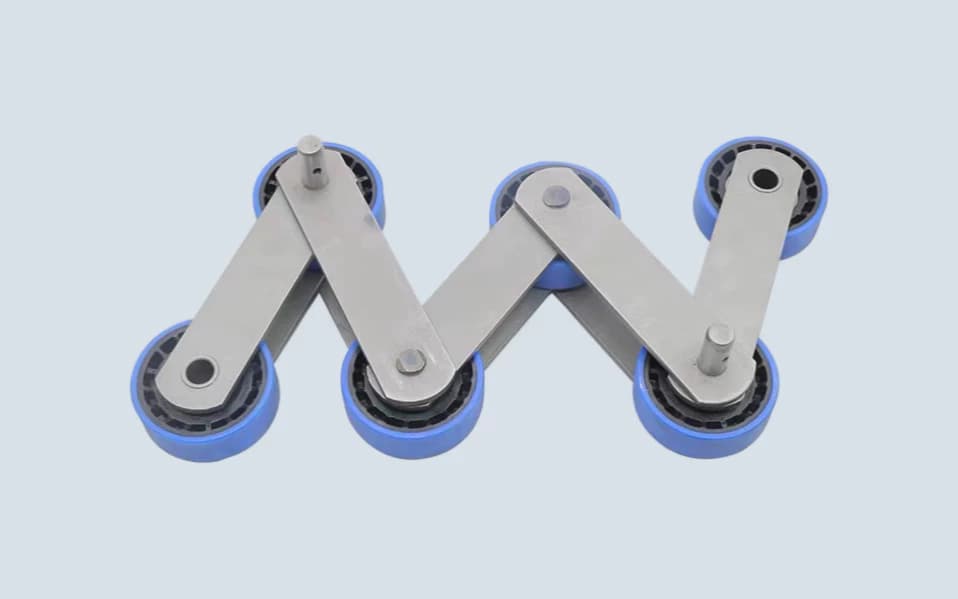
- pallet chain system
- guide tracks
- drive motor assemblies
- comb plates
- support rollers
The pallet continuously circulates through the moving walkway structure during operation.
Structural Characteristics
Modern escalator pallets are typically designed with:
- high-strength aluminum alloy construction
- anti-slip surface grooves
- reinforced load-bearing structure
- stable rolling support system
In high-traffic public environments, pallet durability directly affects maintenance frequency and transportation reliability.
Difference Between Escalator Step and Pallet
Although both are transportation platforms:
- Escalator Step → inclined passenger transportation
- Escalator Pallet → horizontal or low-incline transportation
Pallet systems are commonly associated with moving walkways and airport transportation systems.
Safety Considerations
Escalator pallets are closely related to:
- passenger stability
- pallet-to-comb alignment
- synchronized movement operation
- anti-slip surface performance
Correct installation and alignment are important for safe continuous transportation.
Application Context
Escalator pallets are commonly used in:
- moving walkway systems
- airport transportation systems
- commercial escalators
- heavy-duty public transportation projects
- modernization and maintenance projects
In airports and transit centers with continuous daily traffic, pallets are subject to regular inspection and maintenance.
Common Maintenance Situations
Technicians may inspect or replace pallets when:
- surface wear becomes excessive
- structural deformation appears
- abnormal vibration occurs
- pallet alignment becomes unstable
- roller wear affects movement quality
Replacing damaged pallets helps maintain transportation safety and smooth operation.
Practical Notes
From a maintenance perspective:
- pallet alignment directly affects passenger safety
- chain and roller condition should be checked together
- comb plate clearance is important during installation
Proper synchronization between pallets and the drive system helps reduce long-term wear.
Frequently Asked Questions
What is an escalator pallet used for?
It is used to transport passengers safely in moving walkway and escalator systems.
What is the difference between a pallet and an escalator step?
Escalator steps are mainly used for inclined transportation, while pallets are commonly used for horizontal or low-incline movement systems.
When should escalator pallets be replaced?
When structural wear, deformation, or movement instability affects safe operation.