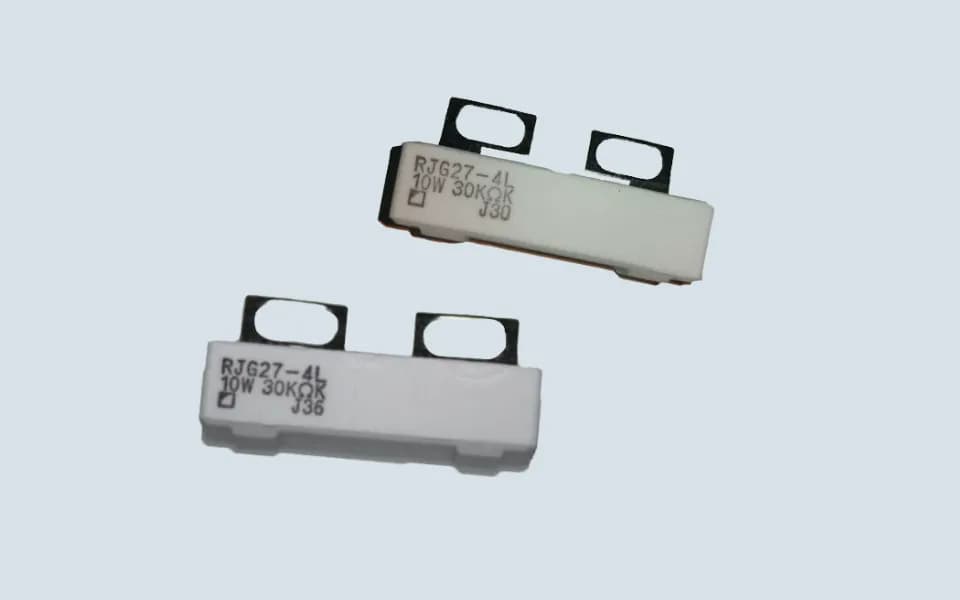
P203026D247 RJG27-4L Mitsubishi Elevator Ceramic-Encased Resistor
Please add the quotation and send it to us and get in touch with us immediately
- Global service 24/7
- Lowest price for all products
- Best quality with Production Process
- After-Sale Warranty
- Technical Support
Description
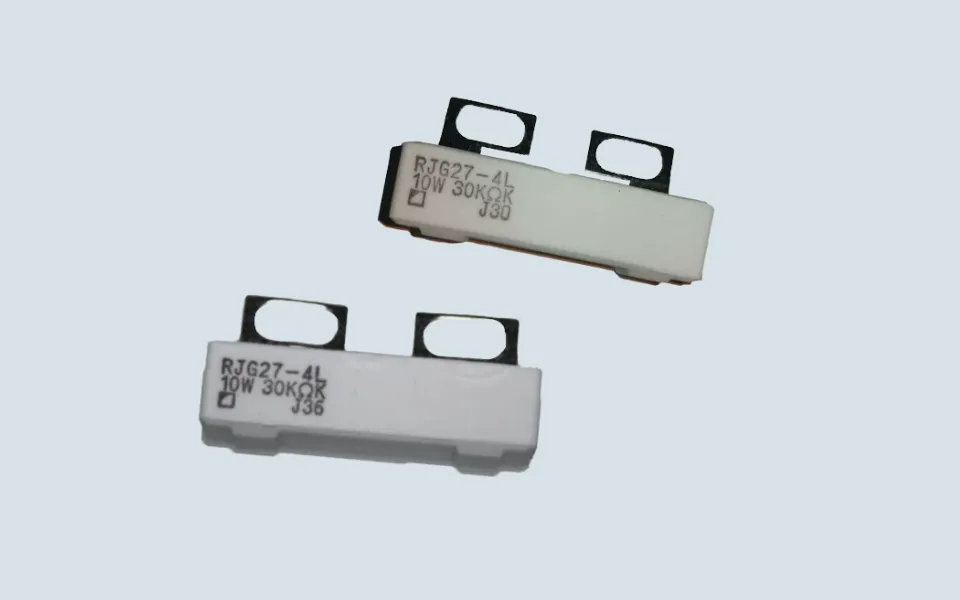
Mitsubishi Elevator Ceramic-Encased Resistor P203026D247 RJG27-4L
P203026D247 RJG27-4L is a ceramic-encased resistor commonly used in Mitsubishi elevator electrical control and braking circuits.
This type of resistor is generally associated with:
- power dissipation
- electrical load control
- braking circuit systems
- inverter-related electrical protection
Usually installed inside controller cabinets or electrical assemblies where stable heat resistance is required during long-term operation.
Practical Application
In some Mitsubishi elevators used in commercial buildings in Jordan and Peru, ceramic resistors like RJG27-4L are still found in older controller systems and modernization projects.
Compared with standard resistors, ceramic-encased structures are more suitable for:
- continuous electrical load
- higher operating temperature
- stable heat dissipation
- long-term industrial operation
Because of this, they are widely used in elevator electrical systems with repeated operational cycles.
Common Field Situation
During maintenance work, technicians may inspect the resistor when:
- abnormal heating appears inside the cabinet
- braking response becomes unstable
- burnt electrical smell occurs
- resistor surface cracking becomes visible
- inverter-related faults appear intermittently
In some older Mitsubishi systems, long-term thermal stress may gradually affect resistor stability.
System Relationship
This resistor is commonly related to:
- braking units
- drive systems
- inverter assemblies
- controller electrical circuits
Some Mitsubishi controller generations use different resistor configurations depending on motor and drive architecture.
Installation Notes
Before replacement:
- resistance specification should match original configuration
- mounting position should allow proper heat dissipation
- cabinet ventilation condition should be checked
Incorrect resistor matching may affect braking circuit stability and electrical protection performance.
FAQ
Why do ceramic resistors crack after long-term operation?
In some elevator systems, repeated thermal load and insufficient ventilation may gradually affect the ceramic structure.
Can resistor problems affect elevator braking systems?
Yes. In certain Mitsubishi drive systems, unstable resistor performance may influence braking response and electrical load control.