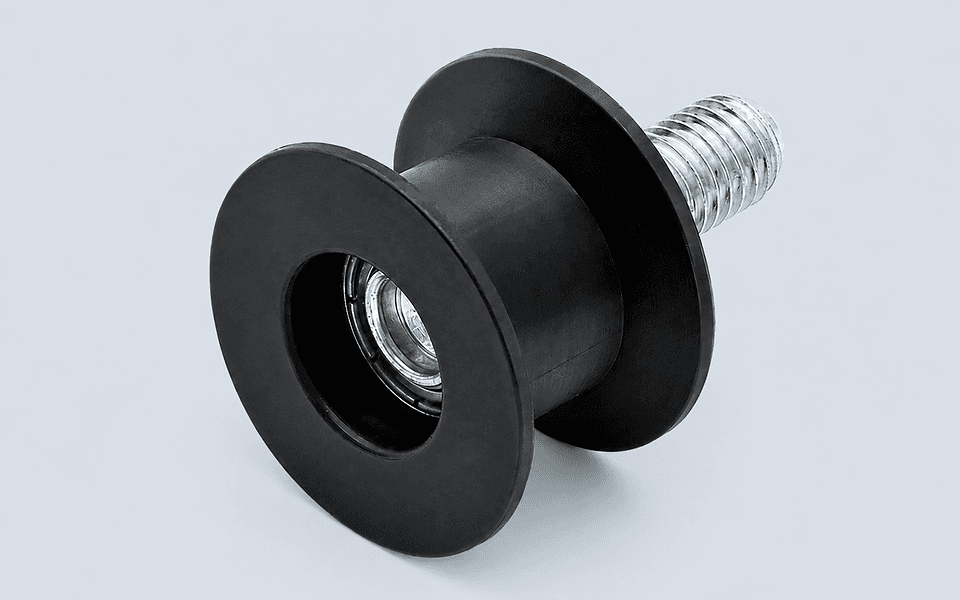
ThyssenKrupp K200 K300 Belt Roller
Please add the quotation and send it to us and get in touch with us immediately
- Global service 24/7
- Lowest price for all products
- Best quality with Production Process
- After-Sale Warranty
- Technical Support
Description
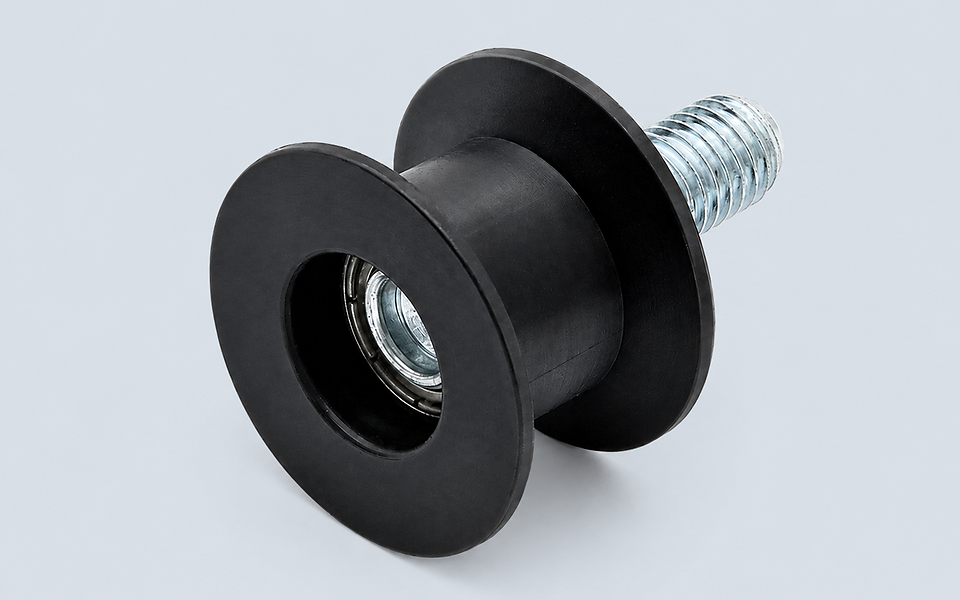
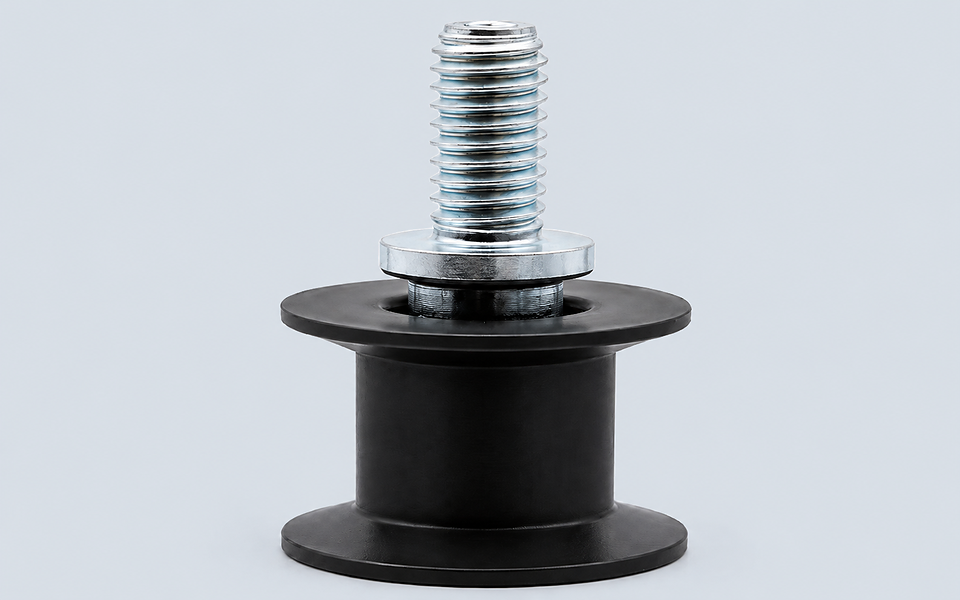
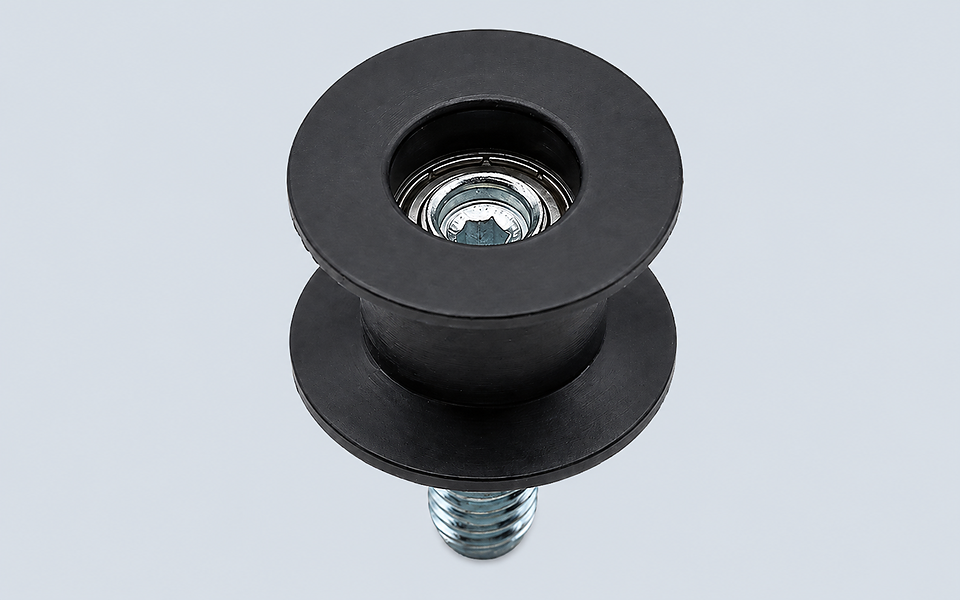
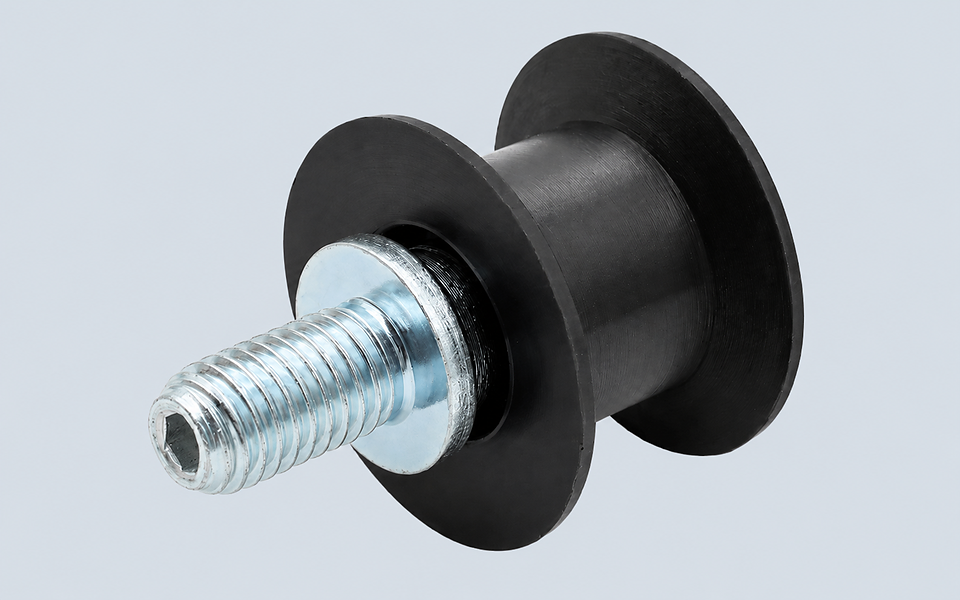
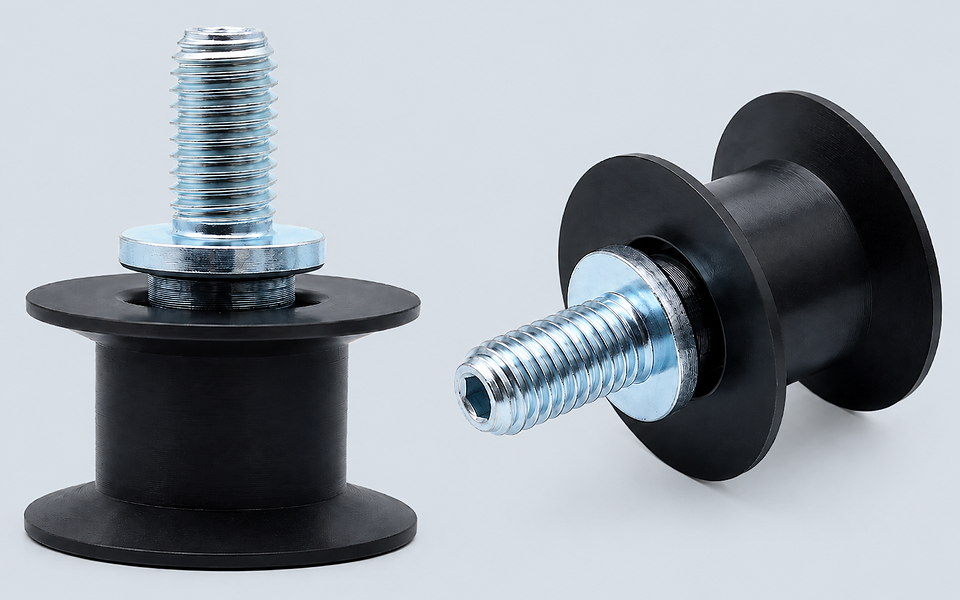
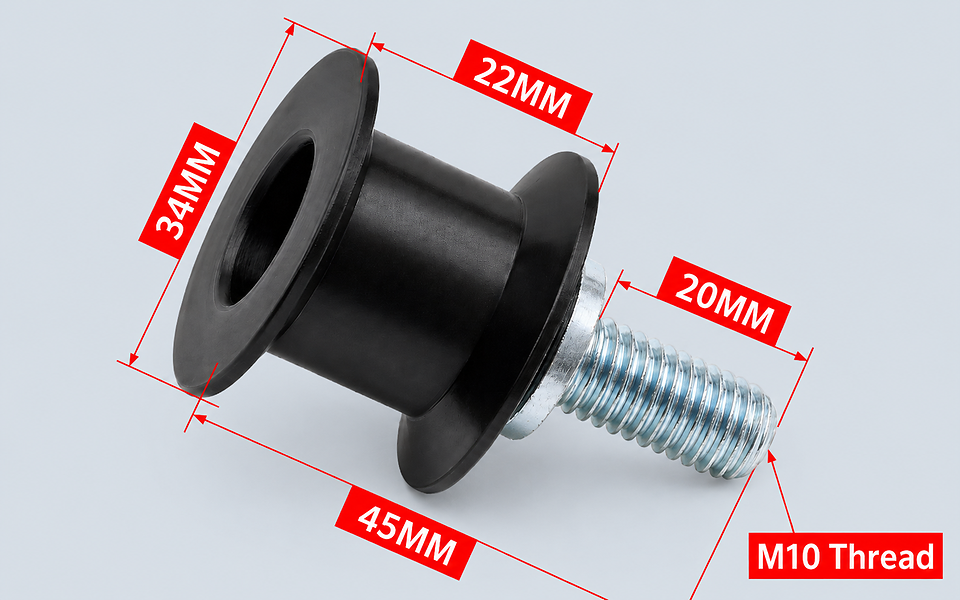
ThyssenKrupp K200 K300 Belt Roller
ThyssenKrupp K200 and K300 Belt Roller is a mechanical roller component used in compatible elevator door operator systems.
The roller works together with the door belt and transmission mechanism to maintain smooth movement during door opening and closing. A properly functioning belt roller helps reduce friction, keeps the belt running in the correct position, and prevents unnecessary vibration from transferring to the door operator.
This product is commonly searched as:
ThyssenKrupp K200 Belt Roller
ThyssenKrupp K300 Belt Roller
K200 Door Belt Roller
K300 Door Operator Roller
Elevator Door Belt Guide Roller
ThyssenKrupp Door Mechanism Roller
Elevator Door Transmission Roller
A Small Roller With an Important Function
Although the belt roller is a relatively small part inside the door operator, its condition directly affects the stability of the complete door system.
After long-term operation, the roller bearing may become noisy, the outer surface may wear unevenly, or the roller may develop excessive clearance. These issues can cause the belt to run off-centre, create abnormal sounds during movement, or increase the load on the door motor.
In many maintenance cases, technicians first replace visible worn parts such as belts or rollers. However, checking the complete transmission path is important because a damaged roller is sometimes the result of belt tension problems, misalignment, or worn supporting components.
Matching the Roller With the Existing Door Operator
K200 and K300 door systems may contain similar-looking rollers with different dimensions or mounting structures.
The most useful information for identification includes:
original roller photos
outside diameter and width measurement
bearing specification
shaft or fixing method
belt contact surface
installed position inside the operator
complete door operator model
The contact surface of the roller is especially important. A roller designed for a different belt profile may create uneven wear even if the external size appears close.
Typical Replacement Conditions
A K200/K300 belt roller is normally replaced when maintenance technicians find:
bearing noise during door operation
rough rotation by hand
visible cracks or surface wear
belt vibration
unstable door speed
repeated belt adjustment
excessive movement of the roller shaft
When replacing the roller, it is recommended to inspect the belt condition, belt tension, pulley alignment, fixing bracket, and nearby rollers at the same time.
A new roller installed into a misaligned mechanism may experience premature wear and may not solve the original door problem.
Application Information
This belt roller is mainly supplied for ThyssenKrupp elevator door operator maintenance and refurbishment projects.
For customers in Saudi Arabia, Jordan, Egypt, Iraq, UAE, Kuwait, Brazil, Chile, Spain, and Italy, providing the old roller photo together with the door operator image can help confirm the correct replacement faster.
FAQ
Is ThyssenKrupp K200 Belt Roller the same as K300 Belt Roller?
They belong to the same ThyssenKrupp door-system family, but the exact size, mounting structure, and application should be checked before replacement.
Can I replace only the roller without changing the belt?
Yes, if the belt is still in good condition. However, technicians should inspect belt wear, tension, and alignment because these factors affect roller life.
How do I know if the belt roller is damaged?
Common signs include abnormal noise, rough rotation, visible wear, belt vibration, and unstable door movement.
Is this roller supplied with a bearing?
The configuration depends on the specific version. The original roller structure and bearing marking should be checked before ordering.
What information is needed for quotation?
Please provide roller photos, dimensions, bearing details, installation position, and the complete door operator information.