Elevator Modernization Guide: How to Select Electrical System Components
November 5, 2026
Elevator Modernization Guide: How to Select Electrical System Components
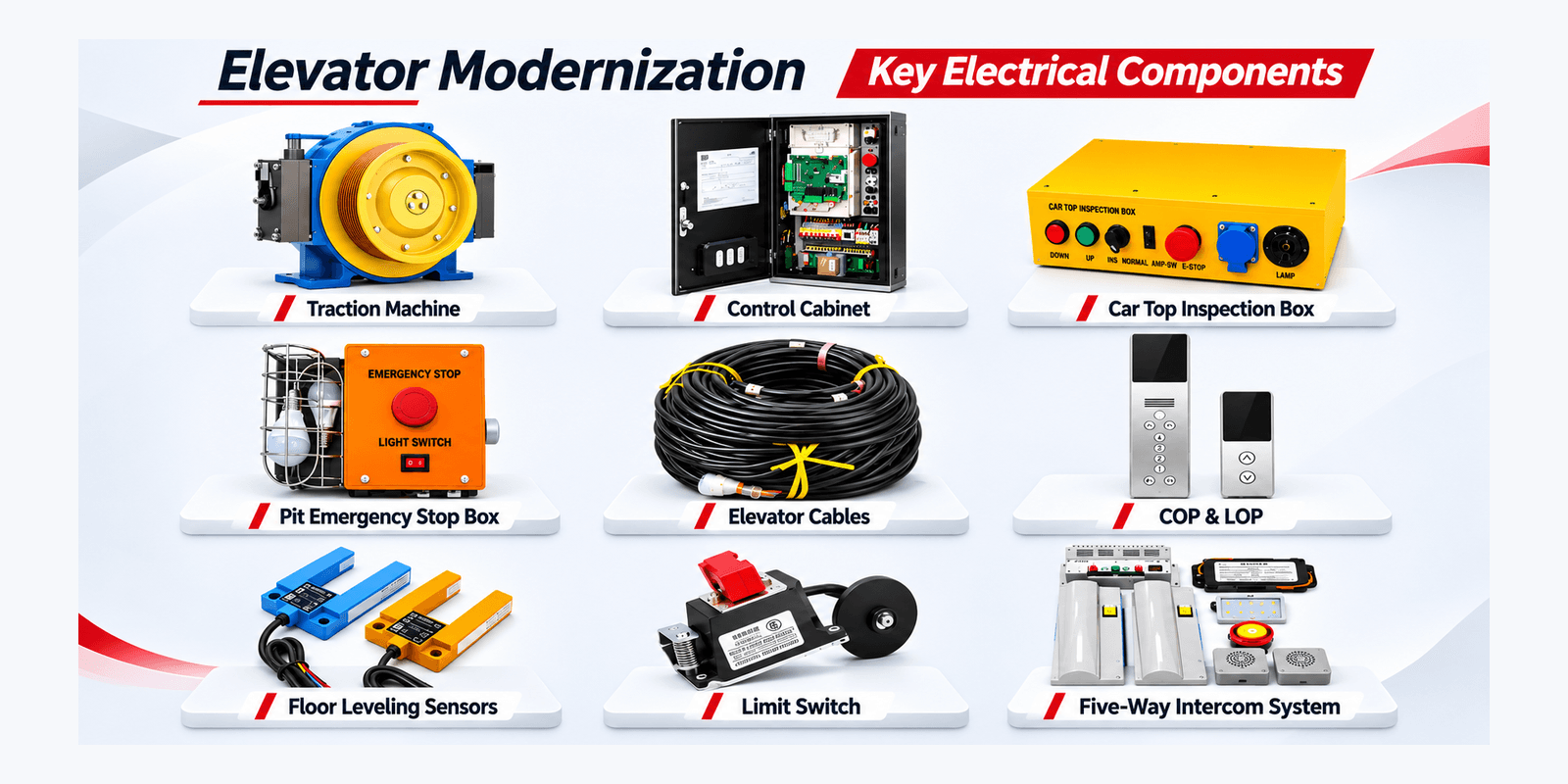
Elevator modernization involves upgrading outdated equipment while retaining existing components that remain safe and compatible. A typical electrical modernization package includes a control cabinet, COP, LOP, inspection boxes, leveling sensors, cables, limit switches and emergency communication equipment. The traction machine may also need replacement, depending on its condition and compatibility.
The correct selection depends on the elevator's rated load, speed, motor specifications, number of floors, travel height and existing installation dimensions.
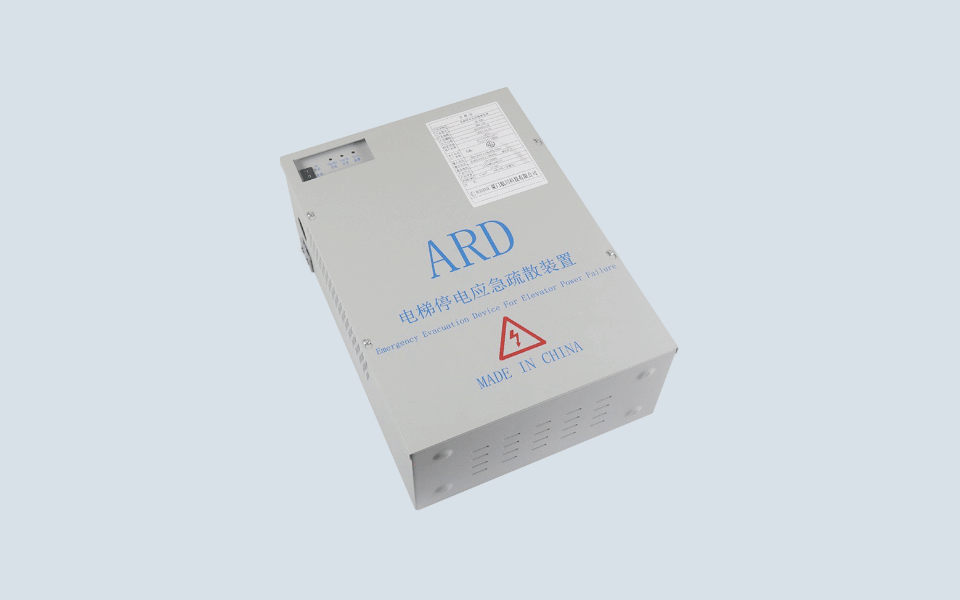
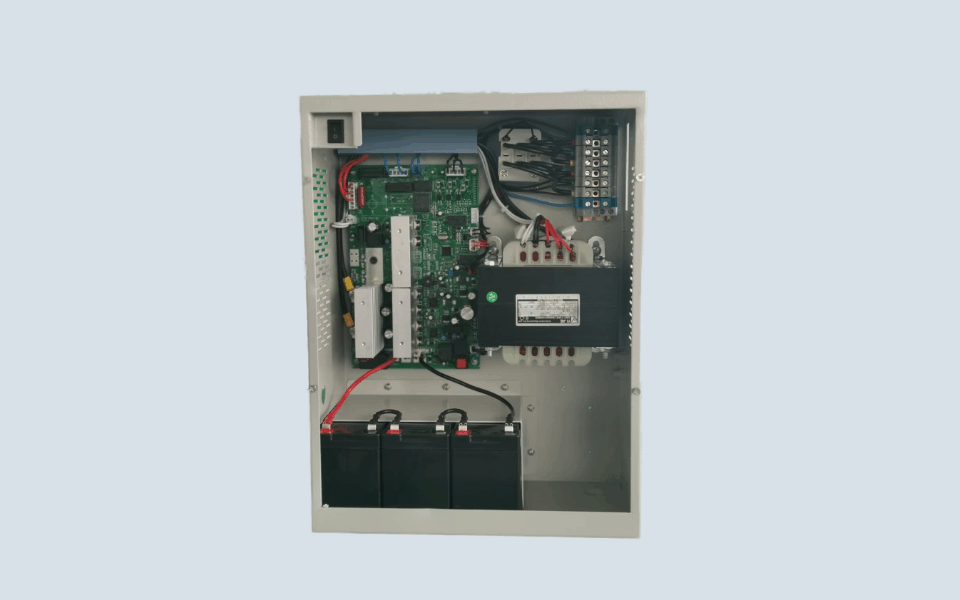
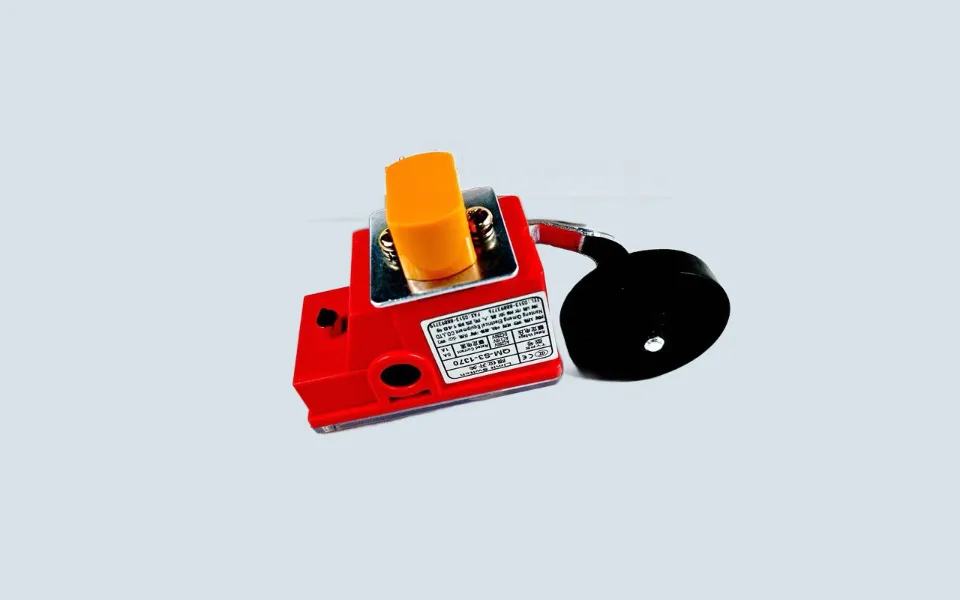
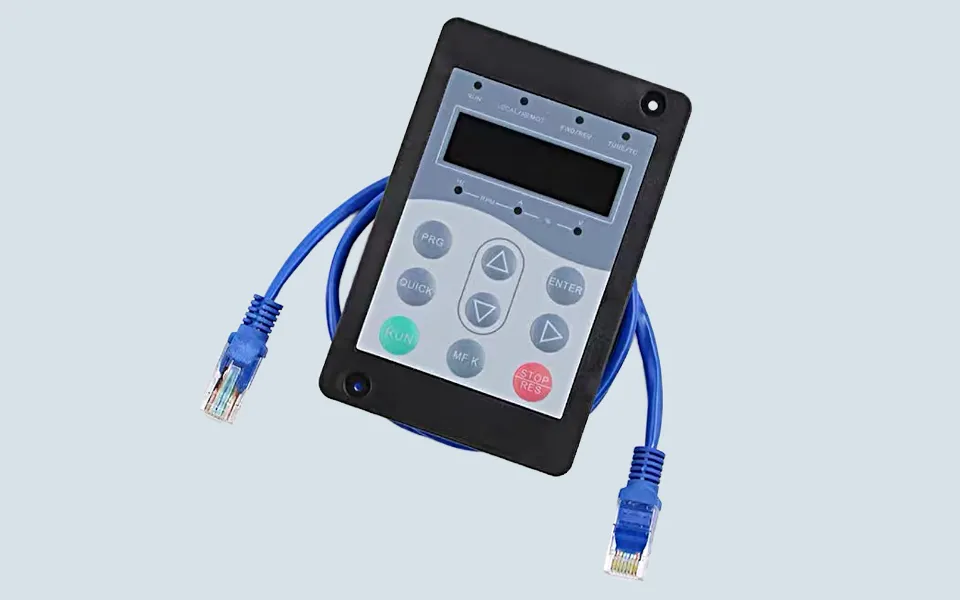
Which Parts Need to Be Replaced During Elevator Modernization?
A typical electrical modernization package includes:
Elevator control cabinet
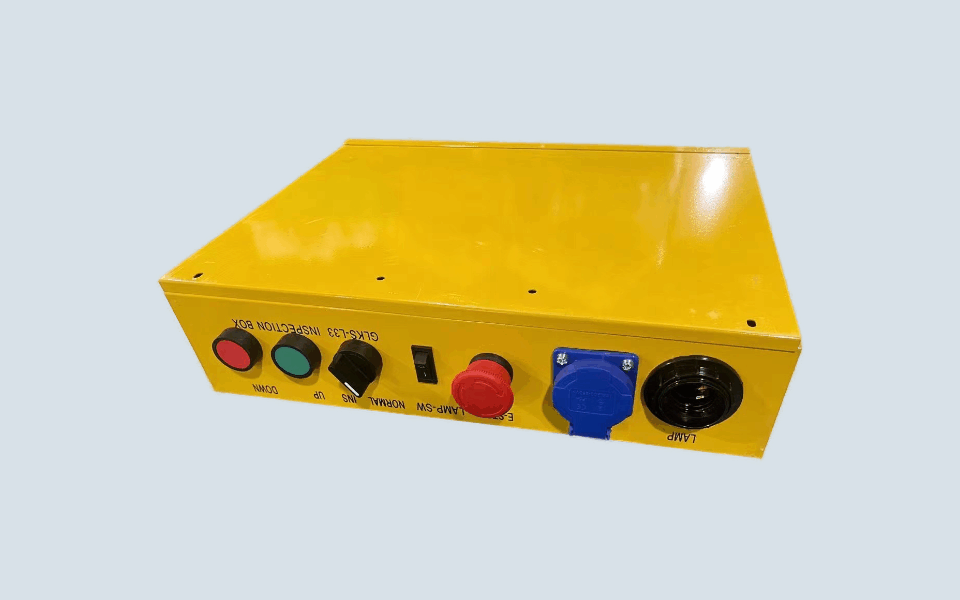
Car top inspection box
Car Operating Panel (COP)
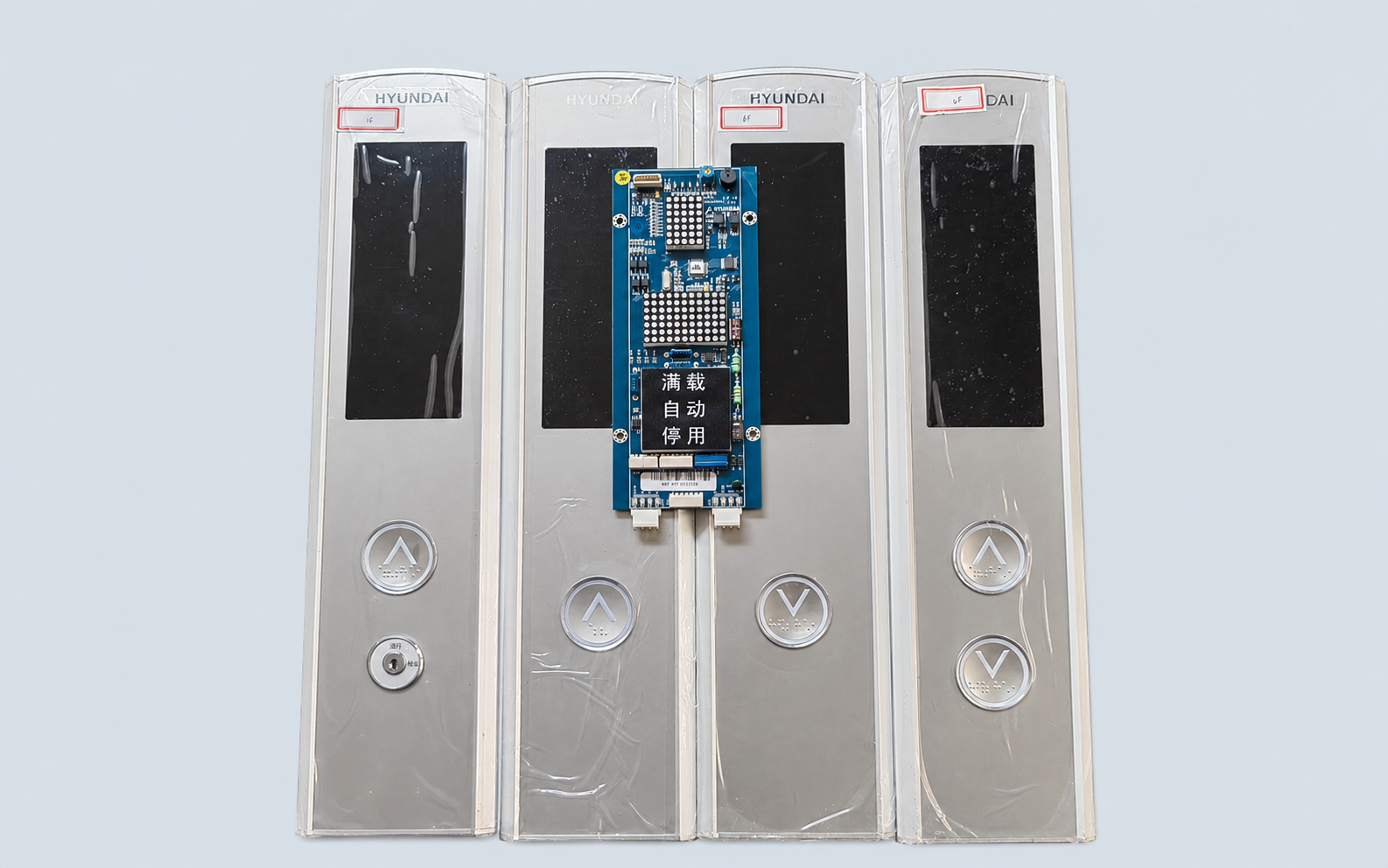
Landing Operating Panels (LOP)
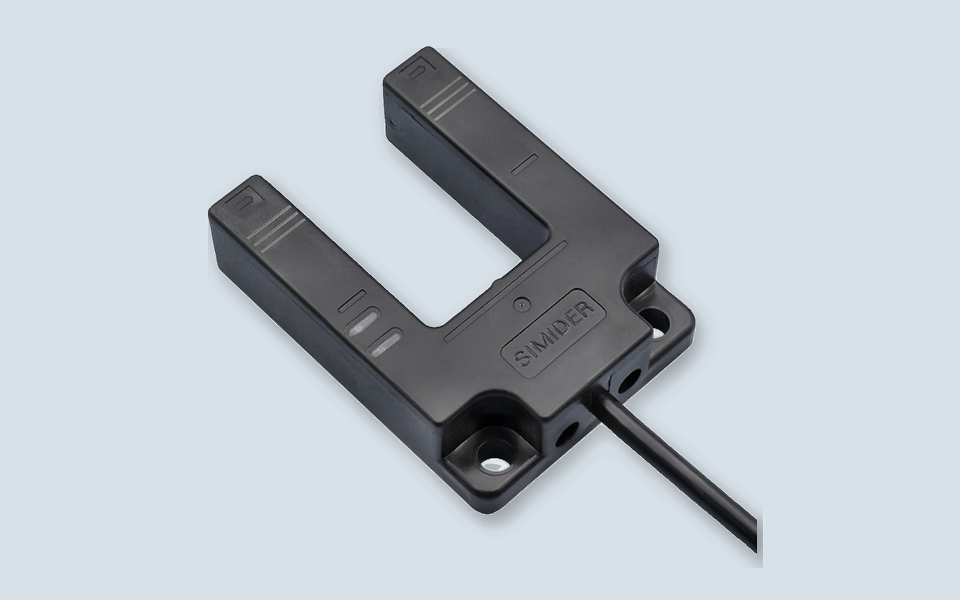
Floor leveling sensors
Traveling cables and shaft wiring
Pit inspection box and emergency stop switch box
Terminal and limit switches
Five-way emergency intercom system
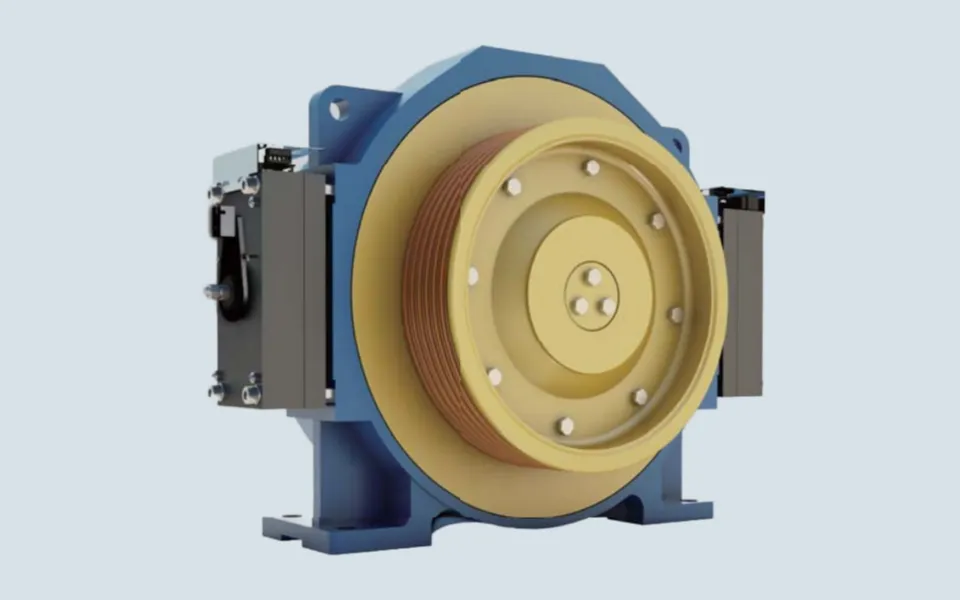
The traction machine is replaced when necessary. Existing components should only be retained after their condition, safety and compatibility have been verified.
How to Match the Traction Machine and Control Cabinet
When replacing a traction machine, the new unit must be compatible with the elevator's rated load, operating speed, roping ratio, traction sheave, rope specifications and mounting arrangement.
Motor voltage, rated current, power, encoder and brake specifications must also be verified.
Can an old traction machine work with a new control cabinet?
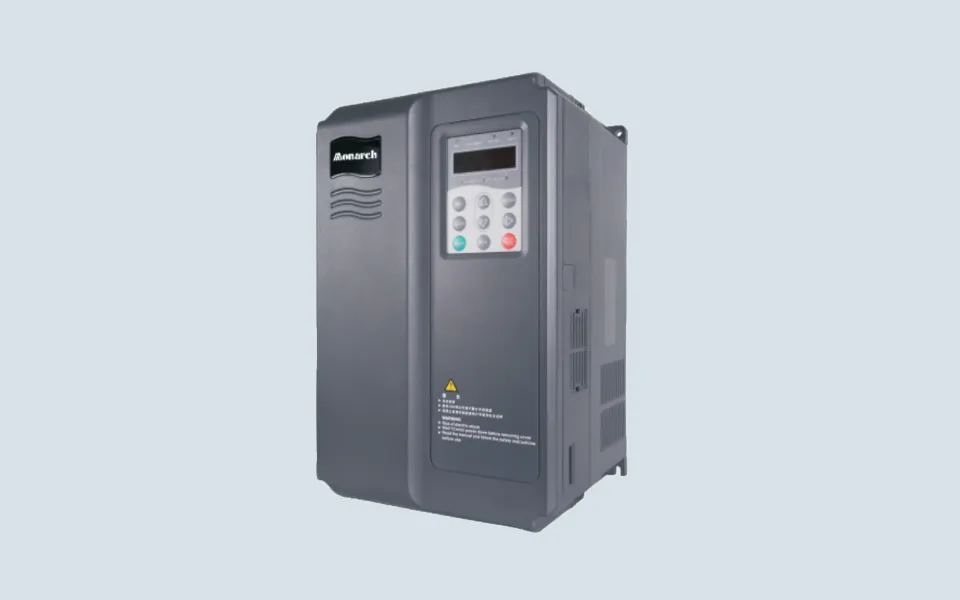
Yes, provided its mechanical condition, motor characteristics, encoder, brake and safety functions are compatible with the new control system.
The inverter's rated output current must be sufficient for the traction motor under the required operating conditions. Matching voltage alone is not enough.
COP, LOP and Safety Device Selection
LOP replacement should begin with measurements of the existing wall opening. Panel width, height, mounting arrangement, display and button configuration must be checked.
The COP must support the elevator's served floors, operating functions and controller communication system.
Car top and pit inspection boxes, emergency stop devices and limit switches require matching safety functions, electrical ratings, contact arrangements and installation positions.
Leveling sensors must also match the new controller's signal and positioning requirements.
How Is Elevator Cable Length Calculated?
Cable length cannot be determined accurately by multiplying the number of floors by a fixed value.
Shaft wiring depends on travel height, floor distribution, routing paths and connection points.
Traveling cable length requires a separate calculation based on suspension points, fixing positions and full car movement.
Conductor quantities, cable sizes and communication requirements must match the selected controller.
Elevator Modernization Component Selection Checklist
| Component | Parameters to Confirm |
|---|---|
| Traction machine | Load, speed, power, voltage, current, roping ratio, encoder |
| Control cabinet | Motor type, voltage, current, brake and encoder |
| COP | Served floors, panel dimensions, button layout |
| LOP | Original opening dimensions, mounting, display |
| Leveling sensors | Sensor type, voltage, output signal |
| Traveling cable | Travel height, suspension arrangement, cable specifications |
| Shaft wiring | Shaft height, floors, wiring routes |
| Inspection and safety boxes | Functions, contacts, voltage, installation |
| Intercom | Communication points, wiring, backup power |
What Information Should Be Provided Before Quotation?
For accurate component matching, customers should provide the existing motor nameplate, rated load, speed, floor count, travel height, control cabinet photographs, wiring diagrams and COP/LOP dimensions.
Two elevators with the same rated capacity may require different modernization components because their motors, shaft arrangements and control systems are different.
A reliable elevator modernization solution starts with equipment compatibility, accurate measurements and proper safety evaluation—not simply replacing every old component.
Final selection, installation and commissioning should be verified by qualified elevator professionals according to applicable safety standards.