How to Select a Polyurethane Elevator Buffer: Sizing, Materials & Certification
October 28, 2026
How to Select the Right Polyurethane Buffer for an Elevator
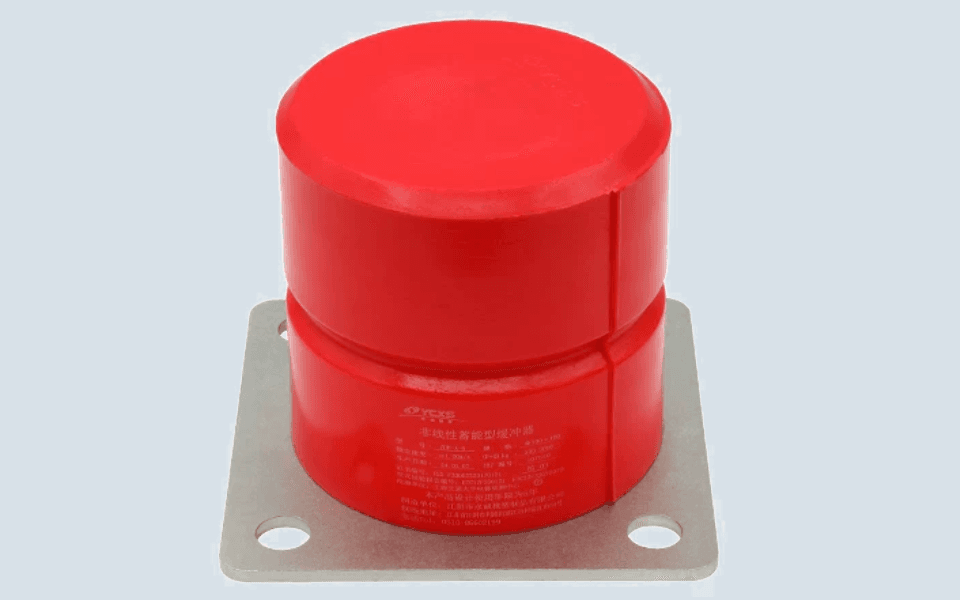
Polyurethane buffers may look simple, but selecting the correct model is not a matter of matching the buffer diameter to the elevator capacity. As a safety component installed at the bottom of the elevator shaft, the buffer must safely absorb the energy of the car or counterweight under specified operating conditions.
Which Elevator Parameters Determine the Buffer Model?
The first parameter to check is rated speed. Polyurethane buffers are generally energy-accumulation buffers, and their permitted operating speed is limited by the applicable elevator standard and the certified design of the individual buffer.
The second factor is impact mass. For the car side, engineers should consider the car weight, rated load and the number of buffers installed. For the counterweight side, the counterweight mass must be calculated separately.
This is why two elevators with the same 1,000 kg rated capacity may require different polyurethane buffers. One may have a heavier car, a different counterweight arrangement or two buffers instead of one.
A correct selection should therefore confirm:
Rated elevator speed
Car dead weight
Rated capacity
Counterweight mass
Number of buffers
Permitted minimum and maximum mass per buffer
Buffer height, compression stroke and installation dimensions
The final model should always remain within the manufacturer's certified speed and mass range.
What Is a Polyurethane Elevator Buffer Made From?
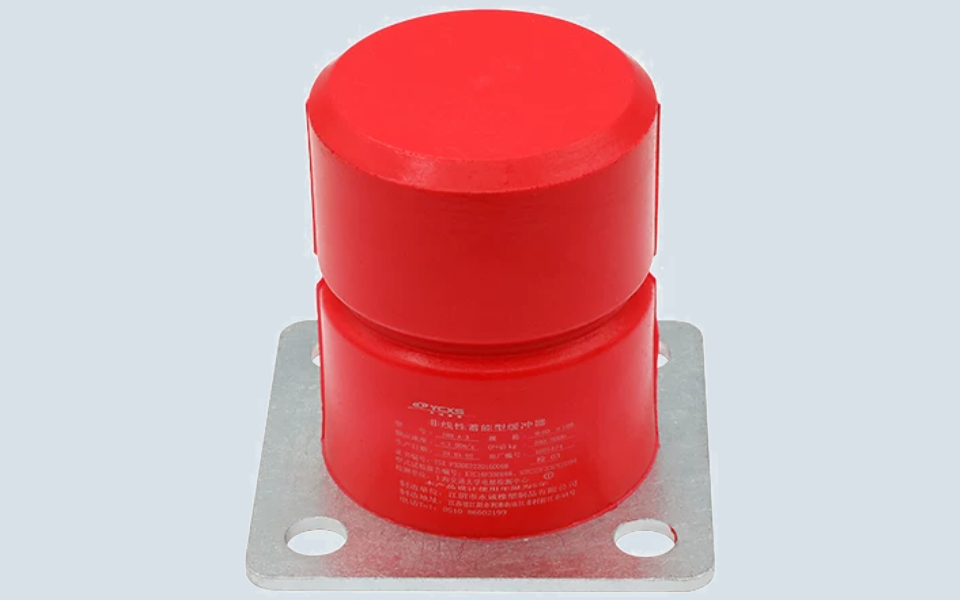
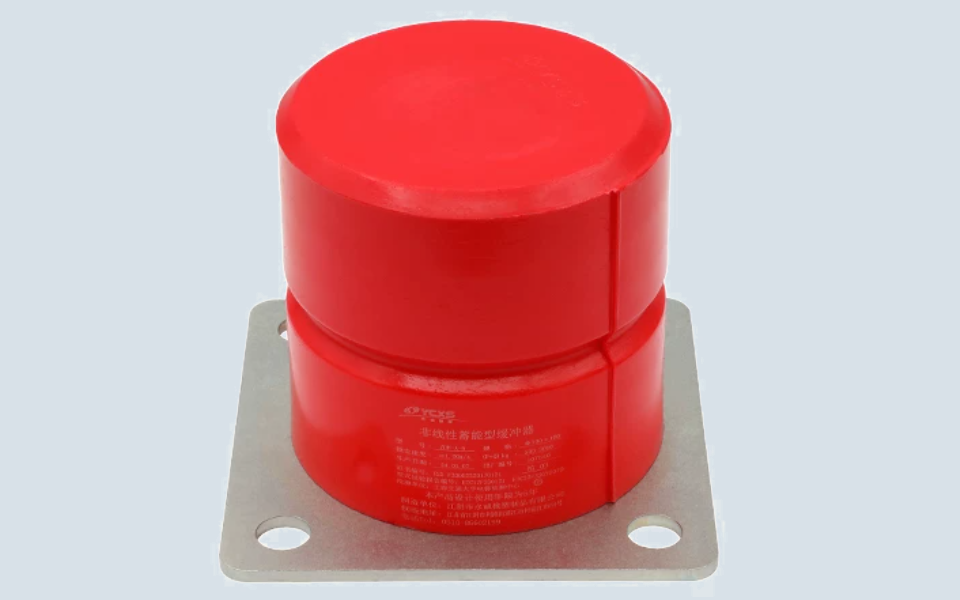
The working body of the buffer is normally a polyurethane elastomer. Polyurethane is produced through a controlled reaction involving polyols and isocyanates, together with formulation components such as chain extenders, catalysts and other additives.
For elevator applications, the formulation is designed to provide controlled deformation, energy absorption and recovery rather than simply producing a soft rubber-like component.
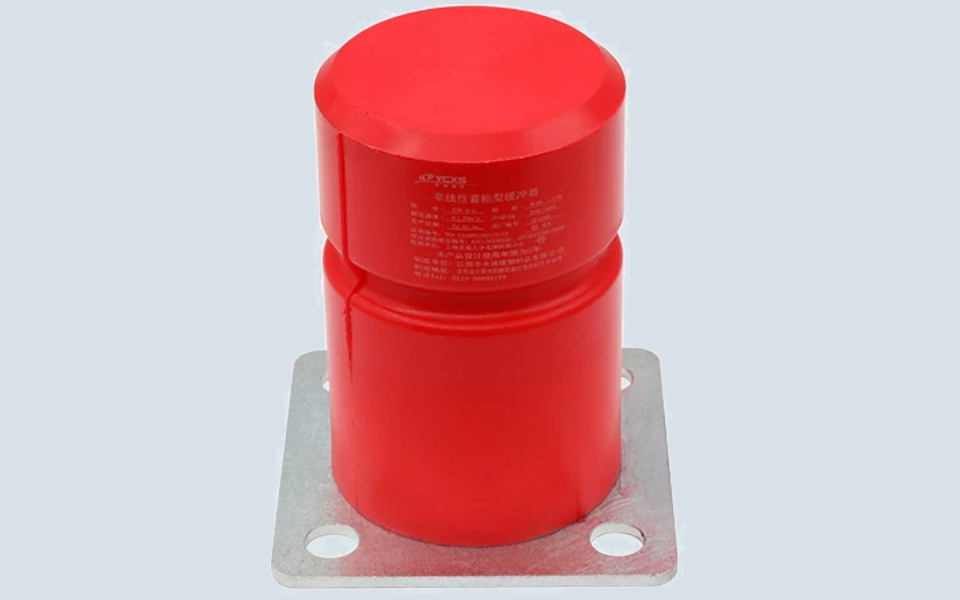
A typical elevator buffer also includes a steel mounting plate or base. Its actual performance therefore depends not only on the outside dimensions, but also on material formulation, hardness, geometry and compression characteristics.
For replacement projects, matching only the diameter and height is not sufficient.
Does a Polyurethane Elevator Buffer Need Certification?
This question depends strongly on the destination market.
In the European Union, non-linear energy-accumulation buffers are treated as lift safety components under the Lifts Directive. Applicable products require conformity assessment, supporting technical documentation, an EU Declaration of Conformity and CE marking.
The United Kingdom also regulates lift safety components. Depending on the applicable conformity route, compliant CE-marked products continue to be recognized in Great Britain, while UKCA is also part of the UK conformity framework.
Saudi Arabia specifically includes buffers/shock absorbers in its list of elevator safety components, so conformity requirements should be confirmed before shipment.
For the United States and Canada, the situation is different. Selection and acceptance are normally tied to ASME A17.1/CSA B44 requirements and the local authority having jurisdiction. A European CE certificate should not automatically be assumed to satisfy a North American project.
Before Ordering
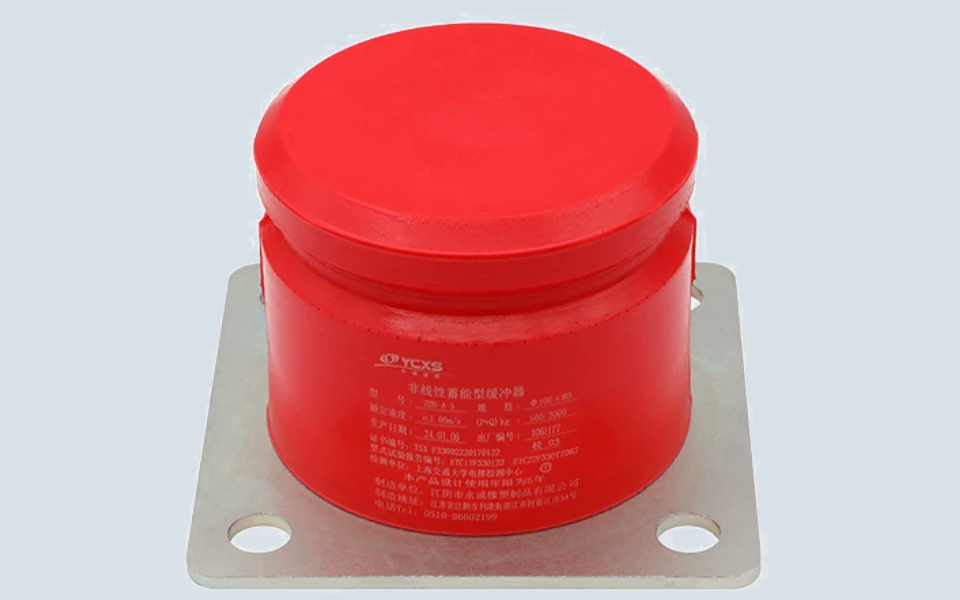
For international replacement orders, the safest approach is to send the existing buffer nameplate, elevator rated speed, car weight, rated load, counterweight data and installation dimensions.
Selecting by appearance alone can result in a buffer that physically fits but does not have the required energy-absorption performance.