Heidenhain 1387 vs 1313 Encoder
May 19, 2026
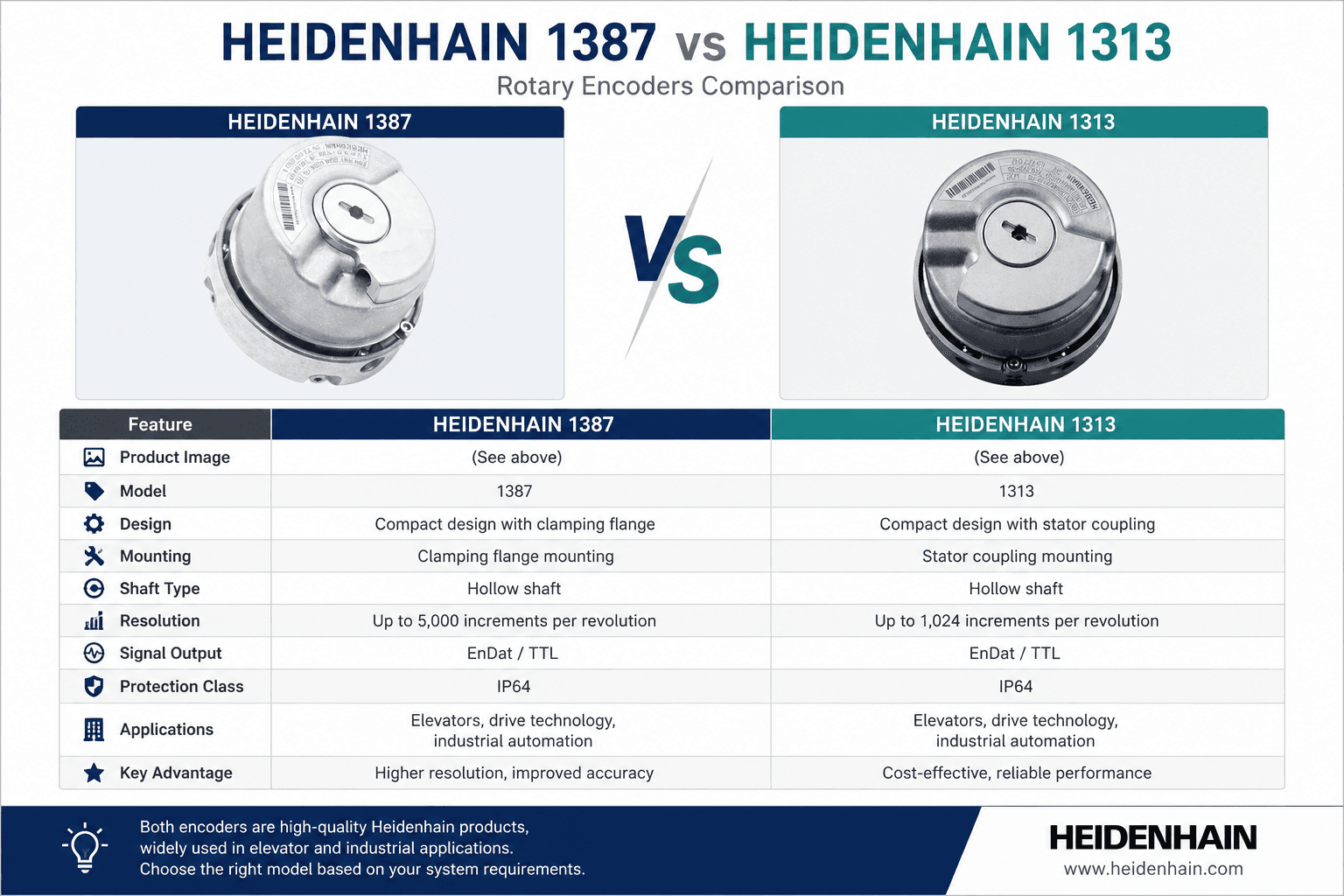
Heidenhain 1387 vs 1313 Encoder
Key Differences for Elevator Drive Applications
Overview
Both the Heidenhain 1387 and 1313 encoders are widely used in elevator drive systems for motor feedback and position control. While they belong to a similar product family, they are typically applied in different scenarios depending on system requirements.
In real-world projects across markets such as Germany and Brazil, the choice between these two models is rarely based on brand preference, but rather on how well the encoder fits the existing control system.
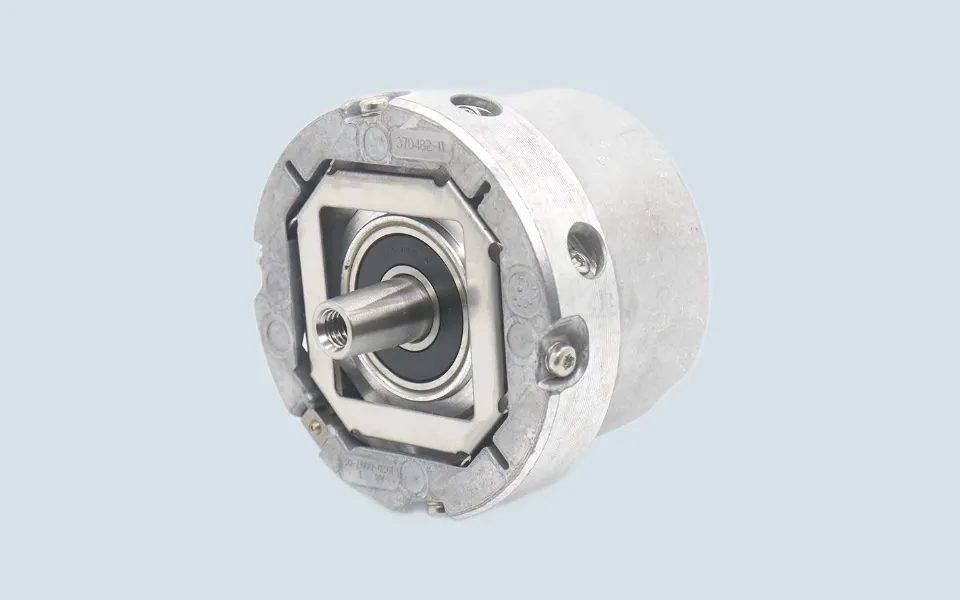
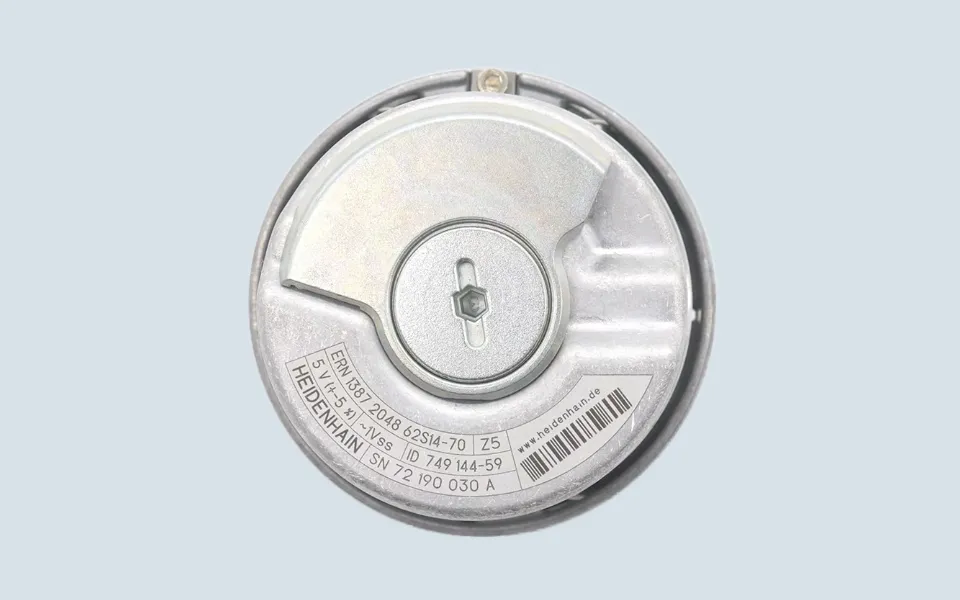
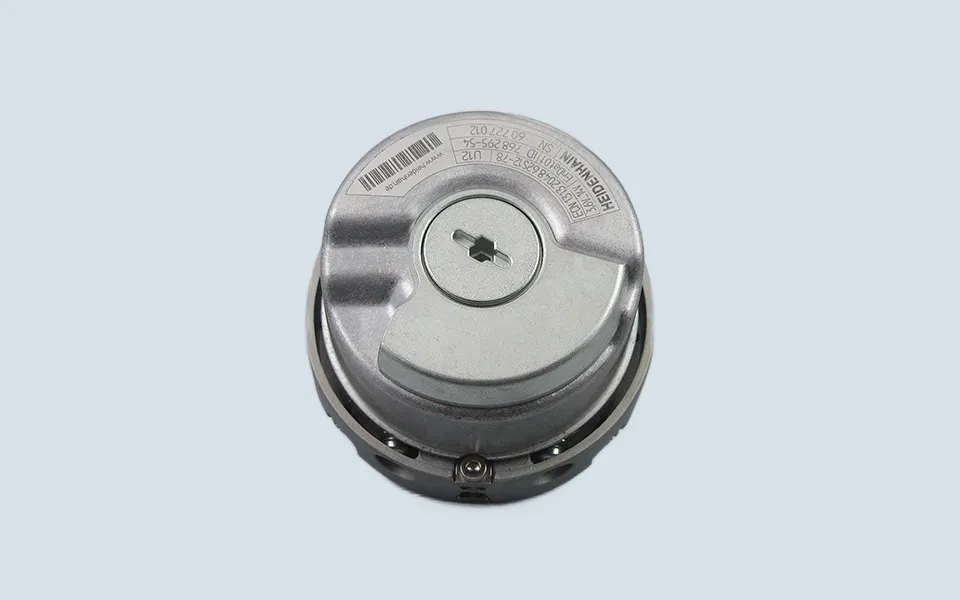
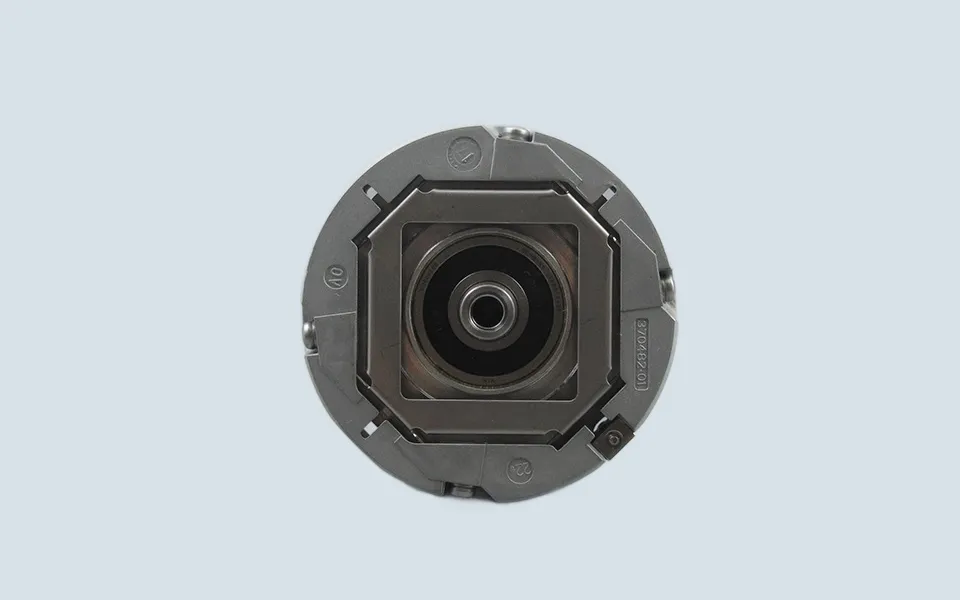
Quick Comparison
| Feature | Heidenhain 1387 | Heidenhain 1313 |
|---|---|---|
| Typical Use | Modern systems / upgrades | Existing systems / replacement |
| Focus | Precision and performance | Stability and compatibility |
| Control Level | Higher accuracy | Consistent signal output |
| Application | New installations | Maintenance projects |
| Replacement Approach | System tuning required | Direct replacement preferred |
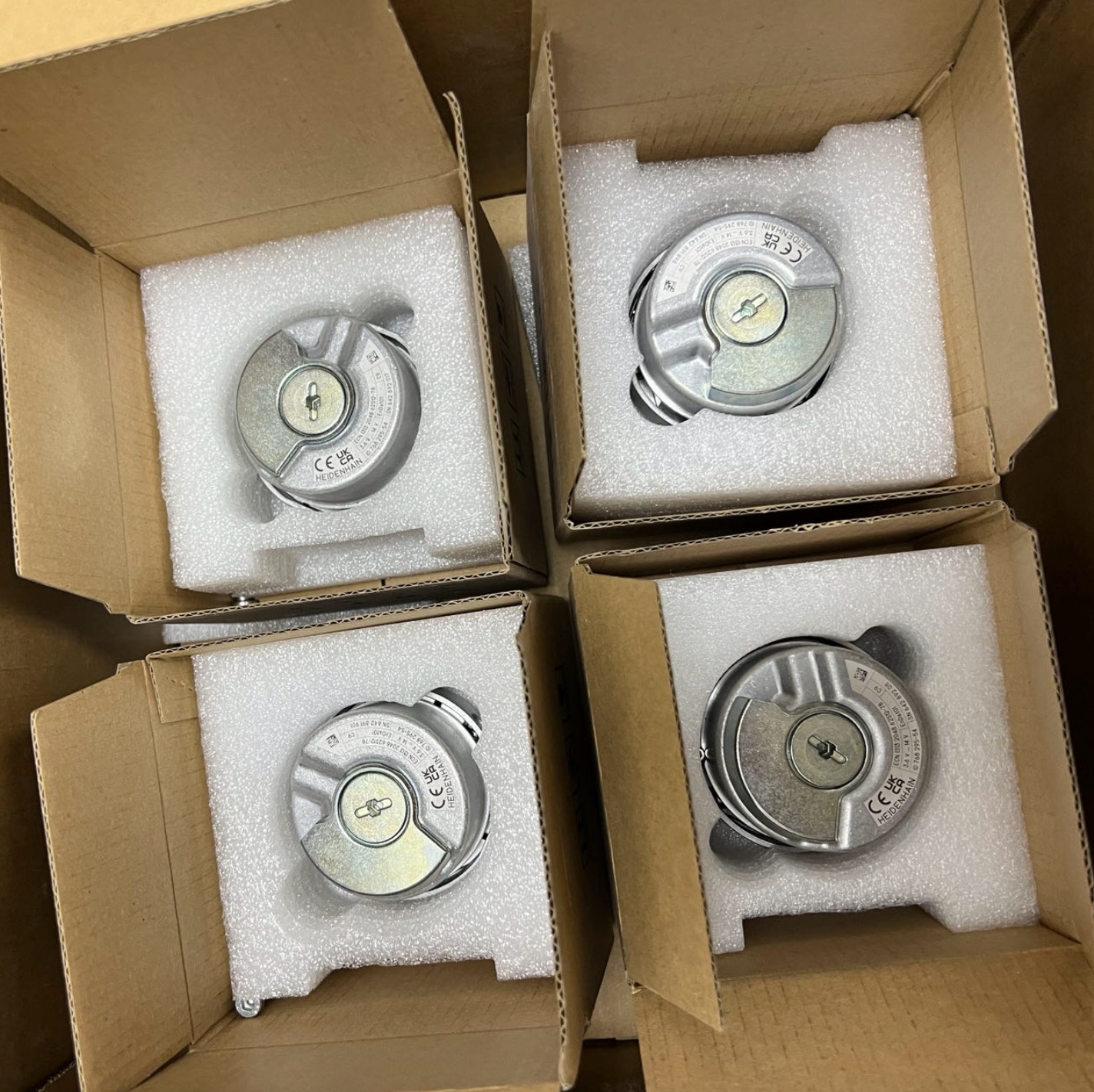
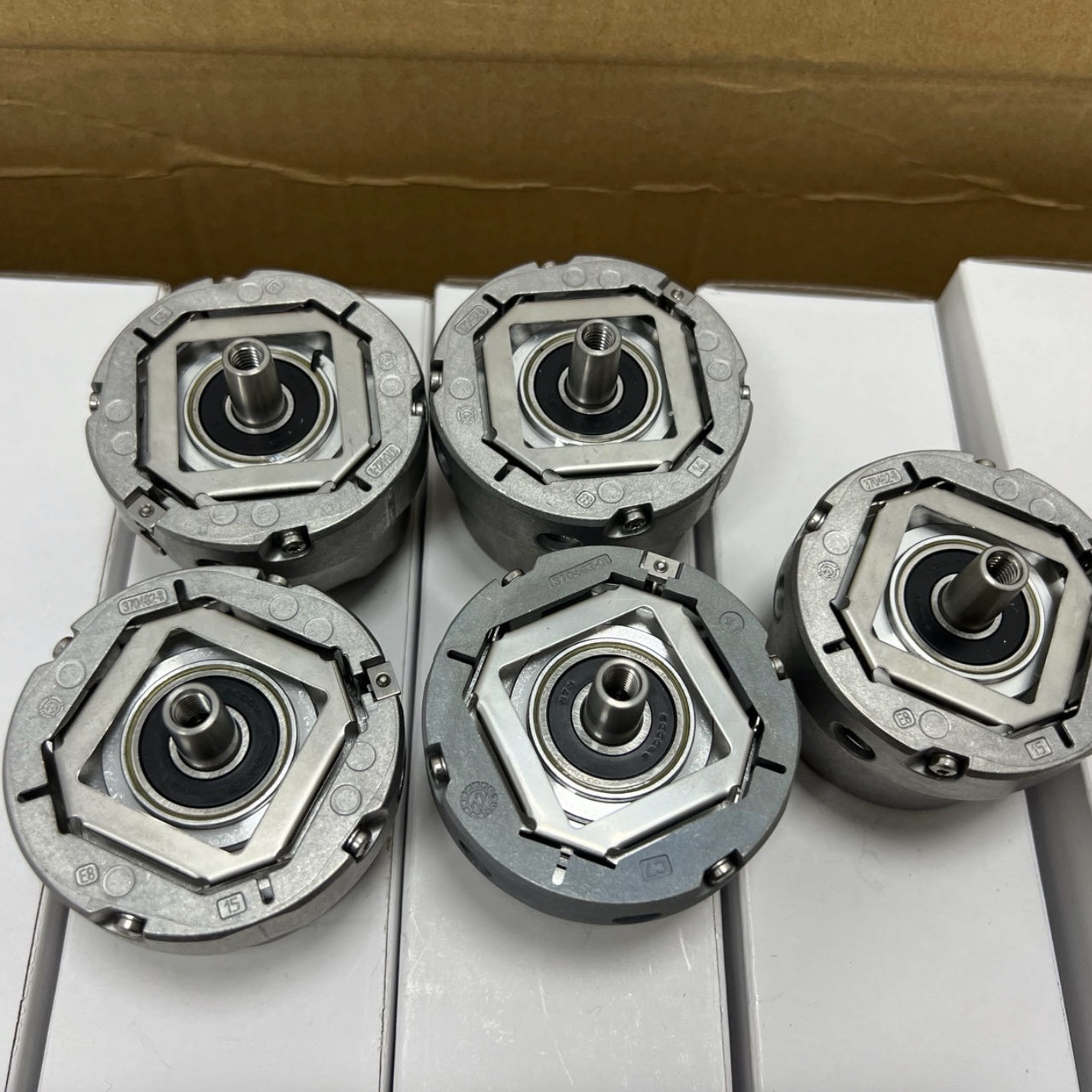
Heidenhain 1387 Encoder
The 1387 encoder is commonly used in newer elevator systems where precise motion control is required.
In practice, it is selected when:
- smooth acceleration and deceleration are important
- accurate leveling at floor stops is required
- the system uses modern VVVF drive control
- higher signal precision improves overall performance
In installations across Germany, this type of encoder is often used together with advanced drive systems to achieve better ride quality.
Heidenhain 1313 Encoder
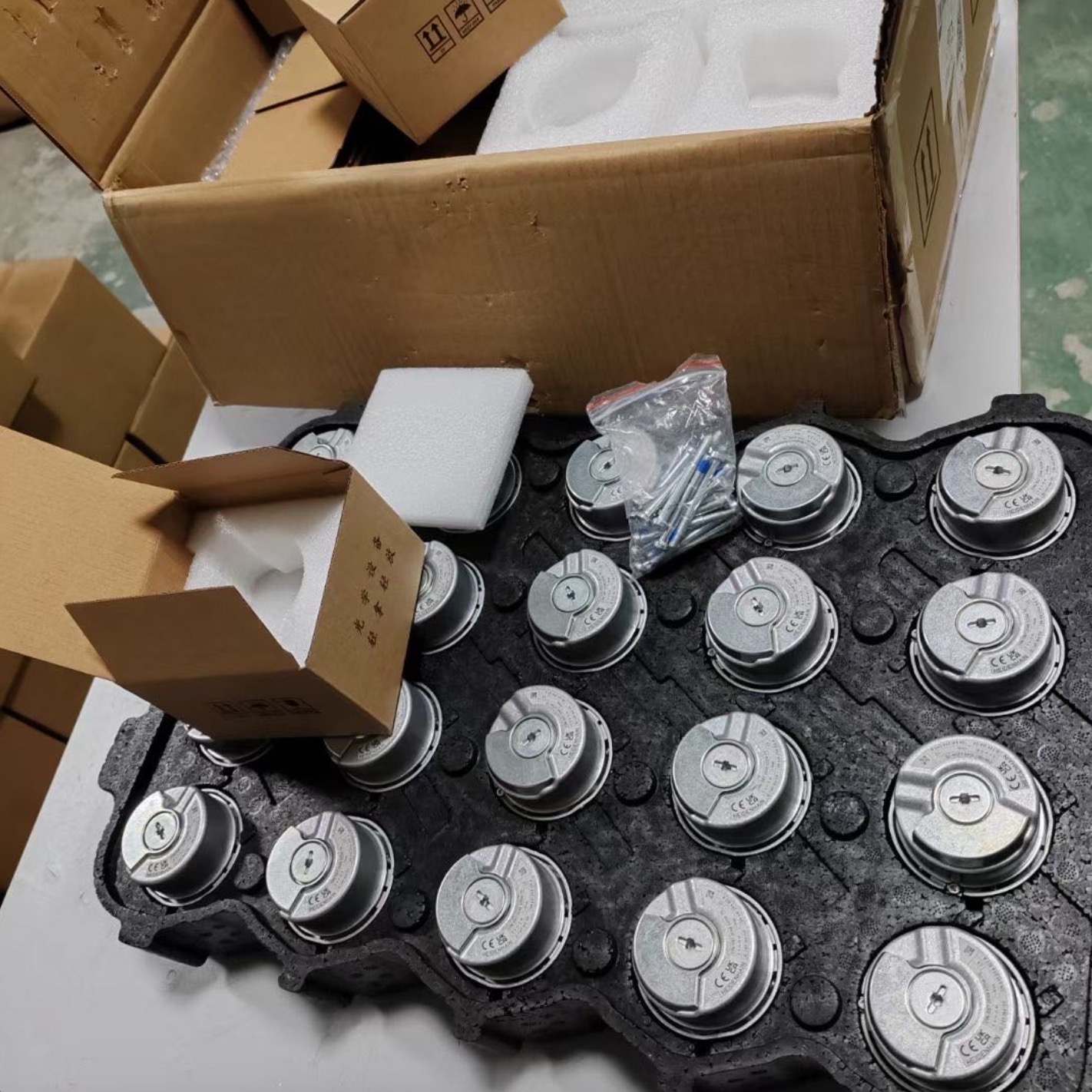
The 1313 encoder is more often found in existing elevator systems and long-term maintenance projects.
It is typically used when:
- replacing an original encoder without changing system configuration
- maintaining stable operation in older installations
- avoiding additional parameter adjustments
- ensuring compatibility with existing controllers
In markets such as Italy, maintenance teams often prefer to keep the same encoder model to avoid unnecessary system changes.
Key Difference in Real Applications
From a practical perspective:
- 1387 is performance-oriented
- 1313 is compatibility-oriented
This difference becomes critical in field applications.
Upgrading from 1313 to 1387 without adjusting system parameters may not improve performance and can even lead to unstable operation.
Selection Guidance
Choosing between these two encoders depends on the project type:
Choose 1387 if:
- you are working on a new installation
- system performance needs to be improved
- drive system supports higher precision feedback
Choose 1313 if:
- you are replacing an existing encoder
- system configuration must remain unchanged
- stability is more important than performance upgrade
Practical Insight
In many elevator projects, the encoder is not selected independently.
Instead, it must match:
- inverter or drive system
- motor configuration
- control parameters
- existing installation conditions
For this reason, selecting the correct encoder is more about system compatibility than individual specifications.
Frequently Asked Questions
Is Heidenhain 1387 better than 1313?
Not necessarily. The choice depends on system requirements, not just performance.
Can 1313 be replaced by 1387?
Only if the system supports it and parameters are properly adjusted.
Which one is more commonly used?
1387 is more common in newer systems, while 1313 is often used in maintenance and replacement.