Selcom vs Fermator Door Systems
April 28, 2026
Selcom vs Fermator Door Systems
Key Differences in Elevator Door Operator Solutions
Introduction
When comparing elevator door systems, Selcom and Fermator are two names that come up frequently in both new installations and maintenance projects. Rather than focusing on which is “better,” most buyers and technicians are actually trying to understand:
- which system fits their project
- which parts are easier to source
- which solution is more practical for long-term maintenance
In real projects across Saudi Arabia and Brazil, the choice between Selcom and Fermator often depends more on system compatibility and service conditions than on brand preference alone.
System Background
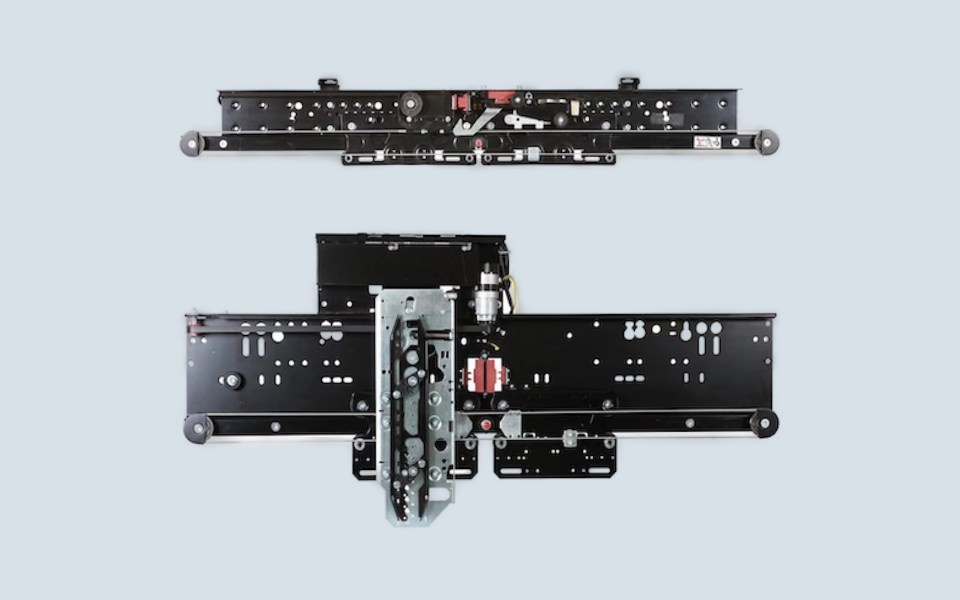
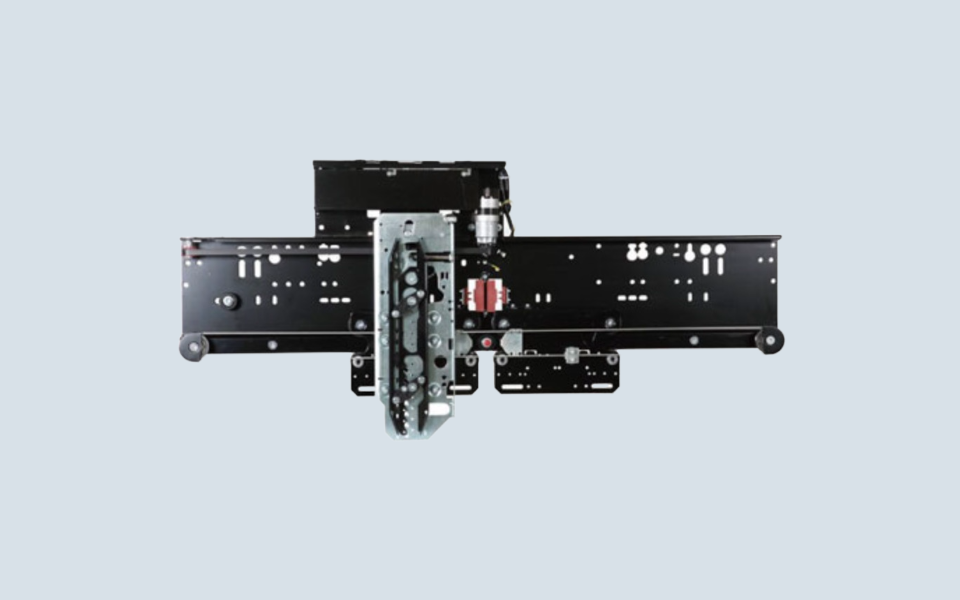
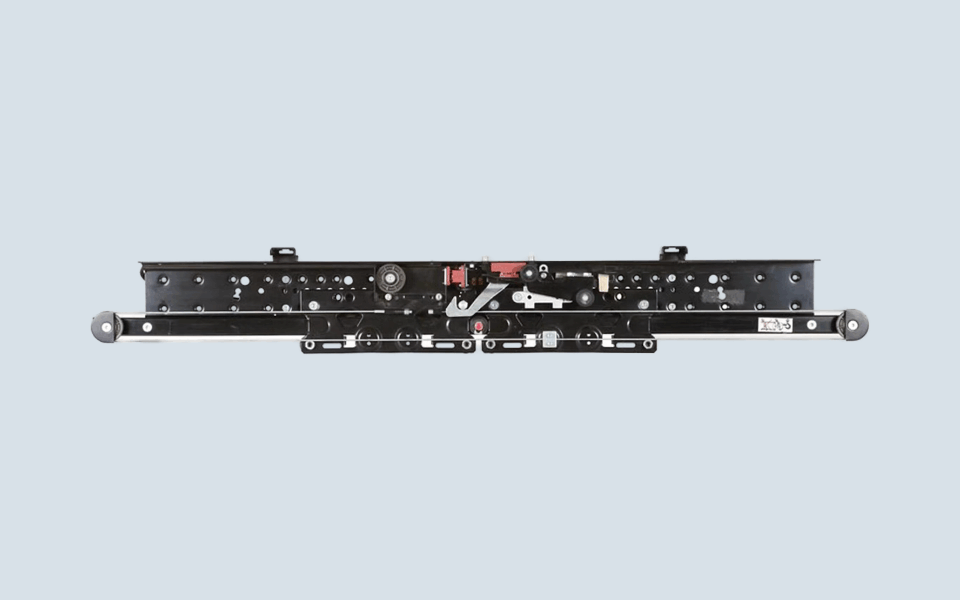
Selcom Door Systems
Selcom is widely associated with modular door systems, especially in applications where:
- precise component matching is required
- door system configuration is clearly defined
- parts replacement follows specific models
In practice, Selcom systems are often found in projects where consistent system structure is maintained over time.
Fermator Door Systems
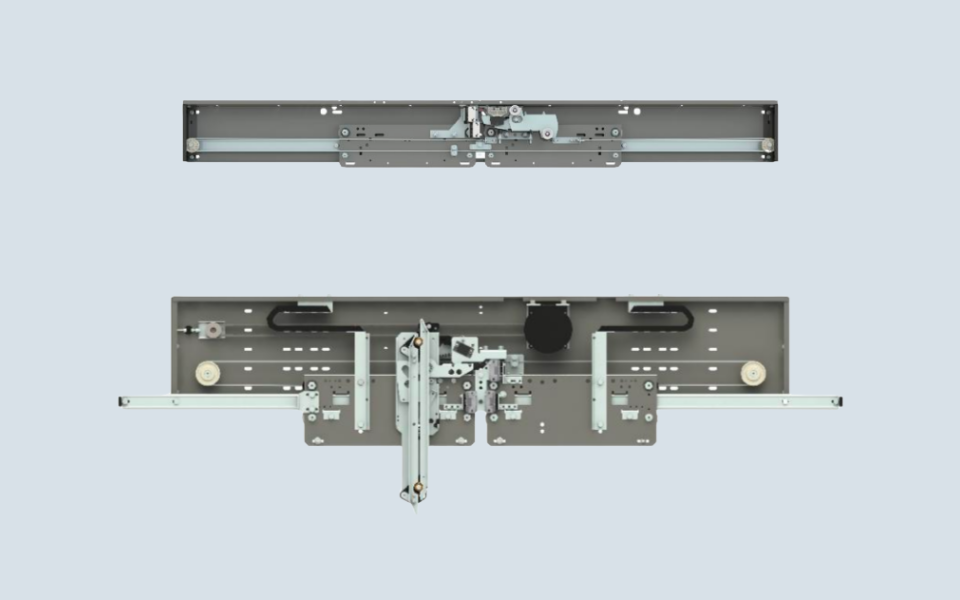
Fermator is commonly known for its broader compatibility and widespread use across different elevator brands.
It is typically used in:
- standard passenger elevators
- mixed-brand environments
- projects where flexibility in parts sourcing is important
In many maintenance markets, Fermator components are easier to match with existing installations.
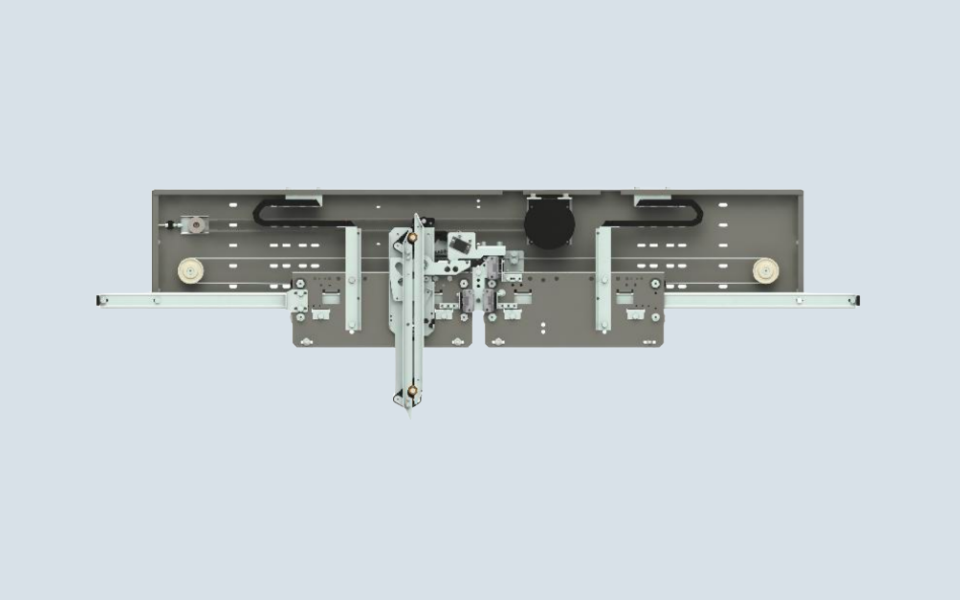
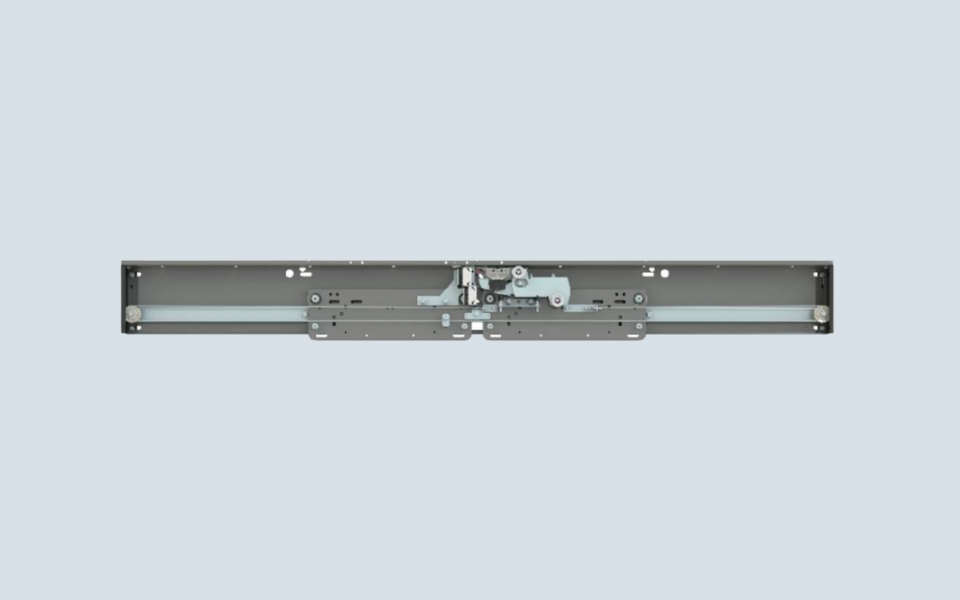
Structural and Design Differences
One of the main differences lies in how the systems are typically applied.
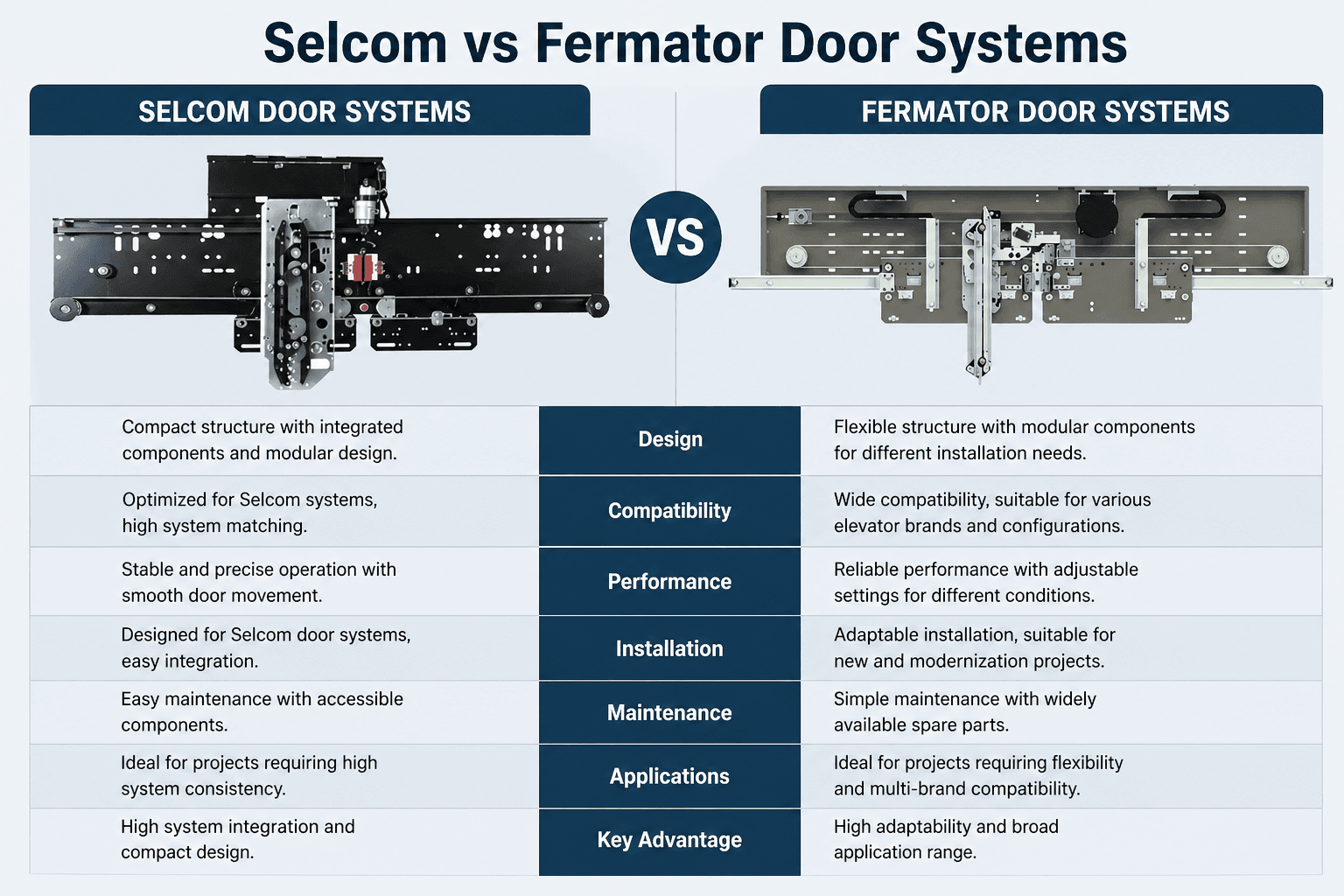
- Selcom systems are often treated as more “system-based,” where components are selected as part of a defined configuration
- Fermator systems are often used in a more flexible way, especially in replacement and mixed installations
This difference becomes noticeable when sourcing spare parts or adapting to existing elevator setups.
Maintenance and Spare Parts
From a maintenance perspective, the difference is more practical than technical.
In regions such as Spain, technicians often work with both systems, but the choice depends on:
- availability of parts
- familiarity with the system
- compatibility with existing installations
Typical observations:
Application Scenarios
Both systems are used in similar environments:
- residential buildings
- commercial elevators
- hotels and office projects
- modernization work
However:
- Selcom is often preferred where system consistency is required
- Fermator is often used where flexibility and availability are priorities

Performance Considerations
In terms of daily operation:
- both systems can provide stable and smooth door movement
- performance differences are often influenced more by installation quality than brand
Factors that matter more than brand include:
- motor condition
- control system tuning
- slider and roller wear
- alignment of door panels
Which One Should You Choose?
Instead of asking which is better, the more useful question is:
👉 Which one fits your existing system?
Choose based on:
- current door system configuration
- availability of spare parts in your region
- maintenance team familiarity
- project type (new installation vs modernization)
Related Components and Replacement Parts
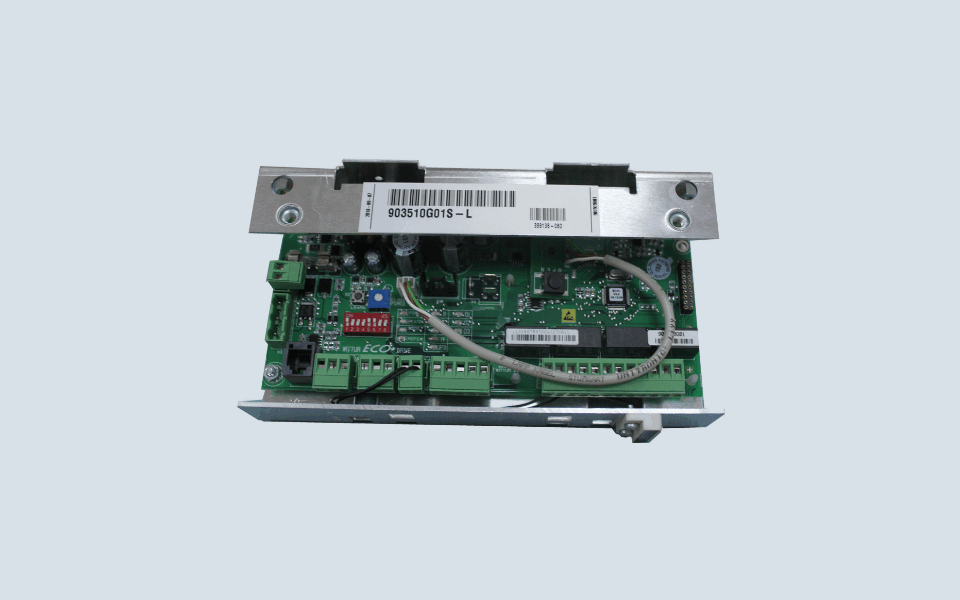
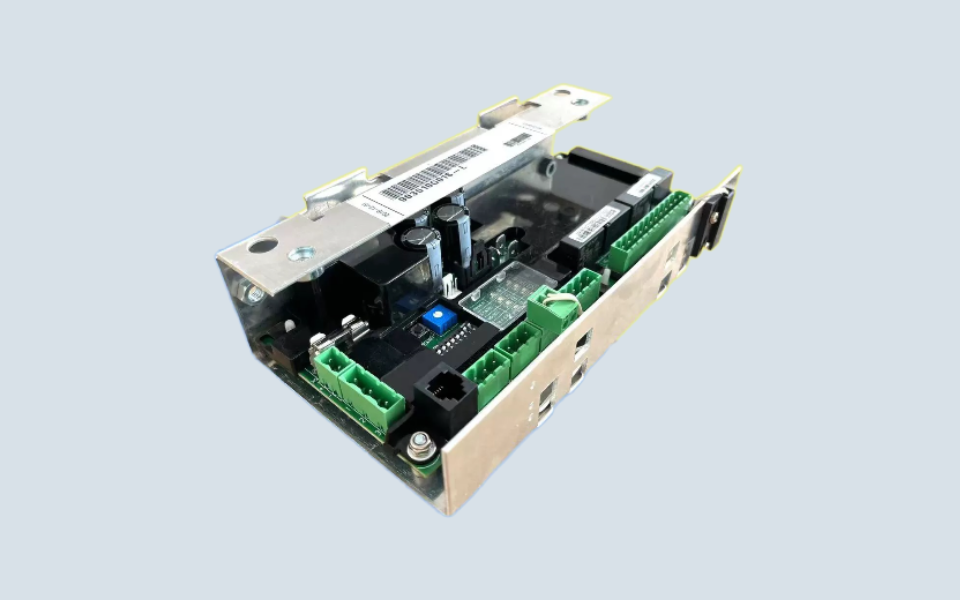
- Selcom ECO Door Control Board 903510G01S-L
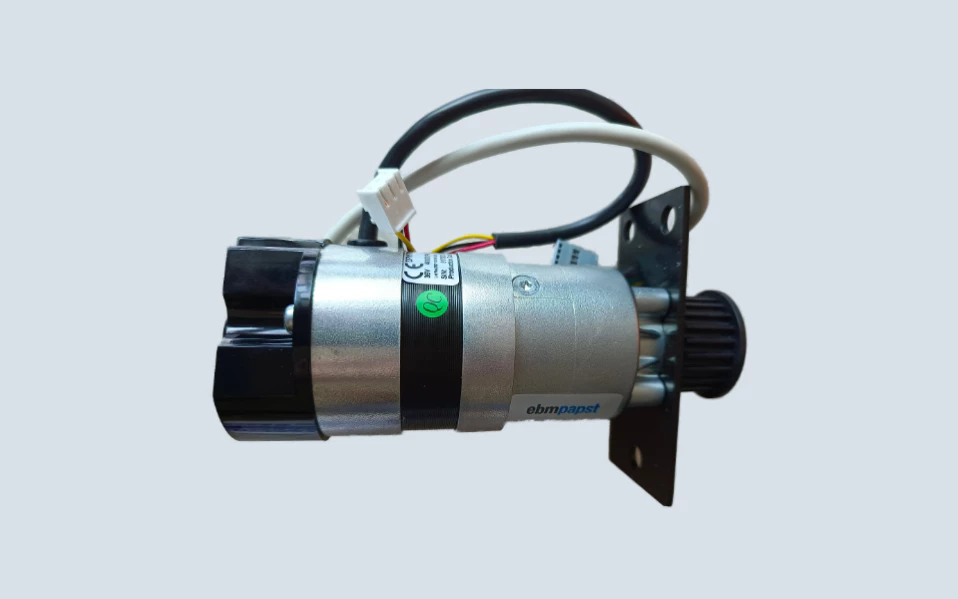
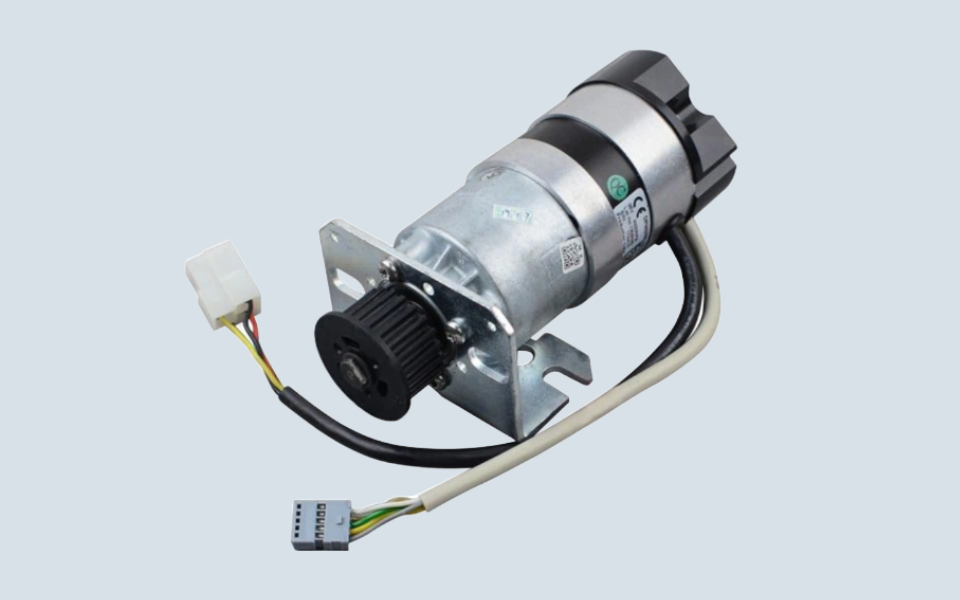
- Selcom ECO Door Motor
- Selcom Door cams
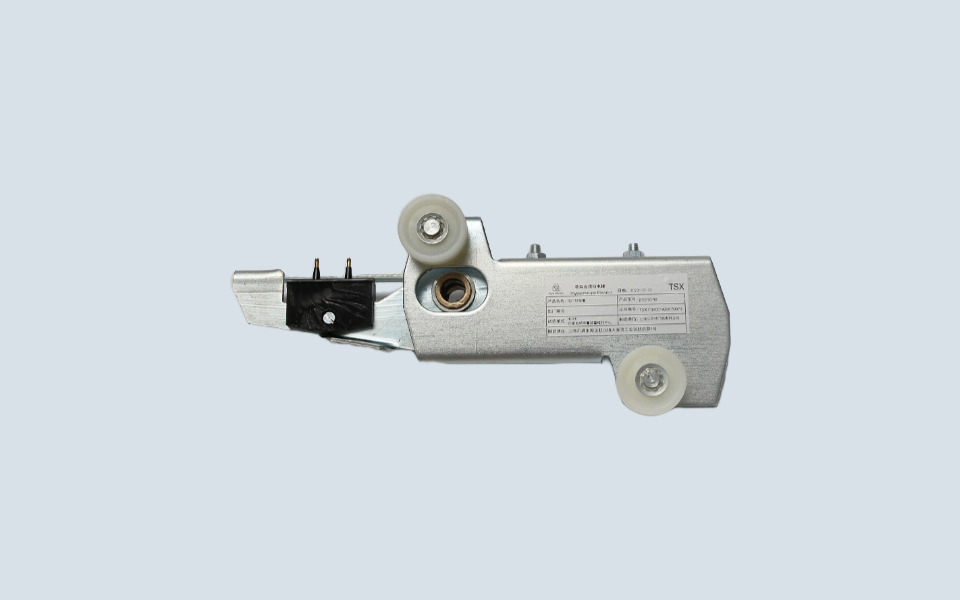
- Selcom Landing Door Lock Set 3201.04.0087
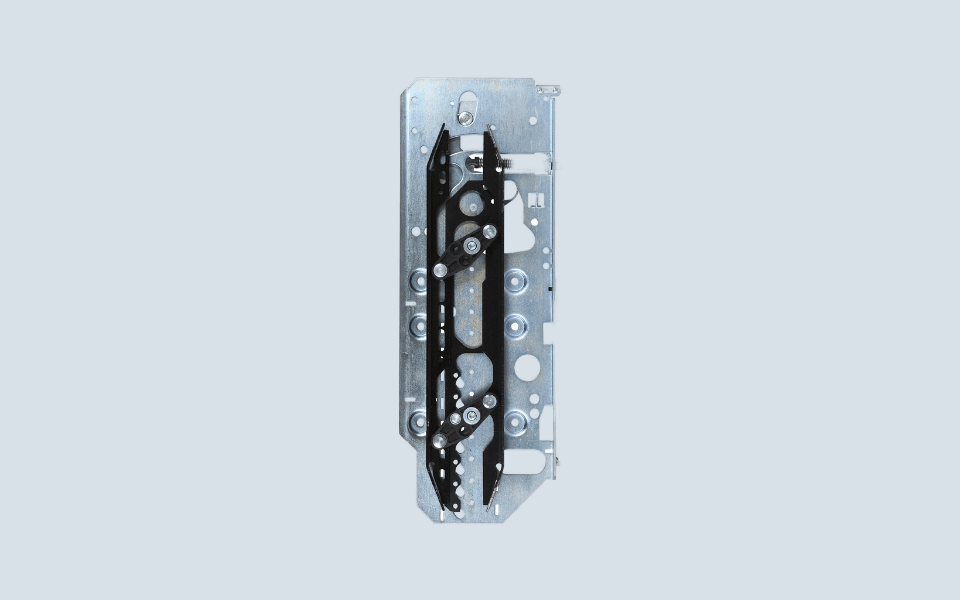
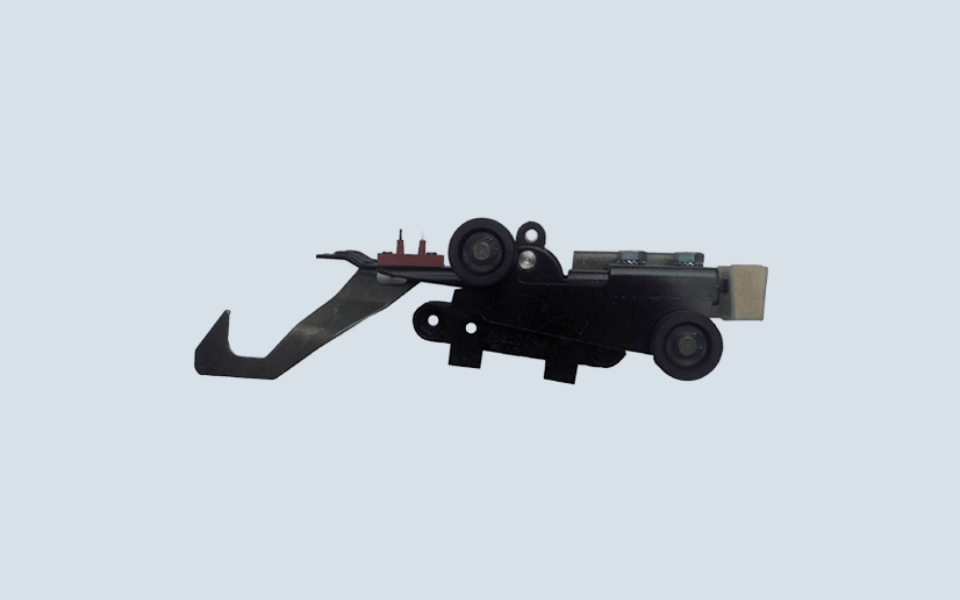
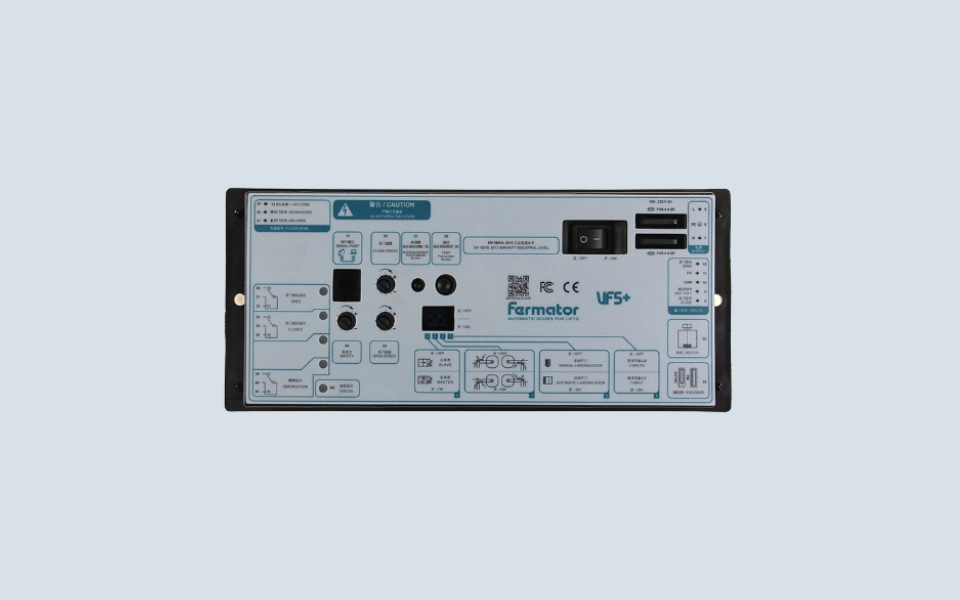
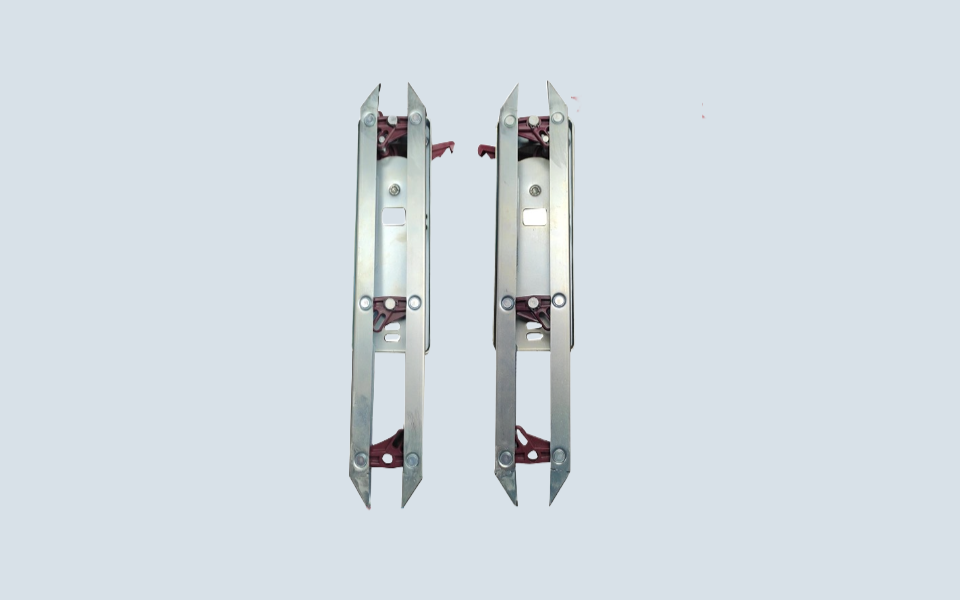
Fermator Door System Main Components:
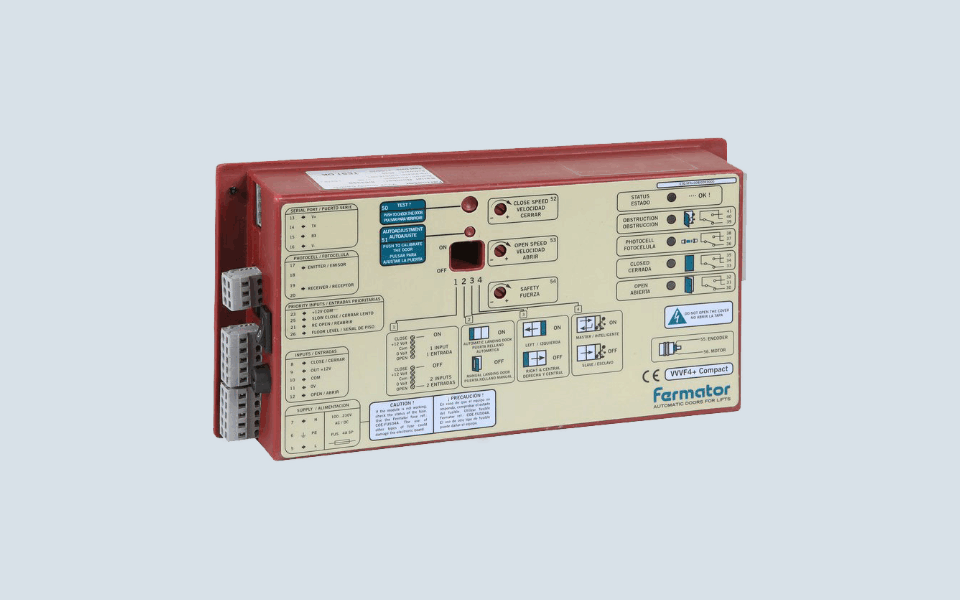
- Fermator Door Controller VF4+
- Fermator Door Cam
- Fermator Landing Door Lock
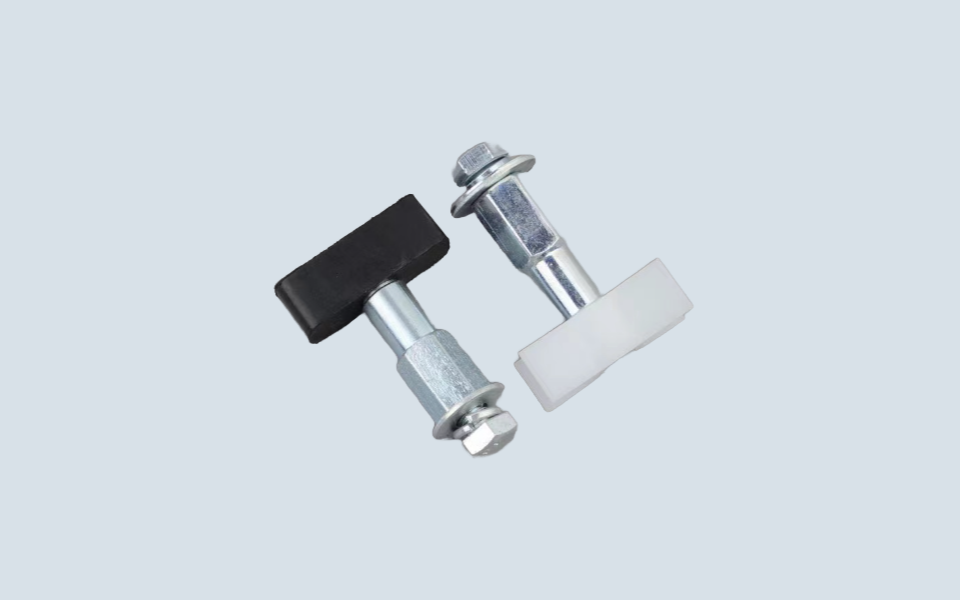
- Fermator Door Slider Black
Frequently Asked Questions
Is Selcom better than Fermator?
Not necessarily. The choice depends on system compatibility and project requirements.
Are Selcom and Fermator parts interchangeable?
In some cases yes, but often parts are system-specific and should be matched carefully.
Which is easier to maintain?
It depends on local market availability and technician familiarity.