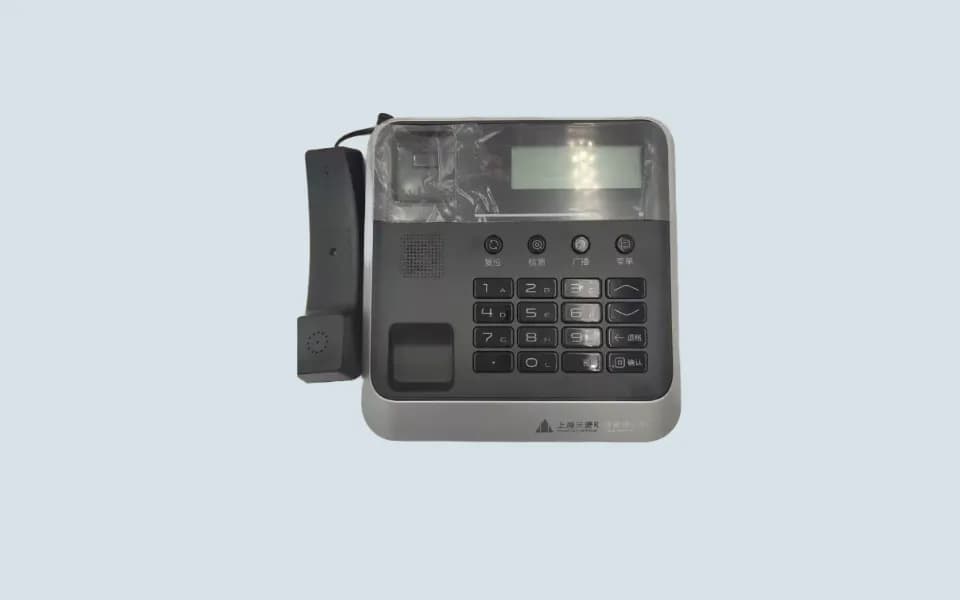
Z6B02-50 P246123B104G50 Mitsubishi Elevator Intercom Device — Handset
Z6B02-50, P246123B104G50
Please add the quotation and send it to us and get in touch with us immediately
- Global service 24/7
- Lowest price for all products
- Best quality with Production Process
- After-Sale Warranty
- Technical Support
Description
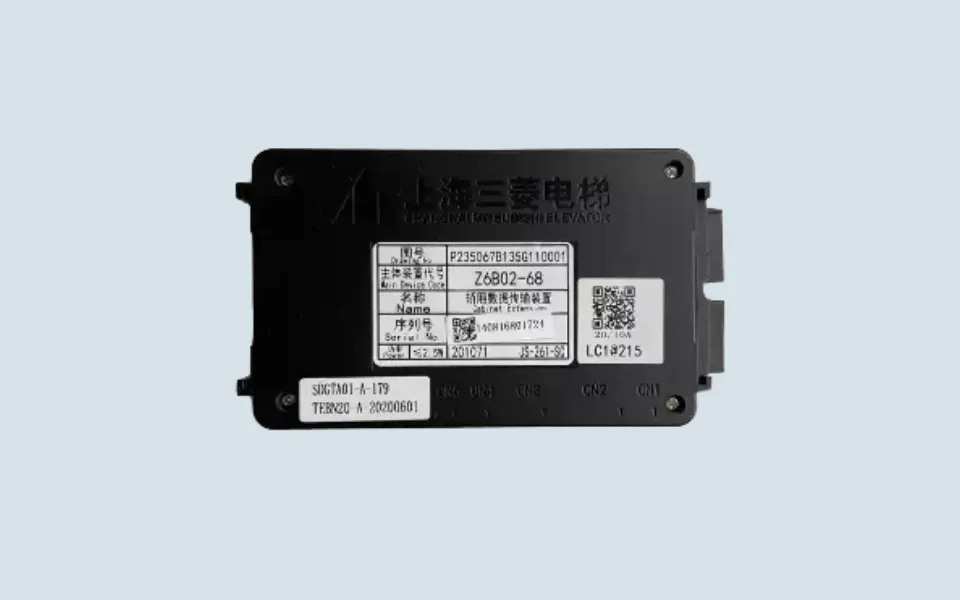
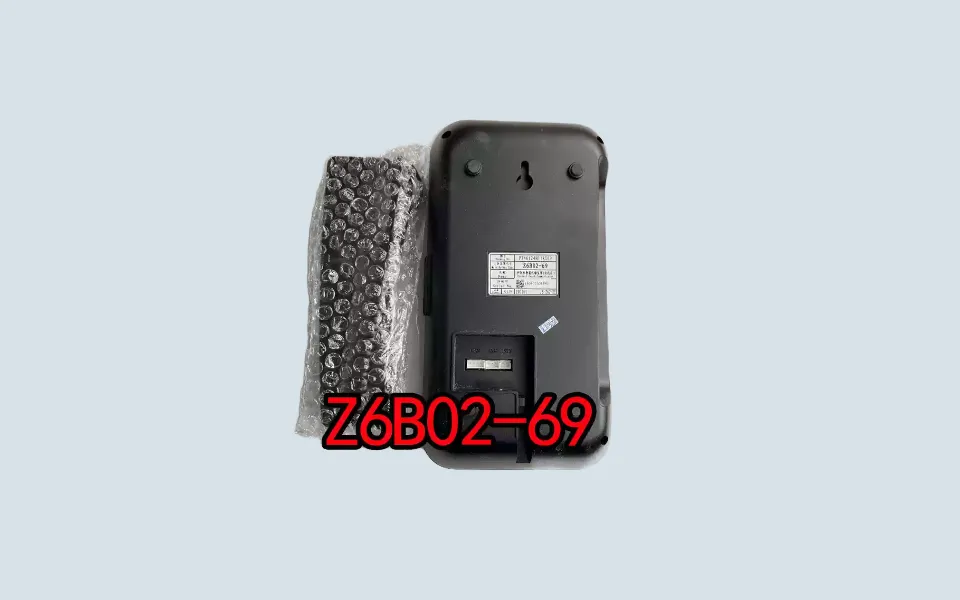
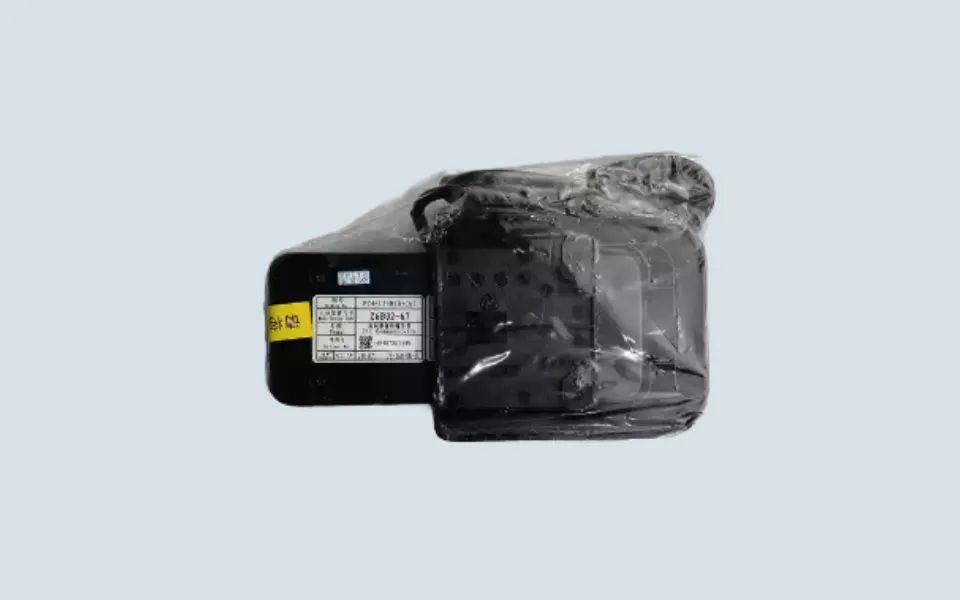
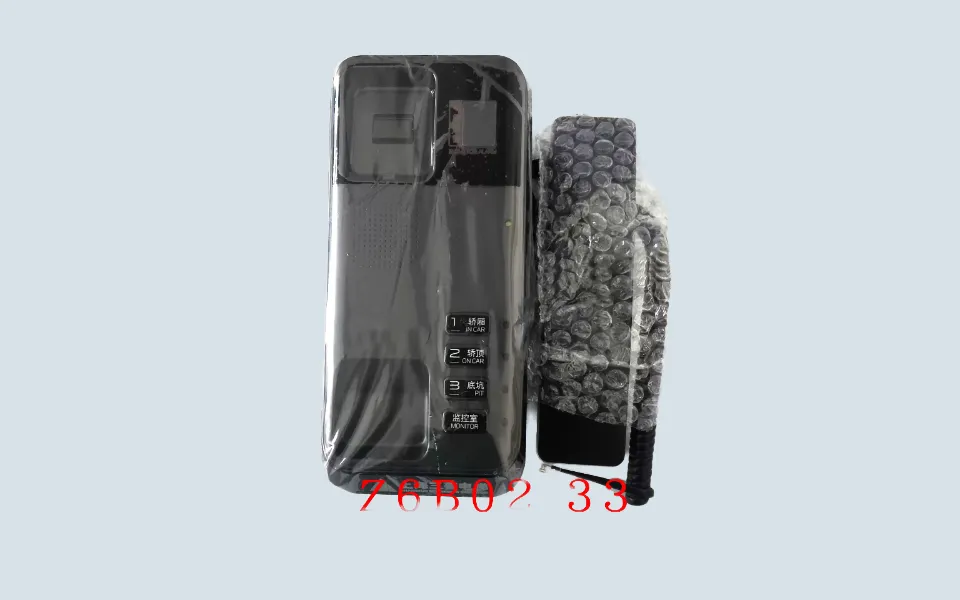
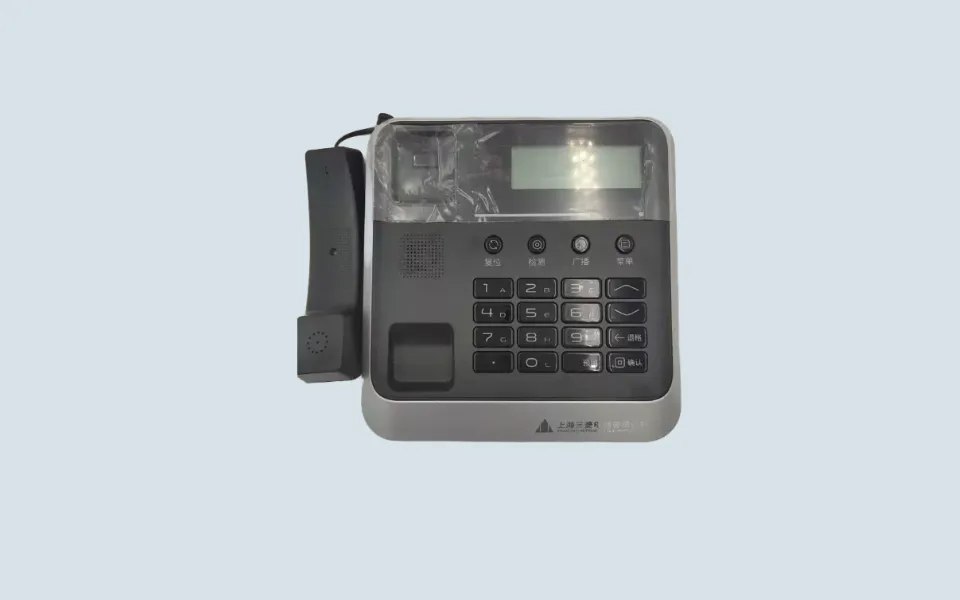
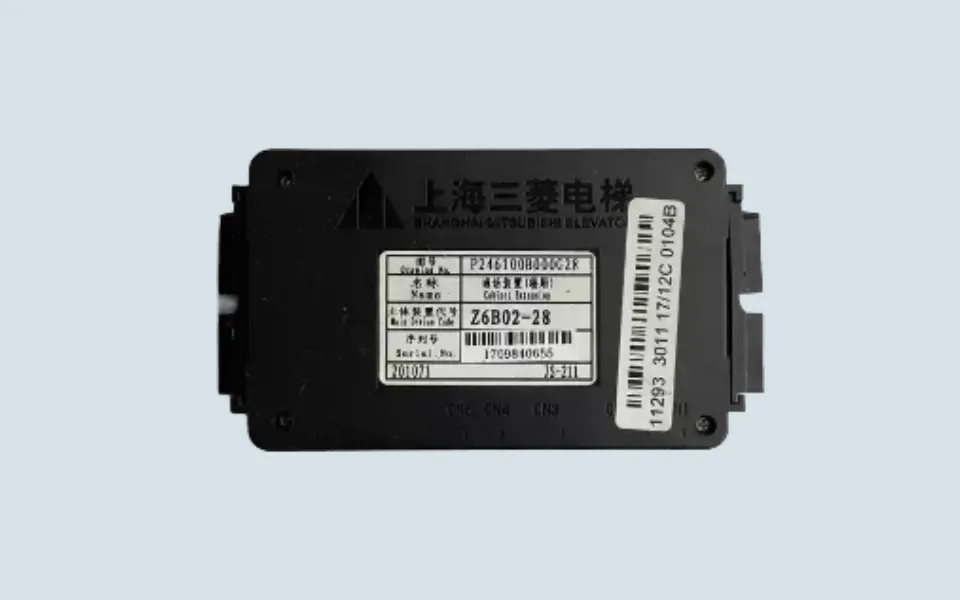
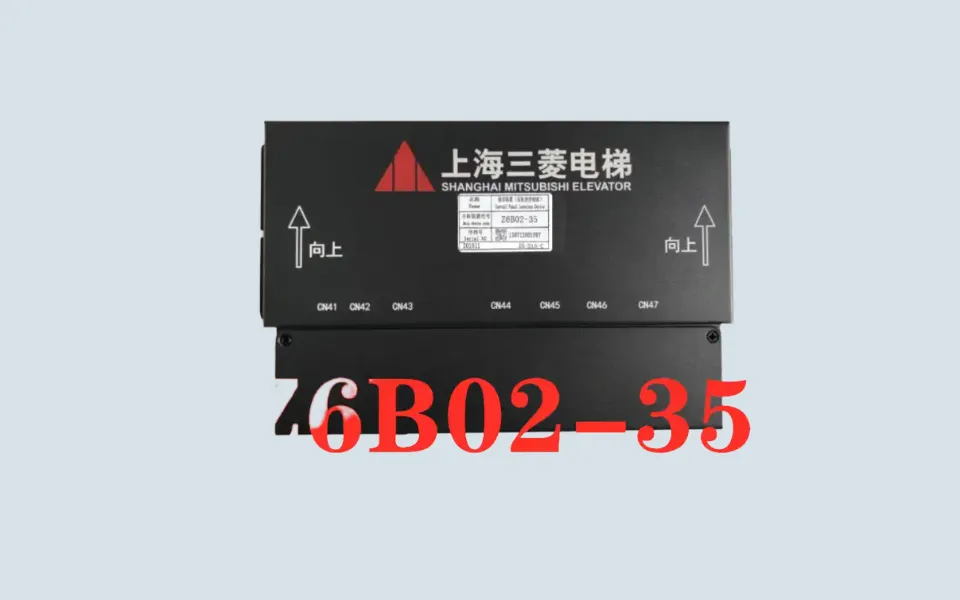
Mitsubishi Elevator Intercom Device — Handset Z6B02-50 P246123B104G50
Z6B02-50 P246123B104G50 is a handset-style elevator intercom device commonly used in Mitsubishi elevator emergency communication systems.
Installed inside the elevator car operating panel or emergency communication module, the handset provides direct voice communication between passengers and building management, security personnel, or rescue teams during emergency situations.
It is commonly associated with:
- elevator emergency communication systems
- passenger rescue procedures
- machine room communication circuits
- security monitoring systems
- emergency call devices
A Component Nobody Notices Until an Emergency Occurs
Unlike buttons, displays, or door operators, elevator intercom devices are rarely used during normal daily operation.
For this reason, many building owners assume the communication system is functioning correctly until an emergency test is performed.
During a routine annual inspection in a commercial building, technicians discovered that the elevator emergency handset could receive calls but could not transmit voice clearly to the monitoring center.
Passengers would have been unable to communicate effectively during an actual entrapment event.
The issue was eventually traced to a damaged handset assembly rather than the main communication controller.
Why Emergency Communication Systems Are Regularly Tested
Most elevator passengers never use the emergency communication system.
However, maintenance teams routinely verify:
- emergency call functionality
- voice transmission quality
- microphone operation
- speaker performance
- communication line integrity
In many jurisdictions, emergency communication systems form part of mandatory elevator safety inspections.
A communication failure may not affect normal elevator operation, but it can become critical during passenger entrapment situations.
Components Usually Checked Together
When servicing the Z6B02-50 handset, technicians often inspect:
- emergency communication boards
- handset cables
- microphone circuits
- speakers
- alarm buttons
- rescue communication terminals
In some cases, poor audio quality may be caused by wiring issues rather than the handset itself.
What Maintenance Teams Commonly Find
During long-term operation, emergency communication devices may experience:
- reduced microphone sensitivity
- intermittent audio transmission
- damaged handset cords
- connector oxidation
- aging communication components
Because these systems are used infrequently, faults may remain unnoticed until scheduled testing takes place.
For this reason, many maintenance companies include communication system testing as part of preventive maintenance programs.
Before Replacement
Before ordering a replacement handset:
- verify the exact Mitsubishi part number
- confirm connector configuration
- inspect communication wiring
- test microphone and speaker functionality
- verify compatibility with the existing communication system
Some Mitsubishi elevator generations use different emergency communication architectures even when the handset appearance is similar.
Many maintenance teams recommend testing the complete emergency communication circuit after replacement because reliable operation depends on both the handset and the associated communication equipment.