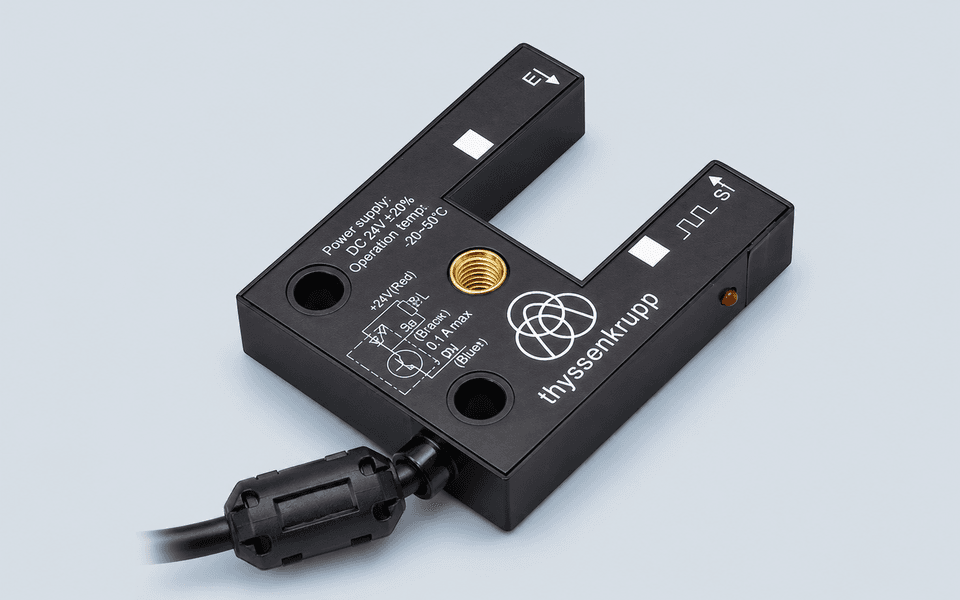
ThyssenKrupp LNLK Door Lock Sensor
Please add the quotation and send it to us and get in touch with us immediately
- Global service 24/7
- Lowest price for all products
- Best quality with Production Process
- After-Sale Warranty
- Technical Support
Description
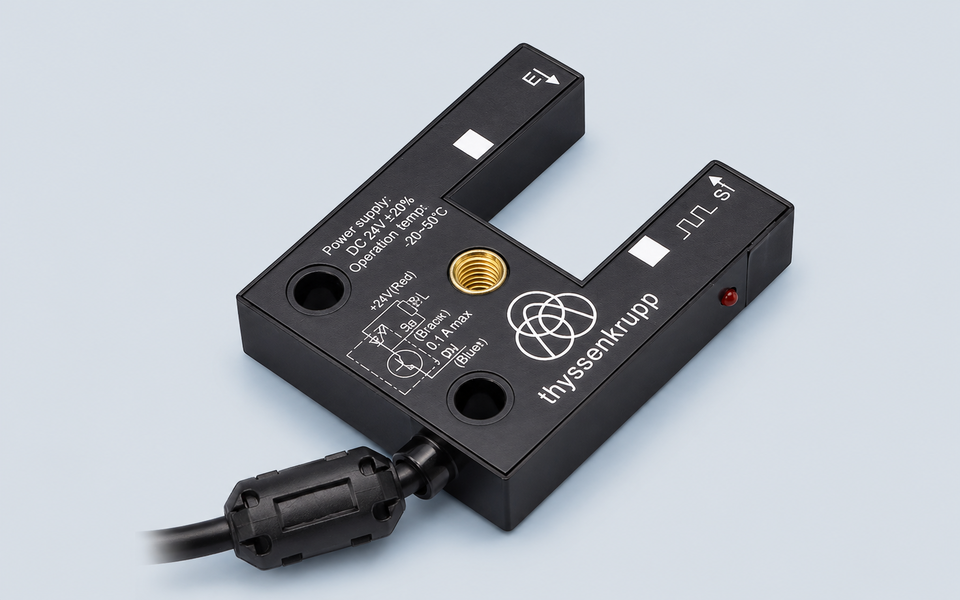
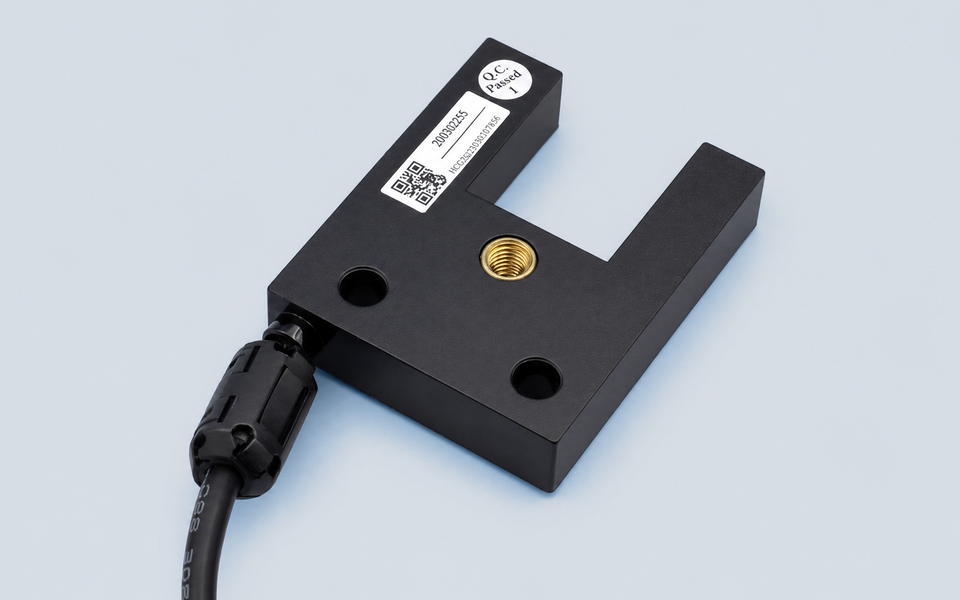
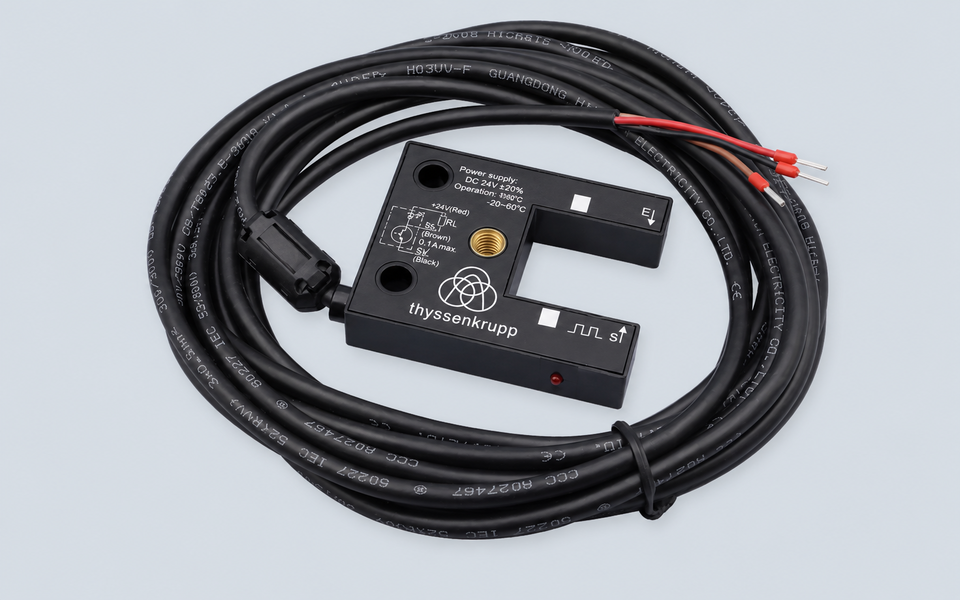
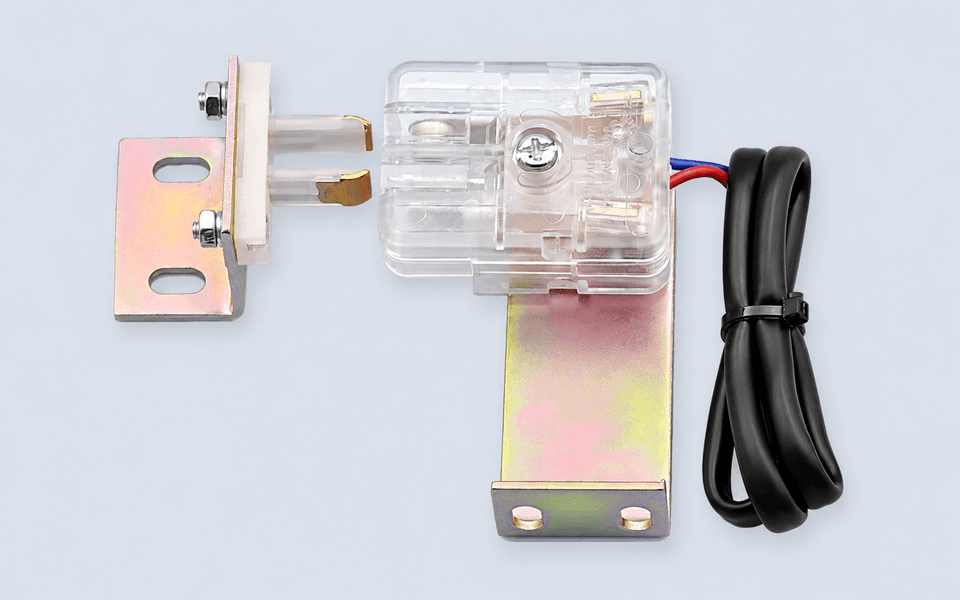
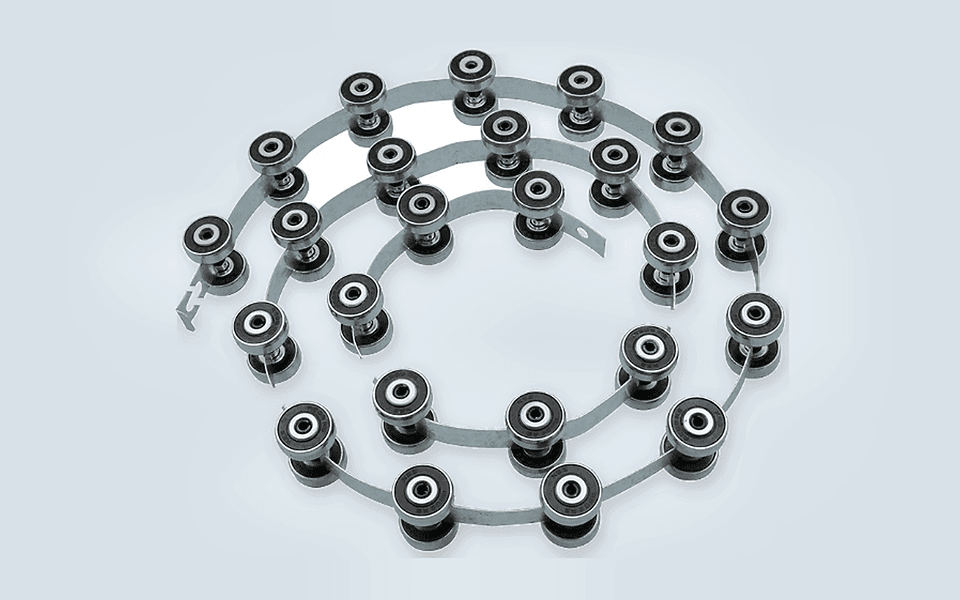
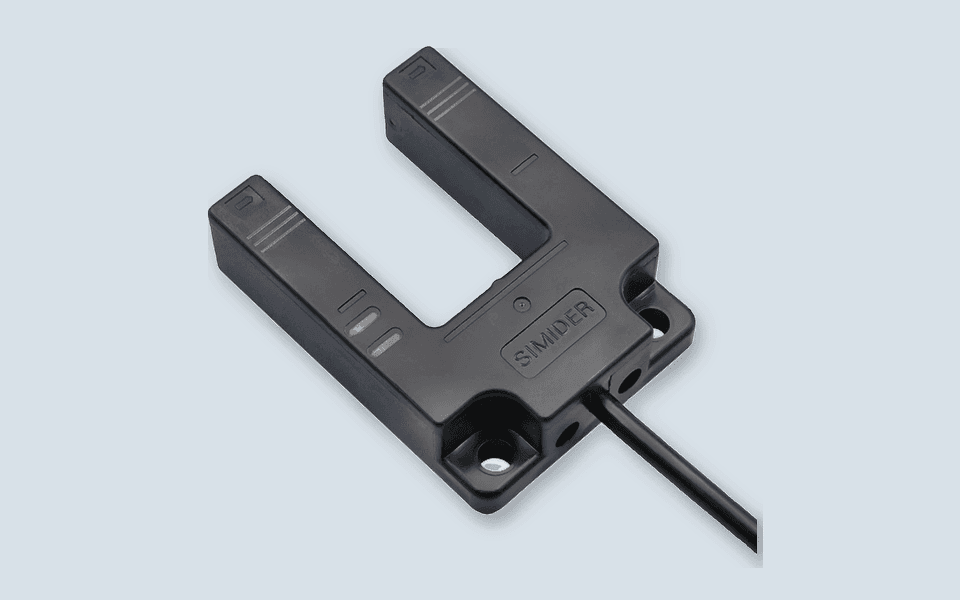
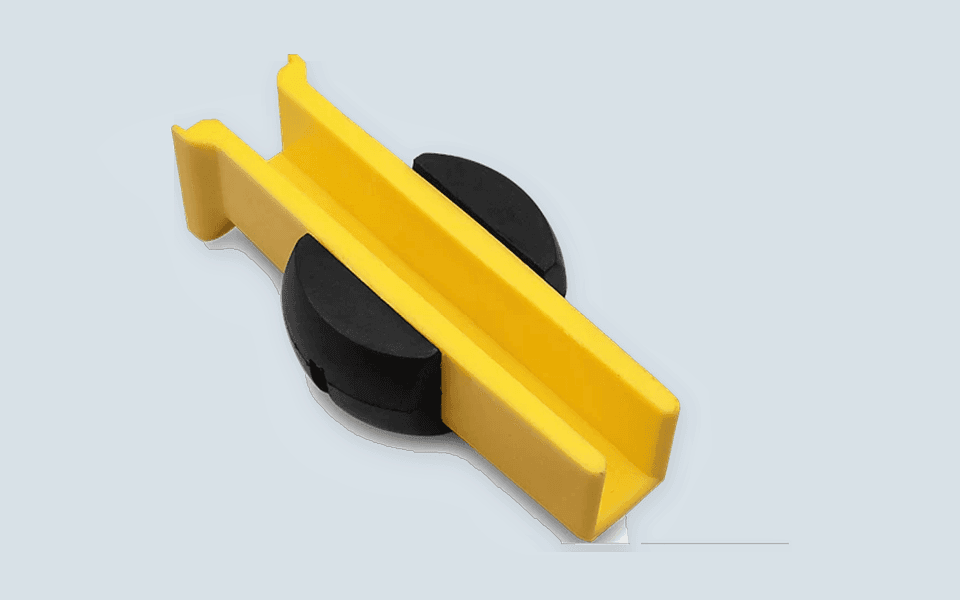
ThyssenKrupp LNLK Door Lock Sensor
ThyssenKrupp LNLK Sensor is an elevator door safety sensor used in compatible ThyssenKrupp landing door and door-lock systems.
The sensor monitors the position or status of the door-lock mechanism and provides a feedback signal to the elevator control system. It plays an important role in confirming that the landing door is correctly locked before the elevator is allowed to run.
This product may also be searched as:
ThyssenKrupp LNLK Sensor
ThyssenKrupp Door Lock Sensor
ThyssenKrupp Landing Door Sensor
Elevator Door Safety Sensor
Door Lock Position Sensor
Elevator Interlock Sensor
ThyssenKrupp Door Switch Sensor
A Small Sensor Related to a Critical Safety Function
The LNLK sensor is a small component, but it is connected with one of the most important elevator safety circuits.
When the sensor becomes unstable or incorrectly positioned, technicians may experience symptoms such as:
elevator unable to start
repeated door lock faults
intermittent safety circuit opening
landing door not recognized as closed
random shutdown during operation
However, replacing the sensor is not always the first solution. Door lock adjustment, mechanical wear, wiring problems, and incorrect sensor positioning can create similar symptoms.
Identify the Sensor From the Complete Installation
Because ThyssenKrupp door systems have used different generations of door-lock components, the sensor should be matched according to its working position rather than appearance alone.
For accurate identification, please provide:
LNLK label or marking
complete sensor photo
connector type
cable length
mounting bracket style
sensing surface or actuator position
landing door lock photo
installed position photo
door operator model
elevator controller information
The distance between the sensor and the detected target is especially important. A sensor installed with incorrect clearance may fail even when the electrical part is functioning correctly.
Common Reasons for Replacement
The LNLK sensor may require replacement when:
signal becomes intermittent
sensor housing is damaged
cable insulation is broken
connector has corrosion
detection distance becomes unstable
internal electronics fail
the safety circuit cannot be maintained
During replacement, technicians should also check:
door lock mechanism movement
locking hook position
sensor mounting bracket
wiring continuity
connector condition
safety circuit terminals
controller input signal
A new sensor installed on a worn or misaligned lock mechanism may not solve the original problem.
Maintenance Application
ThyssenKrupp LNLK sensors are commonly supplied for elevator maintenance, repair, and modernization projects where original door-lock sensing components require replacement.
For customers in Saudi Arabia, Jordan, Egypt, Iraq, UAE, Kuwait, Brazil, Chile, Spain, and Italy, providing the complete door-lock photo together with the old sensor image can help confirm compatibility before shipment.
FAQ
What is the function of a ThyssenKrupp LNLK Sensor?
It detects the condition or position of the door-lock mechanism and provides a safety-related feedback signal to the elevator control system.
Is LNLK the same as a door contact?
Not necessarily. A door contact usually detects electrical continuity or physical contact, while an LNLK sensor is generally used for position detection within the door-lock system.
Can any ThyssenKrupp door sensor replace LNLK?
No. The connector, sensing method, mounting position, and door-lock design must match the original component.
Why does a new sensor still show a door lock fault?
Possible causes include incorrect sensor distance, mechanical lock adjustment problems, damaged wiring, or controller input issues.
What information should I send before quotation?
Please provide the sensor label, connector photo, cable length, complete door-lock assembly photo, and installation position.