Elevator Spare Parts Shipping Guide: Sea Freight vs Air Freight
November 10, 2026
Elevator Spare Parts Shipping Guide: Sea Freight vs Air Freight
When importing elevator spare parts from China, choosing between sea freight and air freight can significantly affect purchasing costs, delivery schedules and inventory planning.
For elevator maintenance companies, spare parts distributors and modernization contractors, the best shipping method depends on the total shipment weight, volume, order quantity and urgency.
In general, heavy elevator mechanical components and large combined orders are better suited to sea freight, while small electrical and safety spare parts are often suitable for air freight.
Which Elevator Parts Are Best Shipped by Sea Freight?
Sea freight is usually the preferred option for large-volume orders, complete elevator projects and bulk mechanical components.
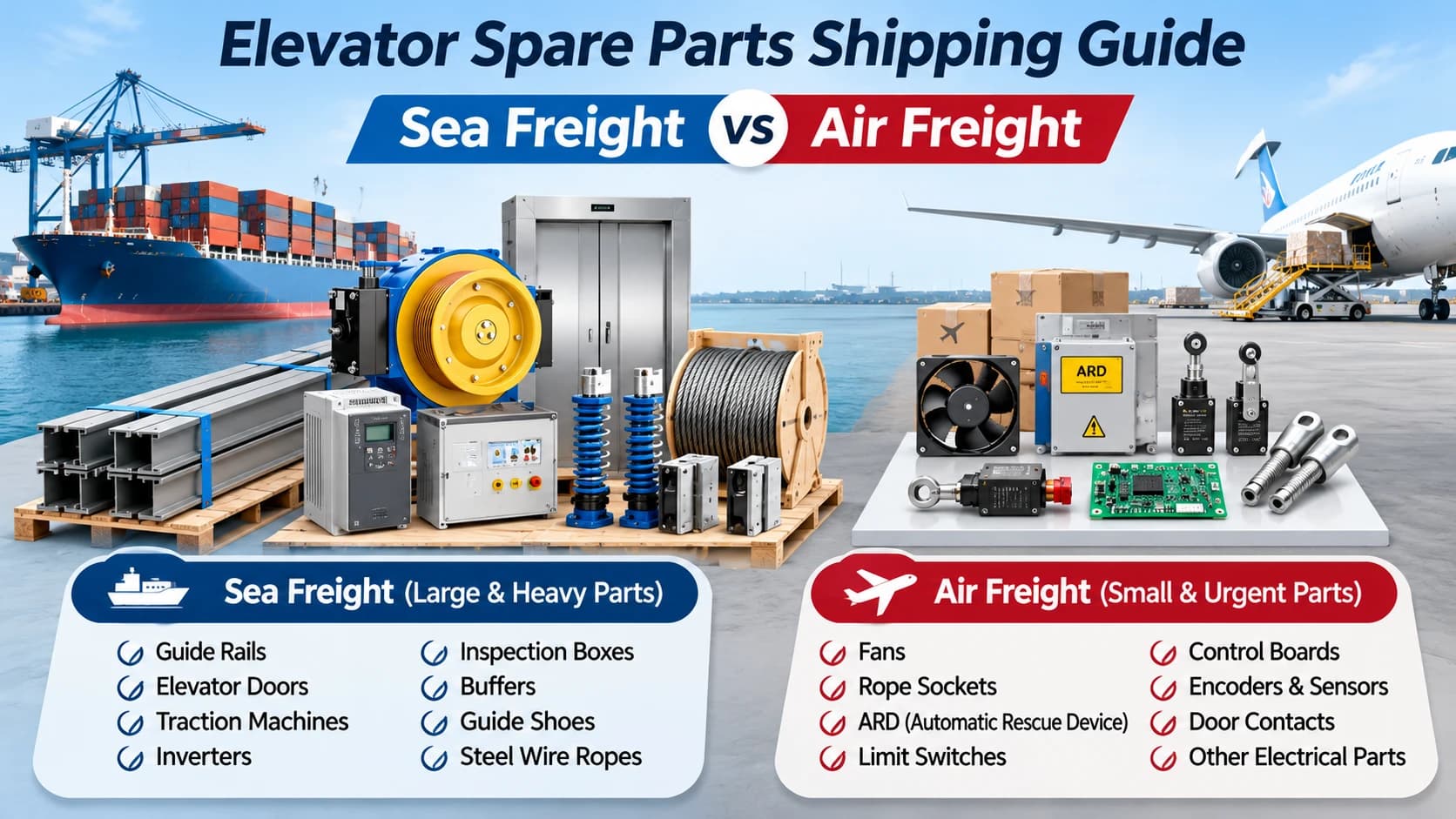
Common elevator parts shipped by sea include:
Elevator Guide Rails: Long steel components requiring secure bundling and careful loading.
Elevator Door Systems: Landing doors, car doors, door frames and complete door mechanisms.
Traction Machines: Heavy machinery that often requires reinforced wooden cases or pallets.
Elevator Inverters: Suitable for sea freight when purchased together with complete modernization packages.
Inspection Boxes: Often consolidated with control cabinets and other electrical equipment.
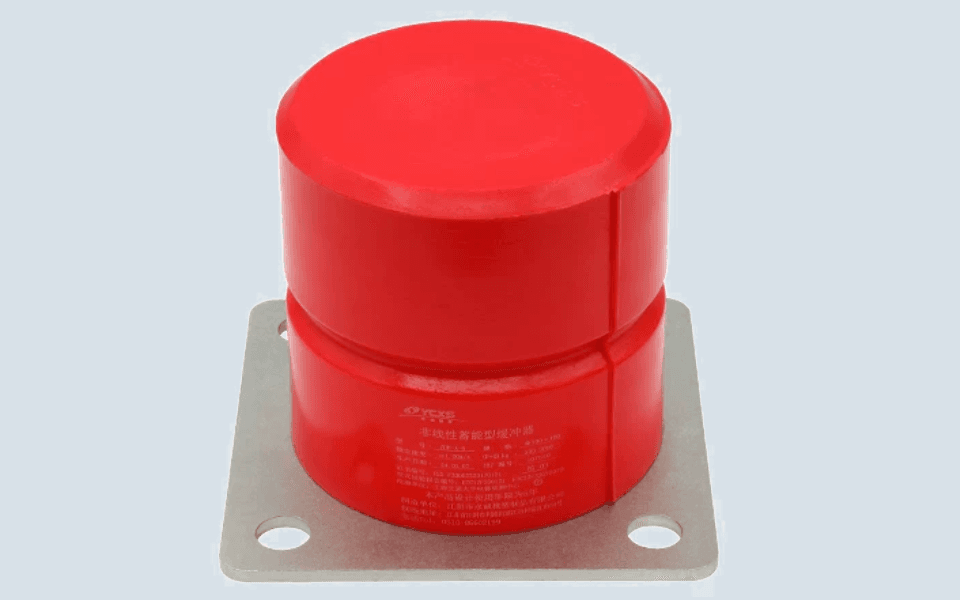
Elevator Buffers: Particularly suitable for bulk orders involving multiple sizes and quantities.
Guide Shoes: Frequently included in large mechanical spare parts orders.
Elevator Wire Ropes: Heavy steel wire rope coils or reels suitable for consolidated shipments.
For buyers importing multiple categories, combining products from different manufacturers into one shipment can simplify purchasing and freight coordination.
FCL or LCL: Which Is Better for Elevator Parts?
Not every sea freight shipment requires a full container.
FCL (Full Container Load) is often suitable for large orders involving guide rails, complete door systems, traction machines and multiple elevator projects.
LCL (Less than Container Load) allows smaller shipments to share container space, making it an alternative when the order volume does not justify an entire container.
The best choice depends on cargo dimensions, total weight, packing requirements and destination charges.
Which Elevator Spare Parts Are Suitable for Air Freight?
Air freight is commonly used for urgent replacement parts and small-volume maintenance orders.
Typical examples include:
These products are often ordered in limited quantities for individual elevators or urgent maintenance work.
However, heavy rope socket assemblies may become expensive to transport by air in larger quantities.
ARD systems also require special attention. If batteries are included, the battery chemistry, capacity and applicable dangerous goods requirements must be checked before shipment.
Can Sea Freight and Air Freight Be Combined?
Yes. For large elevator modernization projects, buyers can divide their purchasing orders according to delivery priorities.
For example, guide rails, door systems, traction machines and wire ropes can be shipped together by sea, while urgently required control boards, sensors or switches can be dispatched separately by air.
This approach allows buyers to balance transportation costs with installation schedules.
What Information Is Needed for a Freight Quotation?
Before arranging international shipping, buyers should confirm:
Complete spare parts list and quantities
Total gross weight and packing dimensions
Destination port or airport
Required delivery date
Any batteries or restricted cargo
Preferred delivery terms
For international elevator spare parts procurement, consolidated sea freight is often the economical choice for large planned orders, while air freight provides flexibility for smaller and time-sensitive replacement shipments.
The right strategy is to consider the complete purchasing plan rather than selecting transportation based on individual product categories alone.